Key takeaways
- AMRs fit the replenishment leg after clinical teams clear the room, not the code itself.
- Sealed carts, barcodes, and logged handoffs protect chain of custody.
- Elevator priority rules must yield to patients and crash teams every time.
- Emergency overrides should park the robot, not race through a unit.
- Pilot one tower with pharmacy and central supply before you scale.
Where do AMRs fit in crash-cart logistics?
Autonomous mobile robots can move sealed replacement crash carts from central supply or pharmacy staging to nursing units after a cart is opened or depleted during a patient emergency. They do not belong inside the code response. Clinical teams still grab the nearest cart, run the event, and document what was used.
The robot job starts once the empty or partial cart is pulled from the corridor and a replenishment request hits materials management. That post-event loop is repetitive, time sensitive, and easy to delay when porters are tied up elsewhere.
Think of AMR rental here as backfill for a logistics task, not a clinical device. If your workflow blurs those lines, fix the process before you buy hardware.
What should the replenishment workflow look like?
A clean workflow has four beats: trigger, pick, move, and verified handoff. The trigger can be a barcode scan when the cart leaves the unit, a nurse manager ticket, or an automated message from your materials system.
Central supply or pharmacy builds a sealed replacement cart to your hospital checklist, applies tamper evidence, and stages it on a defined AMR pickup point. The robot tugs or carries the cart only in that sealed state.
At the unit, a designated staff member meets the robot at a hallway handoff zone, scans the seal, and wheels the cart the last few feet to the wall mount. The robot never enters patient rooms or crowded nurse stations.
How do you protect chain of custody?
Crash carts carry controlled items and high-risk supplies. Chain of custody means you can prove who had the cart, when it moved, and that seals stayed intact.
Barcode or RFID on the cart shell, logged AMR trips, and timestamped handoff scans give you an audit trail stronger than a sticky note on a clipboard. Pharmacy and compliance should sign the data fields before go-live.
If a seal breaks in transit, the cart returns to pharmacy for rebuild. No debating in the hallway.
How should elevators and corridors be governed?
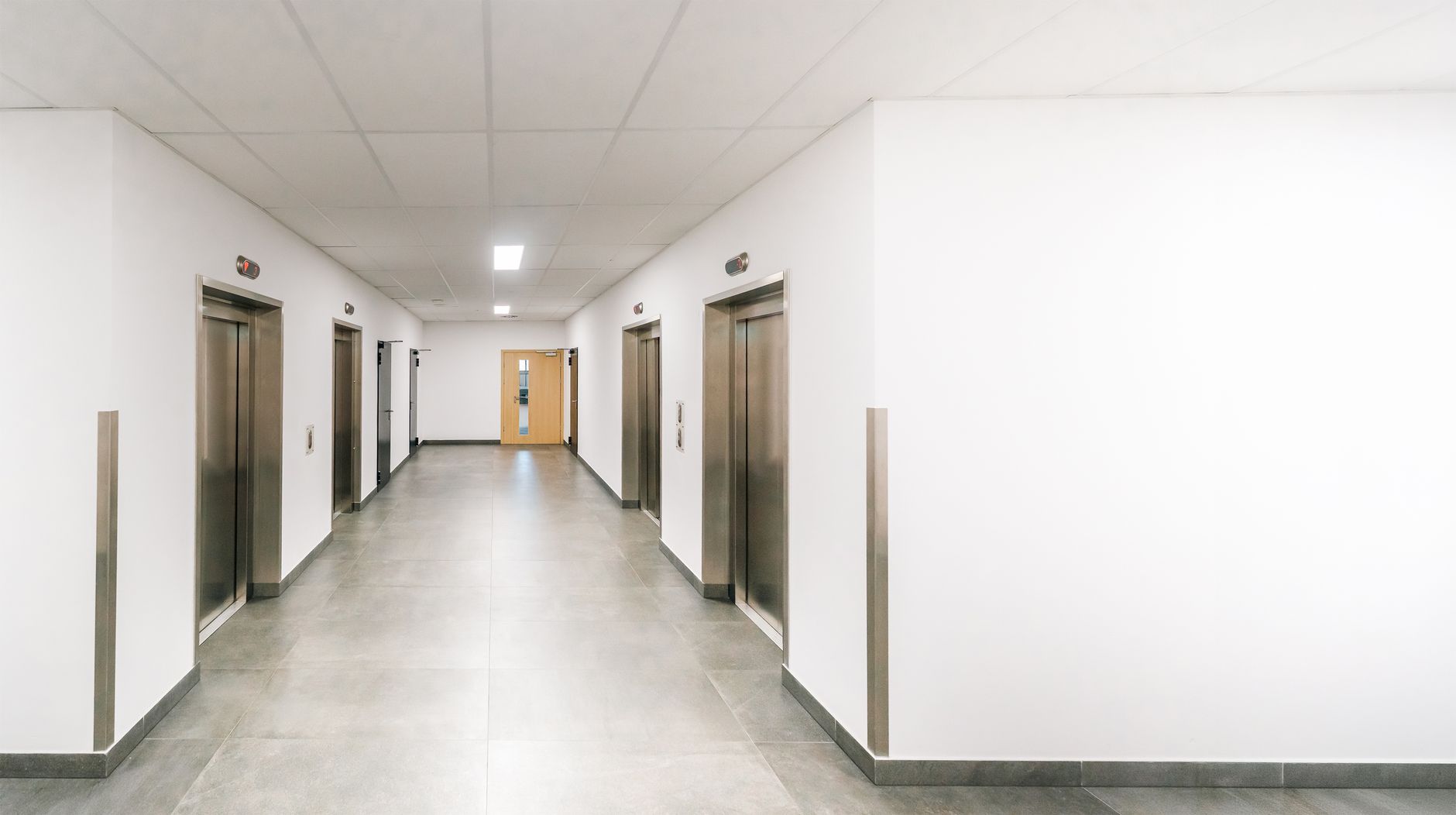
Hospital elevators are shared with patients, beds, and rushing clinicians. AMRs need integration or clear rules with facilities so a replenishment run never wins a fight with a crashing patient.
Many sites schedule cart moves on off-peak windows or dedicate a service elevator when architecture allows. During active codes, the fleet should auto-hold at a floor boundary until the unit lead releases it.
Corridor width, carpet transitions, and door operators matter for a cart plus tug. Map them once with a loaded cart, not an empty dolly.
What emergency overrides must exist?
Overrides are about yielding, not speeding up. Staff need a one-step pause on phones or wall panels, and the robot should pull aside at predefined alcoves.
Fire alarms, lockdowns, and mass casualty surges should freeze nonessential AMR tasks automatically. Crash-cart replenishment is important, yet it still ranks below moving patients and staff safety.
Document who can restart the fleet after an override and how long logs are kept for review.
Why must robots stay out of the code itself?
Code teams need unobstructed paths, clear sightlines, and zero mystery objects in doorways. Even a slow AMR in a hallway during a rush creates hesitation and noise.
Robots also lack clinical judgment about which cart is authoritative mid-event. Humans select equipment; machines only restore stock afterward.
Training should say plainly: the robot is logistics, not a responder. Post that on handoff stations until the habit sticks.
Which hospitals should pilot first?
According to the American Hospital Association Fast Facts for 2026, the United States had about 5,121 community hospitals on the latest survey cycle. Not every one needs AMR cart replenishment on day one.
Start with a multi-floor tower that already centralizes crash carts, has pharmacy rebuild capacity, and struggles with porter delays after codes. Single-story community sites may see less benefit until volumes justify fleet overhead.
Measure turnaround time from cart removal to sealed replacement on the wall. That metric tells you if the pilot earned its docks.
What belongs on a buyer checklist?
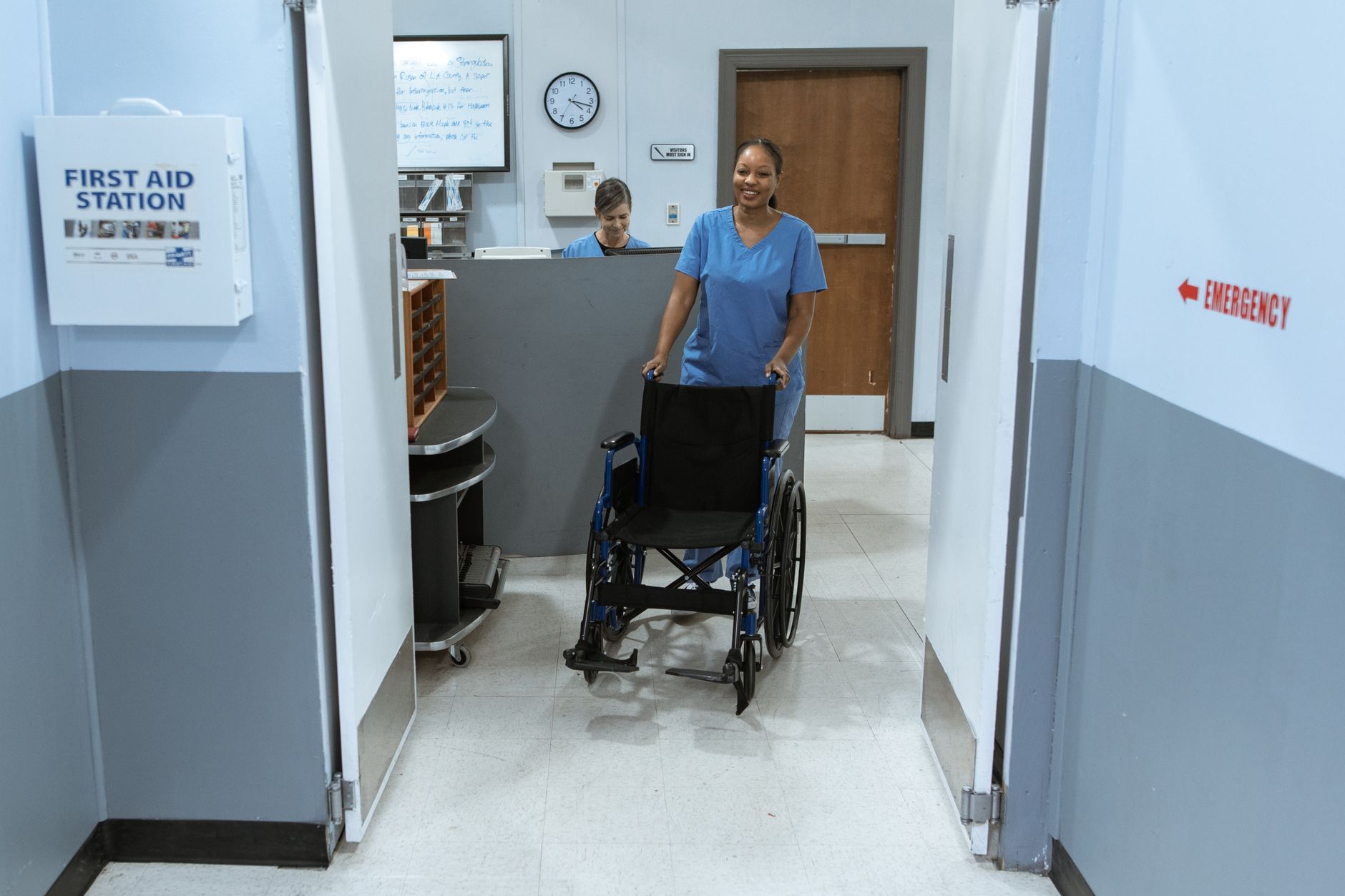
List every cart mount, rebuild room, and elevator bank on one map. Mark where humans must take over.
Align pharmacy, nursing, materials management, and IT on scan points and exception handling before you select hardware.
Run tabletop drills for a code plus replenishment so timing conflicts surface in a conference room, not at 2 a.m.
- Define sealed-cart build standards with pharmacy
- Set hallway handoff zones away from patient doors
- Write elevator hold rules during active codes
- Require scan at pickup and delivery
- Test fire-alarm fleet freeze behavior
- Contract loaner AMR coverage for peak months
How can Service Robot Co. support a hospital AMR pilot?
Service Robot Co. selects vendor-neutral AMRs, maps tug routes with your team, and services fleets nationwide. For crash-cart replenishment we focus on the logistics leg: sealed pickup, logged transit, and trained handoffs.
Month to month AMR rental lets you prove one tower before you expand across a health system. We integrate with your materials triggers where APIs exist and train unit coordinators on pause and exception calls.
The outcome you want is a full cart back on the wall quickly, with paperwork that satisfies pharmacy and a robot that never gets in the way of the next code.