Key takeaways
- AMRs fit repeatable rack routes when the interface, speed profile, and floor are engineered for fragile sheets.
- Sudden stops and sharp turns cause more damage than slow, straight travel with cushioned rack locks.
- Crane and forklift zones need explicit traffic rules so the robot never guesses around an overhead pick.
- OSHA glass incidents often involve shifting racks, not slow indoor carts on mapped paths.
- A vendor-neutral integrator can pilot one tempering-to-assembly loop before you scale the fleet.
Should glass racks ride on AMRs at all?
Yes, when the move is short, frequent, and follows the same aisle every hour. An autonomous mobile robot can shuttle A-frame racks or stillage carts from cutting to tempering, assembly, and inspection if the plant already struggles with forklift traffic in tight bays.
The goal is not to replace every overhead crane or vacuum lifter. It is to stop asking two people to walk a wobbly rack past active lines because the forklift is tied up on the dock.
If your breakage spikes come from manual rushing, a mapped AMR with gentle acceleration may cut touches without adding a new hazard. If breakage comes from bad racking or uneven floors, fix those first. The robot will not forgive a cracked aisle joint.
What makes a rack interface safe on a mobile base?
The coupling is the whole game. Pin locators, perimeter fences, and weighted bases beat a loose cart hitch that can yaw on a 2 percent ramp.
Use mechanical positive lock before the AMR moves. A light curtain or load cell can confirm the rack seated, but the lock is what keeps inertia from sliding glass forward when the drive wheels spin up.
Match rack footprint to the top module. Overhang past the wheelbase turns every expansion joint into a torsional twist on the sheets.
- Document rack weight and center of gravity for each product family
- Ban mixed racks on one trip unless separators are spec'd
- Paint floor alignment marks at every load station
- Test worst-case sheet size, not average size, on day one
How should stopping behavior be tuned?
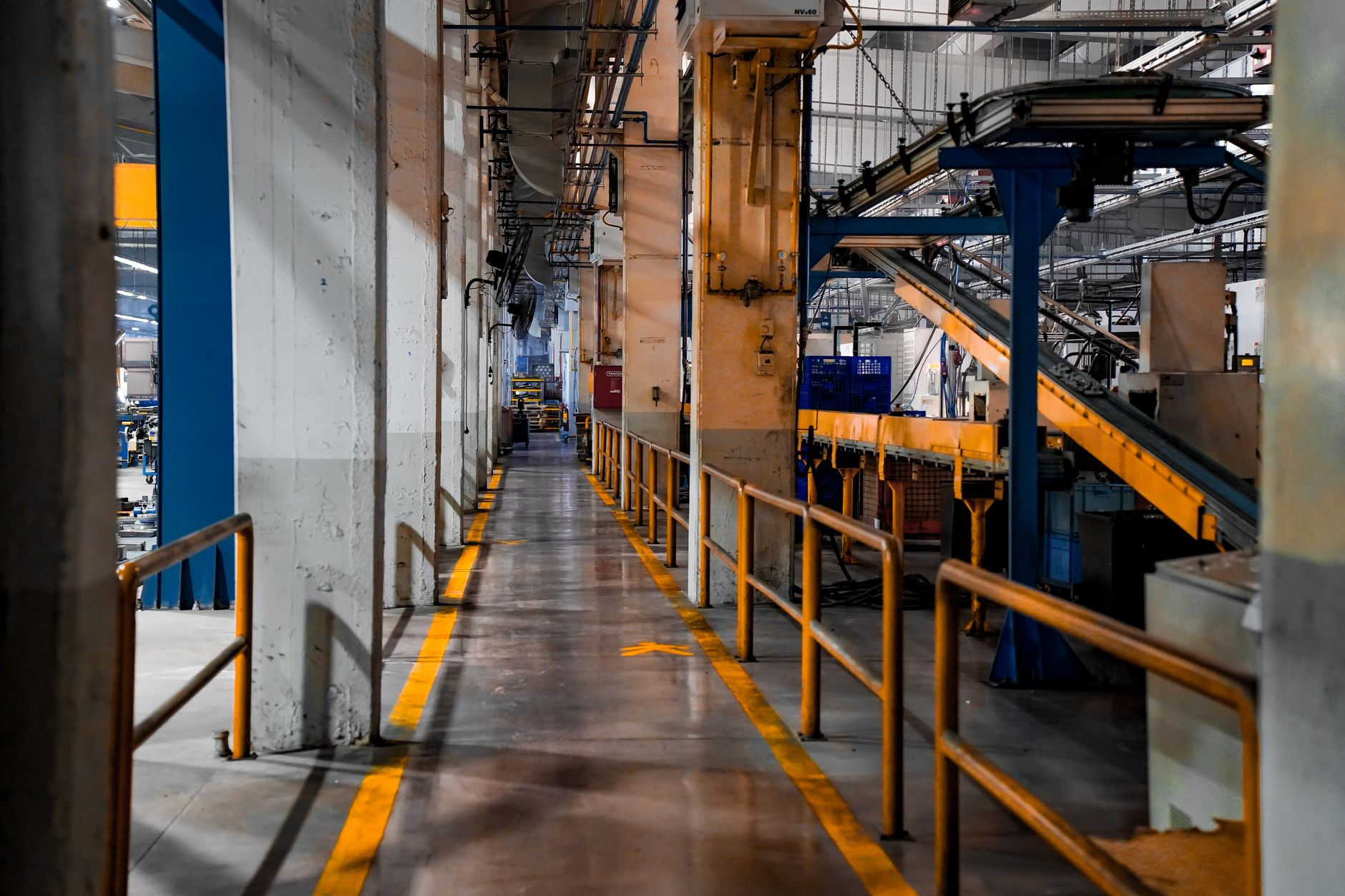
Glass hates jerk. Program longer decel distances than you would for totes of hardware, and keep creep speed under a half meter per second inside tempering queues.
Enable obstacle stops that freeze linear motion before a sharp swivel. Spinning in place with a tall rack is how side lite sheets kiss the aisle guard.
Require a human acknowledgment at blind corners until traffic data proves the route stays clear at shift change.
What aisle and floor conditions must pass first?
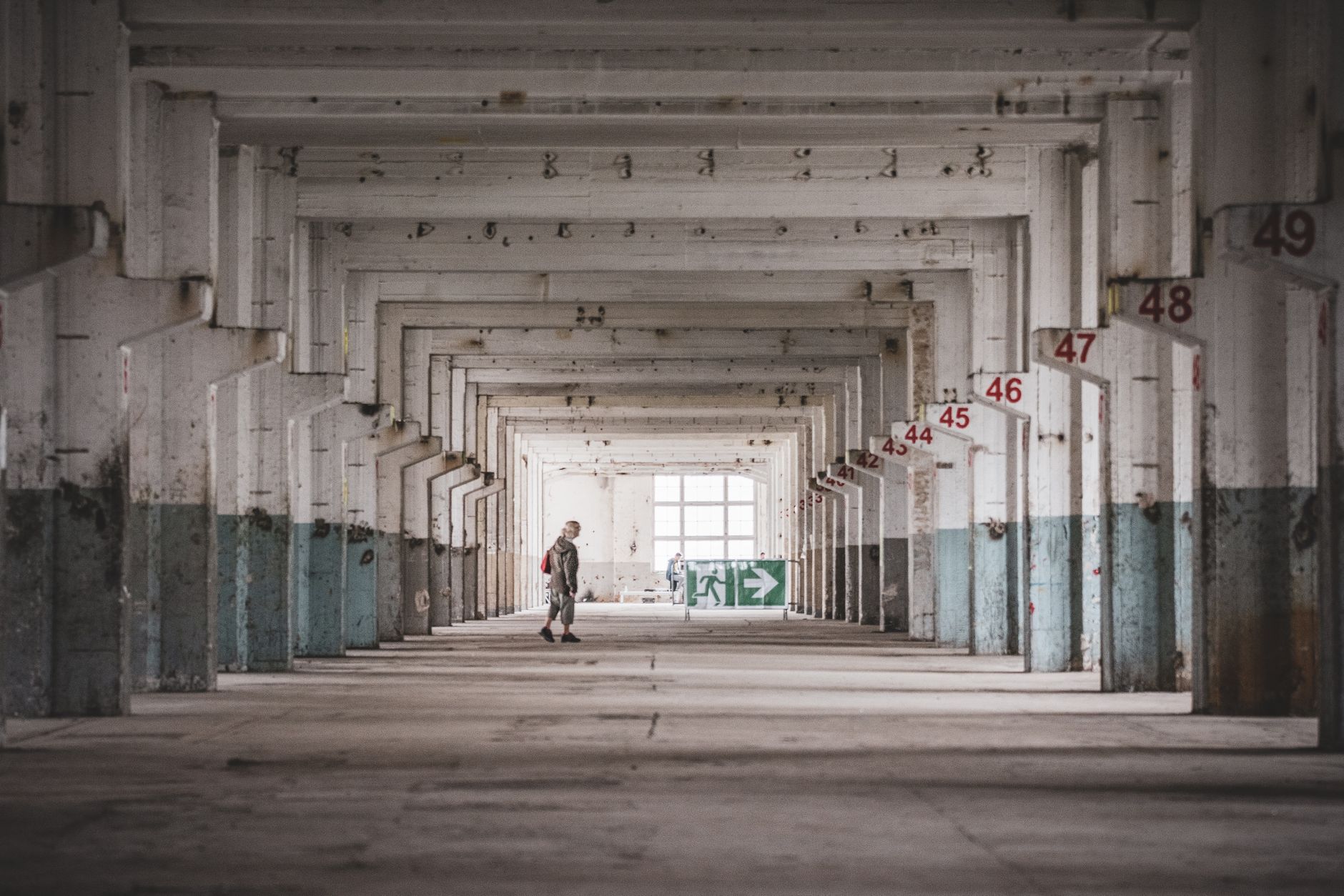
Flatness matters more than shine. A quarter-inch lip at a floor cut can telegraph into rack sway at chest height.
Keep travel paths free of grit and coolant drips. AMR wheels track debris into clean assembly zones if you share routes with metal saws.
Mark crane hook zones on the map as slow or no-go segments so the robot never stops directly under a live hoist.
How do AMRs coordinate with cranes and forklifts?
Treat the AMR as predictable floor traffic, not invisible traffic. Overhead cranes own the vertical cube; forklifts own wide dock slots; the AMR owns the marked lane between cells.
Use traffic lights or PLC interlocks at shared intersections. A crane bay should not start a traverse while an AMR is inside the floor box.
OSHA accident summaries from 2024 describe fatal crush events when glass crates shifted during manual unloading, including cases where panels fell as workers adjusted leaning stacks. Those events underline why stable, restrained rack moves beat improvised hand tilting, even before you add automation.
Where do human handlers still belong?
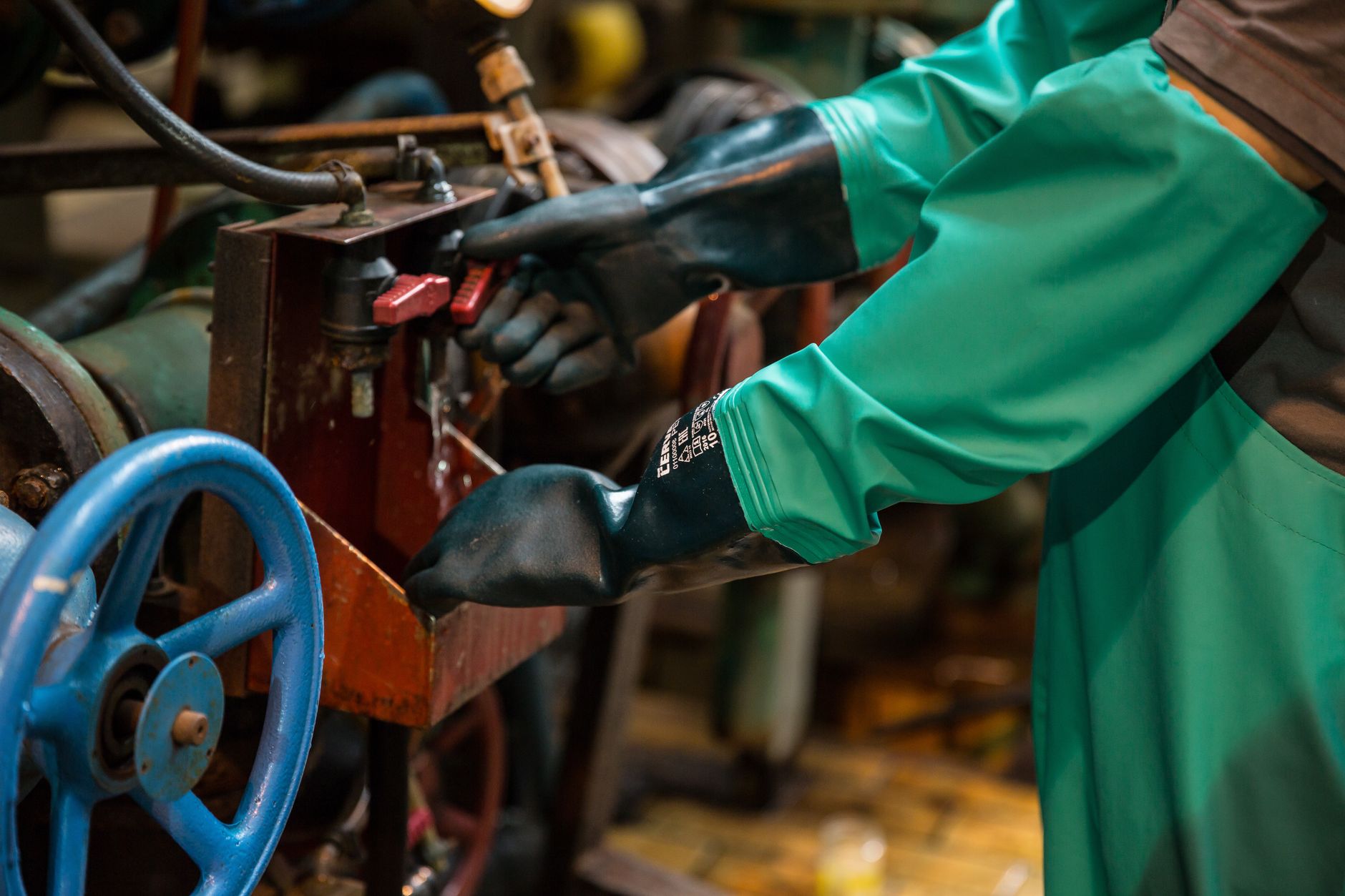
People load and unload at the rack face with vacuum assists or bar lifts. The AMR only handles the horizontal leg.
ASTM E2875 guidance for flat glass stresses proper PPE when engineering controls cannot remove the hazard. Keep that PPE rule at load stations even if the middle of the route is automated.
Train handlers to never ride or walk within the swing radius of a moving base. The robot should horn and flash, but culture still wins.
What does a sensible pilot look like?
Pick one tempering exit to assembly inspection loop with under twenty moves per shift. Measure breakage rate, scratch claims, and minutes saved for four weeks.
Run parallel manual moves the first two weeks and compare exception logs: emergency stops, load rejections, near contacts.
Service Robot Co. can supply a vendor-neutral site assessment, month-to-month AMR rental, mapping, rack interface design review, and nationwide service engineers if a drive unit needs swap during peak production.
What should buyers ask integrators?
Ask for decel profiles on video with your heaviest rack loaded.
Ask how software logs rack ID, operator ID, and timestamp at each handoff for quality traceability.
Ask what happens when Wi-Fi drops mid-aisle: hold, finish segment, or safe stop with alert.
Ask for spare top modules and loaner bases during your busy season so a single fault does not push racks back to manual rush mode.