Key takeaways
- AMR rental fits IV pump loops when clean, soiled, and unit PAR stations are mapped as distinct infection-control zones.
- Asset tags and fleet software must update at every handoff, not only when biomedical engineering scans a cart.
- Elevator priority rules and urgent STAT jobs need a human override path nurses trust.
- Johns Hopkins data show hospital-wide balancing can raise safe inventory across dozens of care areas.
- Service Robot Co. can pilot one tower loop before you tie AMR moves to your CMMS work orders.
When do AMRs make sense for IV pump circulation?
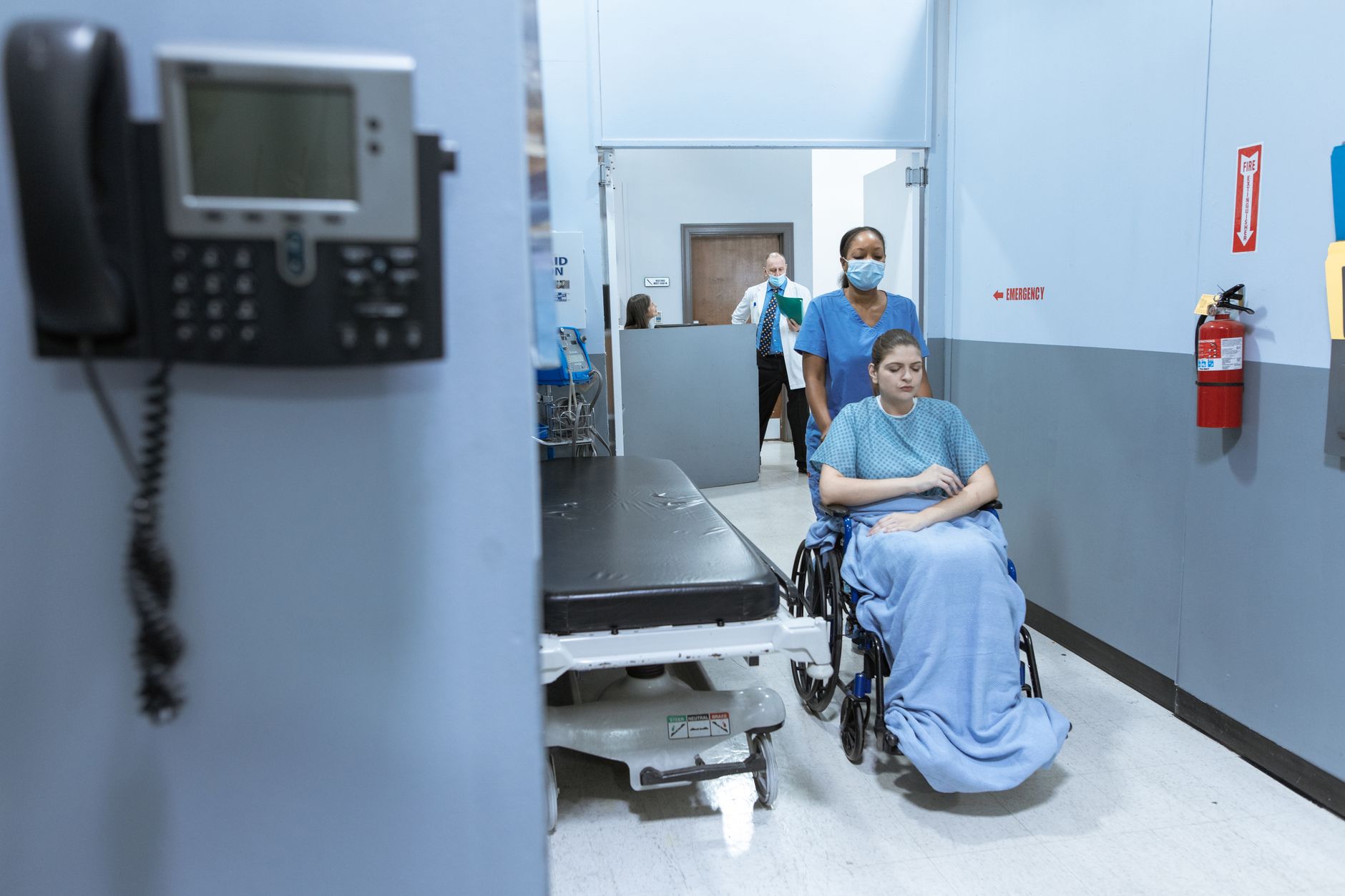
Autonomous mobile robots earn their place on the boring miles: soiled pump returns from nursing units to central reprocessing, then clean redistribution back to PAR closets before the next shift change. They do not replace biomedical engineering testing, battery checks, or preventive maintenance. They cut the walking that pulls techs and transporters off higher-skill work.
The job fits when pumps move on a predictable schedule and when you can see every device in your asset system. If units still hoard modules in utility rooms because nobody trusts replenishment, fix the PAR logic before you automate the cart push.
A retrospective analysis at Johns Hopkins Hospital tracked thousands of pumps moving across hundreds of care areas and found that inventory in one unit could be tied to levels in connected units across the hospital. Their hospital-wide balancing approach was associated with a 44 percent increase in care areas holding above safe inventory levels. That is the outcome AMR loops should support, not just fewer steps for transporters.
How should handoff stations be laid out?
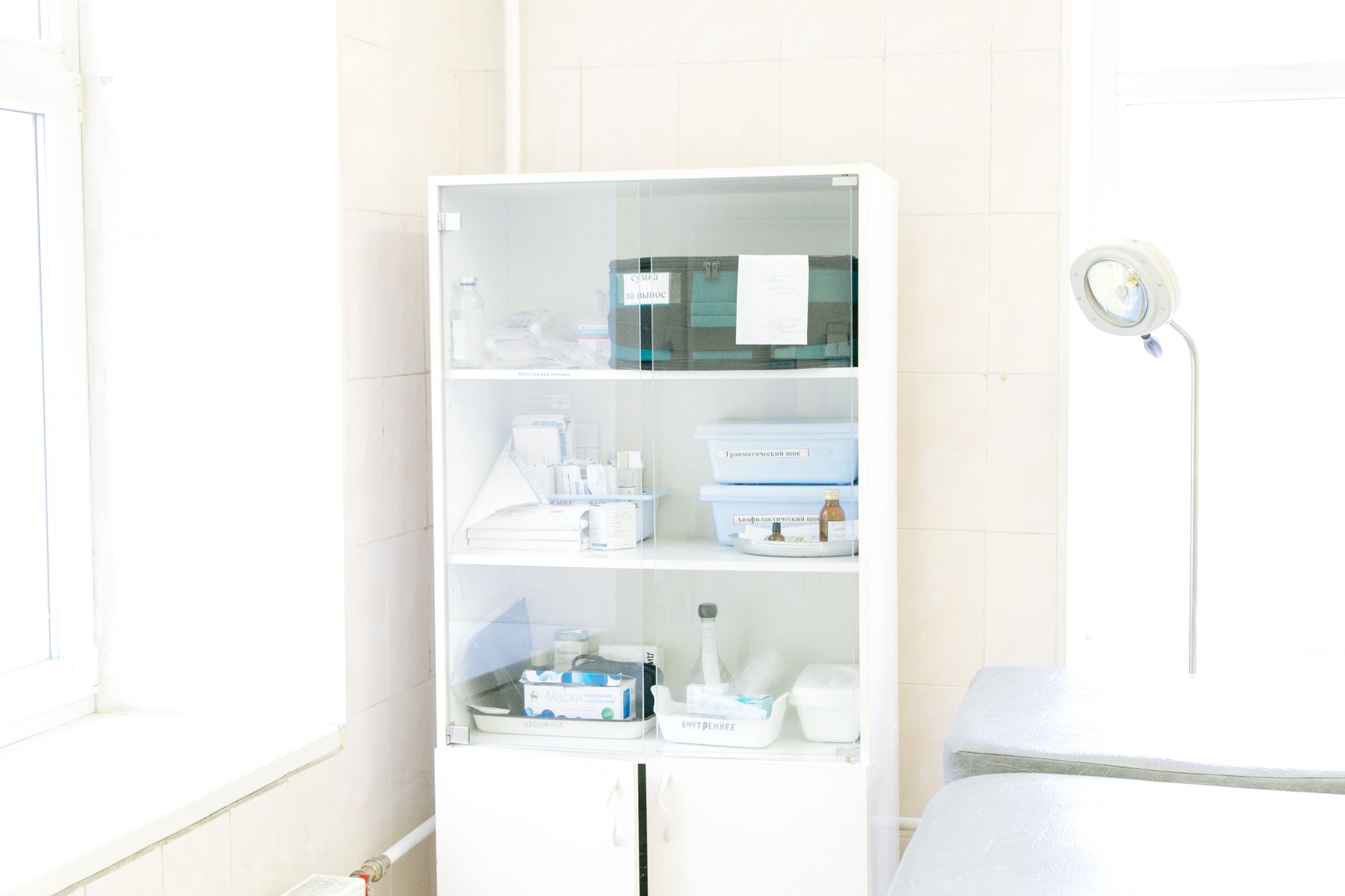
Design three physical zones: soiled intake, clean staging, and unit PAR delivery. AMRs should never cross from soiled to clean without an intervening reprocessing step your infection prevention team signs off on.
Handoff stations need bench height, power for scanners, and space for two carts so a robot can swap without blocking the corridor. Mount barcode or RFID readers at fixed height so techs scan the same way every time.
Nursing drops soiled pumps into a locked soiled cart the robot tugs away. Clean pumps leave biomedical engineering on a separate cart with a seal or tag broken only at the unit PAR shelf. Document who broke the seal in the asset record.
- Soiled cart stays in the dirty zone only
- Clean cart loads only after biomed release scan
- Unit PAR shelf scan closes the loop
- Exception shelf for pumps awaiting repair
- Charge docks placed outside patient rooms
What infection-control boundaries must AMRs respect?
Treat pump modules like any other multi-use device that touches patient care zones. Wheels and cart handles need wipe-down protocols between soiled and clean missions. Some sites run dedicated AMRs for soiled loops and different units for clean distribution only.
Routes should avoid crossing sterile cores unless infection prevention approves a sealed cart procedure. Pause missions during outbreak isolation expansions the same way you pause linen carts.
Document detergent contact times on cart wipes the same way you document bed cleaning. Environmental services and biomedical engineering should co-own the SOP, not delegate it to the robotics vendor.
How do elevator priority and traffic interact?
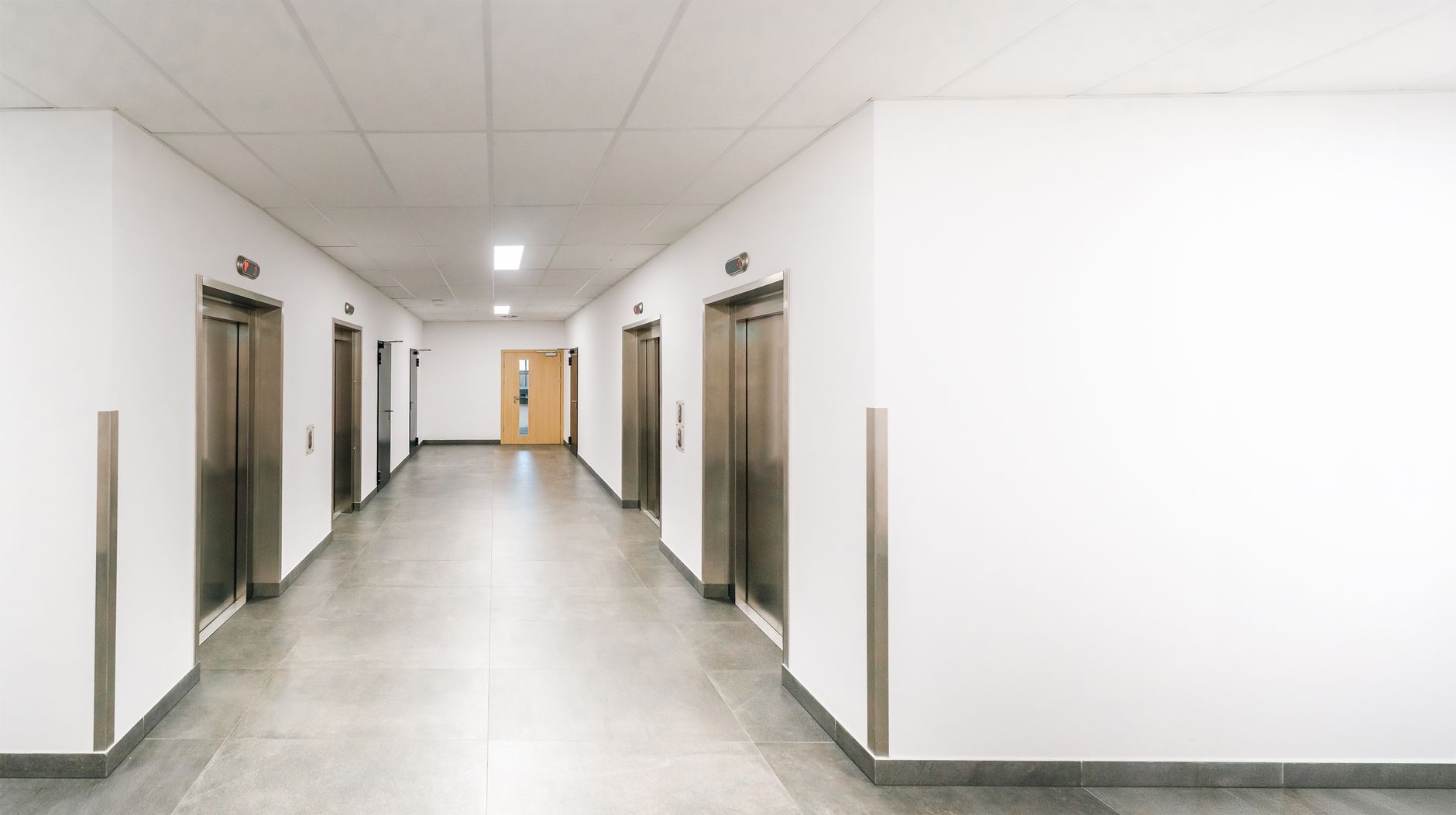
Pump redistribution often runs between basement reprocessing and upper floors at the same hour meal carts and linen share service elevators. Program off-peak windows for bulk AMR moves and reserve a freight or service car if passenger banks are patient-heavy.
Integrate with elevator dispatch so robots do not hold doors during code drills. Map fire modes so units park on reprocessing floors instead of trapping between levels.
STAT pump requests should preempt scheduled loops but still respect infection zones. A nurse call or CMMS urgent flag should reroute the nearest clean cart, not spawn a second robot racing the first.
How should asset tracking stay visible?
Every robot mission should write pump serial numbers, mission ID, and timestamp into the same asset database biomedical engineering uses for work orders. RTLS tags on pumps plus AMR mission logs beat either system alone.
Published fleet management work in British Columbia described more than 18,000 infusion pumps maintained across a regional biomedical program, illustrating how large shared fleets blur unit boundaries. Your AMR software should know which hospital in a system owns a module after inter-facility transfers.
Show nurses a simple dashboard: PAR level, pumps in transit, pumps soiled awaiting pickup. Hide robot telemetry they do not need. Biomed needs repair queue and PM due dates on the same screen.

How do urgent requests get handled?
Define STAT as a clinical rule, not a button anyone can mash. Typical triggers include empty PAR after a surge admission or a pump module failed mid-infusion and the spare closet is bare.
When STAT fires, pause non-urgent loops, dispatch the nearest clean cart AMR, and notify the unit charge nurse with ETA. If ETA misses your written threshold, escalate to human transport automatically.
Log every STAT event for monthly review with nursing and biomed. Repeated STAT calls from the same unit usually mean PAR levels are wrong, not that you need more robots.
How does this tie into biomedical engineering workflows?
CMMS work orders should open when a robot delivers pumps to biomed soiled intake, not when someone remembers to call. Closing the work order should release clean pumps to the outbound AMR queue.
Preventive maintenance due dates must hard-stop clean distribution. An AMR should not deliver a module flagged for calibration to a med-surg PAR shelf.
Service Robot Co. can map the loop, connect APIs where your CMMS allows, and keep AMR rental on a pilot contract until the work-order triggers fire reliably for two billing cycles.
What does a pilot look like?
Start with one hospital tower, one clean and one soiled loop per shift. Measure minutes from soiled pickup to PAR restock and compare against your manual baseline.
Use AMR rental with maintenance included for the first quarter. Expand only when asset records match physical counts during spot audits.
Train nursing on what the robot will not do. It will not enter isolation rooms unescorted, will not open pump modules, and will not override a biomed hold. Clear limits build trust faster than marketing language.