Key takeaways
- Floor-based AMRs fit GOH workflows when routes, rack geometry, and turning envelopes are mapped before the first live move.
- Rated payload and usable payload diverge on long hanger bars; stability rules matter more than the headline kilogram rating.
- Mezzanine lips, elevator thresholds, and slick epoxy turns are where GOH AMR pilots usually fail first.
- WMS tasks should name rack IDs and exception codes, not just generic transport jobs, so night crews can recover quickly.
- A vendor-neutral integrator can match AMR rental or lease programs to phased GOH lanes without locking you into one chassis brand.
Why are AMRs showing up in garment-on-hanger distribution?
Autonomous mobile robots are entering apparel distribution centers because the work still moves on hangers long after cartons took over other categories. Garment-on-hanger, or GOH, keeps dresses, coats, and floor sets out of folds that would need steaming again before they reach a store or a direct-to-consumer pack station. That sounds simple until you watch a peak shift: long racks snaking past QC, steam tunnels, and narrow mezzanine aisles while supervisors chase absent pickers.
The U.S. warehousing and storage sector employed about 1.89 million people in 2025, according to Bureau of Labor Statistics figures compiled by the Federal Reserve Bank of St. Louis. Inside that industry, stock clerks and hand material movers each number in the hundreds of thousands of jobs. Apparel GOH lanes compete for the same labor pool as general merchandise, and seasonal spikes hit faster than hiring cycles.
Mobile robots do not replace overhead rail when that rail already works. They earn their keep on the gaps: receiving to steam, QC holds to storage aisles, and staging to outbound doors where a fixed conveyor never reached. The right question is not whether AMRs belong in fashion logistics, but which hanger moves are repetitive enough, gentle enough, and measurable enough to automate first.
What does a typical GOH AMR route look like?
A practical pilot usually strings together five zones: inbound hanging trolleys, a steam or finishing buffer, QC tables, reserve storage, and outbound sort lanes. The robot either mates to a standardized dolly, captures a tow bar on a rolling rack, or slides under a base frame designed for AMR pickup. Each handshake needs a taught pose, a verified latch, and a release cue tied to the warehouse management system.
Tasks should read like operations language, not robotics jargon. Example: move rack 44218 from steam-out lane 3 to QC cell B, hold for scan, then release to aisle 14 slot 6. When the WMS owns rack identity, you can trace a wrinkled gown back to the last motion segment instead of guessing which driver cut a corner.
Throughput wins come from batching compatible moves. Three short racks heading to the same outbound wave can queue behind one convoy if turning radii allow. Mixed lengths need separation, because a twelve-foot bar behaves like a wide load even when the garments weigh little.
- Receiving: pair inbound vendor trolleys with internal rack IDs before the first AMR pickup.
- Finishing: keep steam-exit buffers large enough for two racks plus a robot waiting point.
- QC: station scans should confirm style-color-size before the robot gets a green light.
- Storage: assign mezzanine slots with documented ceiling height and lip depth.
- Outbound: stage by route or store cluster so loaders see sequence, not random racks.
How do load stability and long-rack turning clearance interact?
Hanger loads are top-heavy in the human sense even when the scale weight is modest. A rack full of wool coats carries a different sway profile than lightweight blouses on the same bar length. AMR fleets need speed caps in turns, especially on polished concrete where casters already drift.
Turning clearance is the silent spec. Measure the outer swing of the longest rack you will tow, then add stopping distance for the robot base. Blind intersections that humans negotiate with eye contact become single-file robot queues unless you add mirrors, floor markings, or traffic rules enforced in software.
Side guides and soft bumpers on rack bases reduce fabric snags. Anti-sway arms or secondary supports matter when you climb gentle ramps. If the robot jerks at start or stop, garments slide along the bar and pick up creases that steaming must fix again.
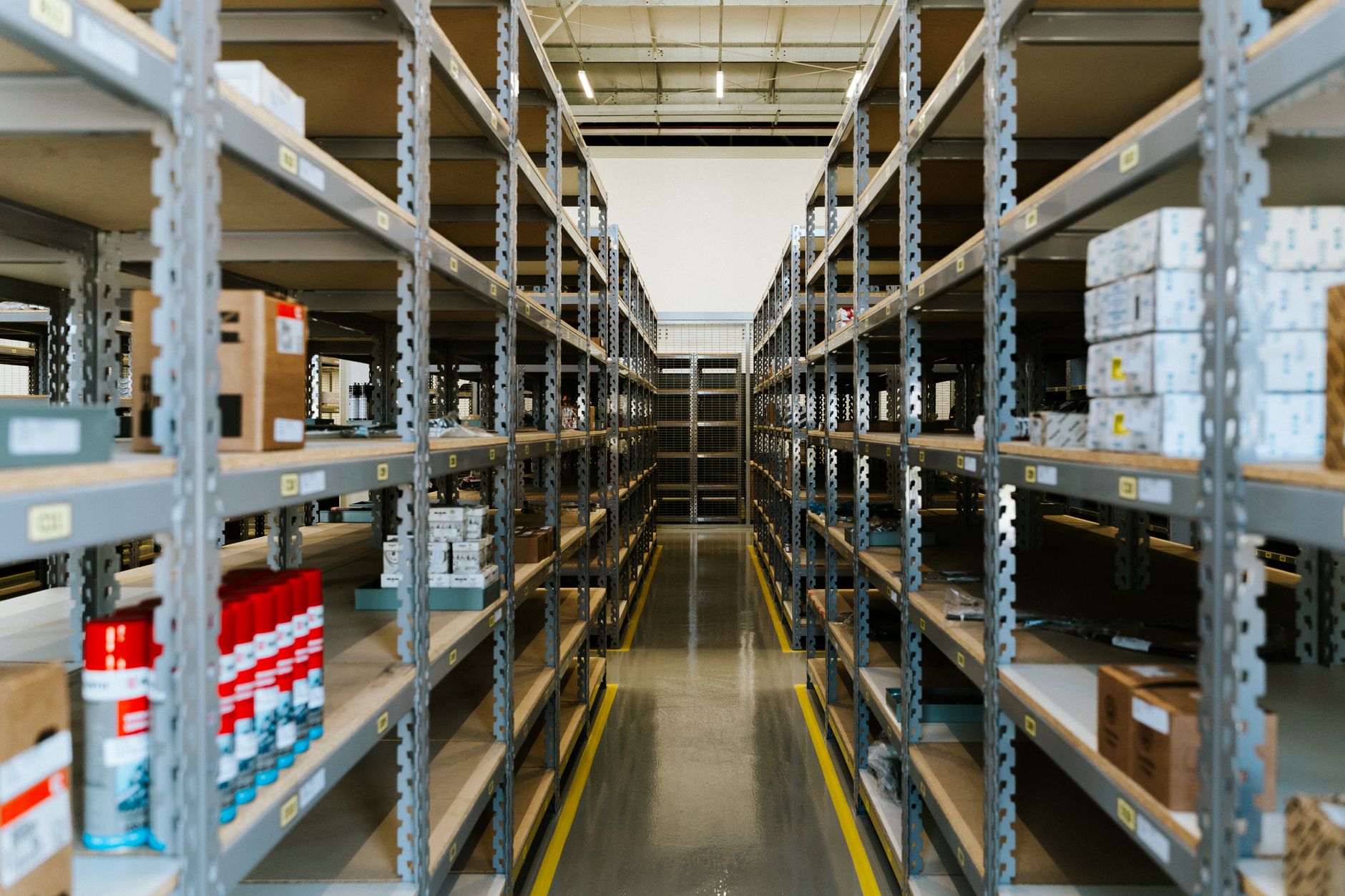
How do you protect garments during automated moves?
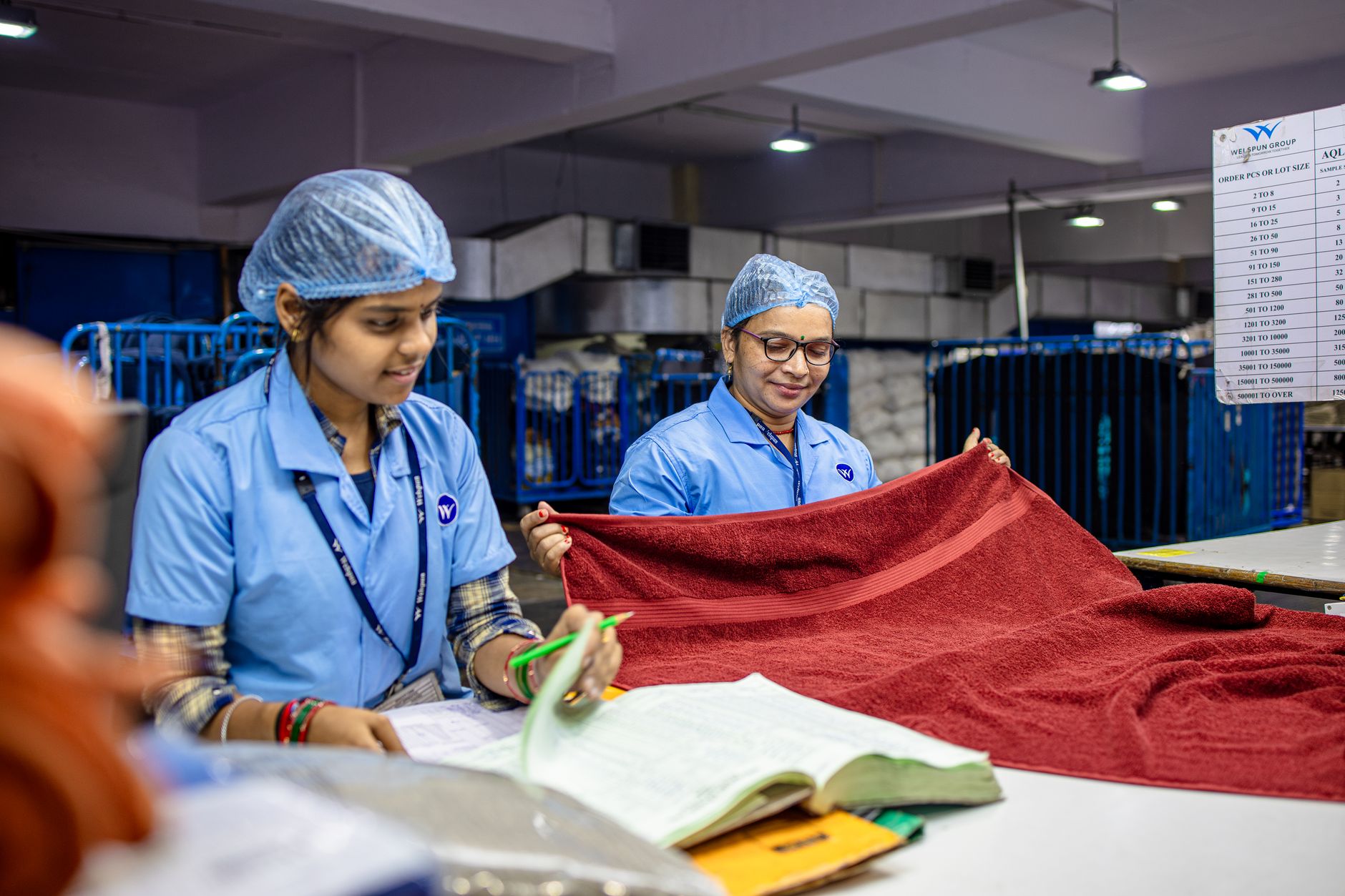
Garment protection starts with hanger quality and bar spacing, not only robot tuning. Mixed vendors on one bar create uneven drape that catches door frames. QC should reject bars with sharp edges or missing end caps before they enter the AMR loop.
Acceleration limits matter as much as top speed. A smooth 0.3 m/s² profile beats a rushed 1.0 m/s² sprint that sets racks oscillating. Night-shift autonomy is only useful if morning QC does not find new floor contact on hems.
Environmental controls still apply. Humid finishing areas can swell wooden hanger shoulders; cold storage aisles stiffen certain fabrics. Document which lanes require reduced speed or human escort so operators do not discover damage at pack-out.
What breaks first on mezzanine and elevator moves?
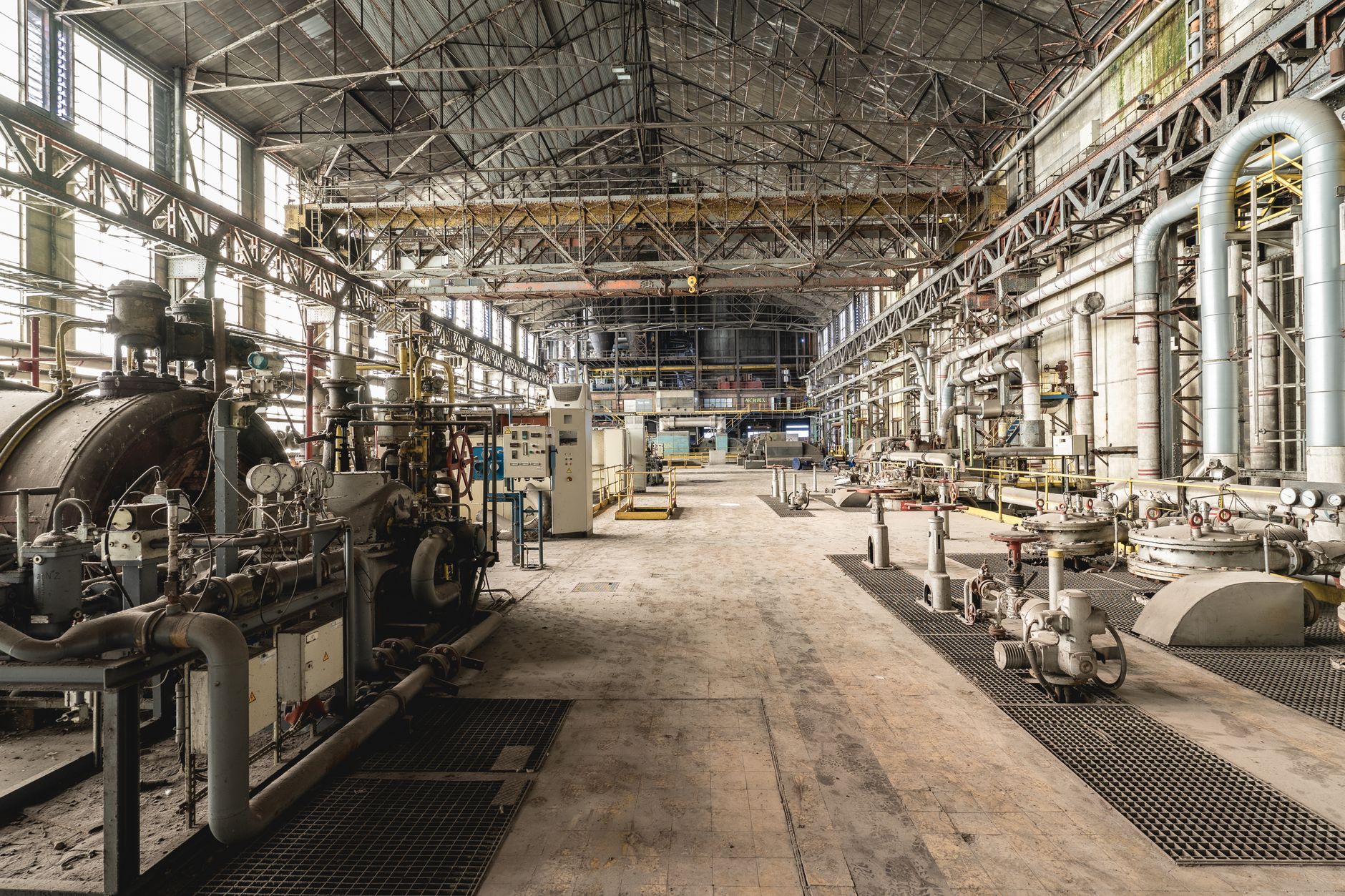
Mezzanine work is where many GOH AMR projects stall. Lip heights, grated flooring, and low railings shrink the usable envelope. Robots that navigate the ground floor fine may refuse ramps once sensors see open edges or reflective guardrails.
Elevators demand a written protocol: who calls the car, how the robot centers on the deck, and what happens if the door cycles mid-task. Fashion DCs often share elevators with people carrying on hangers; peak human traffic can starve robot missions unless you schedule autonomous windows.
Map updates must include temporary obstructions. A single pallet of boxes left in a mezzanine turn lane can block a convoy until someone clears it and rescans the area. Labor reporting from fashion fulfillment sites notes that ladder work and tight aisles already stress pickers; adding robots without widening choke points trades one bottleneck for another.
How should WMS and host systems talk to the AMR fleet?
Integration is less about exotic APIs and more about consistent task states. The host should emit create, in-progress, complete, and exception events that match what night supervisors already use on clipboards. If your WMS cannot represent a hanging rack as a movable unit, fix that data model before you buy hardware.
Barcode or RFID scans at zone boundaries close the loop. A missing scan should pause the robot rather than guess. Exception codes need plain labels: rack overweight, path blocked, latch failed, QC hold. Those codes feed dashboards and later root-cause reviews.
Labor forecasting research on apparel distribution centers highlights volatile SKU mixes and short delivery windows. Robots amplify planning discipline: when schedules slip, AMR queues grow visibly instead of hiding in walking time.
What labor and staffing context should buyers expect?
Staffing pressure is not abstract. A 2024 warehouse labor survey cited by SupplyChainBrain found that 43 percent of companies with warehouse and distribution facilities had lost revenue because of staffing shortages, down from 66 percent in 2023 but still large enough to shape capital plans.
GOH moves are walking-intensive. Towing a rack by hand looks light until you multiply twelve trips per hour across a 400,000-square-foot building. AMRs recover minutes per move, which matters most on cut-off days when e-commerce waves collide with store replenishment.
Unions and worker advocates in fashion fulfillment have highlighted unsafe ladder use and heavy hourly targets in hanging-goods buildings. Automation should remove the worst walks, not merely speed up the same strained paths. Pair robot lanes with wider aisles where possible.
Where does a full-service integrator fit the GOH AMR decision?
Service Robot Co. approaches GOH AMR work as a lifecycle problem: site survey, rack standards, fleet sizing, WMS hooks, operator training, and nationwide dispatch when a latch fails on a Sunday night. OEM-neutral selection matters because no single chassis handles every mezzanine lip and every dolly hook the apparel world invented in the 1990s.
Financing shape often decides whether a pilot happens at all. Commercial robot rental and robot leasing for business models, including month-to-month structures with maintenance included, let operators prove one corridor before they re-slot an entire floor. That matches how apparel seasons spike: fund the robots when GOH volume justifies them, not only when capex calendars align.
Pilot success criteria should be written in operations metrics: fewer steamer reworks per hundred racks, cut-off adherence, and recorded exceptions per thousand moves. When those numbers hold for four to six weeks, expand lanes. When they do not, adjust routes before you add robots.
How do you phase a GOH AMR rollout without shutting down fulfillment?
Start with a closed loop that has one inbound and one outbound door, shared staff, and a backup manual path. Run shadow missions where the robot follows the route unloaded while pickers keep working. Promote to loaded moves only after latch tests on your longest and shortest racks.
Train floor leads on exception recovery: how to release a tow manually, how to mark a zone dirty in the map, and when to call remote support. Night autonomy fails gracefully when a human can reset the mission in under three minutes.
Document seasonal layout changes before Black Friday or spring collection drops. Apparel footprints reshuffle fixtures faster than grocery; robot maps that lag reality become fiction by week two.
Frequently asked questions
Sources
- U.S. Bureau of Labor Statistics, Warehousing and Storage (NAICS 493)
- FRED, Employment in Warehousing and Storage
- SupplyChainBrain, Warehouse Worker Shortage survey coverage
- MDPI Logistics, Apparel distribution center operations review
- Labor Notes, Fashion warehouse worker conditions
- BLS CES, Warehousing and storage employment series