Key takeaways
- In tower hotels, the best first robot job is often the linen and amenities loop, not a guest-facing task.
- Housekeeping shortages are still real, and long internal walks consume labor that should be spent turning rooms.
- A good fit depends less on hype and more on elevator access, cart handoff points, and disciplined route design.
- The right program keeps humans on room-ready work while AMRs handle repetitive transport between laundry, storage, and floor closets.
Why start with the linen loop instead of a guest-facing robot?
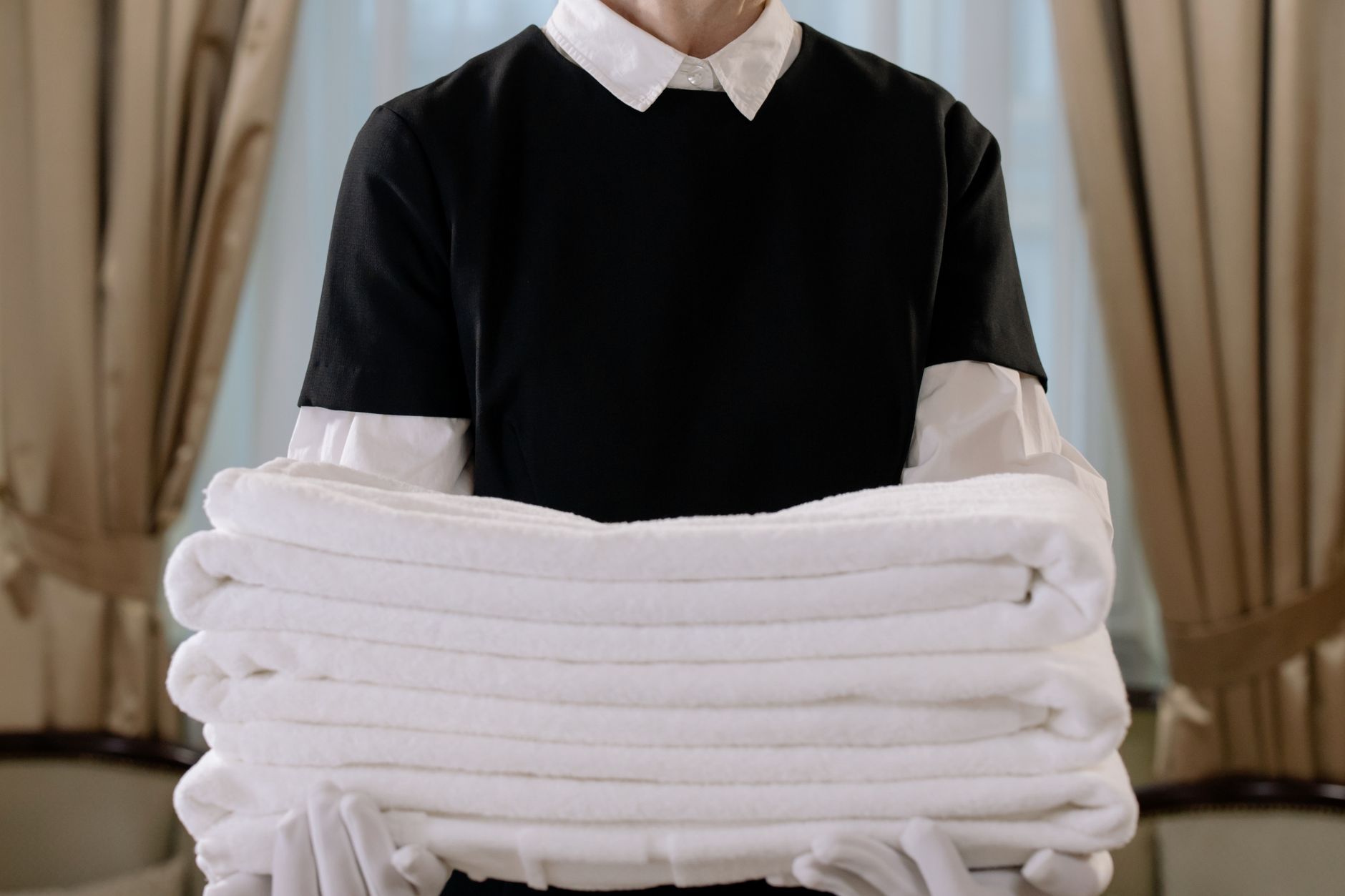
For many high-rise hotels, the sharpest AMR use case is not room service, lobby theater, or an amenity run to a guest door. It is the quiet back-of-house loop that eats minutes all day: towels from laundry, sheets from storage, refill stock to guest-floor closets, and empty carts back down for the next cycle.
That work is repetitive transport automation in its plainest form. It is frequent, predictable, and physically annoying. In a tower property, the distance penalty is brutal because every trip stacks corridor time, service elevator waits, door holds, and cart maneuvering into one unbroken tax on room turns.
This matters because staffing pressure has not gone away. On February 20, 2025, the American Hotel and Lodging Association reported that 65 percent of surveyed hotels still faced staffing shortages, 71 percent had open jobs they could not fill, and housekeeping was the most-cited shortage at 38 percent. When labor is tight, the long walk is the first waste to attack.
Where does the manual process actually lose time?
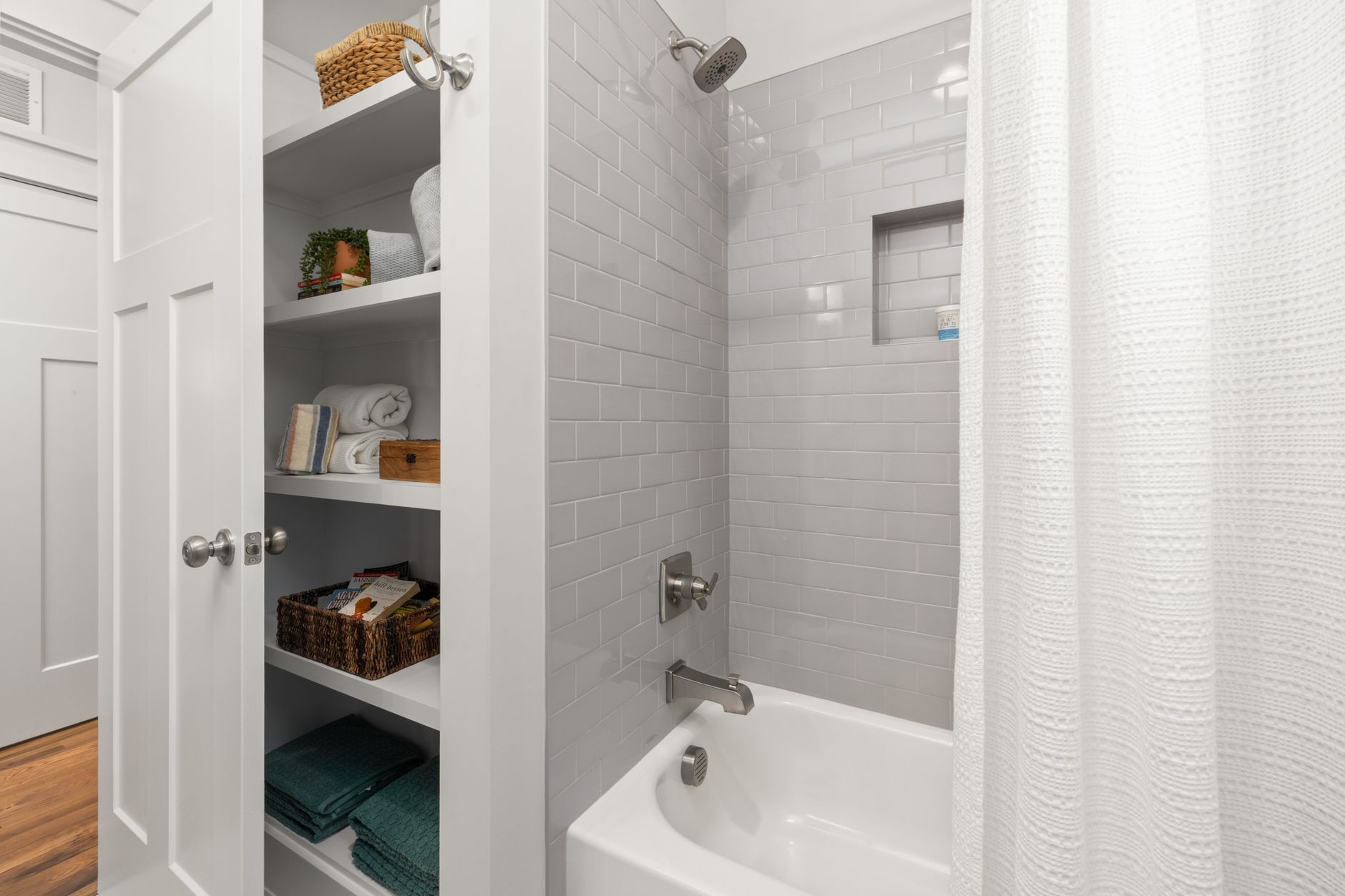
A tower hotel rarely loses housekeeping time in one dramatic bottleneck. It leaks time in dozens of small travel segments. A room attendant runs short on bath towels, a supervisor finds a closet half-stocked at 2 p.m., a houseperson heads back to laundry for fitted sheets, and another trip follows because amenities were loaded separately.
None of those trips is hard to understand. Together they slow the board. Floors wait on replenishment before attendants can close rooms. Supervisors spend time chasing stock instead of inspecting rooms. Laundry and storage teams batch loosely because demand arrives in interruptions rather than in a scheduled pull pattern.
The point of an AMR is not to replace the room attendant. It is to take ownership of the miles between support spaces so attendants, housepersons, and supervisors stay closer to the rooms that produce revenue.
What current labor and safety data say about this job
The labor pool behind this work is large and still under pressure. According to the U.S. Bureau of Labor Statistics, traveler accommodation employed 397,640 maids and housekeeping cleaners in May 2023, making it the largest single industry for that occupation. In the broader accommodation sector, BLS lists the 2025 mean wage for maids and housekeeping cleaners at $17.62 per hour and the mean wage for first-line housekeeping supervisors at $23.55 per hour.
The work is also physically dense. BLS reported that in 2025, maids and housekeeping cleaners spent 95.2 percent of the workday standing, 98.6 percent had to reach at or below the shoulder, more than 95 percent worked in low postures, and 36.1 percent had to climb ramps or stairs. Those numbers do not prove that every hotel should automate, but they do explain why repetitive hauling work is such a poor use of scarce labor.
Injury data adds another layer. BLS recorded 54,000 nonfatal workplace injuries and illnesses in traveler accommodation in 2024, including 43,800 in hotels except casino hotels and motels. That figure covers more than housekeeping, so it should not be read as a housekeeping-only count, but it is a real signal that hotel work remains physically demanding.
Which supply-run tasks belong to the AMR, and which stay with people?
The AMR should own the transport leg, not the judgment leg. Good candidates are clean linen runs from laundry or central storage to floor closets, amenity replenishment from stockrooms to set drop points, pickup of empties or depleted bins, and scheduled cart support between a basement service area and guest floors.
Humans should keep the tasks that require inspection, exceptions, and guest-sensitivity. That includes room cleaning, deciding what each floor needs during an occupancy spike, resolving soiled-linen anomalies, and handling corridor conditions that would be unsafe or inappropriate for autonomous travel.
In practice, the cleanest design is a fixed route network with handoff stations. Laundry loads a labeled payload. The robot handles the multi floor delivery robot leg through service corridors and elevators. Floor teams unload at closets or staging alcoves, then send the unit back with empties, depleted bins, or the next request.
- Best AMR jobs: clean towels, sheets, pillowcases, amenity cases, paper goods, and empty-cart returns
- Keep with people: room inspection, room cleaning, guest interaction, exception handling, and contamination decisions
- Best cadence: scheduled replenishment waves with on-demand top-ups during peak turn hours
What makes a tower hotel a good fit?
The fit is mostly operational, not theatrical. The building needs reliable back-of-house pathways, consistent elevator access rules, predictable door behavior, and floor closets or service alcoves that can function as clean handoff points. If those pieces are messy, the robot will inherit the mess.
OSHA's ergonomics guidance is useful here even though it is not robotics guidance. OSHA warns that housekeeping staff face strain from pushing and pulling heavy carts and specifically recommends large, low-resistance wheels that can roll over mixed flooring and gaps between elevators and hallways. Its laundry guidance makes the same point for linen transport. In other words, the exact pain points that make manual cart work inefficient are often the same ones that make an AMR worthwhile.
A weak fit looks different. If the service elevator is constantly commandeered for banquet traffic, if floor closets are too small for structured drop zones, or if replenishment is so ad hoc that nobody can define a standard load, fix the operating model first. Automation should tighten a process, not guess what the process is.

How should a hotel measure success on this loop?
Start with room-turn support, not novelty. The core question is simple: after go-live, did housekeeping spend more labor inside room-ready work and less labor in transit? If the answer is vague, the pilot was scoped badly.
The most useful measures are operational and narrow. Track the number of replenishment trips removed from attendants and housepersons, average replenishment response time by floor, closet stockout frequency during peak turn windows, elevator trip completion reliability, and supervisor time recovered from chasing supplies.
This is also where commercial terms matter. Many operators prefer an autonomous mobile robot rental or robot as a service model because they want monthly payment programs, maintenance included, and a path to expand only after the route proves itself. For a first deployment in a live hotel, preserving flexibility is often more valuable than forcing an ownership decision on day one.
- Minutes of staff walking removed per shift
- Floor closet stockout incidents
- Average time from request to delivered replenishment
- Completed trips per day and per elevator bank
- Rooms delayed for supply reasons
How deployment works without disrupting room turns
The right rollout is deliberately boring. Map the back-of-house path, define payload limits, lock in elevator behavior, set handoff etiquette, and pilot on a narrow slice of the building before expanding. A tower hotel does not need a grand reveal. It needs repeatable traffic rules.
That is one reason many operators prefer a vendor neutral robot integrator rather than buying a unit and hoping the rest sorts itself out. Service Robot Co. can assess the route, choose the right platform across manufacturers, handle robot deployment and integration, arrange financing, train the operating teams, and service the fleet through a nationwide U.S. engineer network. One partner, one number, and one lifecycle owner is especially useful when the robot has to coexist with elevators, housekeeping rhythms, and live occupancy.
For hotels that want a lower-risk entry, a commercial robot demo or pilot phase is usually the right move. The question is not whether the machine can drive a corridor. The question is whether the property can make the linen loop disciplined enough for the machine to carry real operating weight.
When the business case is strong, and when it is not
The case strengthens when a property is tall, labor is tight, replenishment trips are frequent, and room turns are sensitive to closet stockouts. It also strengthens when housekeeping supervisors are spending skilled time as dispatchers for towels and sheets instead of managing quality.
The case weakens in low-rise hotels with short travel paths, tiny housekeeping teams, or chaotic storage practices. It also weakens when the hotel expects one robot to absorb every odd job in the building. AMRs do best with defined payloads, defined routes, and defined handoffs.
For many tower hotels, that makes housekeeping supply runs the sensible first step. It is not flashy. It is operational. And that is the point. The fastest path to value is often the job nobody sees, but everybody feels when rooms are not ready on time.