Key takeaways
- Manual inventory counts are a major operational cost, with average U.S. retailers achieving only 65% inventory accuracy.
- AMRs equipped with RFID and computer vision can perform autonomous cycle counts overnight, without interrupting store operations.
- Automating inventory counting can increase accuracy to over 99%, significantly reducing stockouts and overstock situations.
- The data collected by AMRs provides real-time visibility into stock levels, improving demand forecasting and order fulfillment.
- A full-service robotics integrator handles deployment, service, and support, offering a single point of contact for the entire lifecycle.
The High Cost of 'Close Enough' in Retail Inventory
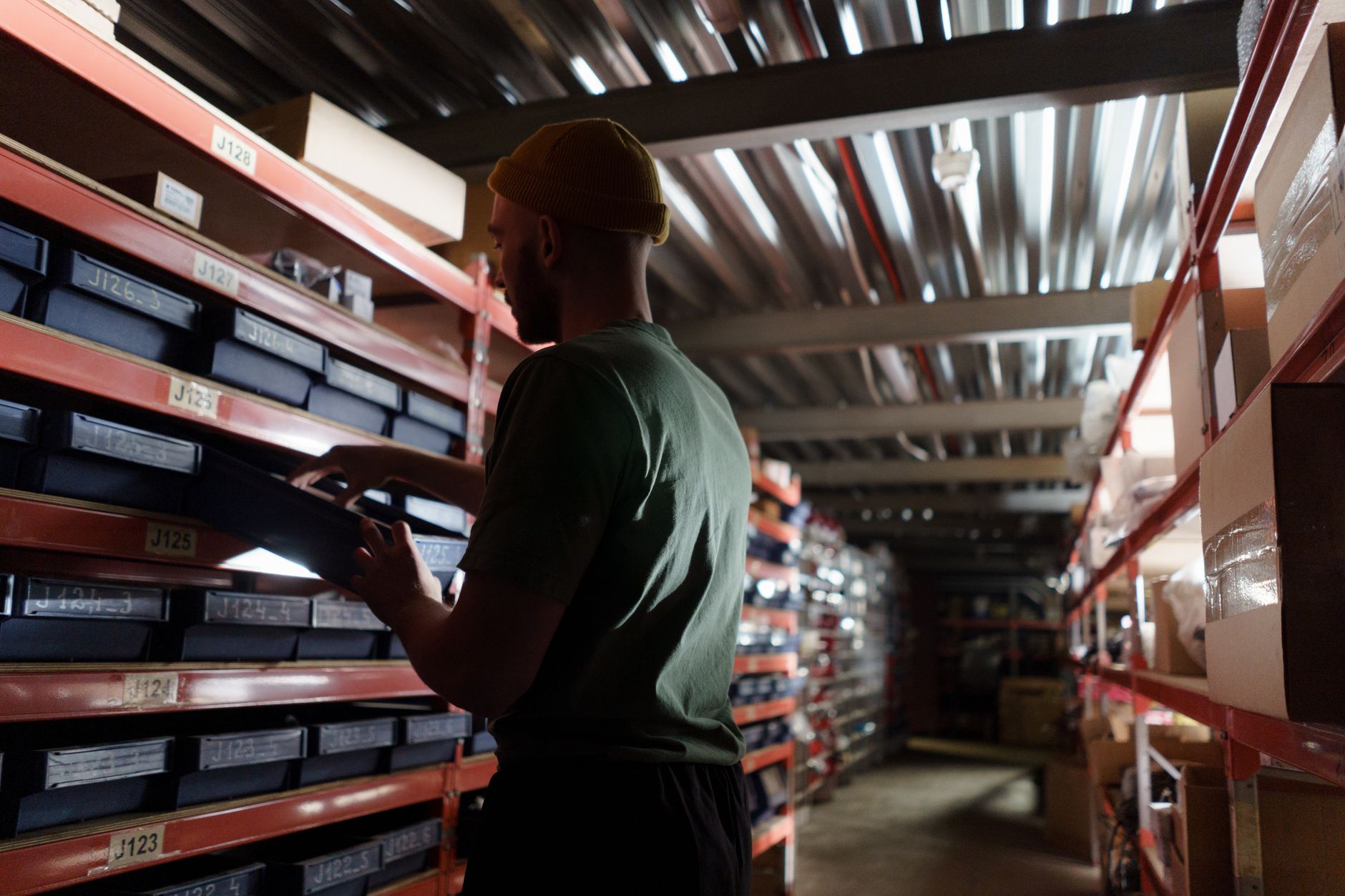
For retail managers, the quarterly or even monthly inventory count is a familiar pain point. Operations grind to a halt, staff are pulled from customer-facing roles, and the entire team spends hours on the tedious, error-prone task of manual counting. This process is not just an operational drain; it is a significant financial one. According to industry research, the average U.S. retailer maintains only 65% inventory accuracy, a figure that directly impacts the bottom line through lost sales and tied-up capital.
These inaccuracies create a cascade of problems. When your system shows an item in stock that is not actually on the shelf, the result is a lost sale and a frustrated customer. In fact, SML's State of Retail Insight Report found that 48% of retailers see frequently out-of-stock items as a major challenge. Conversely, overstocking items based on faulty data ties up cash that could be better invested elsewhere in the business. The core issue is a lack of real-time, accurate data, forcing businesses to make critical purchasing and stocking decisions based on outdated information.
Autonomous Mobile Robots (AMRs) equipped with advanced sensors offer a direct answer to this challenge. These robots can navigate a retail stockroom independently after hours, performing a complete cycle count without human intervention. By using technologies like RFID and computer vision, they capture inventory data with near-perfect precision, transforming a periodic, disruptive event into a routine, automated, and highly accurate process.
How Do AMRs Perform Automated Cycle Counts?
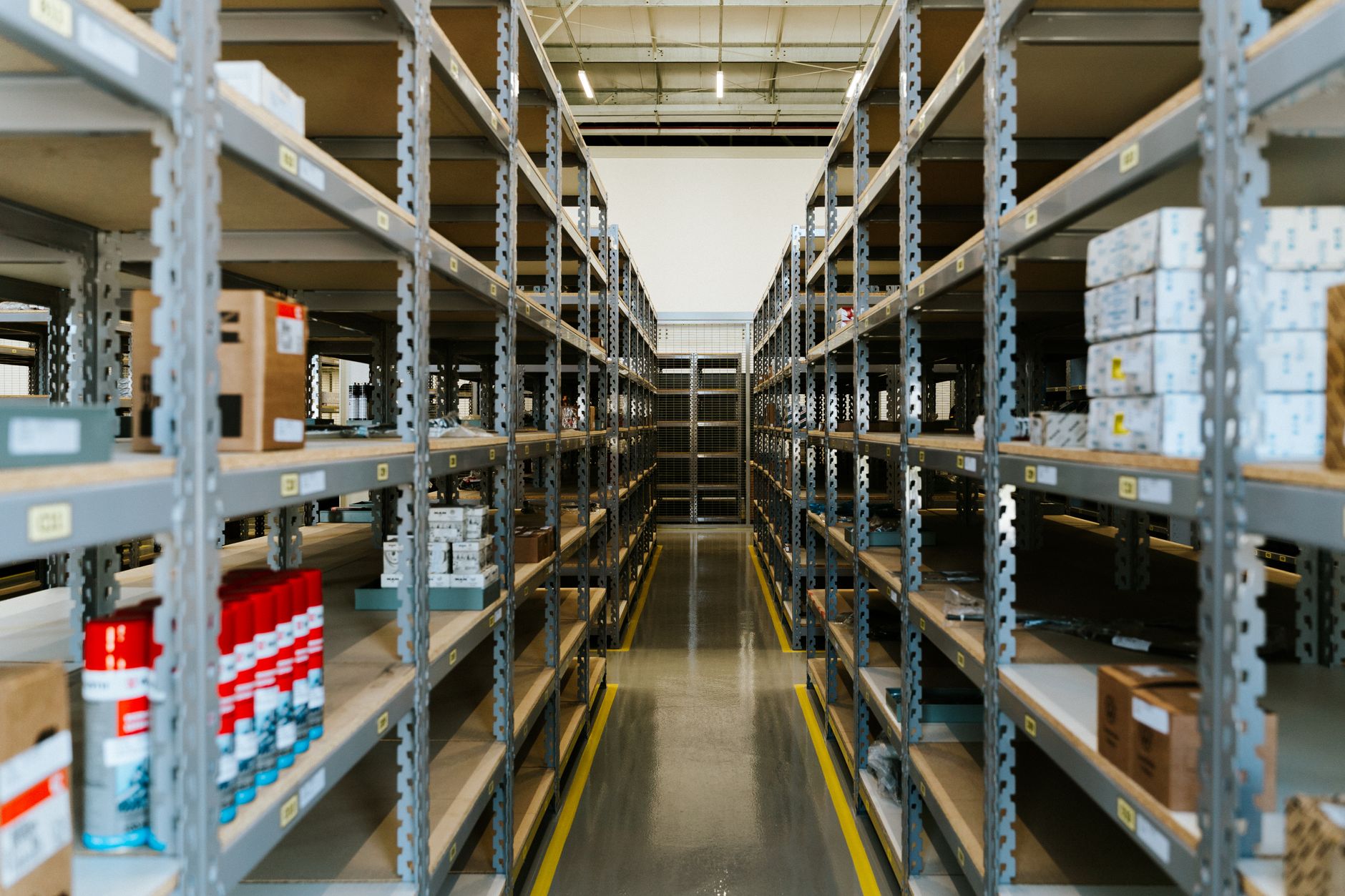
The effectiveness of AMRs in inventory management lies in their ability to work without supervision during off-hours, typically overnight. They navigate the stockroom aisles systematically, using a combination of sensors to identify and count every tagged item, providing a complete snapshot of on-hand inventory before the store opens.
Two key technologies make this possible:
By combining these methods, AMRs create a detailed, accurate, and up-to-the-minute inventory record. This data is transmitted directly to the store’s inventory management system, updating records automatically and eliminating the human errors that plague manual counts, such as miscounts or data entry mistakes.
- RFID (Radio-Frequency Identification): AMRs with RFID readers can scan entire sections of shelving at once. As long as items are tagged, the robot can detect hundreds of individual RFID tags per second from a distance, without needing a direct line of sight. This allows for extremely rapid counting of everything from apparel to electronics.
- Computer Vision: For items without RFID tags, vision-equipped AMRs use high-resolution cameras and AI-powered image recognition. The robot captures images of products on shelves, identifies them by their barcode, packaging, or other visual cues, and counts the visible units. This technology provides a digital audit trail and can identify misplaced items.

What Are the Operational Benefits of Robotic Inventory Counts?
Automating stockroom cycle counting delivers benefits that extend far beyond simply saving time. The primary advantage is a dramatic leap in inventory accuracy. Companies that adopt automated systems report inventory accuracy levels above 99%, a stark contrast to the industry average for manual methods. This precision has significant ripple effects throughout the retail operation.
First, it drastically reduces stockouts. With real-time data, purchasing managers can make more informed replenishment decisions, ensuring popular items are always available. This directly translates to increased sales and higher customer satisfaction, as shoppers are more likely to find what they are looking for. According to one report, nearly half of customers facing a stockout will buy from a competitor instead.
Second, it minimizes overstocking. Accurate demand forecasting, fueled by precise inventory data, prevents the costly mistake of tying up capital in slow-moving products. This frees up cash flow and reduces the carrying costs associated with storing excess goods. Finally, it liberates employees from a monotonous, low-value task. Staff can be redirected to more strategic activities like customer service, merchandising, and sales, improving both morale and productivity.
From Deployment to Downtime: Why a Robotics Partner Matters

Integrating an AMR fleet into a busy retail stockroom involves more than just unboxing a robot. The physical environment must be mapped, the robots need to be integrated with your existing Warehouse Management System (WMS), and your staff needs to be trained on how to manage the system. This is where a vendor-neutral robotics integrator becomes essential.
At Service Robot Co., we specialize in providing turnkey robot deployments for businesses across the United States. Because we are OEM-neutral, our focus is on selecting the right AMR for your specific stockroom layout, inventory type, and operational goals. We are not tied to a single manufacturer; we find the best fit for the job.
Our role extends across the entire lifecycle. We handle financing through flexible robot rental and leasing programs, manage the initial site assessment and deployment, and provide ongoing support. Our nationwide network of US-based engineers ensures that if a unit needs service, we provide everything from remote triage to on-site dispatch. This one-vendor approach, from deployment to maintenance, gives you a single point of contact and accountability, ensuring your automation investment delivers consistent returns without the headache of managing multiple providers.
Is an AMR System Financially Viable for Your Store?
The return on investment for an AMR-based inventory system is driven by several key factors: labor cost reduction, increased sales from preventing stockouts, and reduced carrying costs from minimizing overstock. Manual inventory tasks can consume 20 to 40 hours of employee time per month, a significant labor expense that automation virtually eliminates.
Some mid-sized retailers find they are spending between $78,000 and $180,000 annually just on the labor associated with manual inventory management and error correction. When you add the lost revenue from stockouts, the financial case becomes even stronger. The initial investment in robotics can seem substantial, but the payback period is often shorter than expected. Some businesses implementing automation have seen a return on investment in under two years.
Modern acquisition models like Robot as a Service (RaaS) have made this technology more accessible than ever. Service Robot Co. offers monthly payment programs and lease rental options that remove the need for large upfront capital expenditures. These programs often include maintenance and support, providing predictable operational costs and a clear path to positive ROI without the financial burden of an outright purchase.
Preparing Your Stockroom for Autonomous Counting
A successful AMR deployment requires some preparation of the physical space. While today's robots are adept at navigating complex environments, a few adjustments can ensure optimal performance and accuracy. The most important factor is clear and consistent organization. Aisles must be wide enough for the robot to pass through without obstruction.
For vision-based systems, product placement matters. Items should be placed with barcodes or identifying labels facing outward whenever possible. While advanced AI can identify products from various angles, consistent placement speeds up the process and improves accuracy. For RFID systems, ensuring all incoming inventory is properly tagged is the critical prerequisite.
The process typically starts with a site assessment. An integration partner like Service Robot Co. will map the stockroom using the robot's own sensors, creating a digital floor plan for navigation. This map is used to define counting routes and schedules. The initial setup and mapping are usually completed in a single day, minimizing disruption to your operations.