Key takeaways
- Soiled and clean linen need separate AMR routes, docks, and storage rules.
- Locked doors and escorted handoffs matter more than speed in custody settings.
- Supervised routes beat fully unattended runs in housing unit corridors.
- Pilot one laundry loop before you expand across housing pods.
Can AMRs move linen inside a correctional facility?
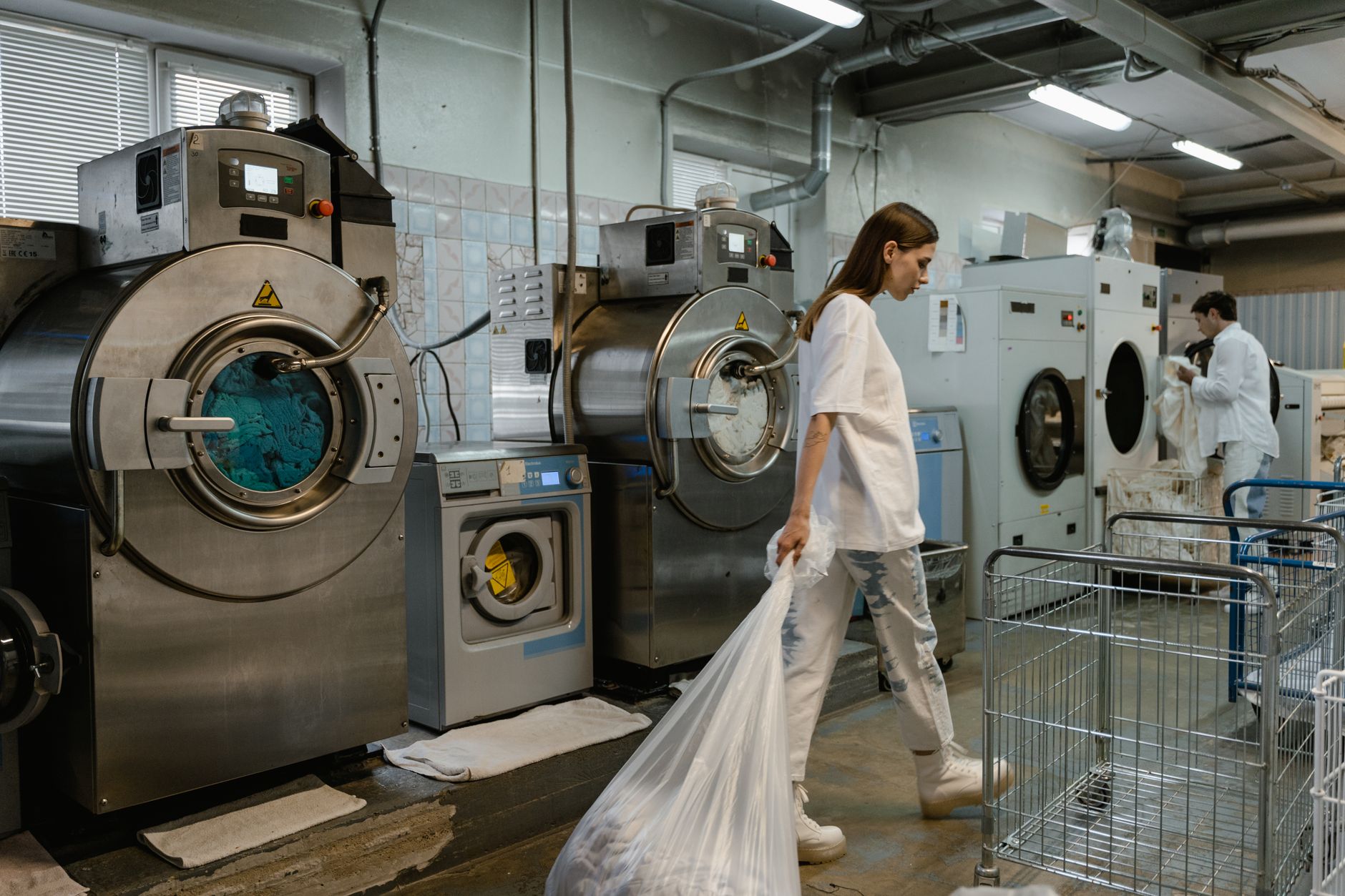
Yes, on defined routes between laundry, soiled holding, clean storage, and controlled transfer points near housing units, when security and sanitation rules drive every design choice. Correctional laundry moves heavy carts through doors that must stay controlled, staff who must supervise handoffs, and strict separation between soiled and clean goods. An autonomous mobile robot can replace some of those repetitive cart pushes on mapped corridors during set windows, as long as housing tiers, sally ports, and search policies stay in the route plan.
The goal is not to remove officers from custody decisions. It is to cut the miles nurses and logistics staff push carts so they can focus on counts, searches, and handoffs at controlled points. According to the International Federation of Robotics World Robotics 2026 Service Robots report, global shipments of professional service robots rose 24% to almost 250,000 units in 2025, and logistics-style AMRs are a growing share because institutions want predictable internal transport without adding headcount.
Why is linen logistics different in custody environments?
Every cart crossing a sally port is a security event, not just a material move. Soiled linen can carry biohazard risk. Clean linen must never share a cart surface or storage bay with soiled goods. Contraband concerns mean staff watch what rides on or under a load.
AMR projects fail when they copy a hospital linen loop without custody controls. You need written separation rules, searchable handoff logs, and routes that avoid mixing housing tiers unless policy explicitly allows it.
Fire drills and emergency lockdowns should automatically pause or reroute AMRs through your access system, not through a manual phone call alone.
How should clean and soiled flows stay separated?
Assign different AMR units or clearly marked top modules to clean versus soiled lanes. Never reuse the same cart bed without a documented washdown protocol. Store robots in separate docks when possible so wheels and forks do not cross-contaminate.
Map soiled pickups to go directly to laundry drop points, not through clean storage. Clean deliveries should end at a controlled transfer shelf inside the unit, not inside a dayroom unless policy allows.
- Color code carts, docks, and route names for clean versus soiled
- Require handoff scans at each sally port
- Ban cross-routes that enter both clean storage and soiled holding
What security controls belong on every route?
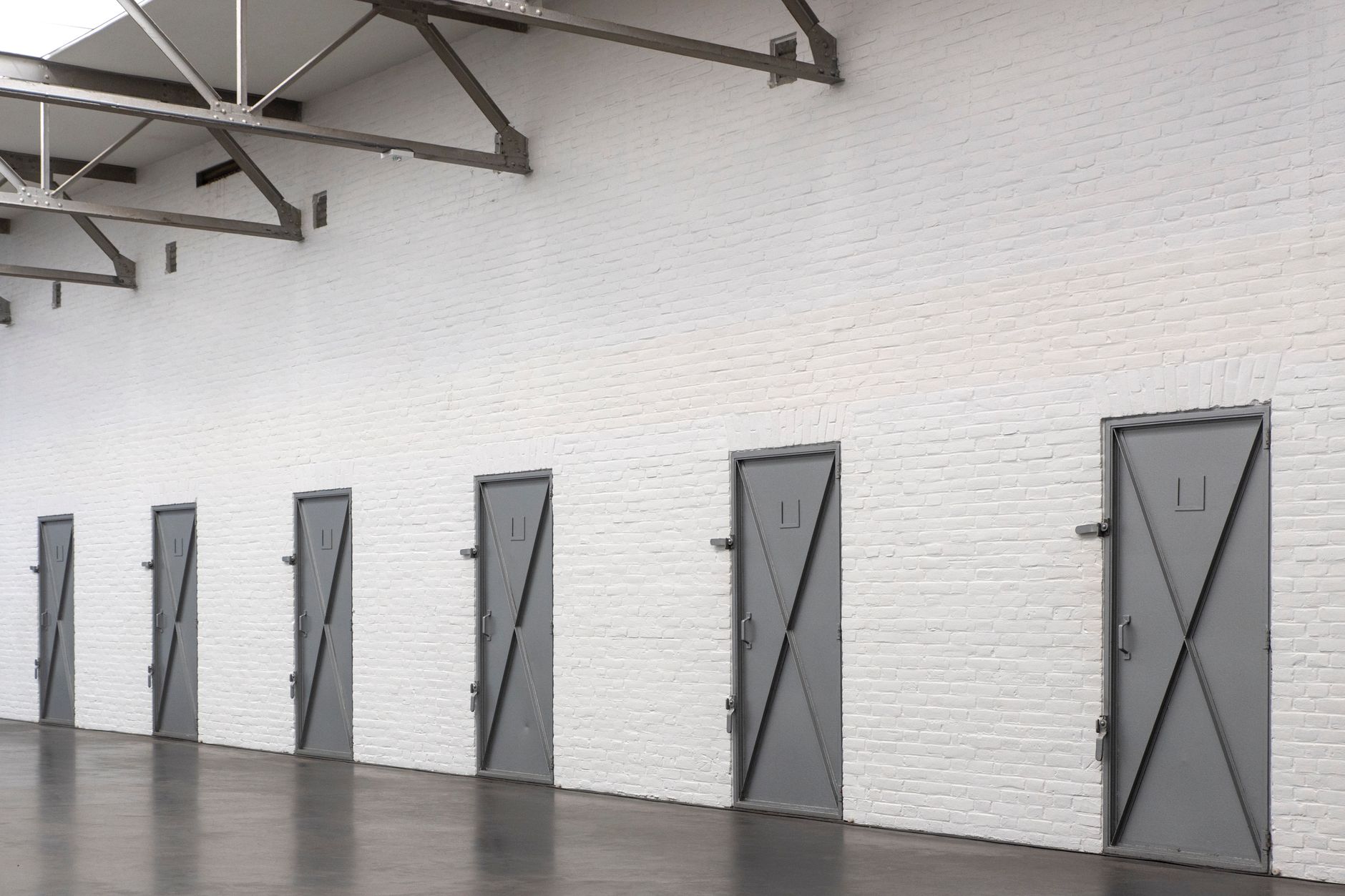
Routes should pass only doors your access system can audit. Many facilities require an officer escort when an AMR enters a housing tier, even if the robot navigates autonomously in the corridor. Camera coverage at handoff points supports contraband checks.
Lockout zones must update when units go on restriction. A robot that keeps running its Tuesday route during an unexpected lockdown becomes a security incident, not a productivity win.
Elevator permissions need the same audit trail as sally ports when carts move between floors.
How do staff supervision and route timing work?
Schedule cart moves between count times and meal movements when corridors are predictable. Avoid startup during recreation peaks when foot traffic is chaotic.
Train officers and laundry staff on pause points, manual override, and who may restart a unit after a search stop. The robot is a tool they supervise, not a courier that roams freely.
Document who may attach or detach carts so improvised hooks do not become hiding spots.
What sanitation and laundry SOPs must AMRs follow?
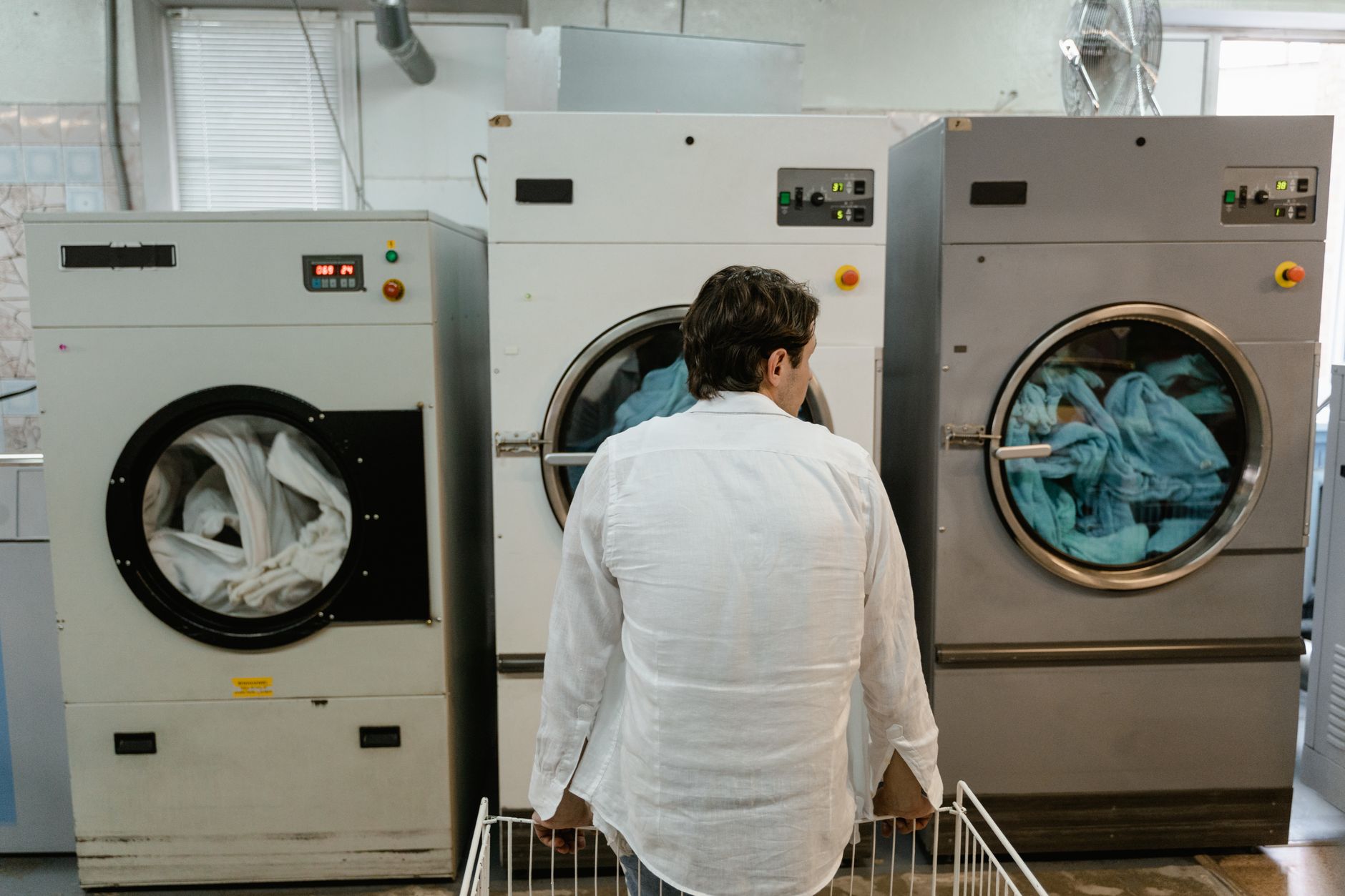
Match cart covers, load heights, and weight limits to what your laundry vendor and health rules allow. Wipe down contact surfaces on a set cadence and log it like any other equipment in the laundry.
If your facility treats soiled linen as regulated waste at certain stages, keep AMRs out of those zones unless they are built for washdown service and approved by your sanitation lead.
Laundry chemical spills stay a manual response zone until the floor is cleared for robot traffic.
Where does an integrator fit a secure facility?
Service Robot Co. maps routes with custody and laundry leads together, integrates door and elevator permissions where allowed, trains staff on escort rules, and stays on service when a wheel encoder fails before morning shift. Month to month AMR rental on one laundry loop lets you prove handoff times and search compliance through a full operational week before you expand pods.
How do you measure success without cutting corners?
Track cart miles removed from officer and nurse shifts, handoff time at sally ports, and missed laundry deliveries before blaming the robot. Log every contraband search triggered by a cart move so QA sees the full picture.
After ninety days, if clean linen arrives on time with fewer staff injuries from pushing, and security accepts the escort model, you have a case to add routes or convert rental to a lease with maintenance included.