Key takeaways
- Scrap runs belong on a schedule tied to bin fill, not when a machinist finally has a free minute.
- Coolant drip and bin geometry matter as much as payload charts on a shop floor.
- Disposal-area handoffs need rules before robots share aisles with forklifts.
Why move scrap bins with AMRs instead of manual carts?
Machining cells generate chips and contained scrap on a rhythm that rarely matches break times. When machinists stop spindles to wheel a full bin, you lose cut time and invite inconsistent housekeeping around the cell.
Autonomous mobile robots fit when the path is indoor, mapped, and repeated: cell side cart to central scrap pad, chip hopper exchange, or contained bin swap at a wash station. The robot handles the haul so the operator stays at the door.
According to BLS occupational employment data, the U.S. had about 179,360 computer numerically controlled tool operators in the latest national profile for that occupation. Even modest minutes lost per shift across a bay of cells add up when scrap moves stay manual.
What does a cell-to-disposal loop look like?
Define three points: the cell pickup, an optional consolidation lane, and the disposal or recycler handoff zone. Robots should never guess which bin is full.
Load sensing can be as simple as a scale under a staging pad or a fill sensor on the hopper. Fleet software releases a trip when the bin crosses a threshold, not when someone waves the robot over.
Empty bin return is part of the same loop. Machinists need a clean cart back before the next heavy cycle, not an hour later when someone notices the aisle is blocked.
- Tagged bins matched to cell ID at pickup
- Drip tray or mat at every stop for coolant
- One-way aisle paint where forklifts also travel
- Exception lane for mixed or unknown scrap

How do you handle coolant leakage and shop mess?
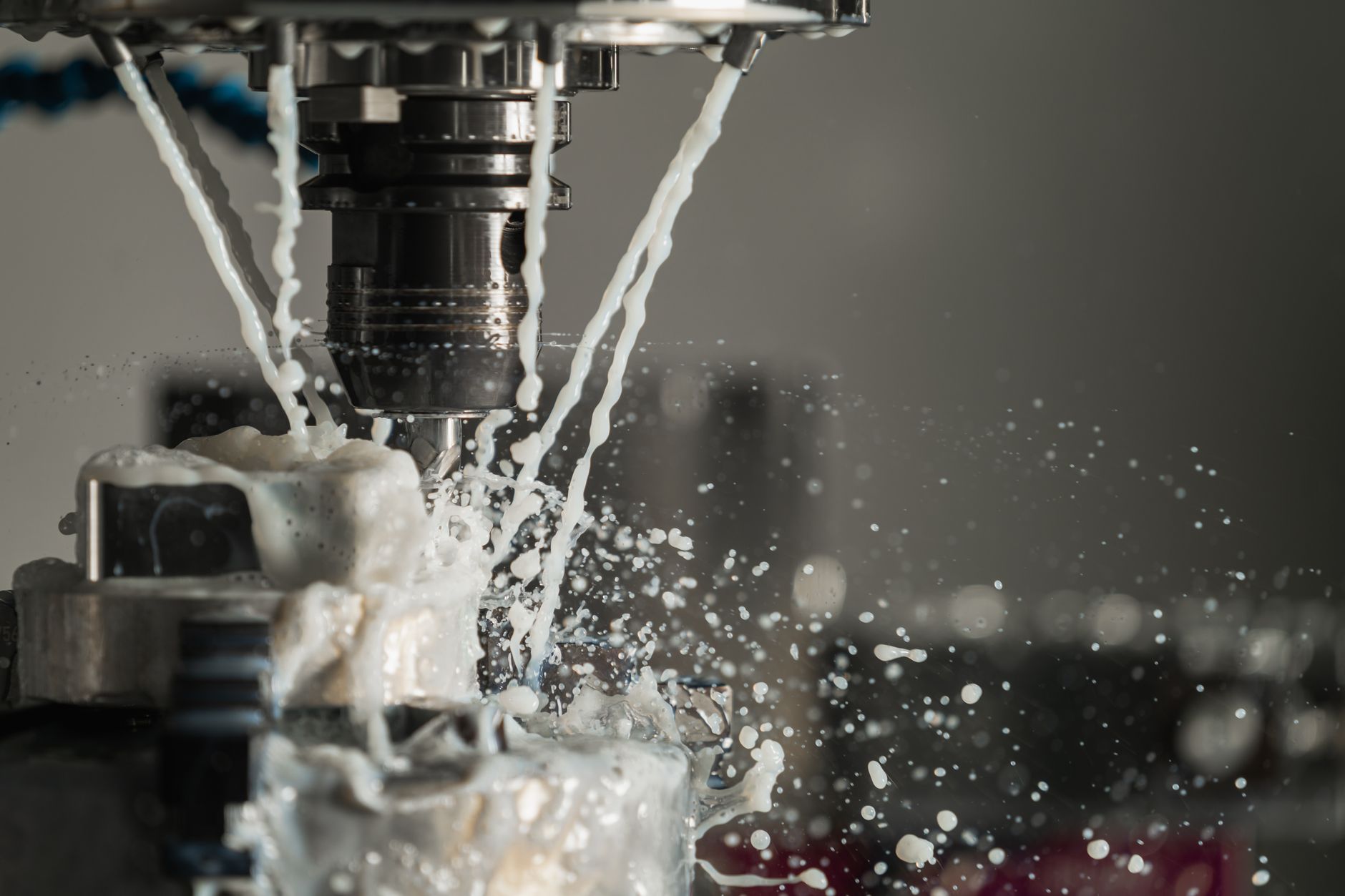
Metal scrap rarely travels dry. Chip carts drip coolant on turns, and robots with open decks can spread oil into pedestrian lanes if you skip drip containment.
Specify bins with lids or use carts designed for wet chips. Route robots on sealed floors and away from office thresholds until wheels and trays pass a wipe-down check.
Maintenance should include wheel and caster inspection on the same cycle as the machine sump service. A slipping drive wheel on an oily patch is a common first-failure mode.
Which bin and cart designs work with AMRs?
Standardize hitch height and bin footprint before you buy hardware. A tug that fits one cell cart may not latch a recycler bin without an adapter plate.
Fork-equipped AMRs can lift true floor bins but need validation on damaged pallets and uneven drain grates common near coolant sumps.
Keep a manual override cart for odd shapes, long stringy chips, or first-article scrap that does not match the fleet template.
How should robots share traffic with forklifts?
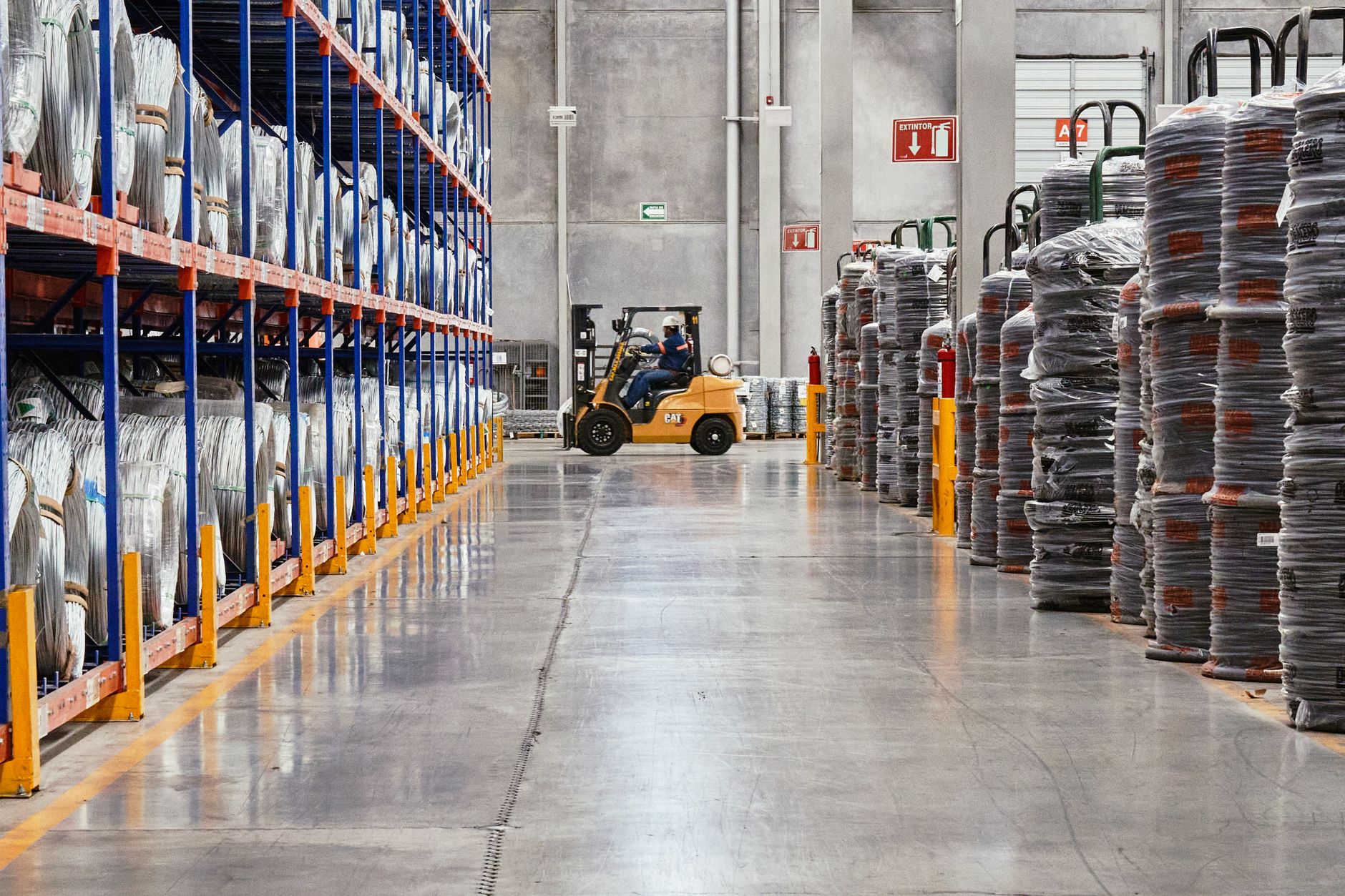
Treat forklifts as priority traffic in shared aisles unless engineering installs physical separation. AMRs should yield at blind corners and use horn or light cues agreed with safety.
Schedule scrap AMR trips in windows when forklift moves peak, or route robots on a parallel spine away from dock doors.
Paint stop lines at intersections and train both forklift and robot operators on the same exception code when a bin blocks the lane.
What belongs at the disposal handoff?
The recycler or central scrap pad should have a defined robot dock, not an open pile. Scales, cameras, or a simple scan confirm the right bin arrived before a human empties it into a roll-off.
If a third party picks up scrap, align robot arrival times with truck windows so bins are not sitting full on the pad overnight.
Document tare weight and coolant content if your recycler charges by moisture. Robots improve consistency because the same bin path runs every time.
Where does a neutral integrator shorten the pilot?
Service Robot Co. walks the bay with production and EHS: select tug or deck AMRs across OEM-neutral options, validate bins and drip control, integrate fill signals where you already monitor cells, train machinists on exceptions, and keep units running through a nationwide field service network.
Pilot one row of cells for four to six weeks. Measure spindle minutes saved, near-miss reports at intersections, and full-bin wait time before you add adjacent bays.
What should shop leaders measure in the first 90 days?
Track minutes a full bin waits at the cell, not robot trip count. Waiting chips mean the threshold or route is wrong.
Log coolant spots on the floor by stop ID. Repeat drips usually mean bin seals or cart design, not navigation.
Compare forklift near-miss reports before and after go-live on shared aisles. Flat or rising counts mean segregation or scheduling needs another pass.