Key takeaways
- Sample courier AMRs cut repeat walks between hot process areas and central labs without mixing identities.
- Enclosed totes and rated filtration matter because Portland cement dust has its own OSHA limits plus silica risk.
- Long cross-plant routes need traffic rules, heat-aware scheduling, and a defined lab receiving handoff.
- Vendor-neutral integrators map routes, finance fleets, and keep spare units on a nationwide service plan.
Why do cement plants still walk samples by hand?
Quality teams in cement plants live on timing. Kiln feed, clinker, and finished cement samples must reach the central laboratory on a clock that does not wait for shift breaks. A missed grab can mean a delayed kiln adjustment or a hold on a truck load.
Most sites still rely on people to carry sealed containers from dusty process floors to air-conditioned labs. Those walks repeat dozens of times per day across long distances, stairs, and blind corners shared with forklifts and water trucks.
Autonomous mobile robots fit when the route is repeatable, the payload is modest, and sample identity must stay intact from pickup to bench. They are not a replacement for chemists. They remove the transport leg that steals skilled time.
What makes cement plant sample routes harder than warehouse tote moves?
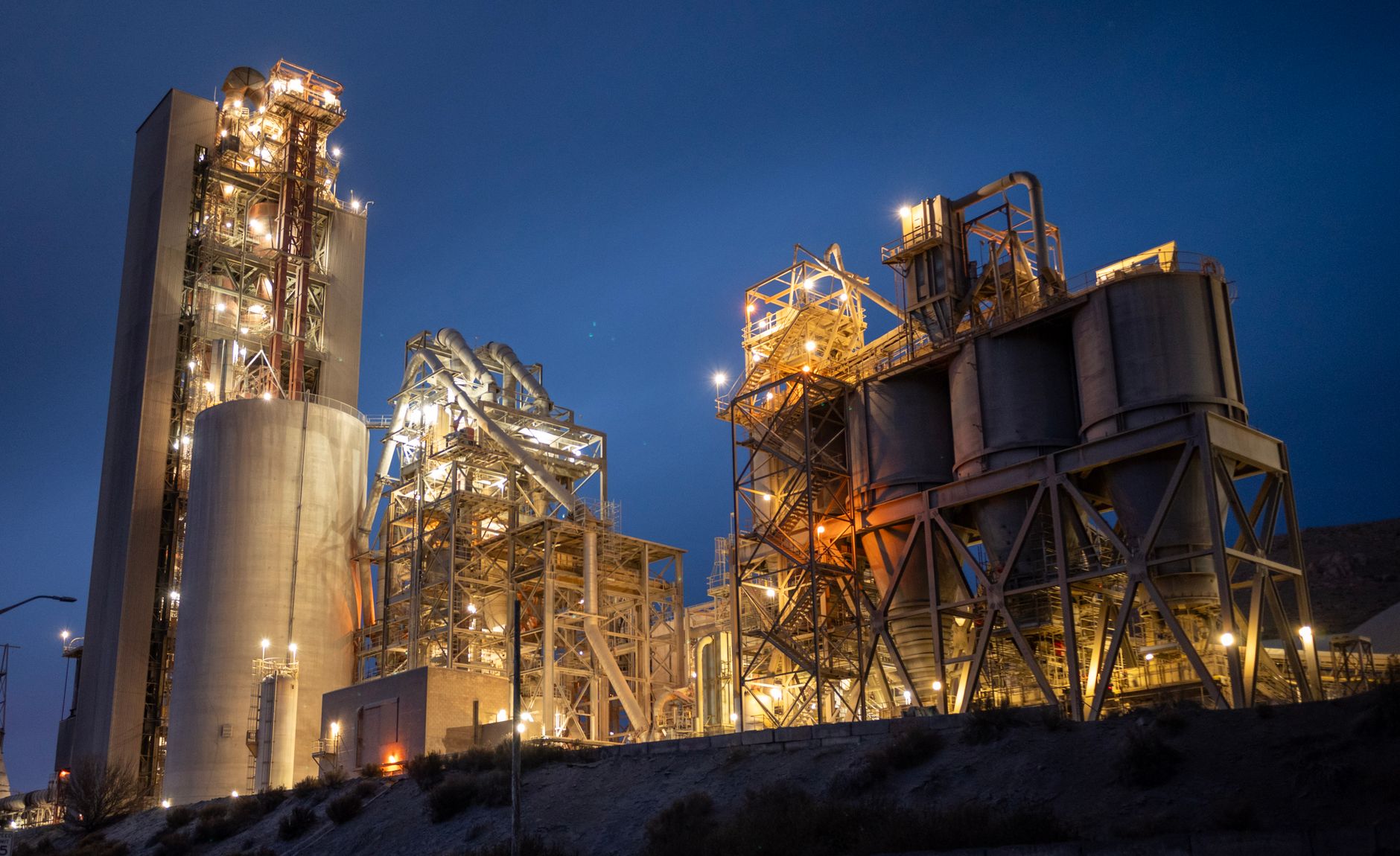
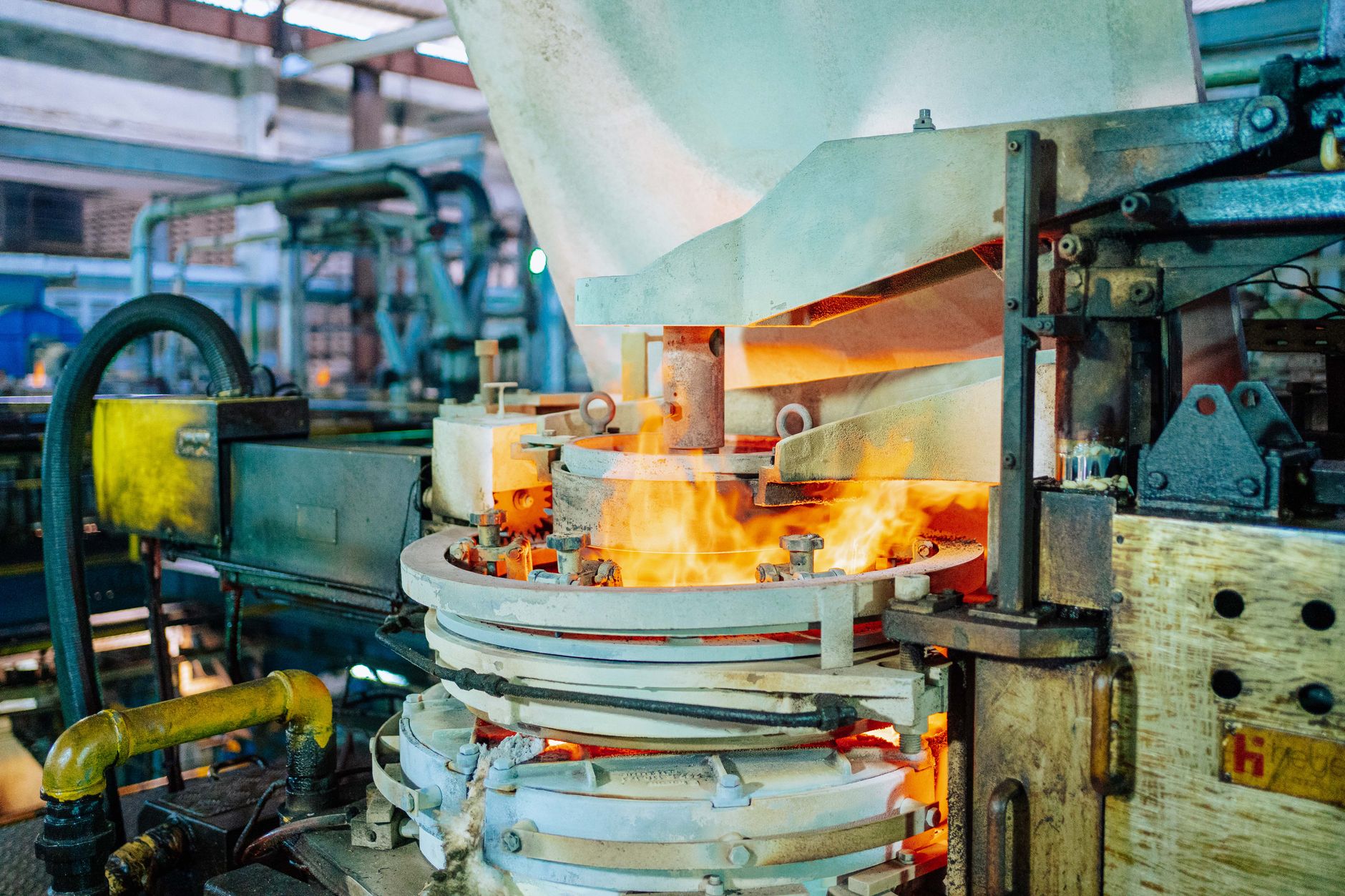
Cement plants combine heat, moisture, and fine particulate in one footprint. Kiln lines, coolers, and finish mills sit far from the QC lab, often on different levels connected by ramps rather than elevators.
Dust is the constant variable. Portland cement total dust carries an OSHA permissible exposure limit of 15 mg per cubic meter for total dust and 5 mg per cubic meter for the respirable fraction, according to OSHA chemical data sheets for Portland cement. Respirable crystalline silica carries a separate 50 microgram per cubic meter eight-hour limit under OSHA silica rules when quartz is present in the material stream.
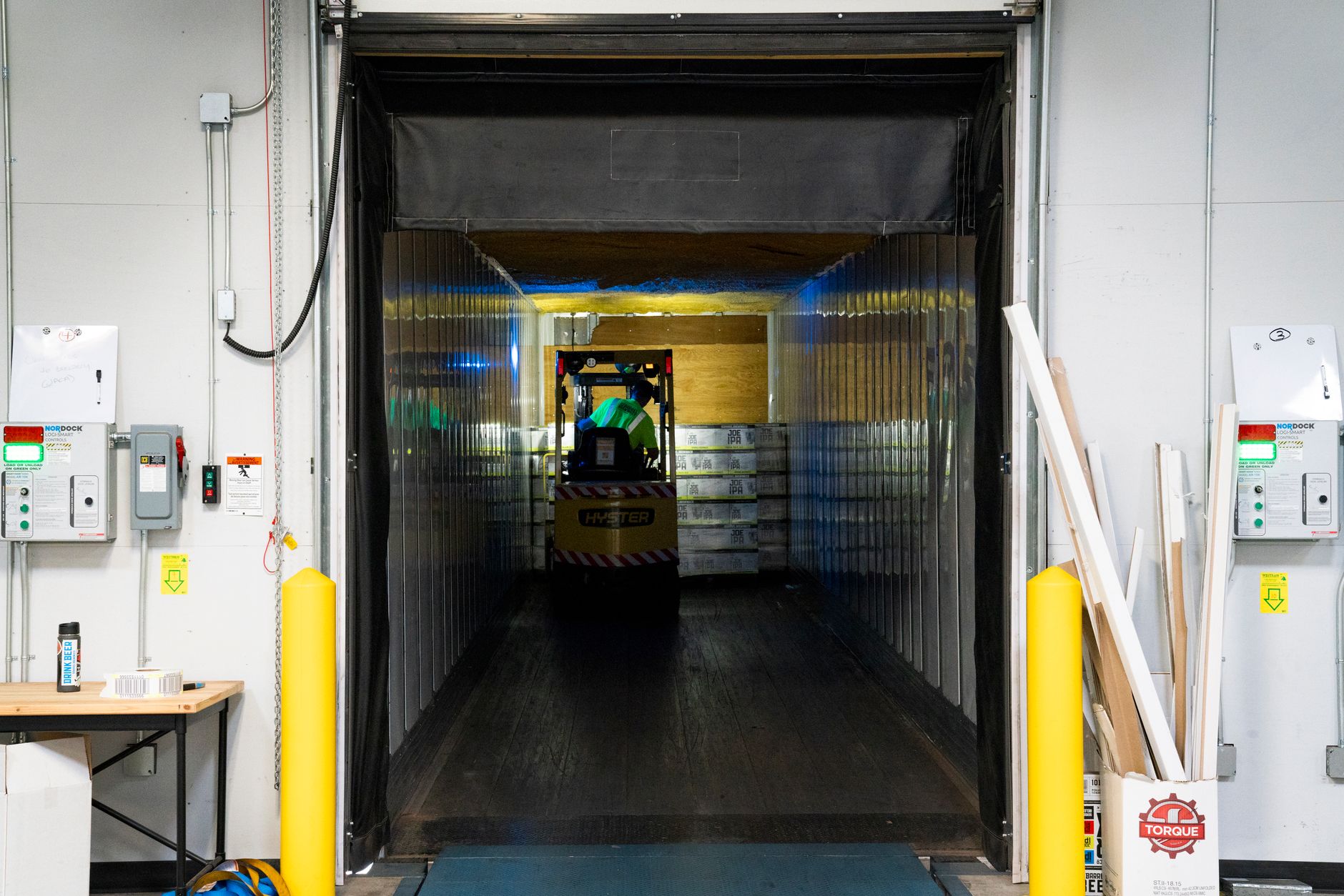
Sample couriers also face traffic. Front loaders, packers, and maintenance carts use the same haul roads. An AMR route must include staged hold points, horn or light cues, and dynamic no-go zones when mobile equipment enters a shared aisle.
How should robots protect samples from dust and heat?
Start with the container, not the robot. Sealed sample carriers with gasketed lids beat open trays for clinker grabs or powder splits. The AMR should mount a fixed cradle so the container cannot slide when the unit brakes on a ramp.
Electronics need isolation. Enclosed payload bays with positive pressure or filtered vents help keep fine cement out of connectors. Schedule hot pickups when the robot can use shaded corridors rather than standing beside a running cooler for minutes at a time.
Cleaning matters between runs. A quick wipe protocol on cradles and touch points reduces cross-contamination when the same robot serves raw meal and finish grind on the same shift. Pair that with labeled totes so operators never guess which seal goes to which test batch.
- Use latching totes rated for the sample type and tie each tote to a barcode or RFID tag.
- Keep robot cradles inside a shroud when routes pass grinding or packing areas.
- Log temperature and time at pickup so lab staff can reject runs that sat too long in heat.
How do you keep sample identity intact across a long plant loop?
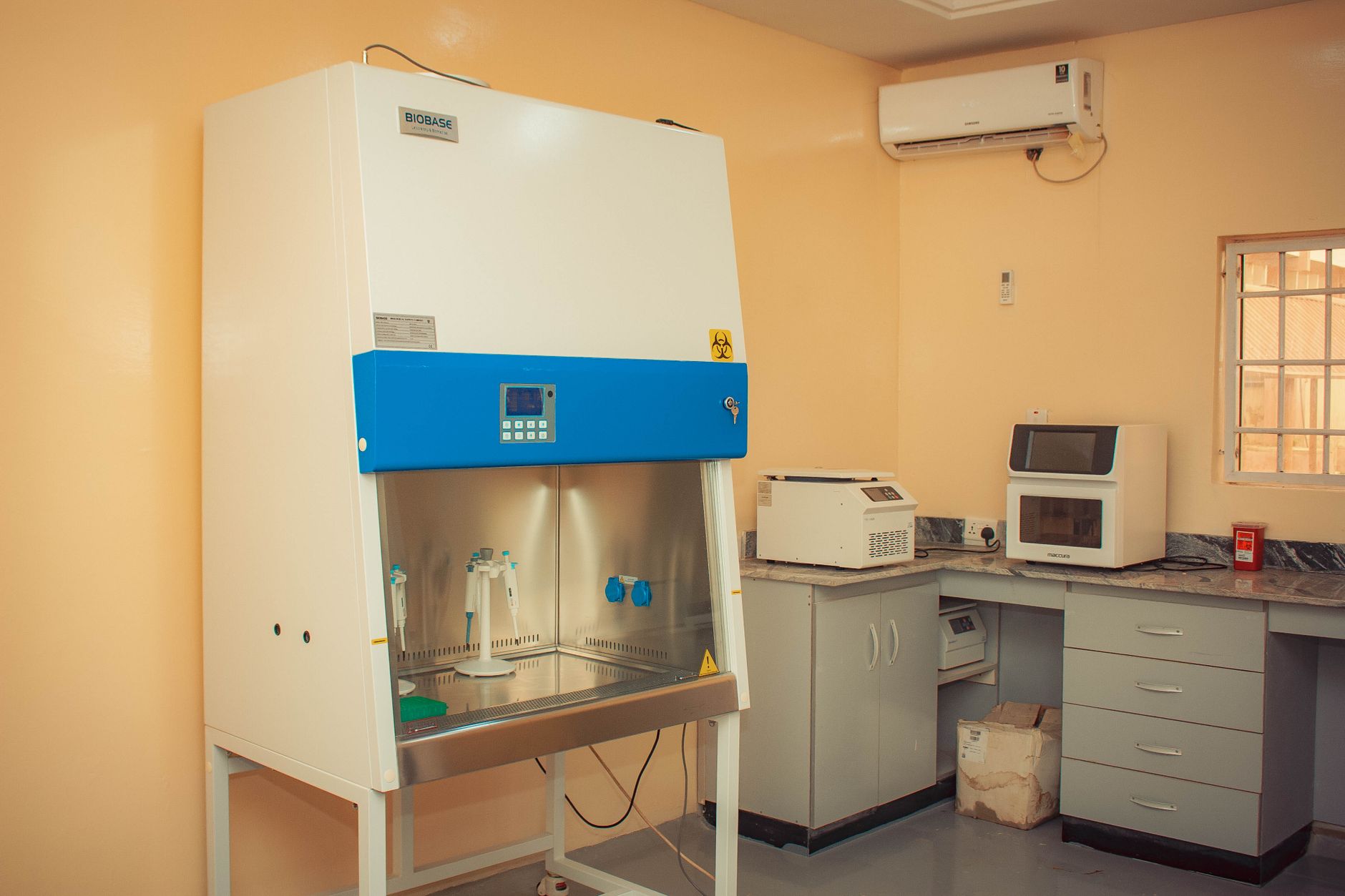
Chain of custody breaks when two similar gray powders swap labels. Cement plants already use lab information systems, but the weak link is often the walk between the grab point and the receiving window.
Assign one robot mission per sample ID. The fleet software should refuse a second pickup until the first container is scanned into the lab receiver. Scan events at pickup, mid-route checkpoints, and lab drop create an audit trail without extra paperwork.
If a route crosses from production to administration buildings, define a clean transfer point. Some sites use a locker airlock where a lab tech retrieves the tote without entering the kiln area.
Where do traffic and right-of-way rules matter most?
Map the route during a full production day, not on a quiet Sunday. Note when haul roads peak, when water sprays run, and when maintenance closes shortcuts.
Blind intersections deserve virtual stop lines. AMRs should pause until a sensor confirms the crossing is clear, not merely slow down. Forklift operators need training that the robot will hold, not weave.
Night shifts often look empty but can be the busiest window for kiln tuning samples. Lighting and reflective tape on the robot improve detection for drivers wearing polarized safety glasses in bright control rooms stepping outside into dark yards.
What does automatic lab handoff look like in practice?
Automatic handoff does not mean unattended chemistry. It means the lab knows a sample arrived before someone opens the door.
A receiving kiosk or conveyor shelf at the lab entrance works well. The robot docks, scans the tote, and sends a message to the LIMS queue. A tech acknowledges receipt on a tablet, then moves the container under the hood.
Define exception paths. If the lab is closed for calibration, the robot should route to a secure hold fridge or return to a production-side locker rather than waiting in a hallway where dust accumulates.
When does an AMR rental or lease beat adding couriers?
Labor math is only part of the case. According to FRED industry productivity data, cement and concrete product manufacturing employed about 210.5 thousand U.S. jobs in 2025 across NAICS 3273. Plants compete for the same maintenance and lab technicians who already cover weekend coverage gaps.
An AMR rental or month-to-month autonomous mobile robot program lets quality managers pilot one corridor before expanding to clinker, finish mill, and packhouse loops. Maintenance included contracts matter because dust infiltrates drive wheels and charging contacts if service is deferred.
Service Robot Co. acts as a vendor-neutral integrator: select the right tug or compact AMR for your floor, finance it through lease or rental, map traffic rules with production, and support the fleet through a nationwide field network. That single-partner model keeps sample identity protocols aligned with robot software updates.
How should a cement plant phase the first pilot?
Pick one high-frequency sample with a stable pickup window, such as hourly kiln feed grabs during a steady burn. Run parallel manual and robot couriers for two weeks and compare arrival timestamps and mislabel incidents, not just steps saved.
Expand only after traffic stakeholders sign off. Include packhouse supervisors, not only lab leadership, because their forklifts share the final 200 feet more often than anyone admits on paper.
Document dust control checks weekly during the pilot. If filters clog faster than predicted, adjust shrouds before adding a second robot. Successful pilots treat the AMR as part of quality infrastructure, not a novelty on the kiln floor.