Key takeaways
- Peak political and retail mail weeks need route rules before you add robots to the floor.
- Paper rolls and mail trays need standard carts and fill sensors, not ad hoc hand trucks.
- Finishing schedules should release AMR trips, not operator radio calls.
Why automate moves in a print-and-mail plant?
Newspaper and direct-mail plants move heavy paper, nested inserts, and trayed mail under deadlines that ignore how many fork trucks you wished you had. Hand carts stack up in aisles, finished bundles wait on pallets, and bindery crews lose minutes every time someone walks stock to a late line change.
Autonomous mobile robots fit when paths repeat between reel prep, press folders, inserting lines, and dock staging. They are not a replacement for roll handling cranes or postal induction systems. They excel on tray trains, skid moves, and WIP totes that follow a published finishing schedule.
According to BLS Current Employment Statistics, U.S. printing and related support activities employed about 341,000 workers on payrolls in recent monthly estimates for NAICS 323. Even as page counts shift, campaign mail and regional print still needs disciplined internal transport.
What moves belong on an AMR loop first?
Start with mail trays and flat WIP between inserting and sorting, not full paper rolls. Rolls stay on established lift equipment until you have a validated niche use for small core returns.
Finished bundle skids from stackers to stretch-wrap and dock lanes are the next common win when the route is wide enough and schedules repeat daily.
Insert kits from warehouse to line-side staging fit when each campaign uses the same cart footprint and barcode release from the mailroom system.
- Tray carts from inserting to sortation
- WIP skids from bindery to wrapper
- Empty tray return on the reverse path
- Campaign hold lane before line release
How do peak campaign volumes change routing?
Election and holiday mail compress twelve-hour windows into six. Fleet software needs campaign profiles that add buffer lanes instead of letting robots queue in front of live inserting heads.
Dynamic routes beat fixed loops during peak, but only within guardrails. Supervisors publish temporary one-way aisles and no-park zones rather than letting drivers reroute verbally.
When volume spikes, increase trip frequency before you widen geography. A robot that runs the same spine more often beats one that gets lost in temporary floor clutter.

How do you keep floor clutter from breaking navigation?
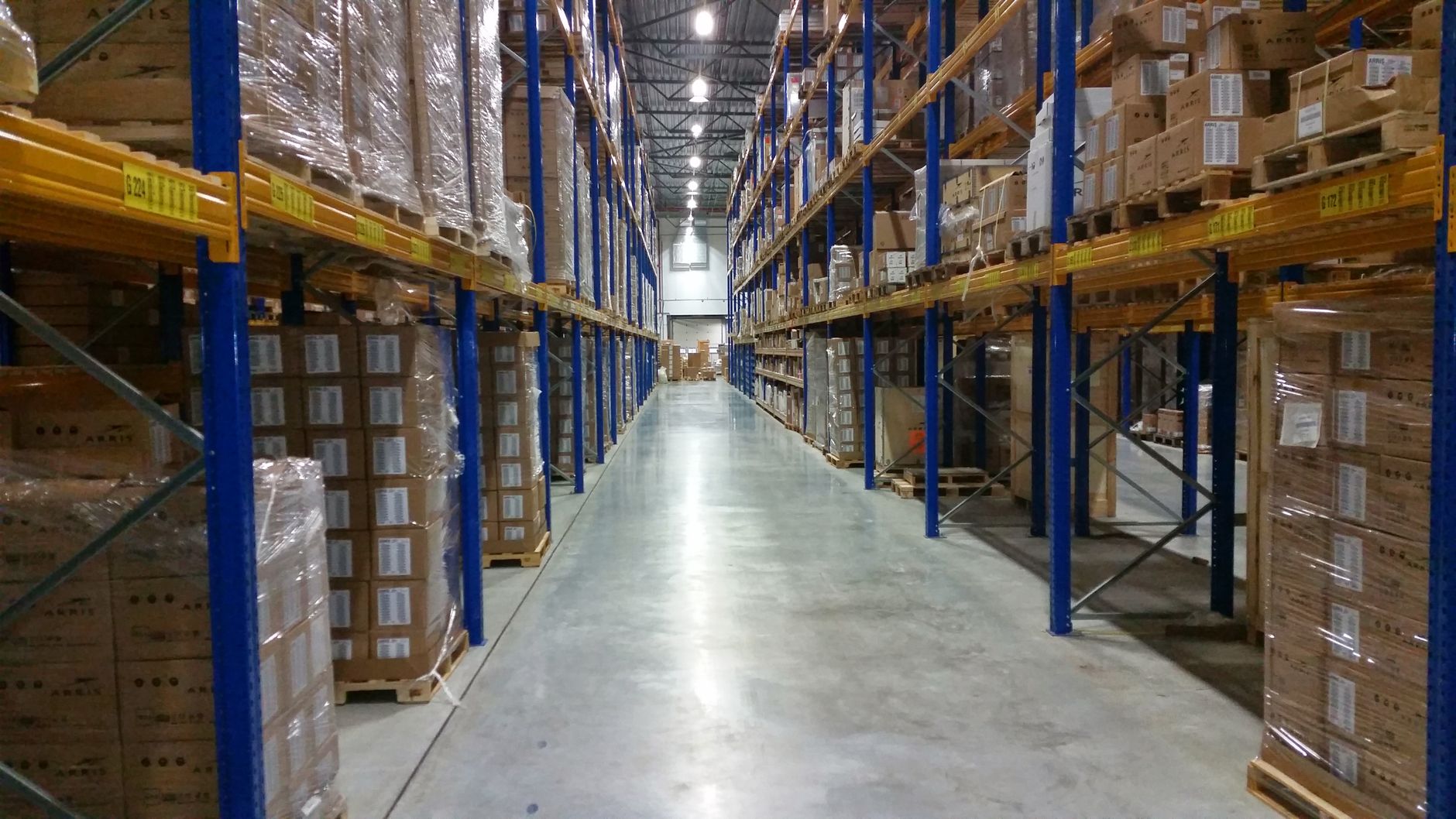
Print floors accumulate skid wrap, strapping, and empty pallets faster than office sites. Assign a clutter sweep owner each shift whose job includes AMR lanes, not only fire exits.
Mark flex zones where humans may stage WIP for an hour versus hard keep-clear stripes for robot travel. Without paint, robots and forklifts negotiate the same pinch points every peak week.
Camera and lidar maps go stale after layout changes. Re-map when a new inserting line lands or when dock doors flip for seasonal outbound.
Brief the night crew on temporary route changes before peak bundles land. A five-minute huddle beats an hour of blocked AMR alarms at 2 a.m.
Brief the night crew on temporary route changes before peak bundles land. A five-minute huddle beats an hour of blocked AMR alarms at 2 a.m.
Brief the night crew on temporary route changes before peak bundles land. A five-minute huddle beats an hour of blocked AMR alarms at 2 a.m.
Brief the night crew on temporary route changes before peak bundles land. A five-minute huddle beats an hour of blocked AMR alarms at 2 a.m.
Brief the night crew on temporary route changes before peak bundles land. A five-minute huddle beats an hour of blocked AMR alarms at 2 a.m.
Brief the night crew on temporary route changes before peak bundles land. A five-minute huddle beats an hour of blocked AMR alarms at 2 a.m.
Brief the night crew on temporary route changes before peak bundles land. A five-minute huddle beats an hour of blocked AMR alarms at 2 a.m.
How should AMRs integrate with finishing schedules?
Finishing software or MIS should release robot tasks when a job is truly ready, not when someone yells across the floor. Tie trip creation to job ticket status and expected tray count.
If a line goes down, hold or cancel open AMR tasks so trays do not arrive at an idle machine. Exception codes should return loads to a labeled overflow lane.
Shift handoff needs a live queue view. Outgoing leads note stuck trips the same way they note press ink issues.
What hardware fits paper, trays, and bundles?
Tug-style AMRs pull standardized mail cart trains when hitch height matches your tray dolly fleet.
Heavy skid moves need verified payload and low-speed corners because newsprint bundles shift if turns are sharp.
Keep manual jacks for odd campaign one-offs. Robots earn trust on the eighty percent path, not the exception skid.
Where does a neutral integrator shorten the pilot?
Service Robot Co. maps the plant with mailroom and bindery leads: select AMRs across OEM-neutral options, wire schedule triggers where data already exists, train floor staff on overflow rules, and keep units running through a nationwide field service network.
Pilot one inserting line pair for four to six weeks during a moderate mail week before you trust routes on peak election volume.
What should plant managers measure in the first 90 days?
Track tray wait time at inserting, not robot miles. Waiting mail means release logic or capacity is wrong.
Count manual overrides per shift. Spikes at one intersection mean layout or clutter, not bad sensors.
Compare dock-ready time for finished bundles before and after go-live on the same job mix.
Log near-miss reports where robots meet forklifts. Flat counts after re-marking lanes are the proof point.