Key takeaways
- In supplier plants, AMRs earn their keep by protecting takt and sequence, not just trimming labor walks.
- The best first routes are repetitive, rules-based part moves between receiving, supermarkets, sequencers, and line-side cells.
- Aisle discipline matters as much as robot selection because mixed forklift and pedestrian traffic is where deployments stall.
- Phased rollouts work best when every route has a fallback rule, a line-stop threshold, and a clear owner on each shift.
Where do AMRs actually fit inside an auto supplier plant?
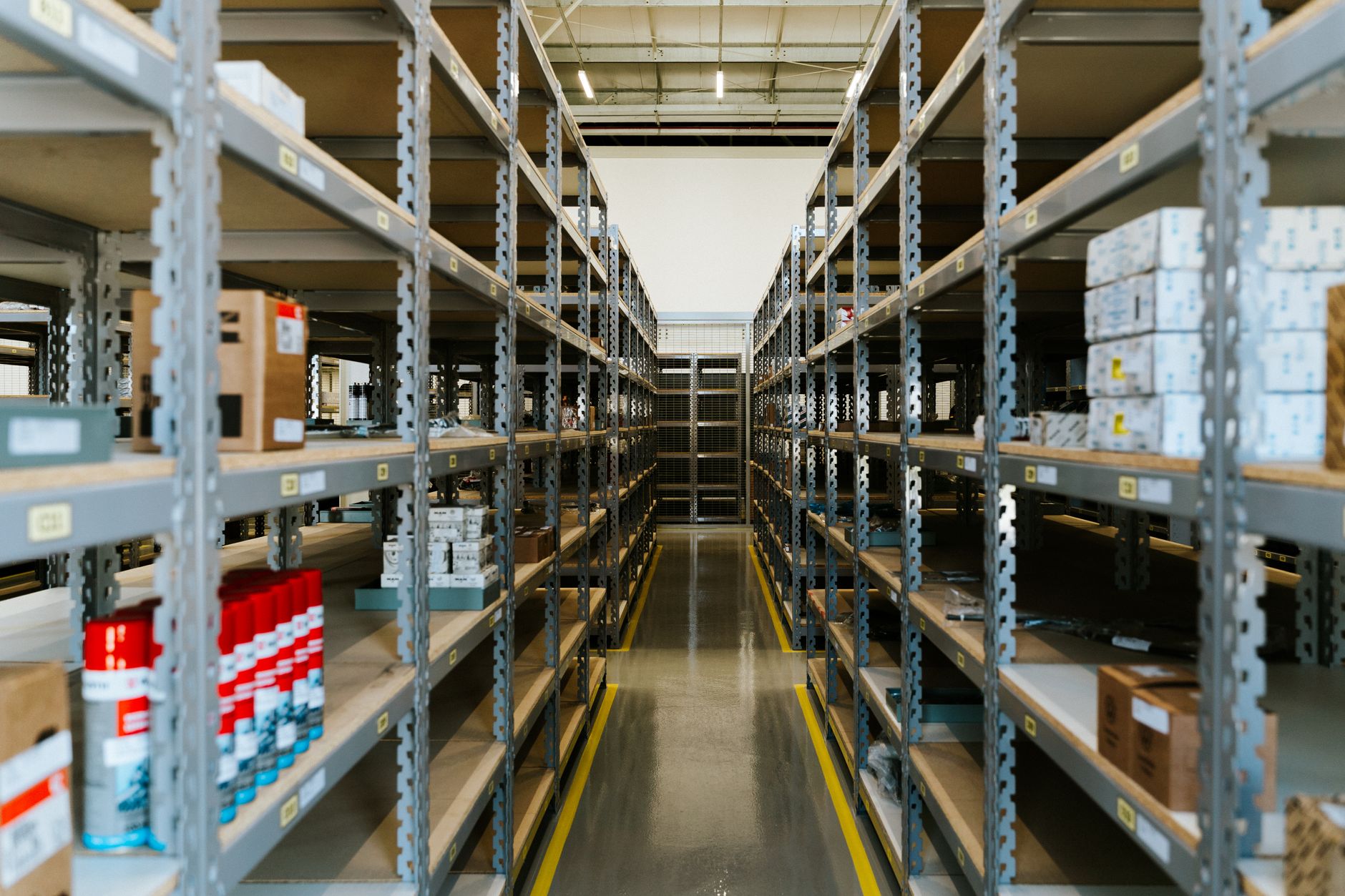
AMRs fit best in the narrow band of internal moves that happen all day, follow a stable path, and hurt production when they arrive late. In an auto assembly supplier, that usually means feeding cells from a supermarket, moving sequenced containers to dispatch points, and returning empties on a clock that matches takt time. The goal is not generic warehouse automation. It is protecting the line from starvation without bloating line-side inventory.
That distinction matters. According to the U.S. Bureau of Labor Statistics, motor vehicle parts manufacturing employed 512,800 people in May 2026, so even small improvements in internal flow can compound across a very large labor base. In these plants, AMRs should be planned as part of material control, aisle discipline, and escalation logic. If the robot misses a move, the question is not whether a task is late. It is whether the next cell misses build sequence, changeover timing, or ship window.
Why do supplier plants need a different AMR playbook than warehouses?
A supplier plant lives under production cadence. A warehouse can often absorb delay with extra staging space and looser pick timing. A tier supplier feeding an assembly schedule has less slack. The route from rack to cell may be only a few hundred feet, but the real risk sits in the minutes between empty presentation, replenishment trigger, and the next cycle start.
NIST has documented how long and intricate automotive supply chains are, noting in its supply-chain flow-time work that the longest identified flow path for automotive manufacturing reached 794.0 days. Inside the plant, that same complexity shows up in miniature. One missed internal handoff can ripple into premium freight, resequencing, overtime, or a line stoppage upstream. That is why supplier AMR design starts with material rhythm and exception handling, not map coverage.
- Use AMRs on routes with repeatable demand by hour or by shift.
- Keep manual methods for volatile launches, engineering change windows, and irregular dunnage.
- Design every robot route around the plant's real escalation clock, not a marketing uptime claim.
Which parts-delivery moves are the strongest first candidates?
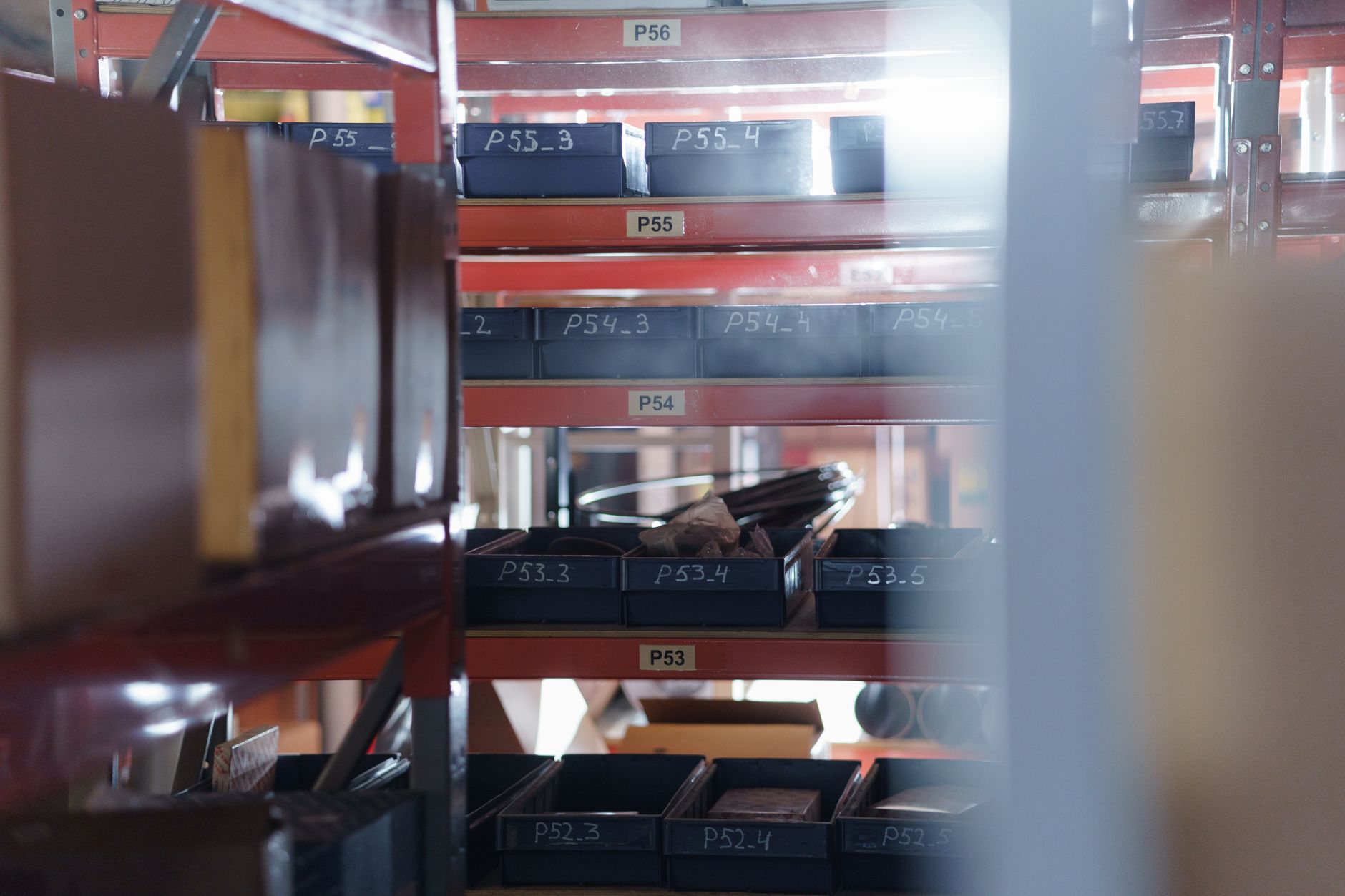
The strongest first candidates are dull, frequent, and disciplined. Think totes from supermarket to assembly cells, small racks to subassembly islands, carts of fasteners or clips to replenishment points, and empty-container returns from the line back to refill zones. These moves often steal time from lift drivers and water spiders even though they do not require their judgment for the full trip.
Start with tasks that have clear pickup and drop rules, repeat across shifts, and do not require ad hoc stacking decisions. If a move depends on visual improvisation, mixed load building, or last-second rerouting around parked trailers, it is a bad pilot. If it is a repetitive transport automation loop with known container standards, known call logic, and known aisle rules, it is a strong one.
A useful screen is simple. Can the move be described as origin, destination, trigger, standard load, and latest acceptable arrival time? If yes, it may fit an autonomous mobile robot rental pilot or a purchased fleet. If no, improve the process first. AMRs magnify weak routing rules just as fast as they magnify strong ones.
How do you size AMRs around takt time and sequence risk?
Do not begin with robot count. Begin with miss tolerance. For each route, define the takt interval served, the container quantity delivered, the average travel time, the 95th-percentile travel time, the unload and load time, and the maximum late-arrival window before the consuming cell changes color from green to yellow. That gives you the buffer you are actually buying.
Line-side inventory should shrink only after the route proves stable. If a cell consumes one tote every 18 minutes and a full AMR cycle is 9 minutes in normal traffic but 14 minutes at peak congestion, you have far less margin than the average suggests. In supplier plants, averages lie. You need a design based on worst credible congestion during breaks, shift starts, dock peaks, and model-mix spikes.
Sequence-sensitive parts deserve an even stricter filter. Seat sets, trim variants, left-right pairs, and kit builds tied to dispatch sequence should move on AMRs only when the pickup confirmation, container ID, and drop verification are closed-loop. A late generic fastener tote is annoying. A wrong-sequence container can contaminate the next several builds before anyone catches it.
- Map each route to a consuming takt and a latest safe arrival time.
- Model travel using congested conditions, not empty-aisle demos.
- Keep one manual recovery method per critical route until the plant has real stability data.
- Reduce line-side stock in steps after service levels hold across multiple shifts.
What does aisle discipline have to look like before robots go live?
Most supplier plants already know the core problem. Forklifts, pedestrians, and carts share too much floor with too many informal rules. Adding AMRs to that mix without traffic design is how pilots get blamed for plant behavior that was already unsafe. OSHA's forklift guidance is blunt on this point. The agency recommends separating pedestrians from lift trucks as much as possible with walkways, barriers, mirrors at blind intersections, posted traffic signs, and plant speed limits.
The safety case is not abstract. OSHA says forklift overturns are the leading cause of forklift-related fatalities and account for about 25 percent of those deaths. The U.S. Bureau of Labor Statistics also recorded 16 fatal occupational injuries in motor vehicle parts manufacturing in 2024, and 16.0 thousand nonfatal injury and illness cases in the sector, with an incidence rate of 2.9 cases per 100 full-time workers. Cutting forklift crossings is therefore not just an efficiency argument. It is a plant-risk argument.
In practice, AMRs work best when the plant redraws the floor at the same time. Separate forklift trunk routes from robot lanes where possible. Mark staging so pallets do not drift into travel paths. Put stop-and-look behavior at blind corners. Ban casual parking in robot zones. The machine can navigate, but it cannot fix a culture of wandering containers and improvised shortcuts.
How should AMRs connect to the material-control system?
The cleanest deployments use simple trigger logic first. A supermarket call button, a container sensor, a scan at empty presentation, or a pull from a dispatch screen can all work if the ownership is clear. The plant does not need a grand software project on day one. It needs a trustworthy signal that says this part, to this point, by this time, and that the signal cannot be lost in a shift handoff.
Over time, tighter links matter. AMR jobs should align with container IDs, route priorities, exception alerts, and production-state signals so supervisors can see more than a moving icon on a map. They need to know which move is late, which cell is exposed, and which backup action is expected. In supplier plants, visibility beats novelty every time.
This is also where an OEM-neutral integrator earns its place. Service Robot Co. does not start with one manufacturer's answer and then force the plant to fit it. The company acts as a vendor neutral robot integrator for U.S. businesses, choosing the right robots across manufacturers and then handling robot deployment and integration, training, financing, and service through a nationwide U.S. engineer network. For a supplier site that needs one partner and one number when production is on the line, that model is practical.
- Use the simplest reliable call signal first.
- Tie every job to a route priority and an owner on shift.
- Make late jobs visible in production language, not only in fleet language.
What does a phased deployment look like without disrupting production?
A good supplier rollout is deliberately narrow at first. Pick one product family, one supermarket, one or two receiving cells, and one shift with stable supervision. Run the route in shadow mode, then assisted mode, then scheduled live mode. Only after the plant has measured miss rates, congestion windows, and manual recoveries should it widen the footprint.
This is where commercial structure matters. Some plants want an autonomous mobile robot rental or AMR rental approach for a pilot because it lowers internal friction and keeps the trial tied to measured performance. Others prefer robot leasing for business, monthly payment programs, or a lease purchase program once the route is proven. The right choice depends on launch cadence, capital rules, and how quickly the plant expects to scale from one repetitive lane to a broader AMR fleet deployment.
Service Robot Co. is built for that whole lifecycle. The company can finance, deploy, integrate, train, and service every unit, which is useful for supplier groups that do not want separate vendors for hardware, mapping, training, and field support. For plants trying phased deployment with no shutdown and no appetite for finger-pointing between providers, that single-accountability model reduces noise.
- Phase 1: one route, one shift, one material family.
- Phase 2: add congestion periods and backup rules.
- Phase 3: reduce buffer stock carefully and expand to adjacent cells.
- Phase 4: standardize work, training, and service expectations across shifts.
What separates a plant that gets real value from one that stalls?
Plants that get value treat AMRs as part of disciplined material handling, not as rolling software projects. They define standard loads, standard dock points, standard responses to blocked aisles, and standard ownership when a route goes red. They also measure the right outcomes: missed deliveries, line-side stockouts, forklift crossings removed, manual recovery calls, and schedule adherence by route.
Plants that stall usually aim too wide too early. They chase every move, accept fuzzy triggers, and tolerate floor behavior that would confuse any human driver, not just a robot. The better path is narrower and more exacting. Start where the route is boring, the risk is visible, and the process can be defended on the whiteboard before a single robot moves.
For auto assembly suppliers, that is the real promise. AMRs can feed cells, protect line-side inventory, and cut forklift traffic, but only when the deployment is built around takt time, sequence integrity, and aisle discipline. Get those three right, and the machines stop being a pilot. They become part of how the plant keeps its word to the next customer in the chain.
Frequently asked questions
Sources
- BLS employment table for motor vehicle parts manufacturing, May 2026
- NIST supply chain flow time for automotive manufacturing
- OSHA forklift overview
- OSHA pedestrian traffic guidance for forklifts
- OSHA loading and unloading guidance with forklift fatality note
- BLS fatal occupational injuries table for 2024
- BLS nonfatal injuries and illnesses table for 2024
- BLS number of nonfatal injury cases by industry for 2024