Key takeaways
- PPE vending AMR loops pay off when the same glove, mask, and hearing-protection refills repeat across many machines per shift.
- Demand signals from vending telemetry beat fixed schedules for stockout prevention without overstocking every cabinet.
- Tote exchange at a central crib keeps the robot payload light while shift-change foot traffic needs timed no-go windows.
- IFR reported 102,900 transport and logistics service robots sold in 2024, up 14 percent, reflecting mature indoor replenishment use.
- Pilot on one aisle group first; volume per hour must clear your hurdle before you expand to the whole plant.
When does an AMR beat a crib runner for PPE vending?
An autonomous mobile robot earns its place on PPE vending replenishment when technicians would otherwise walk the same loop many times per shift to refill gloves, masks, ear plugs, and safety glasses across a large plant. The job is repetitive, time boxed, and easy to measure. If empty-vend alarms or manual checks already fire daily, you have a baseline for minutes lost.
The fit weakens when you operate only a handful of machines in one bay or when every refill is a mixed SKU tote that changes shape weekly. Standardize totes and slot plans first. High mix without a crib process turns the robot into a expensive cart pusher.
According to the International Federation of Robotics World Robotics 2025 report, vendors sold 102,900 transport and logistics service robots in 2024, up 14 percent from the prior year. That growth includes indoor material loops that look like vending refill routes, not only pallet moves.
How should demand signals drive refill trips?
Point-of-use replenishment works best when the robot reacts to actual depletion, not a calendar. Modern PPE vending units can export vend counts, low-stock flags, or door-open events to your CMMS or inventory system. Map those signals to minimum and maximum par levels per machine before you automate delivery.
Batch refills when three adjacent machines cross threshold, not when one glove size dips by a single box. Batching cuts robot miles and keeps the crib team staging one tote instead of six partial runs.
Keep human override for storm recovery after a line change or safety stand-down when usage spikes. The AMR should accept a manual priority job without breaking audit logs.
- Set par levels per SKU and machine group
- Trigger on low-stock telemetry, not clock time alone
- Batch adjacent machines on one tote run
- Log every vend-driven dispatch for review
What tote exchange model fits factory floors?
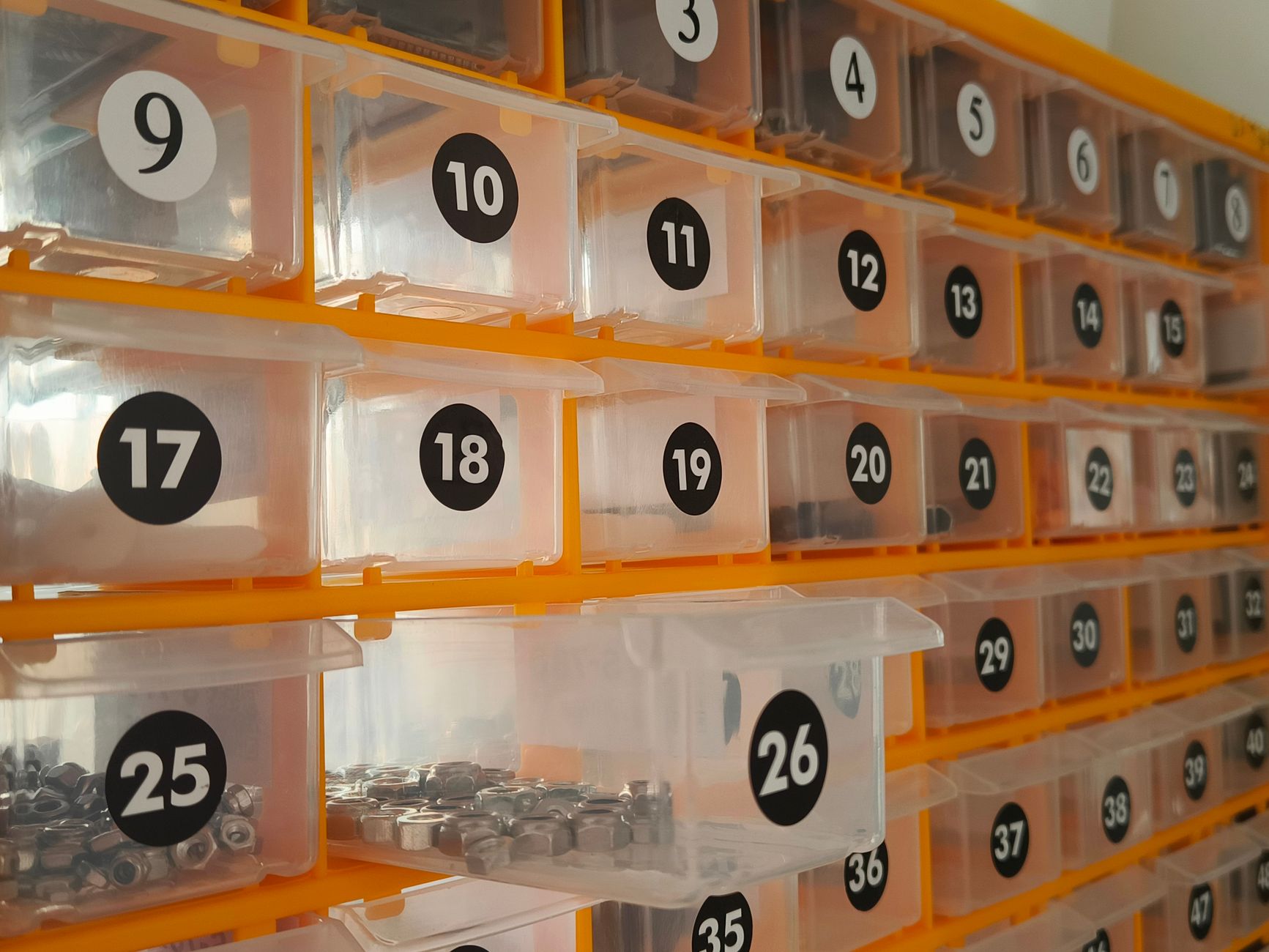
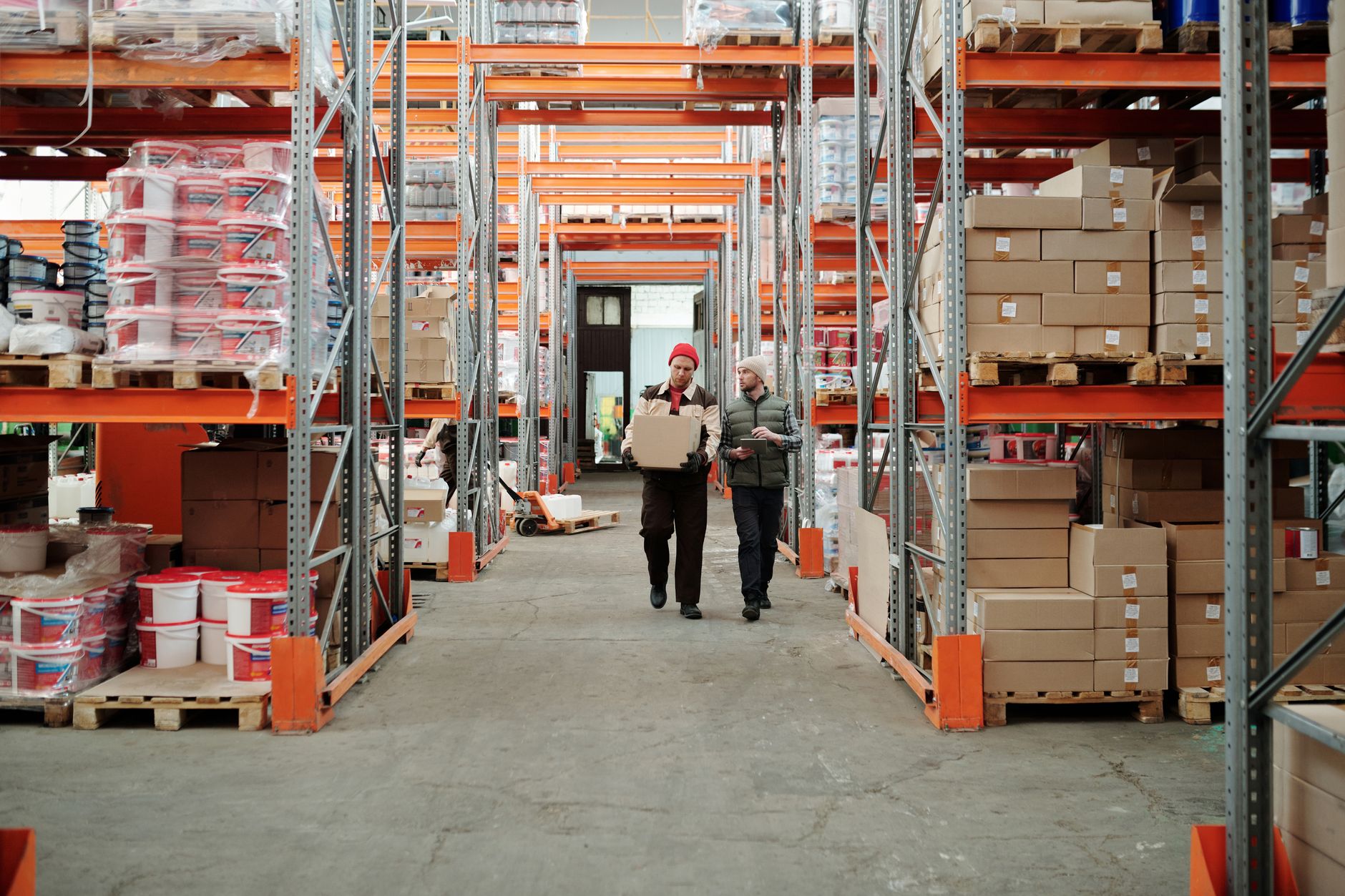
Most plants use a central safety crib or MRO store as the pick point. The AMR carries a standardized tote or cart with divided bins for high-turn SKUs. At the vending bank it swaps an empty inner tote for a full one, or tops up sealed refill cartridges if your machines use them.
Exchange at the machine should take under two minutes with mechanical alignment guides. If a tech must hand align every box, the robot saves less than you think.
Weight stays modest compared to pallet AMRs, which helps battery life on long loops. Still validate rated payload with your heaviest planned refill mix, including bulk ear plug cases.
How do you plan around shift-change traffic?
Shift changes concentrate foot traffic at plant entries, locker alleys, and vending clusters near break areas. Schedule robot runs in the thirty minutes before shift start and after the rush clears, or geofence slow speeds through those zones.
Forklift intersections near the crib need the same treatment as vending aisles. Lidar pause behavior must be tested with real pallet traffic, not an empty weekend walkthrough.
Night shift often offers the cleanest windows for long loops when vending still needs refills before dayside arrives. Match robot rental monthly programs to the shifts where you actually run autonomously.
How does stockout prevention change with automation?
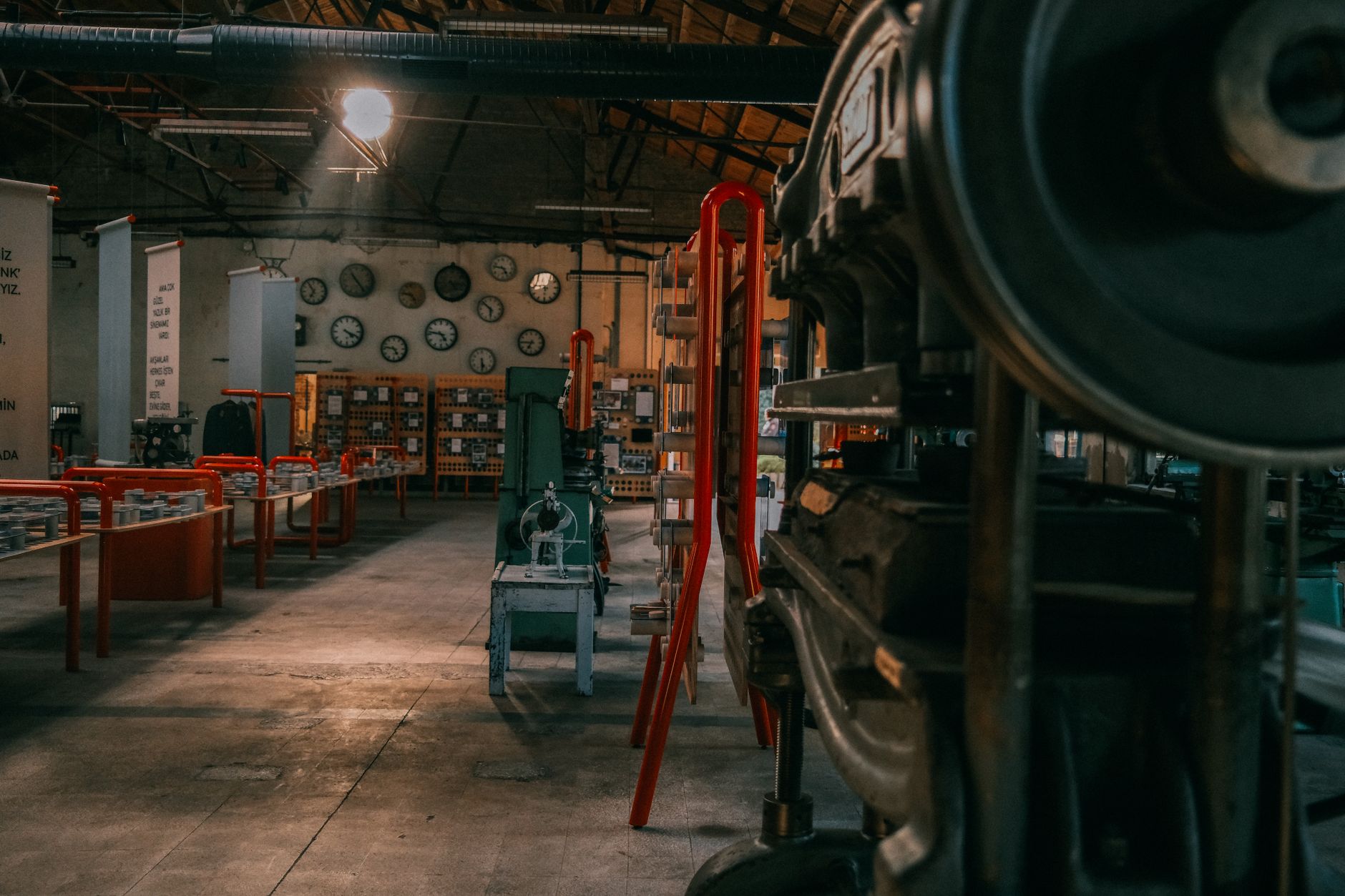
Stockouts on PPE vending show up as compliance risk before they show up as inventory variance. Operators borrow from neighboring lines or skip hearing protection when a vend empty light stays on. Telemetry plus AMR response tightens the loop from hours to minutes on high-volume SKUs.
Track stockout minutes per machine per week before and after pilot. Pair that with vend counts to see if par levels were wrong versus delivery was slow.
Do not chase zero stockouts on slow movers with robot trips. Let those stay on a weekly crib cart unless audit requirements demand otherwise.
What volume justifies automation?
Build a simple table: machines serviced per shift, average walk plus refill minutes per stop, and shifts per day. Multiply by loaded labor for the crib role, not only the hourly rate of whoever happens to walk over.
Compare that to AMR lease or rental with maintenance included, charging, and integrator support spread across the same horizon. The IFR noted the global robot-as-a-service fleet grew 31 percent in 2024 to more than 24,500 units, which shows monthly programs are normal for professional service robots.
If payback needs more than eighteen months at your actual trip count, narrow the route to the busiest vending bank or add machines to telemetry first to grow justified volume.
What should acceptance testing cover?
Run SAT with weighted totes on the longest route at peak Wi-Fi load. Verify every vending stop ID matches the inventory record after swap.
Test fire alarm behavior: robot clears egress, docks, and waits for reset without dumping a tote in a lane.
Document exception codes for mis-scanned bins, blocked aisles, and vending door faults. Crib staff should see the same codes in plain language on a dashboard.
Where does Service Robot Co. fit?
Service Robot Co. runs vendor-neutral site assessments, maps crib-to-vending loops, and pilots AMR rental with training and nationwide service on one contract. We integrate vending telemetry to dispatch rules without locking you to a single machine OEM.
Start with one plant area, prove stockout minutes drop, then expand par levels and machines with the same tote standard.