Key takeaways
- Roll moves fail when cradles, weight, and aisle width are treated as afterthoughts.
- Press scheduling improves when AMRs feed cores and inks on timed loops, not hero shifts.
- Handoffs near operators need slow zones, clear signals, and trained exception rules.
- A vendor-neutral integrator ties AMR rental, mapping, and nationwide service under one contract.
Why are label plants still moving rolls by forklift and cart?
Label converting lives on tight timing. A flexo or digital press waits on the next substrate roll, a fresh core, or a finished reel headed to slitting. When those moves depend on whoever is free, the floor becomes the bottleneck even if the press is fast.
Autonomous mobile robots fit this work because the tasks repeat all day. The paths are short. The payloads are heavy but predictable. According to trade reporting on automatic unwind and rewind projects, converters can save tens of meters of material per roll change on long runs when presses stop less often. AMRs extend that idea to everything between storage, prep, and the line.
The goal is not to remove people from quality checks. It is to stop using skilled operators as full-time roll couriers.
What makes roll transport harder than a standard pallet move?
Substrate rolls are tall, narrow, and easy to teeter. Film and laminate stacks need even pressure. A slight edge catch on a floor joint can wrinkle material that is worth more than the labor you saved.
Label plants also run narrow aisles. Staging areas sit beside active presses, ink rooms, and QC tables. A vehicle built for wide warehouse aisles will not fit without a redesign.
Finished reels add another wrinkle. They are heavier, often wider, and may need to stay vertical until wrapping. An AMR program has to specify cradle type, strap points, and maximum roll diameter before anyone maps a route.
- Match cradle geometry to core size and roll width before route mapping
- Keep lateral support so film rolls do not shift on turns
- Set lower speed caps within a few meters of press unload points

Where do AMRs create the fastest wins on a converting floor?
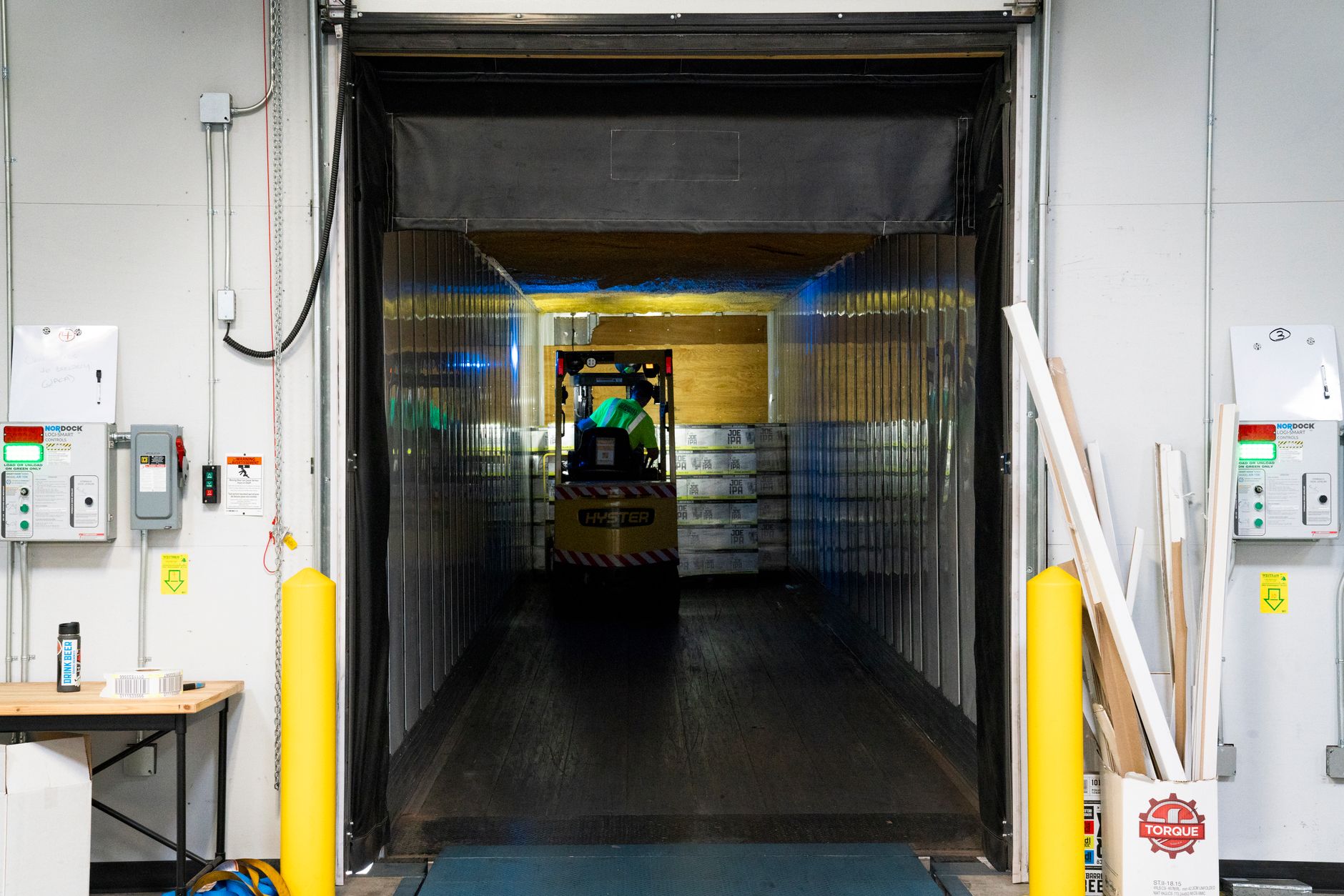
Most plants feel pain in three loops. First is raw roll intake to unwind staging. Second is core and sleeve supply to presses and rewinders. Third is moving finished reels to inspection, wrapping, or pallet build.
Ink and coating consumables often ride the same loop. They are lighter but still time-sensitive when a press is waiting on a color change. A small AMR fleet can run a scheduled milk run while lift trucks stay on exceptions.
Industry automation coverage also shows end-of-line boxing and palletizing gaining ground so converters can finish a cycle without adding headcount at the rewind. AMRs bridge the gap between those islands when inline transfer is not possible.
How should you plan routes around presses and people?
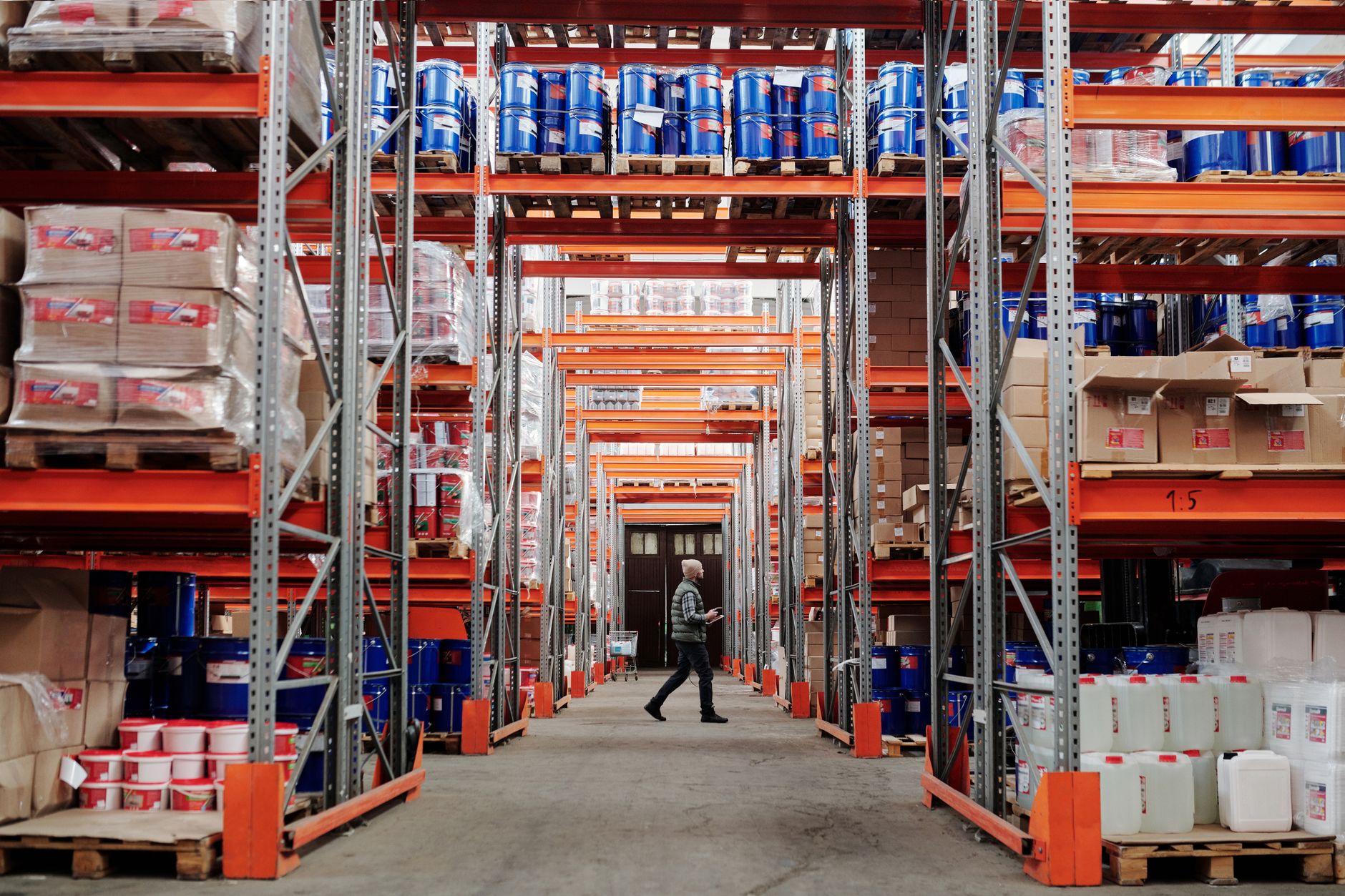
Press scheduling software tells you when material must arrive. AMR dispatch should read that clock, not fight it. Build time buffers for elevator delays, shift changes, and QC holds.
Natural-feature navigation works in many converting halls, but narrow lanes benefit from defined stop points at each press bay. Mark floor zones where the robot must pause until an operator clears the path.
Handoffs near operators need a visible rule set. Lights, horn patterns, or tablet confirmations beat silent approaches behind someone carrying a roll edge. Train crews on what the robot will do when a person blocks the lane, and what they should never try to fix manually while the load is moving.
What does load stability look like in practice?
Start with rated payload versus usable payload. A roll that fits within the spec on paper may exceed the safe center of gravity once wrapped in film.
Use cradles that support the roll at the core and along the lower arc. Anti-slip liners help on painted floors that get dusty from slitting. For dual-roll carts, specify whether the AMR platform allows independent restraint per roll.
Test stopping distance on the actual floor coating. Label plants often mix polished concrete near offices with rougher epoxy at receiving. Validation on both surfaces prevents surprises during a live shift.
How does financing and service change the rollout?
Many converters prefer monthly robot rental or lease structures so pilot lanes do not consume the same capex budget as a new press. Service Robot Co. selects AMRs across manufacturers, then bundles deployment, training, and nationwide field service so one partner owns the lifecycle.
Market analysts estimate the global autonomous mobile robot market at roughly $4.66 billion in 2026, which reflects how many plants are moving from trials to multi-shift use. Your plant does not need a giant fleet on day one. Two vehicles on the highest-friction loop often prove scheduling value within a quarter.
Keep spare cradle sets and a written exception playbook. When a roll arrives damaged, humans take over without disabling the whole fleet.
What should you measure in the first ninety days?
Track press wait time attributed to material delivery, not just press uptime. Compare before and after on the same SKU mix.
Log near-miss events and forced stops. A low incident count with rising trips per shift is healthier than high speed with frequent human interventions.
Capture operator feedback on handoff clarity. If people still step into lanes, fix signage and training before adding robots.
Review maintenance tickets for wheel wear, battery cycles, and cradle damage. Those early signals tell you whether the route design matches real traffic.
- Press wait minutes per shift tied to roll delivery
- Completed AMR trips versus canceled trips
- Handoff-related stops within three meters of operators
- Roll damage incidents traced to transport, not production