Key takeaways
- Prebuilt kit totes on AMRs cut repeated walks between backroom staging and department aisles during overnight resets.
- Sequenced kit drops by department keep high-traffic categories ready before low-priority aisles.
- Scan or tap confirmation on each drop creates an audit trail merchandising leads can trust.
- Returns of unused tags and damaged signage should ride back on the same loop to avoid morning clutter.
- Vendor-neutral integrators map overnight traffic, elevator rules, and charger placement before the first reset night.
Why do large stores struggle to move pricing kits during a reset?
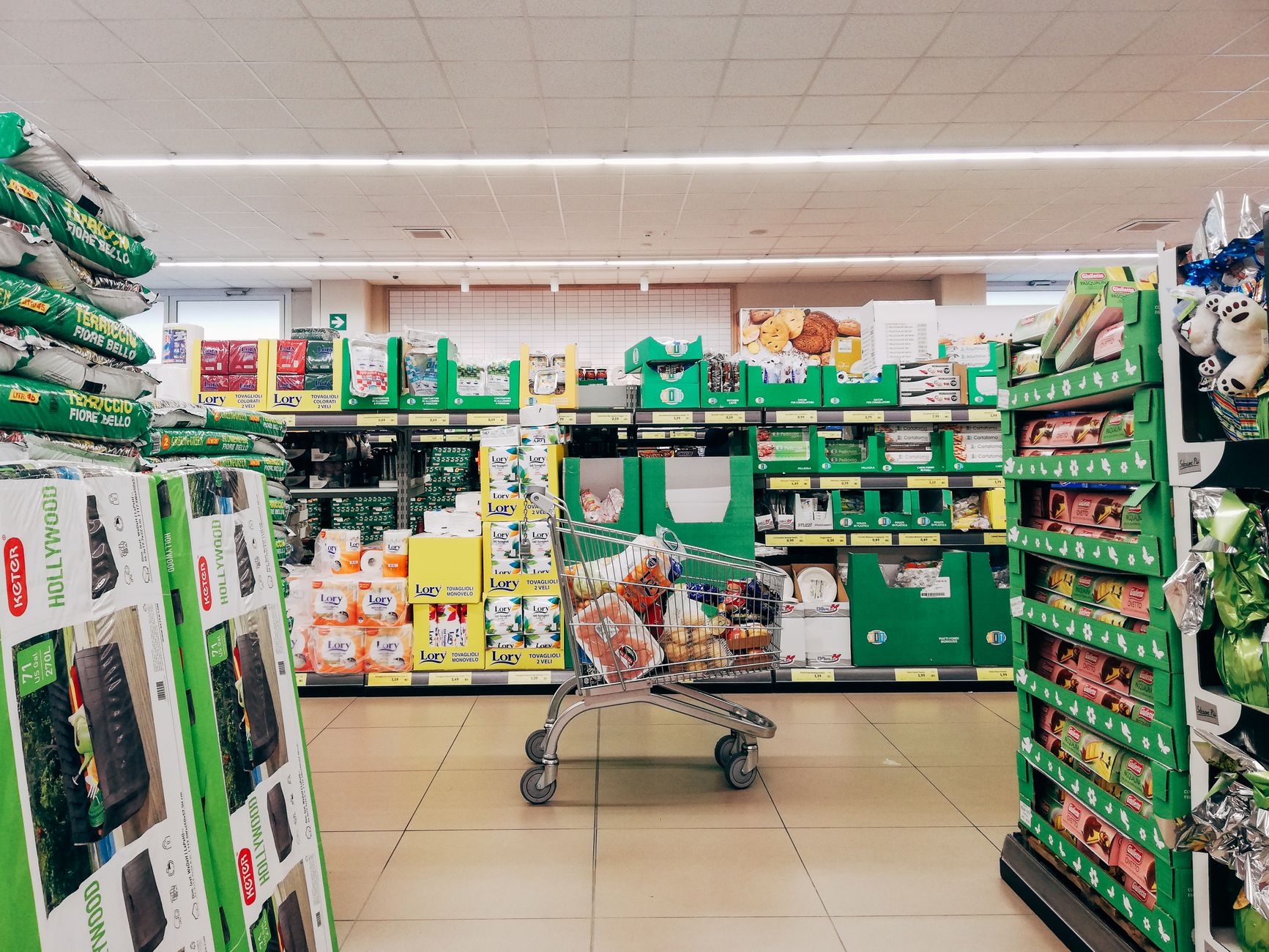
A category reset is rarely one task. It is hundreds of small moves: pull old tags, stage new ones, walk them to the right aisle, and hand them to a crew that may still be moving fixtures. When kits sit in a backroom while teams zigzag the sales floor, labor hours pile up and opening deadlines slip.
Autonomous mobile robots fit this problem because the work is repetitive transport with predictable stops. You load prebuilt totes by department, release the fleet after customer traffic drops, and let each unit follow a mapped loop while humans focus on fixture moves and shelf placement.
The payoff is not flashy autonomy on day one. It is fewer partial trips, fewer lost kits, and a clearer picture of which departments received which batch before the store opens.
What belongs inside a prebuilt price-tag and signage kit?
Treat each tote as a miniature pick list for one department or one planogram zone. Include printed or electronic price strips, shelf talkers, endcap signs, adhesive removers, and a short exception sheet for known trouble spots such as locked cases or temporary endcaps.
Color-code totes to match floor maps so overnight crews can grab the right bundle without reading a long manifest at 2 a.m. Keep heavy signage flat in labeled sleeves so it does not crush smaller tags.
Staging should mirror the sequence the floor will be reset, not the sequence boxes arrived from the print vendor. That small choice determines whether AMR loops save time or simply move confusion faster.
- One tote per department or planogram zone
- Exception notes for locked fixtures or promo zones
- Flat-packed signage separated from adhesive tags
- Return envelope for unused or damaged materials

How should kit sequencing work on an overnight reset?
Start with departments that set the tone for compliance: front end and high-shrink areas, then center store categories that drive the sales lift you are chasing. IHL Group’s 2026 inventory distortion research ties product location failures to more than $145 billion in global losses, which is a reminder that late kit delivery shows up as wrong prices and empty facings, not just labor waste.
Program AMR routes so the first stops feed crews already working near the dock or backroom staging lane. Later loops can serve perimeter departments when aisles are clearer. Avoid sending every tote on one giant path that crosses active forklift zones.
Build a short hold list for categories waiting on fixture installs. The robot can pause that stop until a supervisor releases it, which prevents tags from sitting on shelves that are still moving.
How do AMRs handle overnight traffic and safety rules?

Overnight resets still share space with cleaning crews, construction, and receiving. Map slow zones, blind corners, and dock approaches during daylight with the same cart width you will use at night. Test stopping distance on polished concrete after autoscrubbers run.
Set speed caps in narrow aisles and require audible cues at intersections. Many stores keep one human traffic captain who can pause the fleet from a tablet when an unexpected pallet appears.
If your building uses elevators or coiled doors, document who holds keys and how long a robot waits before rerouting. Those details belong in the runbook, not in someone’s memory on the first reset night.
What does task confirmation look like for merchandising leads?

Each drop point should end with a simple confirmation: scan the tote ID, tap the department, or photograph the handoff shelf. The goal is proof that the kit left the robot and reached the right zone before crews consume it.
Merchandising analytics teams already know compliance drift is expensive. Industry benchmark work on planograms has tied full reset compliance to sales lifts near 7.8 percent, while a 10 percent swing in compliance can move out-of-stock levels by about 1 percent according to long-running CPG research summaries. Confirmation data will not replace planogram audits, but it shows whether kits arrived on time for the crew to even attempt compliance.
Push exceptions to a single channel: missing tote, damaged signage, aisle blocked. When the captain resolves the issue, rerun just that stop instead of restarting the whole route.
Where does Service Robot Co. fit in a reset pilot?
We are a vendor-neutral integrator: select the AMR platform that matches your aisles, finance it on a monthly program if that fits capital plans, map routes with your merchandising leads, and stay on call through a nationwide engineer network when a wheel encoder or battery gate fails at 3 a.m.
A sensible pilot covers one store format with two to three AMRs, one backroom staging lane, and one high-priority department sequence. Prove kit timing and confirmation data before you scale to a hundred-store wave.
Bring us into the free site assessment before print vendors ship the first mega-batch. Charger placement, dock etiquette, and elevator rules are cheaper to fix on paper than during the live reset window.