Key takeaways
- Returns zones are a strong AMR use case because the work is repetitive, messy, and full of low-value cart movement.
- The best first moves are quarantine totes, repack materials, exception carts, and completed returns headed to inspection or disposition.
- The payoff is usually labor redeployment, shorter dwell time, and less congestion, not a flashy lights-out warehouse story.
- A good program depends on routing rules, exception handling, charging, and service support as much as the robot itself.
Where do AMRs actually help in returns operations?
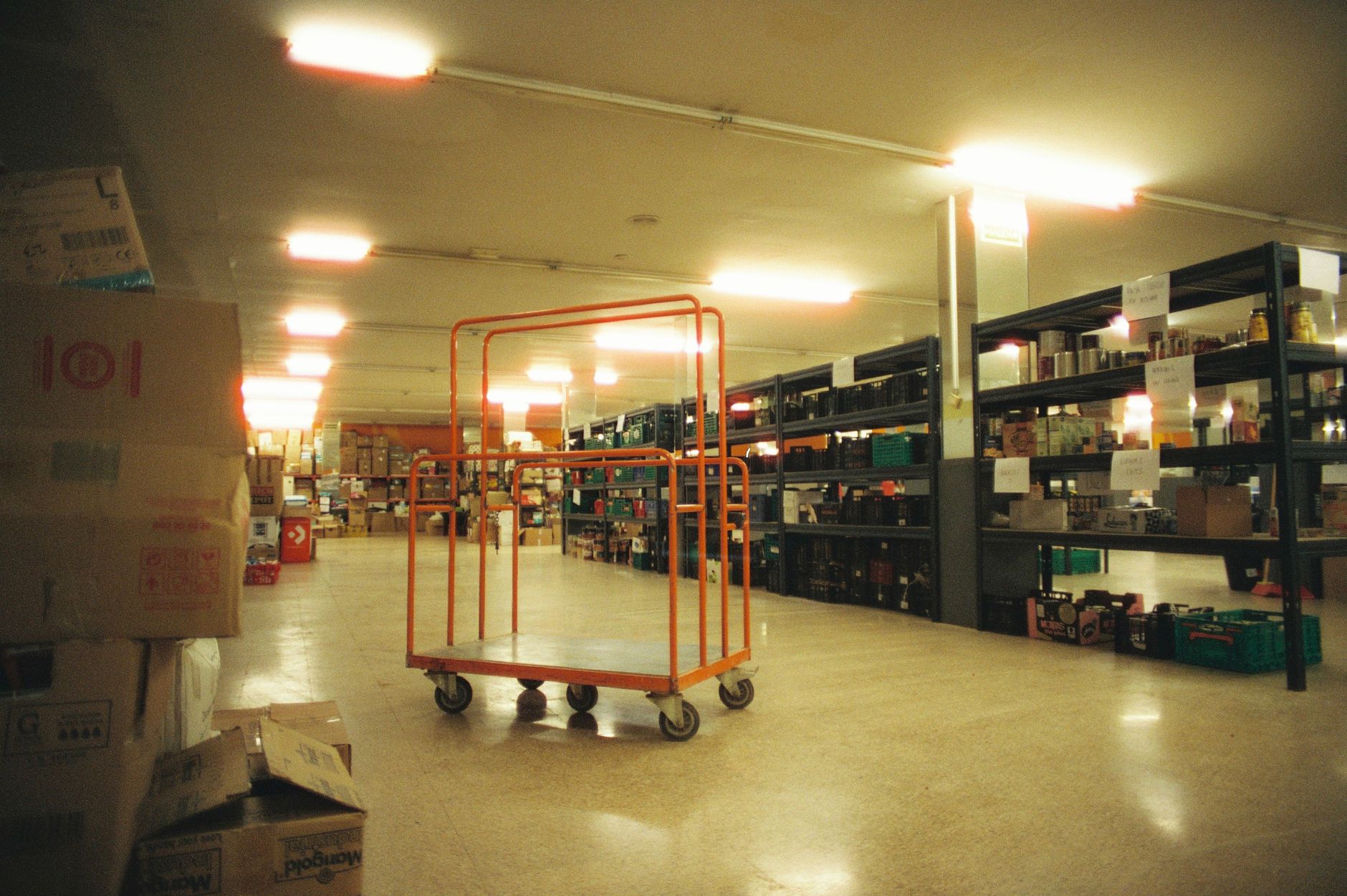
Yes. AMRs can be a very practical fit for returns processing in e-commerce warehouses, especially in the reverse-logistics zones that nobody enjoys operating. The sweet spot is not glamorous pallet flow. It is the constant shuttling of returned items, quarantine bins, repack supplies, damaged-goods carts, and exception loads through crowded aisles and temporary staging pockets.
That matters because returns are no side issue anymore. According to the National Retail Federation, retailers projected $890 billion in returns in 2024, equal to 16.9 percent of annual sales. The U.S. Census Bureau reported on August 18, 2026 that e-commerce represented 17.1 percent of total U.S. retail sales in the second quarter of 2026. More online sales usually mean more reverse flow, more touches, and more pressure on the least orderly part of the building.
In plain terms, AMRs help when your people are spending too much of the day walking carts instead of inspecting product, making disposition calls, repacking merchandise, or clearing exceptions. If the zone feels jammed, noisy, and oddly manual despite plenty of warehouse technology elsewhere, that is exactly why this sub-process deserves its own automation plan.
- Best first tasks: move returns from induction to inspection, carry quarantine loads to hold areas, replenish repack stations, and haul completed exception carts to downstream staging.
- Bad first tasks: highly variable oversized items, unstable loads, and flows that still change every hour because the process itself is not settled.
Why is the returns zone such an ugly workflow?
Forward logistics likes rhythm. Reverse logistics rarely gets it. The zone receives mixed items in mixed packaging with mixed quality, and every tote seems to need a different answer. One cart is headed for inspection, the next for quarantine, the next for photo capture, the next for liquidation prep, and the next back to stock if it can be cleared fast enough.
That complexity is expensive. McKinsey wrote in February 2026 that U.S. consumers returned nearly $1 trillion in merchandise in 2024 and that retailers spend an estimated $200 billion each year to recover value from returned goods. In the same research, more than half of surveyed supply chain executives said dispositioning was their biggest returns challenge.
The transport work wrapped around those decisions is what clogs the zone. People push half-full carts because the right bin is across the department. They wait for space near quarantine. They make extra trips for dunnage, labels, cartons, and replacement packing materials. None of that creates value, but all of it consumes labor and floor space.
- Common congestion points: induction tables, quality-check benches, quarantine cages, repack stations, photo or claims desks, and exception staging near outbound doors.
- Common low-value travel: empty-cart returns, partial-cart consolidations, repack supply runs, and hand-carrying single exceptions that interrupt higher-skill work.
Which return moves are best to automate first?
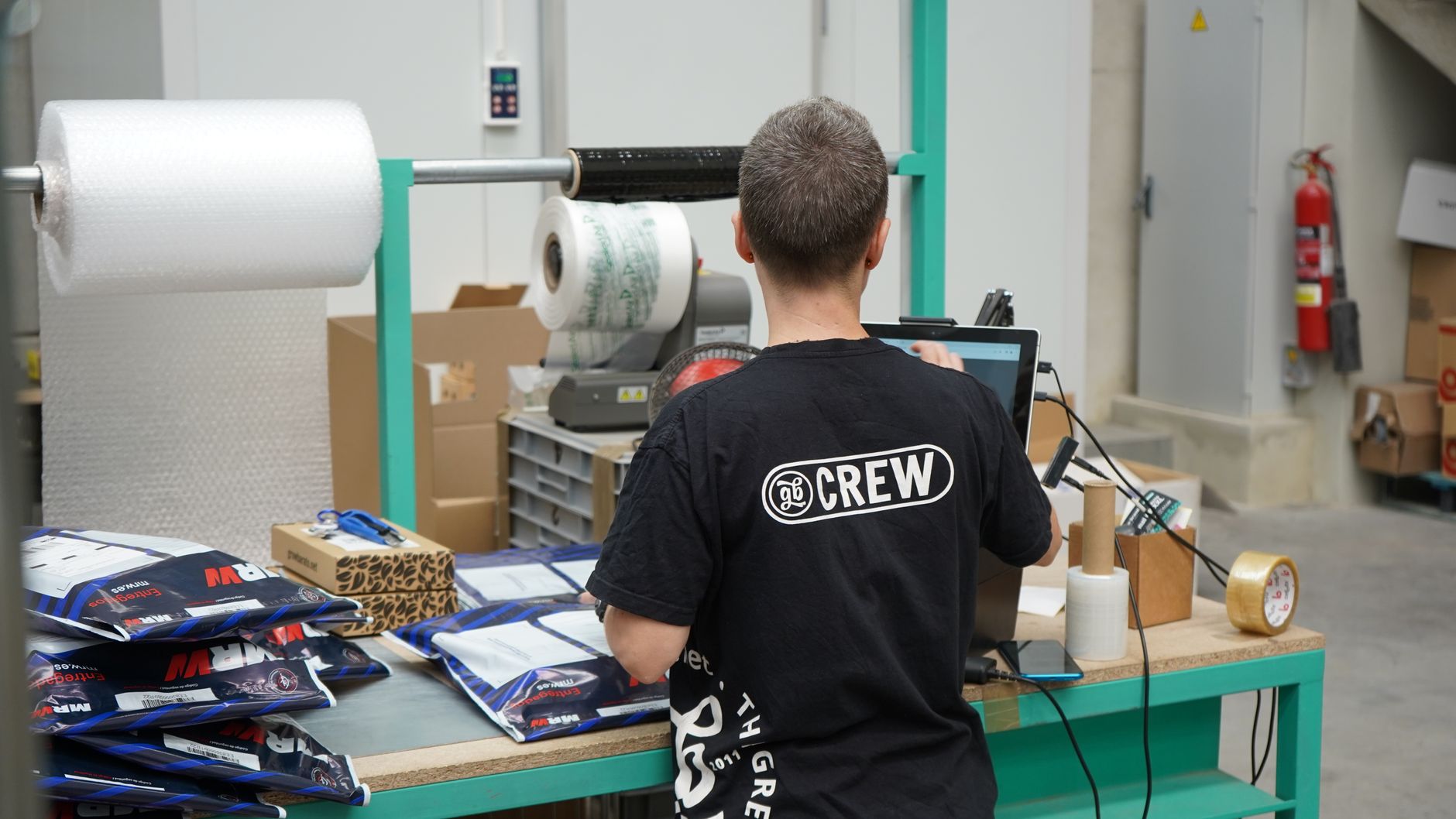
The winning pattern is simple: automate the short, repeatable trips that happen all day and steal attention from skilled staff. A returns associate who should be grading product condition or deciding disposition often ends up serving as an on-foot courier. AMRs are useful when they absorb those courier loops.
Quarantine traffic is usually near the top of the list. The same is true for repack-material replenishment, exception carts headed to secondary review, and finished returns moving from inspection to the next disposition point. These are frequent, predictable moves even when the items inside the cart vary.
Another reason to start here is cycle time. McKinsey found that in-store returns restocked in store average 12 to 16 days faster than slower return paths such as mail return and warehouse restock. That number is not a one-to-one warehouse metric, but it underscores the point: every extra handoff and every extra day in limbo erodes recovery value. In the warehouse, that makes fast internal movement more important than many teams realize.
- High-fit payloads: totes, bins, gaylords with controlled weight, replenishment cases, folded cartons, labels, inserts, and sealed exception carts.
- High-fit triggers: full cart, timed milk run, call button, WMS status change, or scanner event at induction and inspection.
What operational problems do AMRs reduce, besides labor minutes?
Labor savings matter, but the broader gain is flow discipline. Once cart movement becomes scheduled, visible, and system-triggered, the returns area usually gets calmer. Workstations stay stocked. Quarantine no longer grows in random corners. Exception loads stop disappearing into the gray space between departments.
There is also a safety and ergonomics case. The CDC notes that work-related musculoskeletal risk rises with force, repetition, awkward posture, twisting and carrying loads, and even excessive force while pushing a cart. Returns work combines many of those exposures with stop-start congestion and frequent redirection.
AMRs do not erase all manual handling. People still touch product, inspect it, and make judgment calls. But they can remove a meaningful share of the dead walking and cart pushing that wears down a shift, especially during peak periods when the zone is overflowing and supervisors are borrowing labor from elsewhere.
- Expected gains: fewer cart pushes, less cross-traffic, steadier workstation replenishment, better queue visibility, and cleaner handoffs between inspection, quarantine, and repack.
- What to measure: touches per return, average dwell time by lane, replenishment response time, quarantine age, and exception backlog by hour.
How should the workflow be designed so the robots do not add chaos?
This is where many pilots go wrong. The robot is not the hard part. The hard part is deciding exactly when a load is ready, where it should wait, who can override the move, and what happens when the destination is full. If those rules are vague, the fleet simply moves confusion around faster.
A useful design starts with named nodes, not free-form travel. Induction, inspect, hold, repack, photo, fraud review, quarantine, and disposition staging should each have a specific pickup and drop behavior. Loads also need classes. A suspected fraud tote should not follow the same queue logic as a carton run for a repack bench.
Exception handling deserves special attention. Reverse logistics always produces oddballs: leaking goods, open blades in packaging, mixed serial numbers, hazmat flags, and oversize returns that do not belong on a normal cart route. Those must have an explicit manual lane. Good AMR design narrows the mess. It does not pretend the mess disappears.
- Define clear pickup rules before deployment.
- Create dedicated waiting pockets so robots do not block manual carts.
- Use simple visual signals or scanner events to request transport.
- Set full-destination behavior so robots reroute or queue instead of idling in the aisle.
What systems and site details matter most?
Returns transport works best when it is tied to the warehouse systems that already govern status. A scan at induction can create the first move. A quality code can trigger quarantine instead of restock. A repack station can request cartons or void fill based on actual consumption rather than a supervisor walking the floor and guessing.
Physical site details matter just as much. Reverse-logistics zones often live in brownfield corners with mixed floor conditions, temporary rack, swing doors, and short-term staging creep. Charging placement, Wi-Fi quality, pedestrian pinch points, and cart dimensions will shape the outcome more than a polished slide deck ever will.
This is where an OEM-neutral partner earns its keep. Service Robot Co. acts as a vendor neutral robot integrator for U.S. businesses, which matters when the best answer is not a single brand story but the robot that fits your floor, payload, software stack, and service expectations. For a warehouse operator, one partner for robot deployment and integration, training, maintenance included plans, and on-site dispatch is far easier to manage than stitching together the lifecycle alone.
What does a sensible business case look like?
The disciplined business case is built around labor redeployment, peak resilience, and inventory velocity. NRF reported that for the 2024 winter holidays, retailers expected return rates to run 17 percent above their normal annual rate. The same NRF release said 40 percent planned to seek extra third-party logistics support and 34 percent planned to hire additional seasonal staff for returns processing. Those are signs of a process that still spikes painfully.
In that setting, AMRs can help flatten the scramble. The right question is not only how many labor minutes a cart move costs. It is how much value is lost when inspection benches starve for supplies, quarantine overflows, or sellable merchandise waits another shift to be touched.
For some operators, a warehouse robot rental or autonomous mobile robot rental model will make more sense than an outright purchase, especially when volumes are seasonal or the building network is still changing. Service Robot Co. can support robot leasing for business, monthly payment programs, and service robot rental structures when a customer wants to pilot the workflow first and then scale with one partner, one number, and a nationwide service footprint.
When is this the wrong automation project?
AMRs are not the answer if the returns process is still a moving target with no stable lane logic, no ownership, and no disposition discipline. If supervisors cannot agree on where quarantine starts, who clears exceptions, or how repack is replenished, the priority is process control first and transport automation second.
It is also a weak fit when the loads are mostly oversized, highly fragile, or too infrequent to justify dedicated routes. In those cases, fixed staging changes, better slotting, or a simple tug workflow may beat a mobile fleet.
The good news is that returns transport is usually modular. You do not need to automate the entire reverse operation in one shot. Start with one loop, prove that the zone moves cleaner and faster, and then add adjacent loops once the handoffs are stable.