Key takeaways
- AMRs can cover repeatable specimen runs when compartments, seals, and logs match your existing chain-of-custody rules.
- Triple packaging and documented Category B training still govern every tube, even when a robot carries the box.
- Urgent STAT runs need a clear override path so the robot never becomes the slowest step in the lab queue.
- Hospital lab data shows robotic couriers can cut mean turnaround time by double-digit minutes when routes are short and frequent.
- A vendor-neutral integrator maps floors, trains staff, and keeps service on one number as you add units.
Can an AMR really carry veterinary specimens indoors?
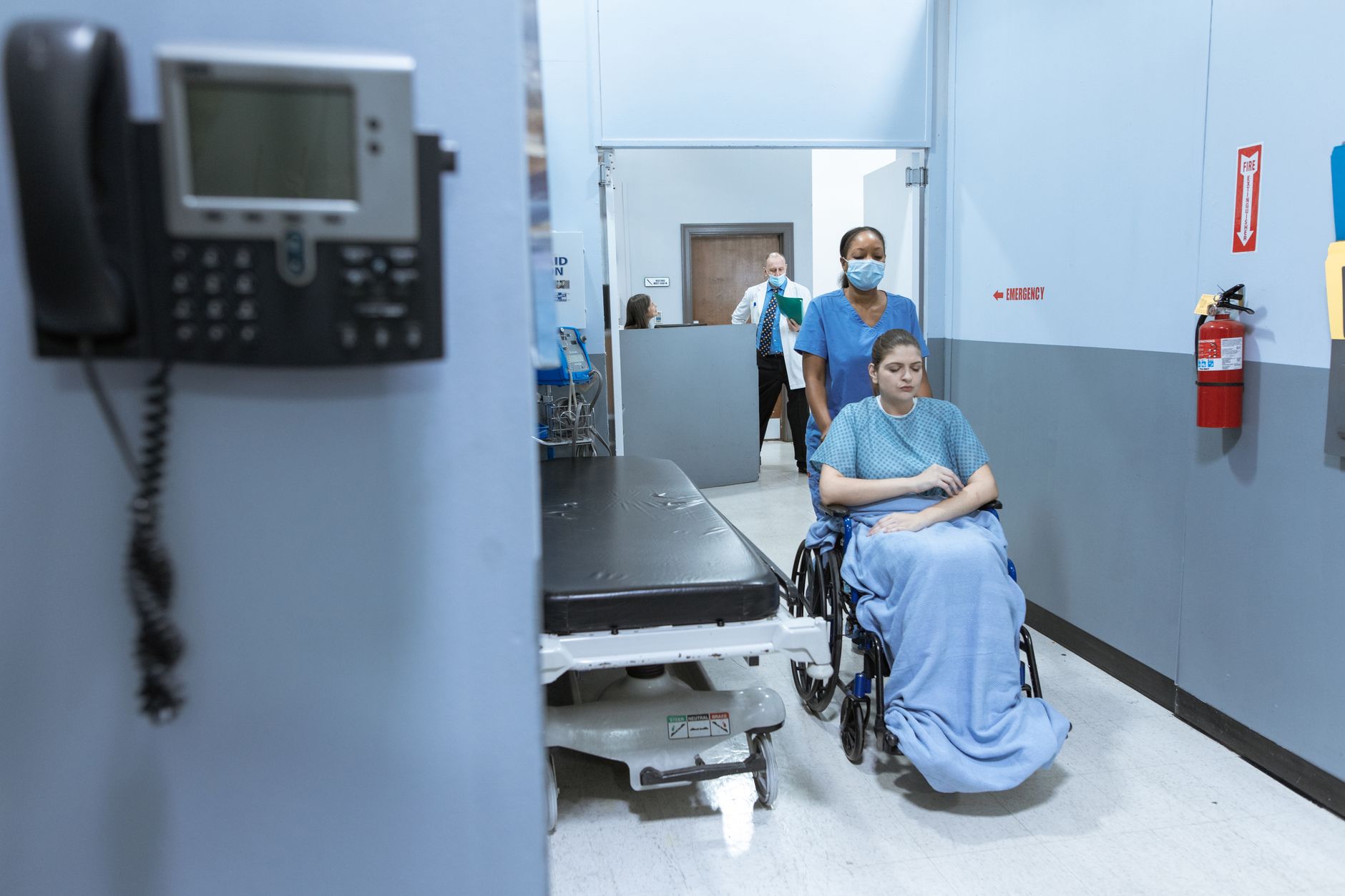
Yes, for many hospitals, an autonomous mobile robot can move sealed specimen totes between exam rooms, treatment areas, in-house lab benches, and refrigerated storage when the workflow is repetitive and the route is mapped. The robot is not a clinician and not a courier company. It is a predictable cart on a schedule or on demand, with locked compartments and an audit log.
The honest limit is packaging and custody. If staff already follow triple-layer barriers, absorbent material, and patient ID on every primary tube, the AMR simply becomes the next documented handoff. If packaging is sloppy, automation only moves the mess faster.
Busy multi-doctor practices, emergency hospitals, and specialty referral centers feel the pain first. Nurses and assistants make dozens of short walks per shift with blood, urine, cytology jars, and biopsy containers while phones ring and patients crash. That is where an AMR rental or month-to-month pilot often starts, not because robots are trendy, but because the hallway miles add up.
What does chain of custody look like on a robot route?
Chain of custody is the paper and digital trail that shows who had the sample, when it moved, and whether the seal stayed intact. Merck Veterinary Manual guidance is blunt: when legal action is possible, containers should be sealed so tampering shows, or hand-carried with a receipt, and custody must be documented accurately.
On an AMR loop, each pickup should record staff ID, tote ID, time, and destination bay. The compartment should stay closed until the lab tech acknowledges receipt on a tablet or scanner. If someone opens a door mid-route, the log should flag an exception before the sample is accessioned.
That is the same discipline you would use for a human runner, only the robot supplies timestamps and camera or weight checks if you configure them. Service Robot Co. can help wire those checkpoints into your existing LIS or practice management exports during deployment, without naming a single hardware brand in the SOP.
How should spill containment and secure compartments be designed?
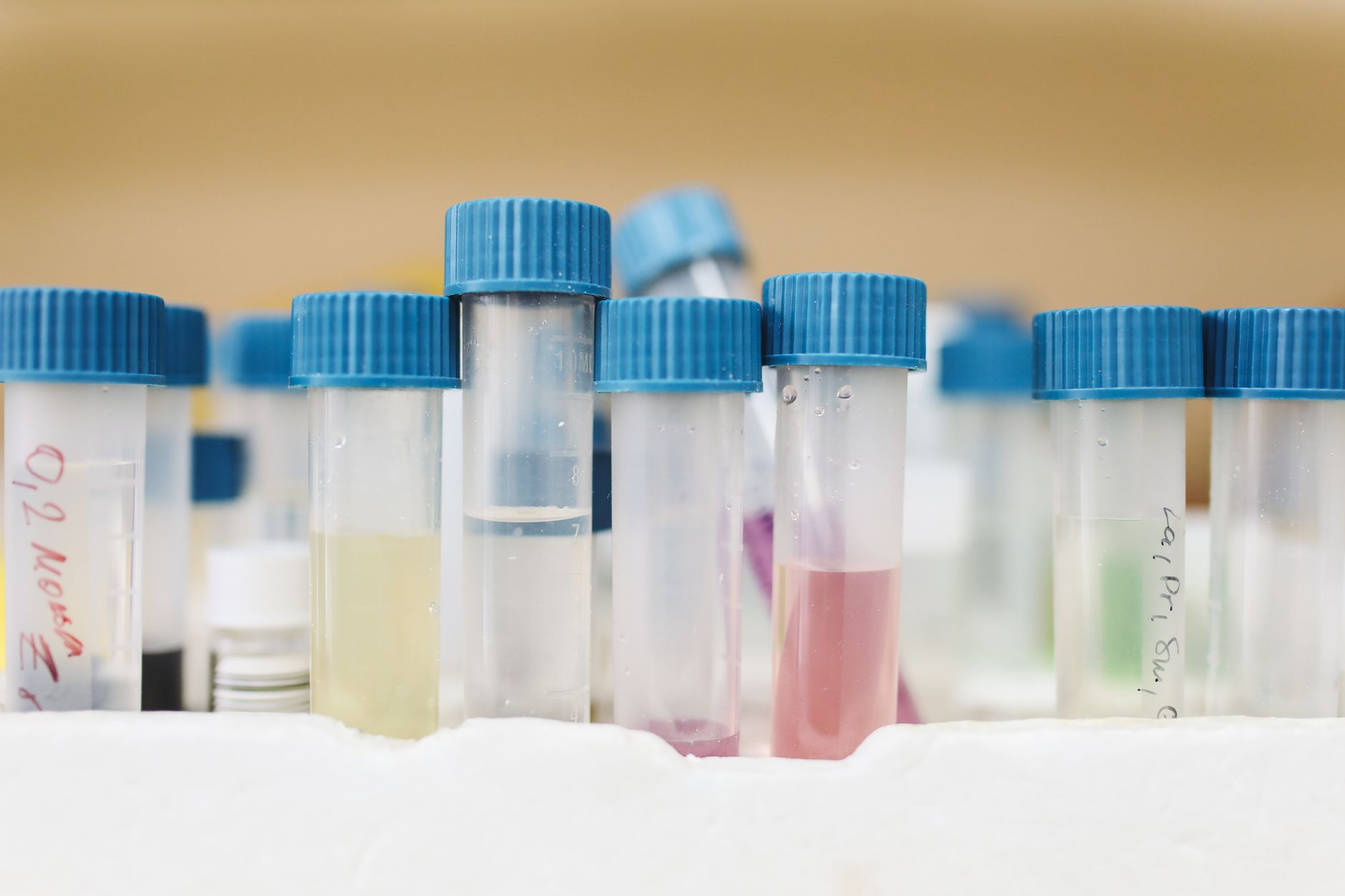
Oregon State University's veterinary diagnostic laboratory tells clients that improperly packaged or leaking containers trigger biohazard fees and may cancel testing if integrity is gone. Your AMR payload area should assume that worst case: sealed secondary bags, rigid totes, and absorbent liners that meet the same triple-packaging mindset.
Compartments work best when they are sized for your actual jars and Vacutainer racks, not generic lunch boxes. A latch or electronic lock beats a bungee cord. Separate chilled and ambient slots if refrigerated storage sits down another hall.
Cleaning protocols after a leak should be written before go-live. The AVMA reminds practices that Category B infectious substance shipping requires documented training for everyone who packages or transports samples, with records kept for at least three years. Include the robot bay and wipe-down steps in that training binder so overnight cleaning crews know which disinfectants touch plastic versus stainless.
Where do urgent STAT runs fit?
STAT work breaks batch thinking. A robot scheduled every twenty minutes is perfect for routine chemistry panels and morning urinalysis batches. It is wrong for a crashing parvo case unless you add a priority dispatch button that preempts the queue.
Write rules early: which tests trigger immediate dispatch, who can authorize it, and whether a human still carries truly irreplaceable legal exhibits. The robot should never be the only path to the lab.
In human hospitals, early evaluations of autonomous couriers cut mean specimen turnaround from 122.64 to 106.72 minutes for routine glucose specimens during weekday hours, according to a 2025 analysis of thousands of samples. Veterinary teams should expect similar gains on high-volume, short-distance routes, not instant magic on every exotic panel.
Which hospital layouts help AMRs succeed?
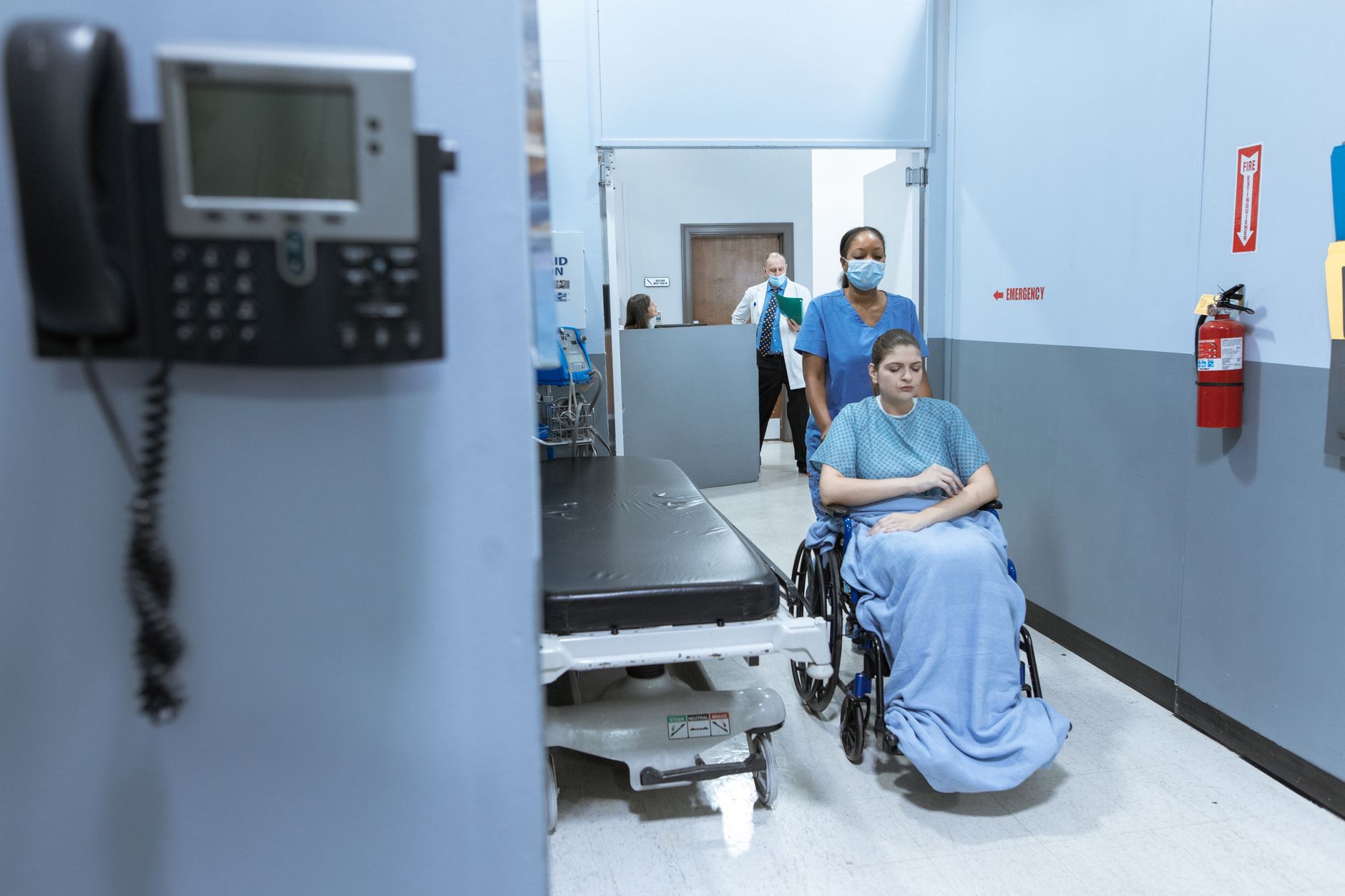
Wide corridors, automatic doors, and a single core lab win. Split campuses with outdoor shortcuts or steep ramps need more mapping time and weather planning for any handoff cart.
Elevator integration is the hidden schedule killer. If your building already struggles with shared lifts between ICU and imaging, solve human traffic first, then add the robot as a known occupant with a dedicated call macro.
Night shift routes differ from day shift. Emergency hospitals that run triage, surgery, and blood bank draws after midnight should map dim-light LiDAR behavior and quiet drive profiles so kenneled patients stay calm.
- Map distance from treatment to in-house analyzer versus reference lab pickup fridge
- Note floor transitions where spill trays need extra grip
- List doors that must stay closed for isolation wards
- Identify times when human runners still required for legal specimens
What about temperature control and reference lab handoffs?
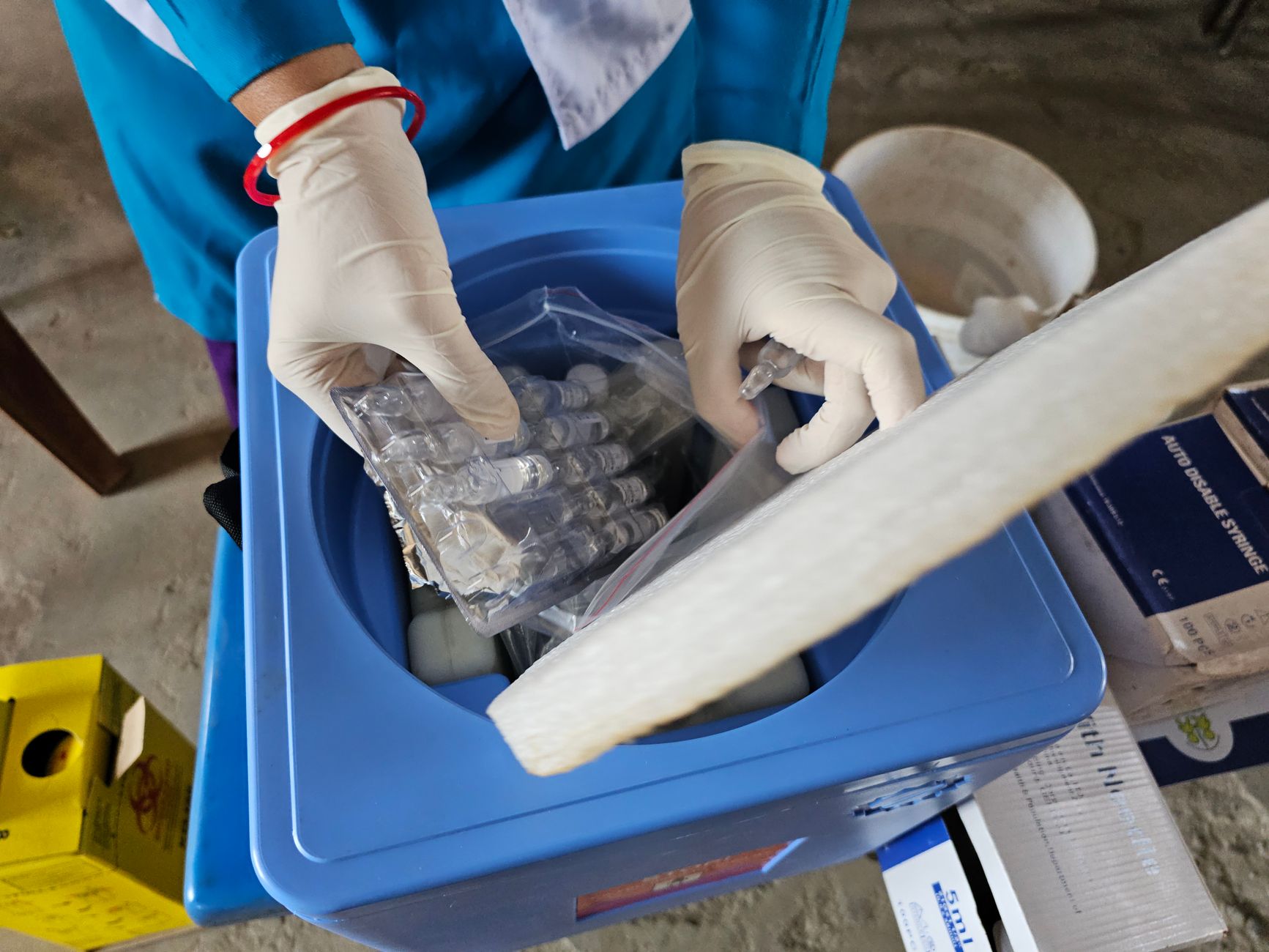
APHIS packaging guidance for diagnostic submissions stresses dry ice rules, 95 kPa containers, and volume limits when samples sit in transit more than 48 hours. Indoor AMR hops are shorter, but refrigerated lines still matter for glucose, ammonia, and certain cytology preparations.
Use validated cooler inserts with temperature loggers in the tote, not hope. When a courier picks up for an external lab, the robot should deliver to a single staging fridge with a checklist, not to a random counter.
Month-to-month robot leasing helps seasonal referral spikes, like tick-borne disease panels in spring, without capitalizing a cart that idles in winter. Maintenance included contracts matter because casters and battery doors see bleach often.
How do you pilot without disrupting the treatment floor?
Start with one loop: morning bloods from wards to centrifuge, then to chemistry. Measure walks saved, exceptions, and lab TAT before adding histopath runs or fecal floats.
Run parallel manual carries for two weeks so clinicians trust the log. Publish exception reasons openly: door blocked, tote overweight, cancelled draw.
Service Robot Co. fits here as the vendor-neutral integrator: free site assessment, finance options, deployment mapping, staff training, and nationwide service engineers when a wheel or sensor needs attention. You keep one partner number while the hospital chooses compartments and routes that match your caseload.
What should you ask before signing an AMR program?
Ask how the fleet records custody events, how compartments are sanitized between species, and how quickly you can swap a loaner unit if a motor fails during Saturday ER rush.
Ask whether software exports align with your lab accessioning steps, and whether urgent overrides are configurable without a factory ticket.
Ask for proof from similar multi-species practices, not just human hospital brochures. The packaging law is the same; the hallway culture is not.