Key takeaways
- AMRs fit best on repetitive indoor runs between stores, benches, and hangar positions, not on every movement inside an MRO.
- In aircraft maintenance, the buy case is less about generic labor savings and more about traceability, reduced walking, cleaner aisles, and tighter FOD discipline.
- The strongest deployments use fixed handoff points, sealed payloads, and route rules that respect tow paths, wingtip clearances, and live-aircraft work zones.
- A mixed-fleet, OEM-neutral integrator matters because MRO buyers need integration, training, service coverage, and lifecycle support as much as the robot itself.
Do AMRs make sense inside an aircraft MRO facility?
Yes, but in a narrower and more valuable lane than many automation decks suggest. In an aircraft maintenance, repair, and overhaul facility, AMRs make the most sense on repetitive back-of-house runs: tool crib to line bench, stores to hangar position, kitting area to dock, paperwork station to inspection desk, and consumables room to active work package. Those are the trips that drain technician time without adding judgment, craftsmanship, or inspection value.
That matters more in 2026 than it did a few years ago. According to IATA on June 24, 2026, the aircraft order backlog is over 18,000, the average fleet age has reached a record 15.2 years, and supply chain failures cost airlines at least $11 billion in 2025. Older fleets and delayed replacements mean more maintenance pressure, more parts churn, and more internal material movement inside MROs.
The point is not to send robots wandering around a live hangar because autonomy looks modern. The point is to take the long, repetitive, interruption-heavy transport work away from A and P technicians, inspectors, leads, and store clerks so they spend more of the shift on airworthy work and less on shoe leather.
Which internal moves are the best first candidates?
The best first candidates share three traits. They happen many times per shift, they follow a limited set of routes, and the payload can be handed off in a controlled way. That usually points to tools, calibrated equipment moving between known stations, parts kits for scheduled tasks, paperwork packets, sealants, hardware, PPE, and routine consumables.
A good MRO pilot usually starts with one building or one hangar complex, not the whole campus. You map the top 20 to 40 transport calls, strip out the one-off emergencies, and automate the loops that are boring enough to be predictable but important enough to happen every day.
In practice, the highest-fit jobs often look less glamorous than executives expect. A robot that keeps torque tools, fastener kits, tagged parts, and paperwork flowing to the right bay at the right time can do more for throughput than a splashy automation project that touches the aircraft itself.
- Tool crib to bench returns and replenishment
- Stores to pre-kitting and pre-kitting to aircraft bay
- Consumables runs for sealants, tapes, lubricants, PPE, and shop supplies
- Paperwork and document packet moves between planning, inspection, and work cells
- Quarantine or inspection-hold moves for tagged parts that need controlled handoff
What does a workable route network look like in a hangar?
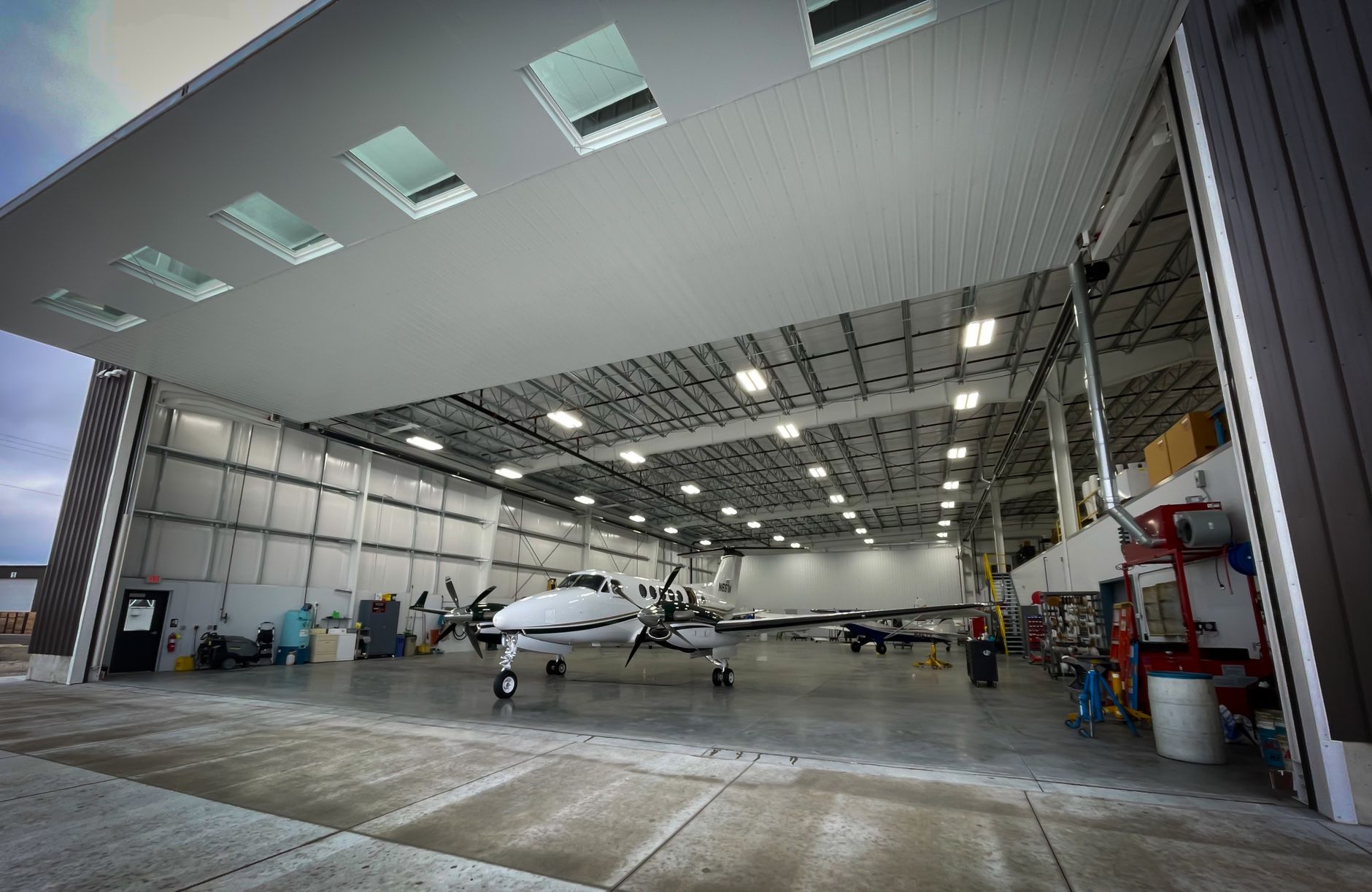
Aircraft MRO is not a warehouse with long, static aisles. Floor conditions change by shift. Stands move. Carts appear where no one planned them. A work zone that was open at 9 a.m. may be barricaded at noon because an engine stand, lift, or tail dock moved into place. That is why the route design matters more than the robot brochure.
The most workable layouts use protected corridors around the edge of the hangar, cross-aisle windows with right-of-way rules, and tightly defined handoff points near but not inside the densest work area. The last 20 feet often matters more than the first 200. If the robot can reach a controlled drop point without entering the cluttered center of the job, the deployment is usually cleaner and safer.
Payload discipline matters too. Open totes are a bad habit in aircraft environments. For MRO use, payloads should be closed, latched, and easy to inspect, with physical separation between clean paperwork, loose hardware, chemicals, and return items. The robot route and the payload design have to be treated as one operating method, not two separate purchases.
Why do traceability and paperwork control matter so much here?
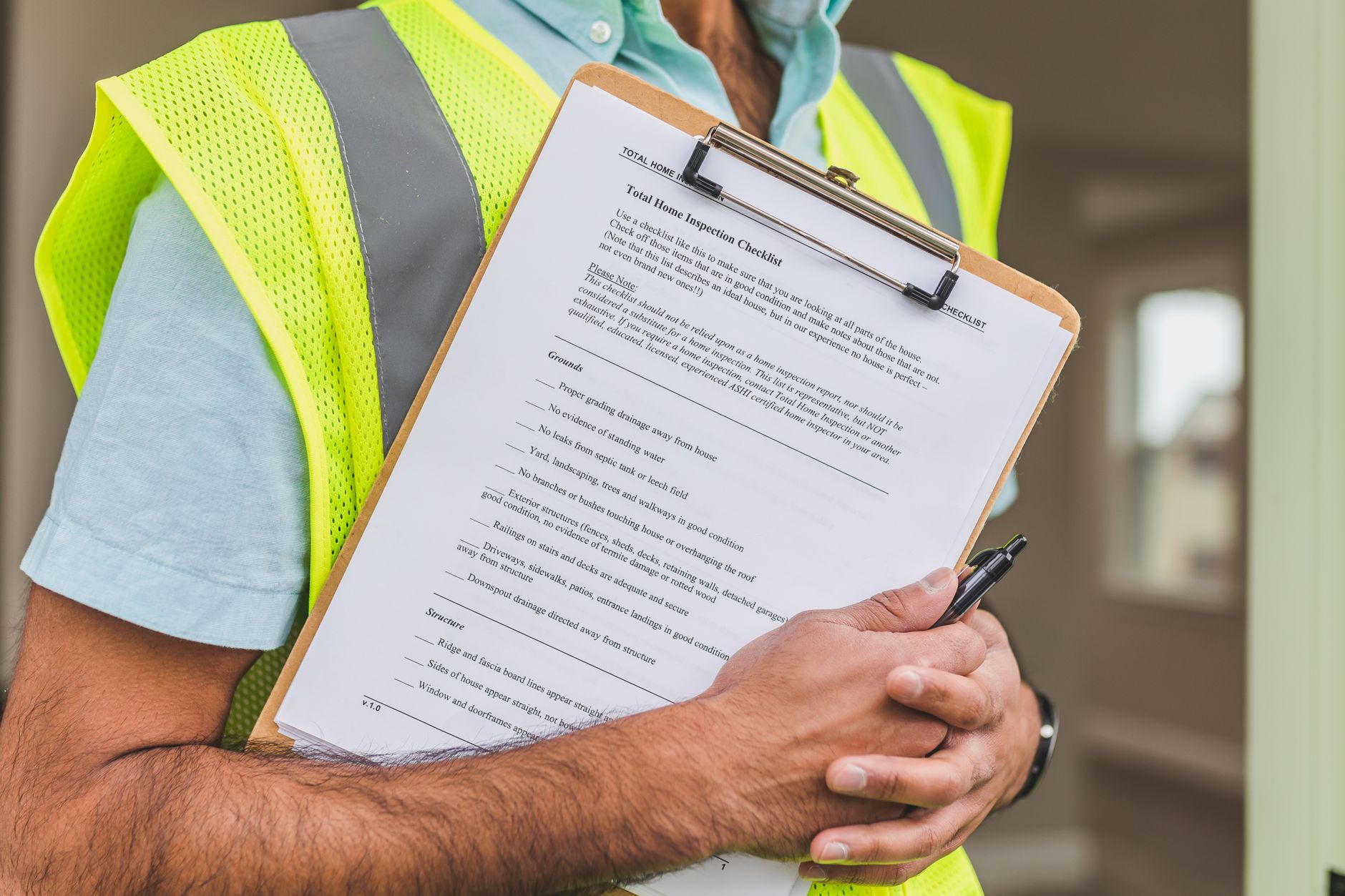
Aircraft maintenance buyers care about custody, status, and documentation. A tote arriving quickly is not enough if no one can prove what was inside it, who requested it, when it left stores, where it paused, and who accepted it. That is why AMRs in MRO should be specified as traceability equipment as much as transport equipment.
FAA requirements reinforce that mindset. Under 14 CFR 145.109, tools, equipment, and required maintenance data must be under the repair station's control, and current documents and data must be accessible when relevant work is being done. Under 14 CFR 145.221, a certificated repair station must report certain serious failures, malfunctions, or defects to the FAA within 96 hours after discovery. Clean handoffs and timestamps support that discipline, even when the robot is only moving items inside the building.
The documentation side is getting more digital as well. FAA Advisory Circular 120-78B, issued December 11, 2024, provides guidance for electronic signatures, electronic recordkeeping, and electronic manuals. That creates a better fit for AMR workflows that tie a transport request to a digital work card, a parts pick, an inspection hold, or an electronic signoff trail instead of relying on phone calls and handwritten chase notes.
How do AMRs help with FOD discipline and aisle congestion?
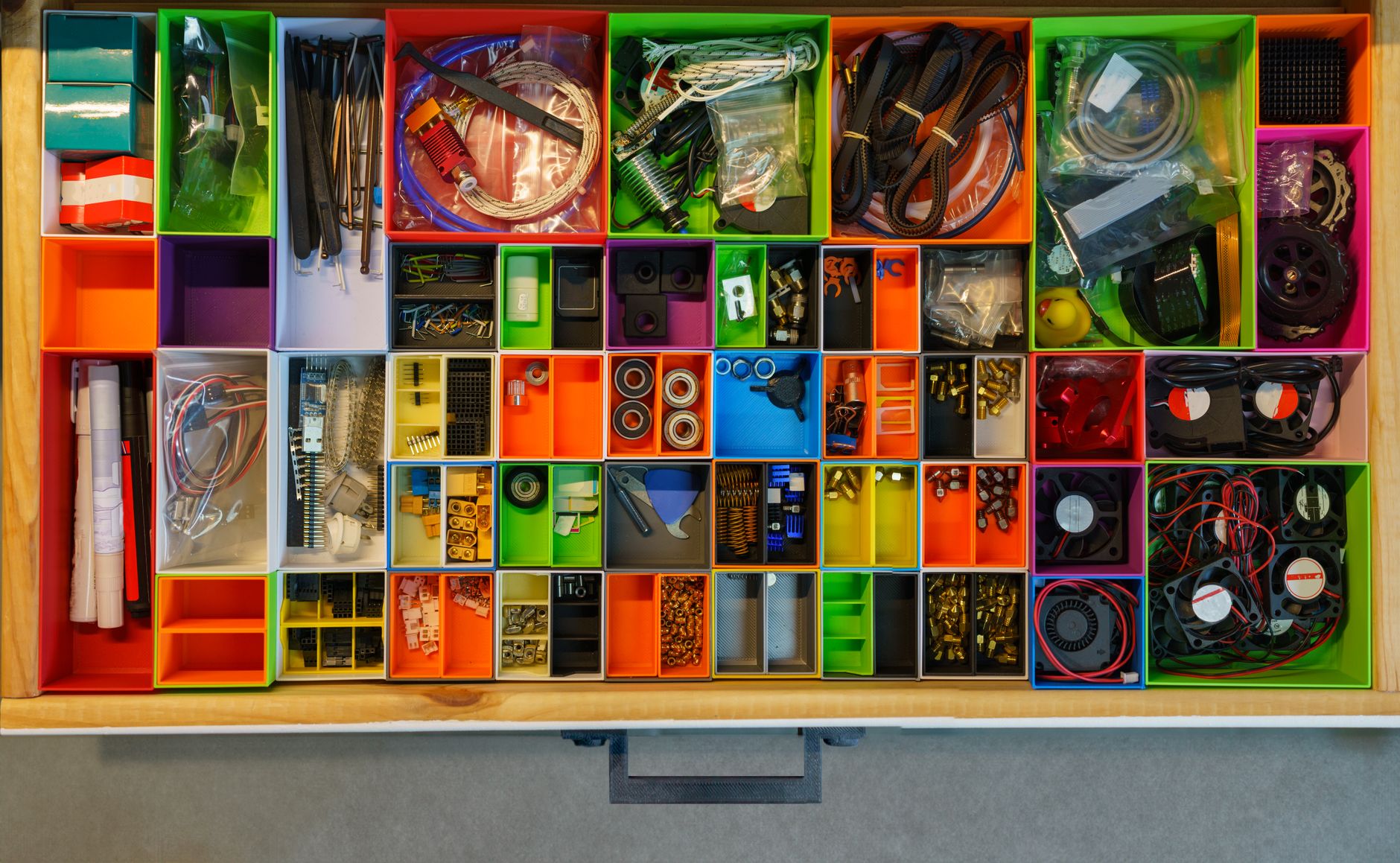
This is where a well-run AMR program can earn trust fast. FOD control in maintenance spaces lives or dies on routine behavior: fewer loose items in transit, fewer ad hoc cart parks, fewer interrupted hand-carries, and less traffic cutting through active jobs. According to the FAA's Foreign Object Debris Program, FOD creates safety hazards and can damage aircraft. In a hangar, that logic applies long before anything reaches the runway.
The robot does not remove FOD risk by itself. In a sloppy process, it can add to it. But when the operating method is strict, sealed payloads, designated docks, no loose overhang, no unauthorized stops, and a defined reject procedure for damaged containers, AMRs can reduce the number of half-managed human carry runs that scatter packaging, tags, paper, and small items across the floor.
Congestion is the second gain. MRO leaders know that aisle blockage often comes from accumulation, not one dramatic obstruction. A robot program that pulls routine internal transport into scheduled loops can cut down on the extra hand carts and one-off store runs that keep lanes messy. The target is not speed for its own sake. It is a calmer floor with clearer sightlines and fewer unnecessary crossings between people, tugs, lifts, and aircraft access equipment.
Where do buyers get the integration wrong?
They buy for payload and navigation first, then discover the real project is workflow control. In aircraft MRO, the hard part is not proving that a robot can move indoors. The hard part is connecting dispatch, parts status, kitting rules, work-package timing, exception handling, and acceptance at the destination.
FAA Advisory Circular 20-154A, issued July 3, 2024, says receiving inspection systems should establish sufficient traceability so operators can determine articles were manufactured or previously determined airworthy under the proper rules and standards. That same discipline should shape internal AMR workflows. A robot move should preserve status, not blur it. Picked is not inspected. Delivered is not installed. Returned is not serviceable. The software and SOPs need those distinctions.
This is where Service Robot Co. fits naturally. For U.S. operators that do not want to manage multiple vendors, Service Robot Co. acts as an OEM-neutral commercial robot integrator that selects the right platform, handles financing, deployment, integration, training, and service, and supports the fleet through a nationwide U.S. engineer network. In MRO, one accountable partner matters because uptime, handoff rules, and site support matter as much as the mobile base.
What does the labor and throughput case actually look like?
The labor argument is real, but it should be framed correctly. According to the U.S. Bureau of Labor Statistics, aircraft and avionics equipment mechanics and technicians employment stood at 160,800 in 2024, with about 13,100 openings projected each year on average from 2024 to 2034. Boeing's 2026 Pilot and Technician Outlook projects 728,000 new maintenance technicians will be needed globally over the next 20 years. In other words, skilled maintenance labor remains too scarce to waste on internal fetch work.
That does not mean every MRO should expect a dramatic headcount reduction. Most will not. The better result is higher wrench time, faster kit arrival, fewer interruptions to inspectors and leads, and better schedule adherence on planned work. In a live maintenance environment, shaving a handful of non-value trips from each technician's day can matter more than a glossy percentage on a labor slide.
The throughput case strengthens further when supply chains stay stressed. IATA's June 2026 supply chain update called for better visibility, better integration, and stronger use of digital tools across the aviation aftermarket. Internal AMR runs support exactly that kind of discipline when they are tied to kitting, inventory state, and work-package timing rather than used as a gadget layered on top of disorder.
When should an MRO not automate these runs?
Do not automate a bad loop. If stores data is unreliable, benches are not designated, floor lanes are routinely blocked, and no one agrees on who owns dispatch, an AMR will expose the mess before it fixes anything. That can still be useful, but it is not a plug-and-play win.
AMRs are also a poor fit for irregular oversized payloads, last-second rescue jobs into tightly crowded aircraft zones, and movements that require judgment about airworthiness status at the point of transfer. Those calls still belong to trained people. The goal is to automate the repeatable interior milk runs and leave the edge cases alone.
For buyers who want to test the fit before a larger commitment, this is often where a phased deployment, robot leasing for business, or an autonomous mobile robot rental structure makes sense. Service Robot Co. can scope that kind of rollout across brands, integrate it to existing operations, train the site team, and carry service responsibility after go-live, which is often the difference between a pilot that sticks and one that becomes another forgotten hangar experiment.