Key takeaways
- Film lots change layout daily, so maps need fast edits.
- Wardrobe and props need soft restraints and shock-aware speeds.
- Pedestrian peaks at call times mean robots pause, not squeeze.
- Schedule-driven dispatch beats fixed loops on set.
Why do film campuses need AMRs for wardrobe and props?
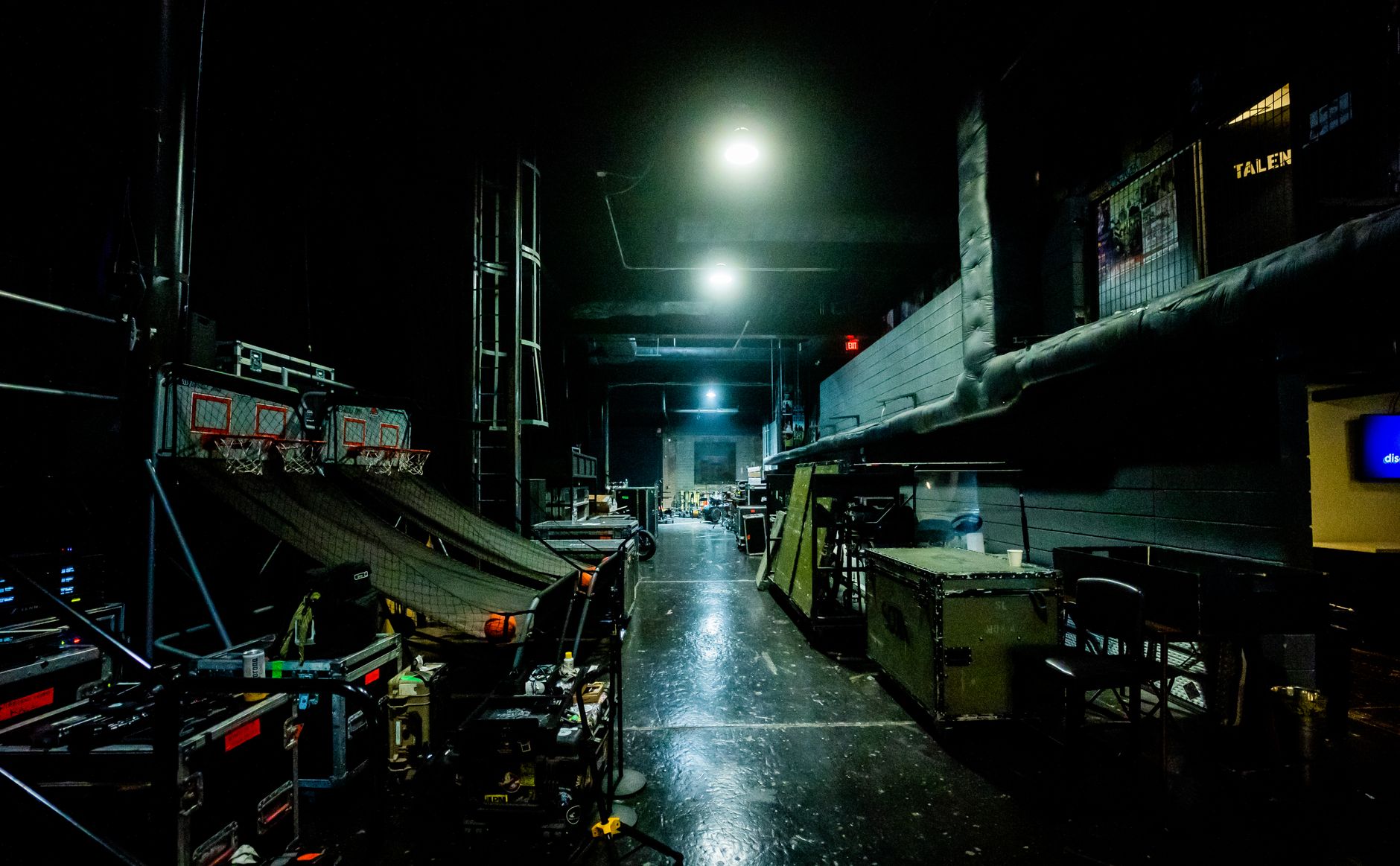
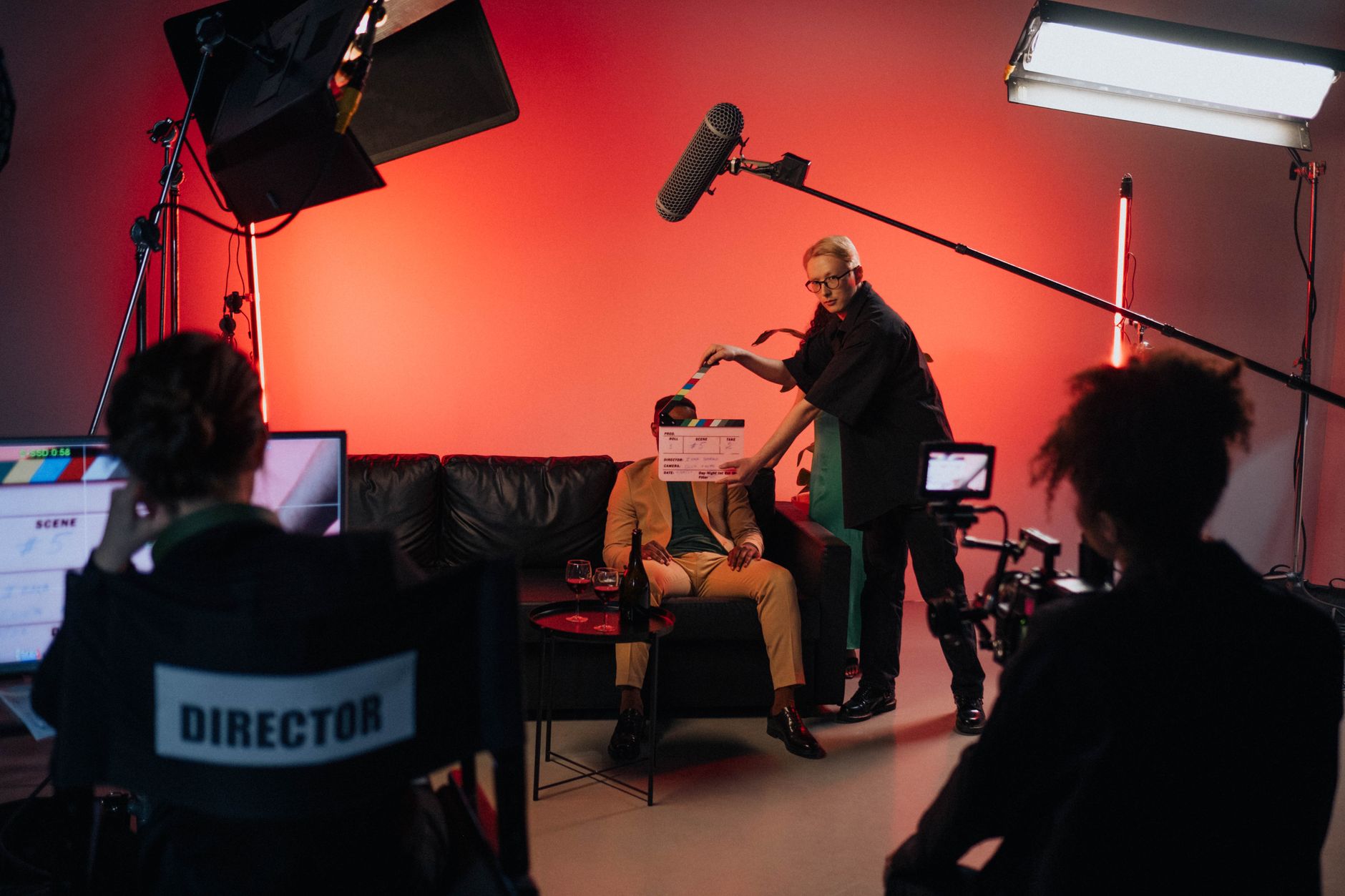
Studio lots move wardrobe racks, prop cases, expendables, and grip gear between shops, storage, stages, and production offices all day. Hand carts work until three shows share the same lane and every PA is on radio at once.
Autonomous mobile robots fit repeatable runs with barcoded manifests: wardrobe from fitting to stage, props from lockup to set, expendables from central stores to holding. They free PAs for tasks that actually need judgment.
According to the International Federation of Robotics, demand for transportation and logistics robots rose 14 percent in 2024 while professional cleaning robots grew 34 percent. Lots that already automate floor care should apply the same integration discipline to wardrobe loops.
How do you map a lot that changes every Monday?
Treat the lot like a live warehouse with daily slotting changes. Production publishes no-go zones when rigs go up, and AMR maps should update the same morning, not after a strike.
Use temporary QR or natural-feature anchors at stage doors so robots find doors even when foam walls move. Permanent wiring is rare on rented stages.
Assign a set logistics lead approver for map edits so art department and transportation share one queue.

What payload handling protects delicate wardrobe?
Garment bags snag on sharp cart corners. Use rounded tug interfaces, soft straps, and speed caps over cable ramps.
Prop cases need tie-downs rated for sudden stops. A antique labeled fragile cannot ride on a magnet-only deck.
Weight sensors should confirm expected mass before departure so half a rack does not leave behind.
How should robots behave in pedestrian congestion?
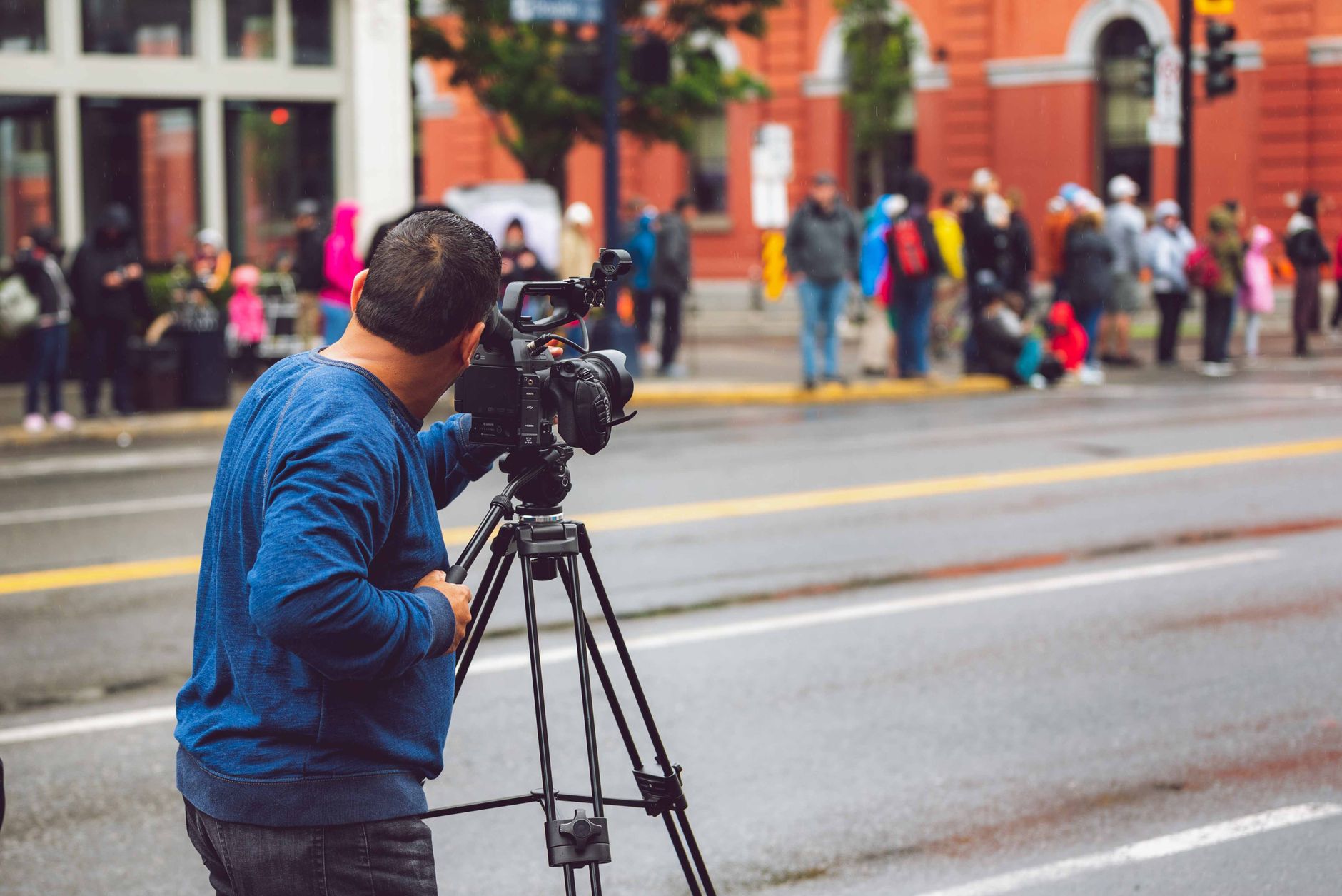
Call times create waves of crew crossing the same choke point. Robots need predictable lights and audible cues that everyone learns on day one of prep.
Never program squeeze-through gaps between generators and lunch tables. Pause and wait beats brushing a costume rack.
Night shoots may need dim-mode lighting that still meets safety rules without ruining a take next door.
Which tracking ties racks to production paperwork?
Scan wardrobe and prop barcodes at pickup and drop so accounting and continuity see the same timestamp.
Integrate with production tracking tools where permitted so a missing rack triggers search on set, not at wrap.
Log chain of custody for high-value props the same way lockup does manually today.
How does schedule-driven dispatch work?
Pull robots when scenes move, not on a fixed hourly loop. Dispatch from call sheets or digital backlot schedules when those feeds exist.
Pre-stage racks near stages thirty minutes before a change instead of delivering mid-rehearsal.
Idle robots should park off pedestrian arteries, not in fire lanes.
What exceptions belong in the run book?
Rain covers, crane swings, and horse units create one-off bans. Operators need a thirty-second geofence draw tool.
When a robot faults, PAs need a clear manual retrieval path that does not cross live stunts.
Post-incident reviews should include transportation, wardrobe, and safety together.
How can Service Robot Co. help studio operations pilot AMRs?
Service Robot Co. is a vendor-neutral integrator for US studios, campuses, and large commercial lots. We map tug routes with transportation and wardrobe leads, finance pilots, deploy during prep weeks, and service fleets nationwide.
Warehouse robot rental lets you prove one wardrobe loop through a shoot week before purchase. We keep robots off union jurisdictional gray areas by scoping tasks with your labor team upfront.
The right lot AMR earns trust from wardrobe supervisors and transportation captains. We build that on your asphalt, not in a demo hall.