Key takeaways
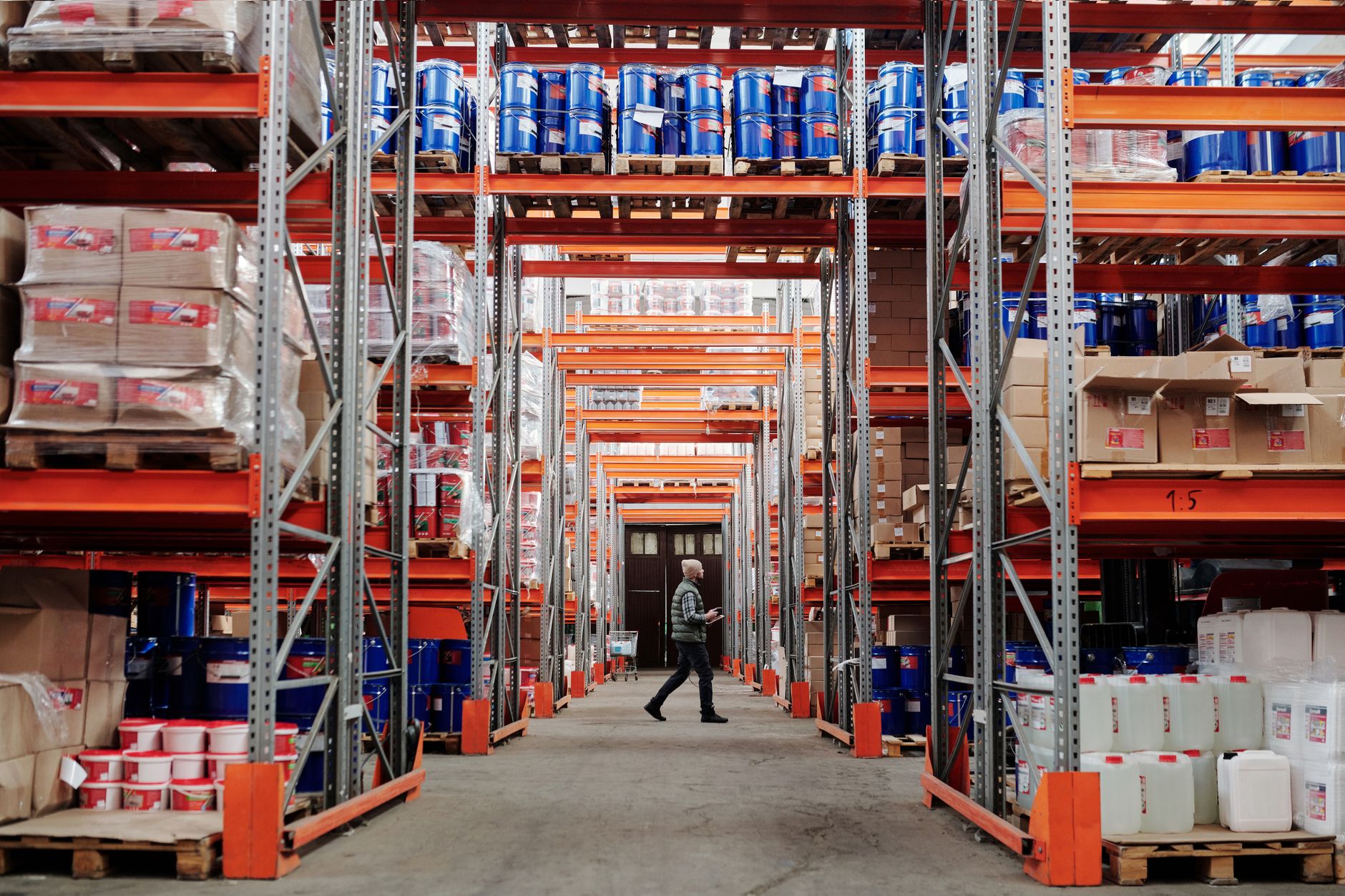
- AMRs fit best on repetitive internal moves between reserve storage, pick faces, QA hold areas, packing, and outbound staging.
- In a pharmacy DC, the win is not novelty. It is traceable movement, fewer manual touches, steadier replenishment timing, and less walking in tight aisles.
- The right starting point is usually pallet, tote, or cart replenishment tied to WMS tasks and barcode confirmation, not fully autonomous picking.
- Regulated operators should judge AMRs by scan discipline, exception handling, battery coverage, service response, and integration quality as much as raw speed.
Where do AMRs actually fit inside a wholesale pharmacy DC?
AMRs fit best in the connective tissue of the building. In a wholesale pharmacy or medical supply DC, that usually means moving pallets, cartons, totes, or carts between reserve storage, forward pick faces, QA and quarantine zones, packout, and outbound staging. They are especially useful on replenishment runs that happen all day, look nearly identical each trip, and still pull skilled staff away from higher value work.
That matters more in pharmacy than in a generic warehouse because the movement itself is part of control. According to the FDA, the Drug Supply Chain Security Act is meant to support interoperable electronic tracing of certain prescription drugs at the package level as product moves through the supply chain. In practice, that pushes operators to care about who moved what, from which location, under which status, and when.
So the near term AMR role is narrow and practical. Let people keep receiving judgment-heavy work, lot-sensitive exceptions, and regulated release decisions. Let robots handle the repetitive transport layer around those decisions, with every handoff confirmed in software and on the floor.
Why replenishment is the strongest first use case
Replenishment has a clean shape. A pick face drops below threshold, the WMS or warehouse control layer creates a task, a pallet or tote is pulled from reserve, the product is moved to the forward area, and the location is confirmed. The path is repeated, the payload is known, and the service level impact is immediate because a starving pick face slows the whole building.
The economics are also easier to defend than a moonshot automation program. HDA reported in September 2025 that a traditional pharmaceutical distribution center processed an average of 4,132 orders on a typical business day, with inventory held for 22 days on average. When that much daily activity depends on pick faces staying full, even small replenishment delays compound quickly.
AMRs help by shaving the dead travel out of the loop. Associates stop spending large parts of the shift walking empty miles between reserve and forward locations. Supervisors gain a tighter, more predictable cadence for top-off work. And because replenishment is internal transport, you can automate it without asking the robot to make release, substitution, or product disposition decisions it should not make.
Which replenishment flows are worth automating first?
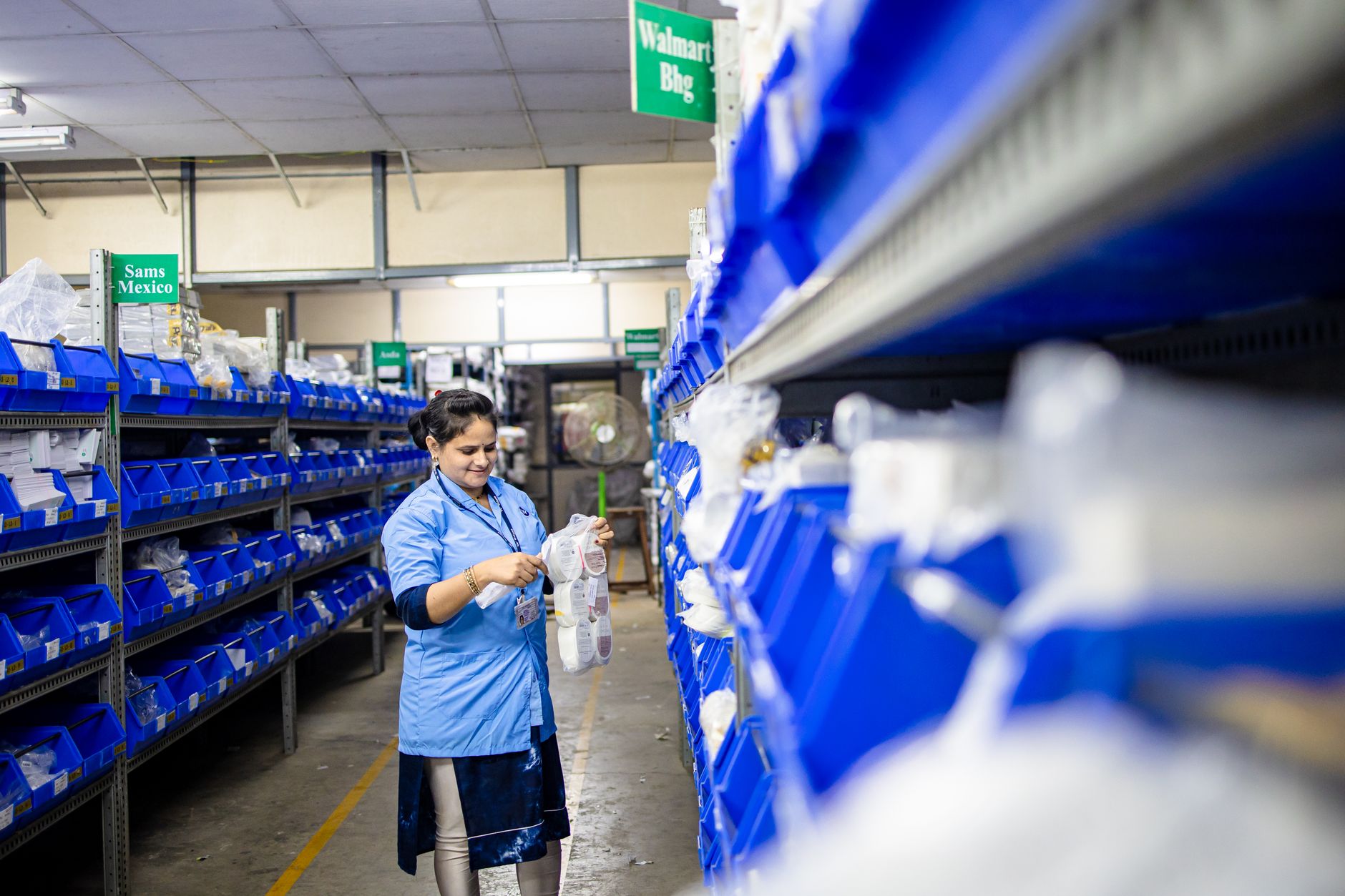
Not every internal move deserves a robot on day one. The strongest first candidates are the lanes with stable routing, repeated volume, and low ambiguity at pickup and drop-off. In a pharmacy DC, that often means reserve-to-pick pallet moves, tote shuttles for split-case replenishment, transfers into QA inspection or hold lanes, and timed runs from completed pack zones to outbound staging.
The common thread is simple. The product status must already be clear before the robot touches it, and the handoff must be easy to confirm with a scan, location read, or operator acknowledgement. If a lane depends on constant judgment calls about damaged product, relabeling, expired inventory, or lot substitution, keep that lane human-led until the process is cleaner.
A good pilot scope usually includes a small number of high-frequency routes, narrow enough to measure precisely. That is how you learn if the real bottleneck is travel time, congestion, scan compliance, charging discipline, or bad master data rather than transport labor alone.
- Reserve pallet to forward pick face replenishment
- Tote or carton replenishment for split-case areas
- Completed QA release moves into active inventory lanes
- Quarantine and exception transfers that require status confirmation at both ends
- Finished orders from packout to outbound staging during wave peaks
What makes pharmacy replenishment different from a standard warehouse move?
Three constraints change the design. First is traceability. FDA rules require fast reporting for serious exceptions, including notifying the agency within 24 hours after determining a product is illegitimate. That means robot moves cannot become blind spots. The transport layer has to preserve the chain of evidence, not blur it.
Second is record retention and trading-partner discipline. The DSCSA statute includes multiple six-year recordkeeping requirements, and FDA also requires wholesale distributors and third-party logistics providers to report licensure information to the agency annually to remain authorized trading partners. The building therefore runs on documented status, documented custody, and documented exceptions. AMRs have to plug into that record culture cleanly.
Third is product pressure. ASHP reported 227 active national drug shortages through June 2026, below the first-quarter 2024 peak of 323 but still high enough to keep pharmacy operations alert. When supply is constrained, an avoidable replenishment miss is not just a warehouse annoyance. It can create downstream service risk for pharmacies, hospitals, and clinics waiting on specific product.
How do AMRs protect batch integrity and location control?
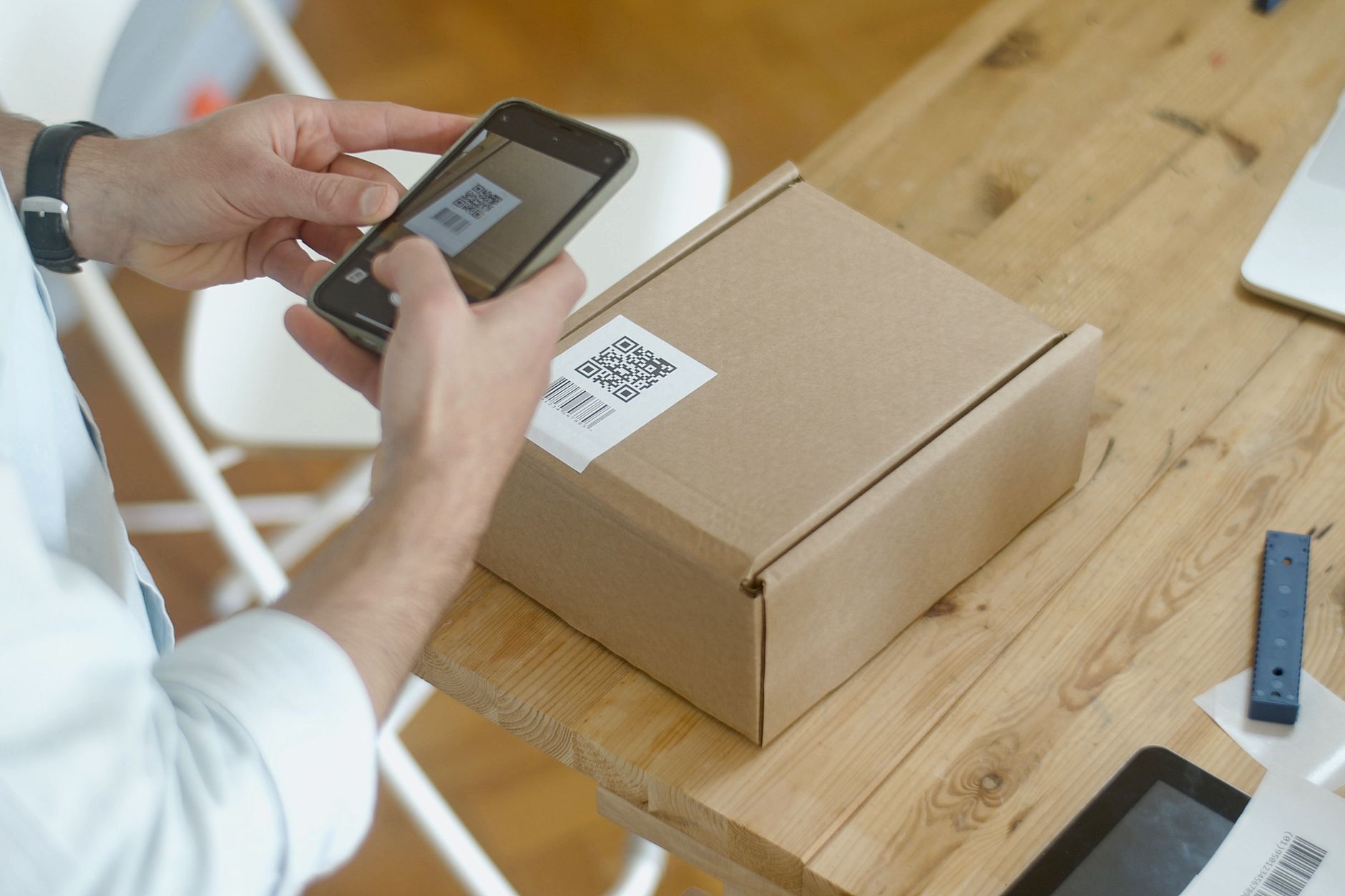
The rule is simple. The robot should move only what the system already authorized, and it should prove the move at every handoff. In practice that means barcode or similar confirmation at pickup, location confirmation at drop-off, and a clear exception path when the payload, lot, quantity, or location does not match the task.
This is where many operators get more value from disciplined workflow design than from raw autonomy. A replenishment AMR that pauses for an associate to verify a pallet label, confirm a lot-sensitive tote, or resolve a mismatch can still be the right answer. The goal is not a human-free trip. The goal is a controlled trip with fewer touches and fewer undocumented shortcuts.
For wholesale pharmacy, that usually argues for separating status classes physically and digitally. Good AMR deployments respect hard boundaries between released inventory, pending QA, quarantine, returns, and outbound staging. The robot fleet map, traffic rules, and task permissions should mirror those boundaries so the building never asks an operator to remember them from memory alone.
Will AMRs work in narrow aisles and busy replenishment windows?
They can, but aisle geometry and traffic policy decide the outcome more than marketing claims do. Pharmacy DCs often combine dense reserve racking, fast forward pick zones, carts, powered equipment, and pedestrian traffic. An AMR fleet has to behave predictably in that mix, especially when replenishment surges hit between receiving, picking, and cut-off times.
That is why the floor study matters. You want measured aisle widths, turning clearances, queue points, scanner locations, and no-parking zones before you size a fleet. You also want simple rules for passing, yielding, charging, and blocked-route recovery. A robot that technically fits but regularly stalls a replenishment aisle is a planning error, not an automation success.
Safety data underscores the point. BLS reports that warehousing and storage recorded a 2024 total recordable injury and illness rate of 4.8 cases per 100 full-time workers. Reducing unnecessary travel and repeated cart or pallet movement is useful, but only if the robot program itself is operationally disciplined and does not introduce new congestion.
What should operators demand from the software and service model?
In this niche, uptime is part of compliance posture. A replenishment robot that is down during peak windows can starve pick faces, crowd staging lanes, and push teams into manual workarounds that weaken scan discipline. That is why operators should ask for failure modes up front: battery reserve logic, fallback routing, blocked-path alerts, task reallocation, and a manual recovery playbook that floor leads can execute fast.
Integration matters just as much. HDA said 68 percent of reporting companies used automated methods in 2024 and 50 percent of invoice lines were picked through those processes. That means many pharmacy distributors already run mixed automation environments. AMRs need to fit that reality by taking tasks from existing WMS or control layers, feeding back completion status reliably, and coexisting with conveyors, voice, RF workflows, and QA controls.
This is also where an OEM-neutral partner earns its keep. Service Robot Co. acts as a vendor neutral robot integrator for US businesses, which matters when a wholesale pharmacy operation needs a robot that fits its aisle profile, payload mix, software stack, and service expectations rather than a single-manufacturer sales script. For some operators that also means a warehouse robot rental, autonomous mobile robot rental, or robot leasing for business structure that lets them pilot replenishment without a large upfront commitment.
How should a pharmacy distributor roll this out without disturbing the floor?
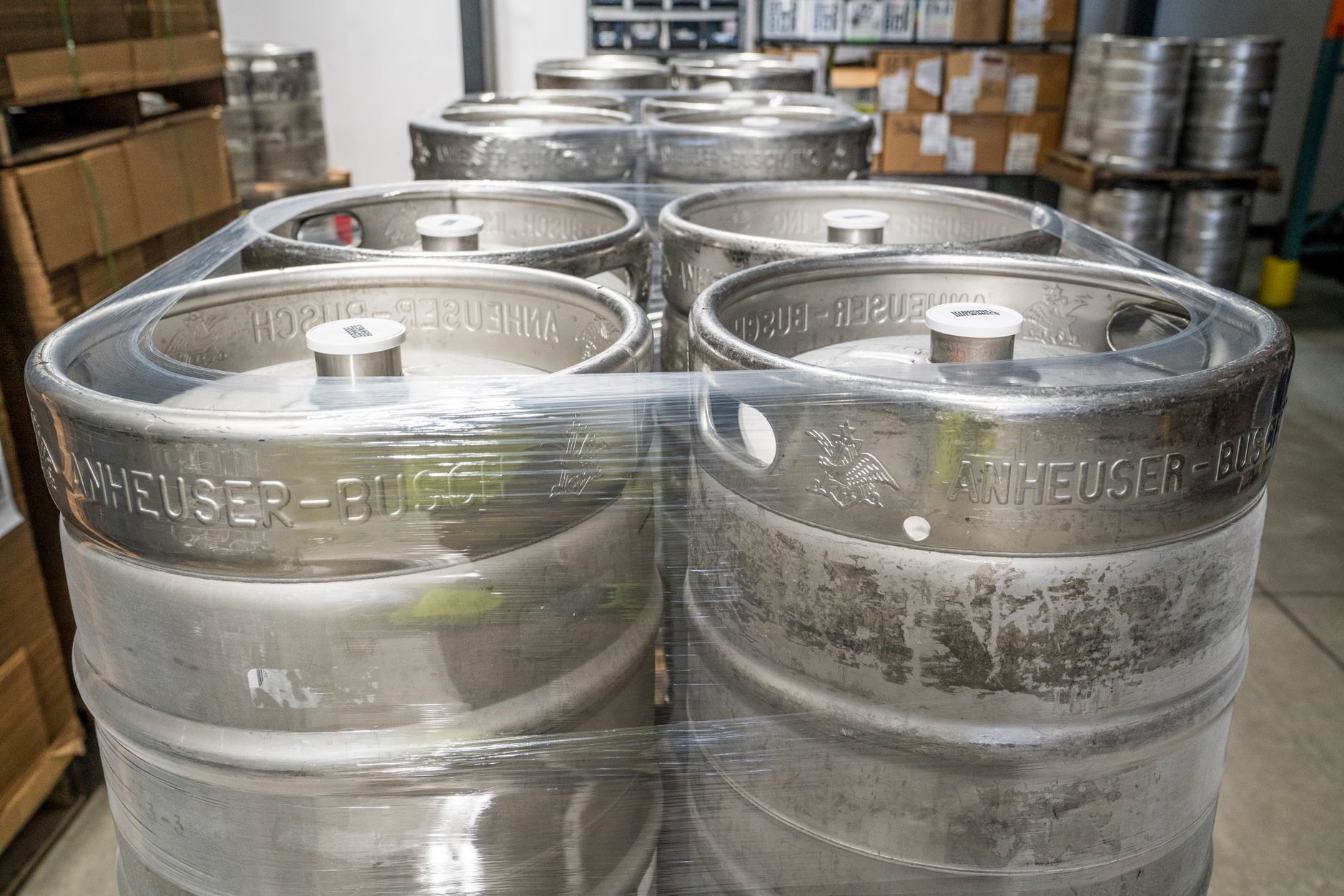
Start with one replenishment family, one operating window, and one measurable pain point. Good examples are reserve-to-forward pallet moves for the fastest movers, or tote replenishment into a split-case zone that is short on labor. Keep the first phase small enough that supervisors can see every exception and large enough that the data mean something.
Then build the controls around it. Define the source and destination status codes, required scans, miss-scan handling, blocked-aisle procedure, charge windows, and who owns dispatch during each shift. A phased deployment with no shutdown is not a slogan here. It is the only sane way to introduce transport automation into a live regulated building.
Service Robot Co. is structured for that kind of rollout. The company handles robot deployment and integration, training, financing, and service through a nationwide US engineer network, so operators are not left stitching together separate vendors for equipment, software, support, and field response. If a customer wants lease rental or sale, monthly payment programs, maintenance included, or a try before you buy pilot, those choices can be matched to the site and the risk tolerance of the operation.
How do you know the deployment is working?
Judge the program by warehouse outcomes, not by how busy the robots look. The most telling metrics are replenishment response time, pick-face stockout frequency, completed internal moves per labor hour, scan compliance, exception resolution time, and the share of shifts that finish without manual catch-up runs.
Also track what the robot program prevents. Fewer emergency replenishment sprints, fewer staging bottlenecks before cut-off, fewer blocked QA transfers, and fewer long walks by experienced associates are real gains. In a regulated environment, boring consistency is valuable. If the fleet makes the building calmer, more traceable, and easier to supervise, it is doing its job.
That is the real fit for AMRs in wholesale pharmacy DC replenishment. Not as a flashy replacement for every warehouse task, but as a dependable internal transport layer that keeps inventory flowing between controlled zones while preserving traceability, batch integrity, and uptime.
Frequently asked questions
Sources
- FDA DSCSA overview
- FDA DSCSA exemption letter for certain trading partners
- FDA annual licensure reporting for wholesale distributors and 3PLs
- FDA Drug Quality and Security Act text
- FDA DSCSA law and policies page
- HDA Factbook 2025 distribution metrics summary
- BLS warehousing and storage injury data
- ASHP drug shortages statistics