Key takeaways
- In 2026, humanoid robots are moving from labs into early commercial pilots, primarily in structured manufacturing and logistics environments.
- Significant limitations remain, including 2-4 hour battery life, challenges with manipulation and dexterity, and the high cost of acquisition.
- Humanoids currently excel at narrow, repetitive physical tasks, acting as task-replacers rather than direct job-replacers for human workers.
- The 'Robot as a Service' (RaaS) model is making adoption more accessible by shifting costs from large upfront capital to monthly operational expenses.
- Widespread, large-scale adoption of humanoid robots in factories is more likely in the 2027-2030 timeframe, not in 2026.
The Short Answer: Are They Ready?
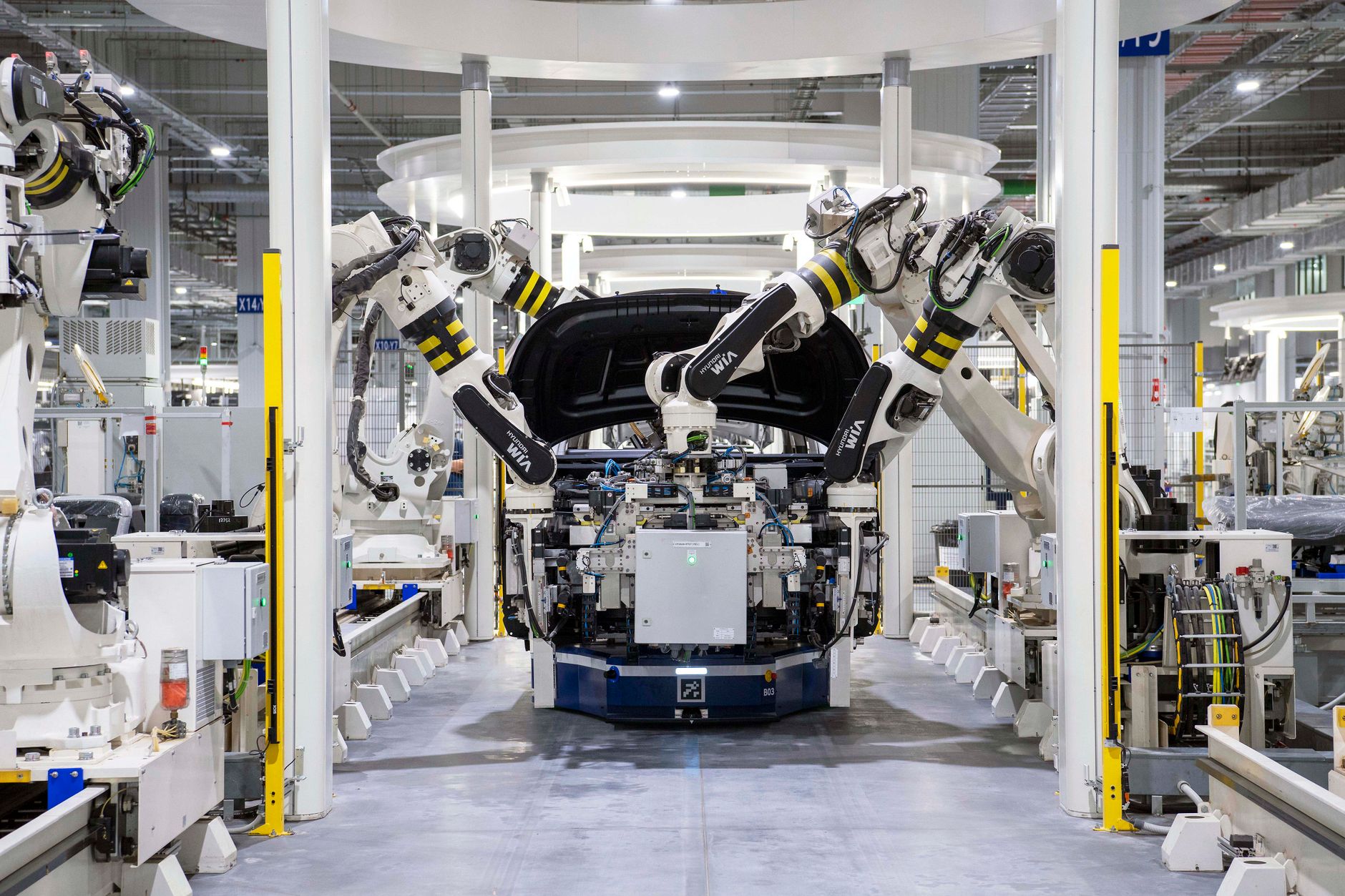
Yes, but only for very specific tasks in highly structured environments. In 2026, humanoid robots are transitioning from research projects to early, paid production work. We are seeing the first real deployments in automotive manufacturing and warehouse logistics, where robots perform a narrow set of repetitive physical tasks.
However, the widespread, versatile, and autonomous humanoid robot often seen in promotional videos is not yet a commercial reality. According to a January 2026 analysis by Gartner, fewer than 20 companies worldwide are expected to scale humanoid robots beyond pilot programs by 2028. The technology is operational, but it is far from mature.
The reality for businesses in 2026 is one of cautious, strategic adoption. The hype is focused on the hardware's human-like form, but the immediate value is in its ability to automate simple, physically demanding tasks in places designed for people. This is not about replacing an entire human worker, but about augmenting a workforce by automating a small fraction of their duties.
What is the Actual State of Humanoid Technology in 2026?
The industry has crossed a significant threshold. Global humanoid robot shipments are expected to approach 60,000 units in 2026, a nearly threefold increase year-over-year, with industry revenue projected to hit approximately $1.6 billion, according to Smart Analytics Global (SAG). These are no longer just prototypes; they are commercially produced machines.
Major pilot programs are underway at large automotive and logistics companies. These deployments provide the first real-world data on performance, reliability, and operational cost. According to one report, some units are achieving 99% placement accuracy at an operating cost of $25 per hour.
Despite this progress, significant engineering challenges remain. These are not science fiction problems, but practical, operational ones that limit widespread use.
What Are the Primary Limitations Holding Them Back?
The gap between impressive demonstrations and reliable, shift-long performance is substantial. Several core limitations are preventing broader adoption.
One of the most significant barriers is battery life. No commercially available humanoid robot in 2026 can complete a full eight-hour shift on a single charge. Most models operate for just 2 to 4 hours before needing a lengthy recharge or a manual battery swap. This constraint requires complex fleet management and staggered deployment schedules to avoid significant downtime.
Dexterity is another major hurdle. While locomotion has improved dramatically, a robot that can walk across a factory is not useful if it cannot reliably grasp and manipulate objects. Tasks that are simple for humans, like handling soft packaging or picking up a cable, remain difficult and error-prone for robots. Gripper calibration can drift, leading to drop rates of 5-15% for unfamiliar objects.
Finally, the underlying AI and software are still maturing. While models are advancing, they can struggle with unexpected situations or edge cases common in dynamic, real-world environments. This means they are best suited for predictable, repetitive workflows, not complex, varied tasks.
Where Might Humanoid Robots Become Commercially Viable First?
The first wave of adoption is happening in environments that are structured, predictable, and already familiar with automation. According to SAG, industrial and commercial applications accounted for over 70% of humanoid robot shipments in the first half of 2026.
Manufacturing and logistics are the clear frontrunners. Automotive plants and distribution centers are using humanoids for specific, measured tasks like:
These roles involve repetitive transport automation and material handling, tasks where the robot's form allows it to navigate spaces designed for people without requiring expensive facility redesigns. The target is not to replace a human worker entirely, but to automate the 5-10 repetitive tasks that make up a portion of their job.
- Material handling: Moving bins, totes, and components from one station to another.
- Assembly line work: Performing simple, repetitive operations on a production line.
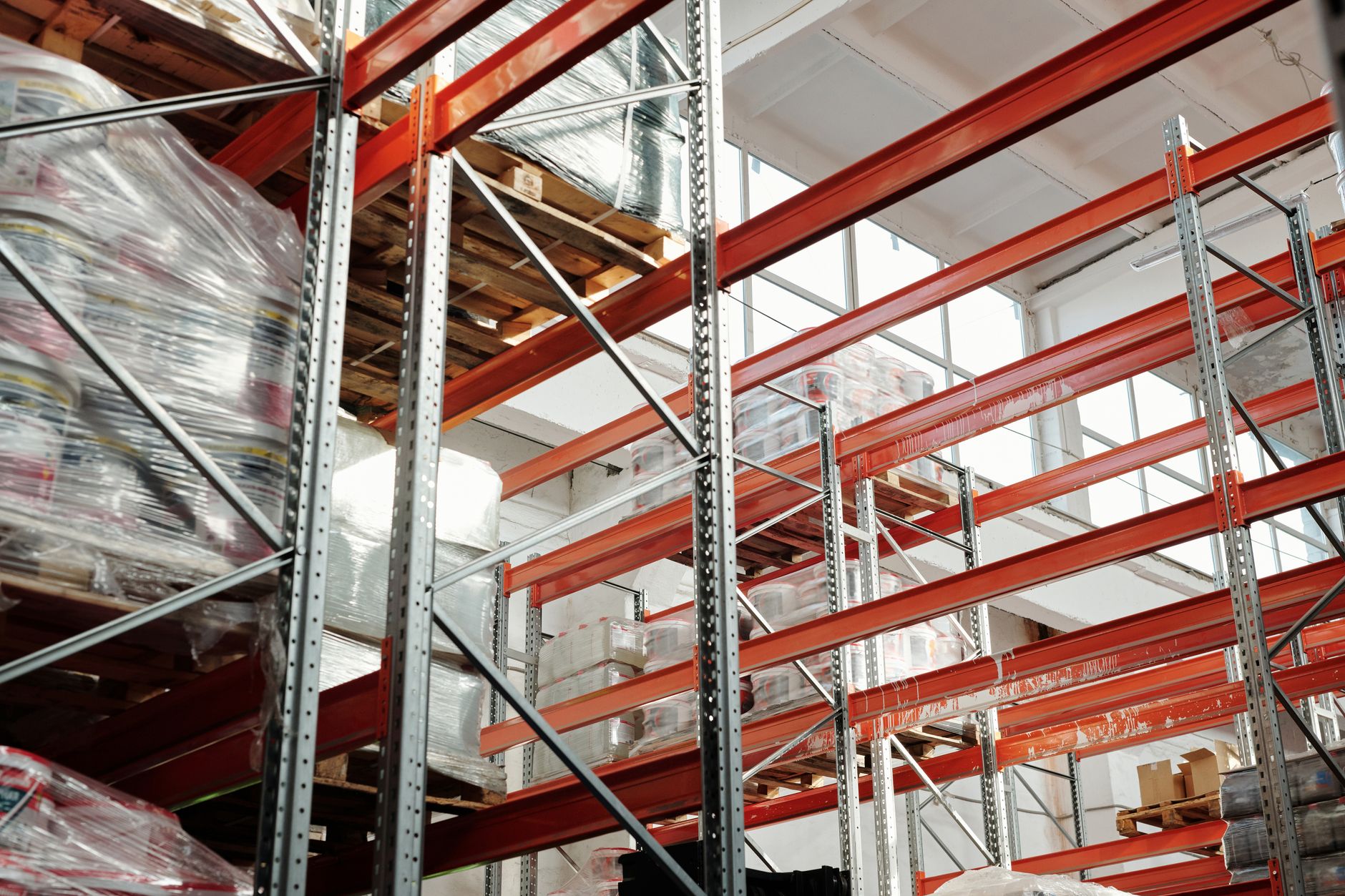
- Pallet transport: Assisting with the movement of goods in a warehouse, working alongside other autonomous mobile robot (AMR) systems.
How Does the Cost Affect Business Adoption?
The upfront cost is a substantial barrier for most businesses. In 2026, a commercial-grade humanoid robot can cost anywhere from $30,000 to over $250,000 per unit. This price does not include the additional expenses of integration, training, infrastructure modifications, and ongoing support, which can add another 10% to 30% to the initial purchase price.
This level of capital investment is difficult to justify for a technology that is still proving its reliability and return on investment. The payback period for a purchased robot can be several years.
This financial reality is why different business models are emerging. The Robot as a Service (RaaS) model, for example, allows companies to access robotic capabilities through a subscription. This shifts the cost from a large capital expenditure to a predictable monthly operating expense, making adoption more accessible. RaaS agreements typically include the robot, software, maintenance, and support, reducing the risk and complexity for the end user.
What Does a Realistic Deployment Timeline Look Like?
Businesses considering humanoid robots need a realistic timeline. The period between 2024 and 2027 is best viewed as a time for pilot programs and early, narrow deployments. This is the phase for testing the technology in your specific environment and identifying the workflows where it can provide genuine value.
Early commercial scale, where companies begin deploying fleets of robots for specific, proven applications, is more likely to occur between 2027 and 2030. Widespread, large-scale adoption across entire factories or industries is a longer-term prospect, probably unfolding in the 2030s.
Attempting a large-scale deployment in 2026 would be premature. The technology, support systems, and best practices are still being developed. The smart approach is to start small with a pilot program to understand the operational realities firsthand.
How Can a Business Explore Humanoids Without the Risk?
The high cost and operational uncertainty of humanoid robots make a full-scale commitment risky. This is where partnering with a full-service commercial robot integrator becomes essential. At Service Robot Co., we help businesses navigate this new landscape by providing a single point of contact for the entire automation lifecycle.
Because we are OEM-neutral, we are not tied to any single manufacturer. We select the right robot for your specific application from across the industry. This ensures you are not sold a piece of hardware, but a functional system that fits your operational needs. Our approach allows you to explore the potential of humanoid robots without the long-term risk of a massive capital investment.
We manage everything from financing and deployment to integration, training, and ongoing service through our nationwide network of engineers. A robot pilot program or a flexible robot rental agreement allows you to test the technology in your own facility. You can validate the performance and ROI with real data before making a larger commitment. This try-before-you-buy approach removes the financial and operational barriers to entry.