Key takeaways
- Successful multi-floor robot operation depends on digital integration with elevators, often through a cloud-based API.
- Automatic doors require either motion sensors or a wireless connection for robots to pass through unassisted.
- Floor conditions are critical; robots operate best on flat, even surfaces without cracks or significant elevation changes.
- Network infrastructure, specifically consistent Wi-Fi coverage, is a prerequisite for a mobile robot fleet.
- Partnering with a full-service robot integrator can manage the complexities of building modifications and system integrations.
What Changes Does a Building Need for Service Robots?
To enable autonomous service robots to navigate your facility effectively, the two most significant infrastructure considerations are automatic doors and integrated elevators. For a robot to move freely between departments or across different floors, it needs a way to command doors to open and call elevators to transport it.
This requires more than just wide hallways. Doors need automated openers that can be triggered wirelessly. Elevators need a digital connection, typically an Application Programming Interface (API), that allows the robot's fleet management software to request a car, select a floor, and receive status updates. Without these modifications, a robot's operational range is limited to a single fire zone or one level of your building, drastically reducing its utility and return on investment.
How Do Robots Open Automatic Doors?
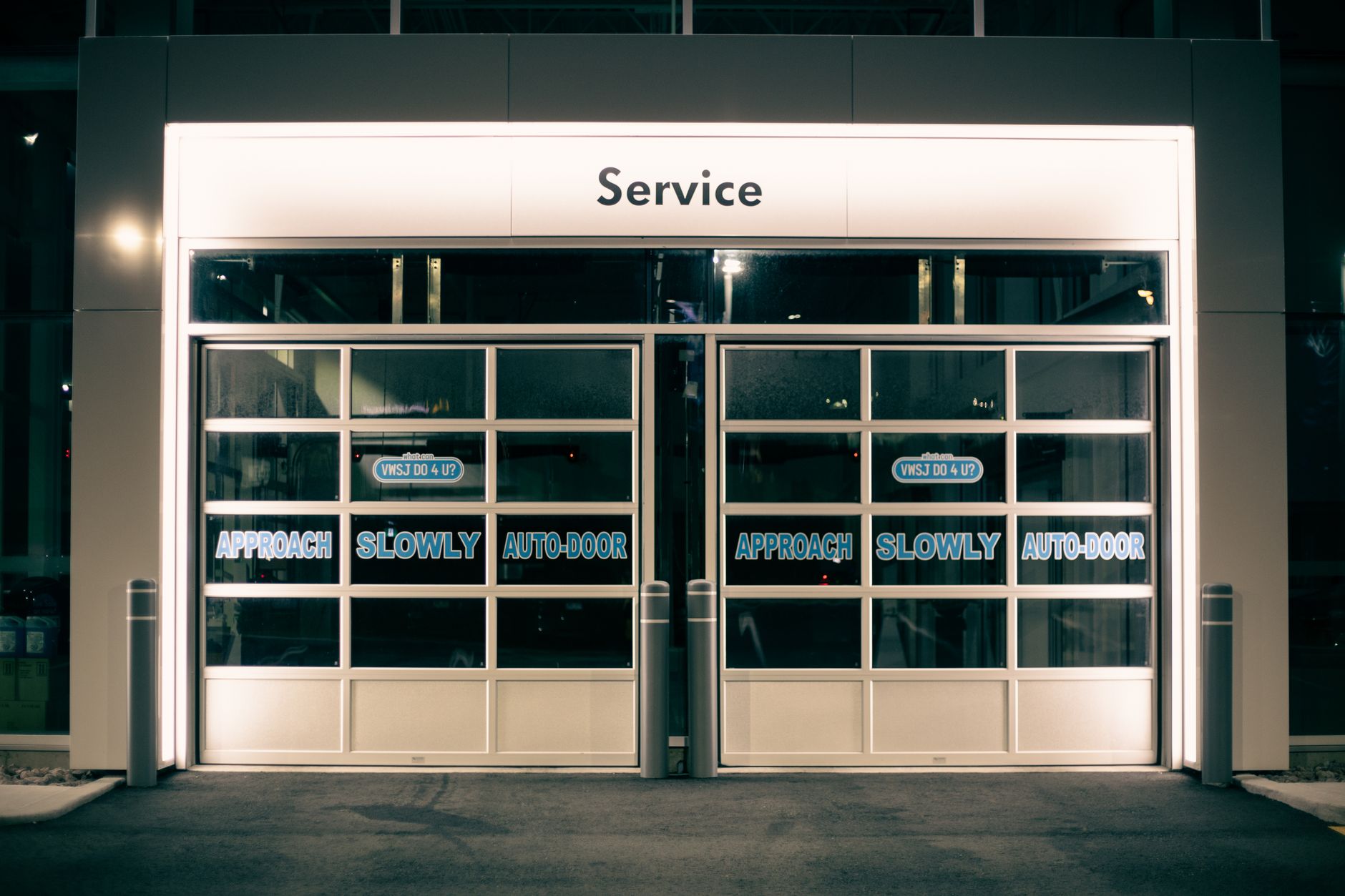
There are two primary methods for a robot to open an automatic door. The first and most common involves outfitting the door with motion and presence sensors. These sensors detect the approaching robot and trigger the door to open, with a configurable hold-open time to allow the robot to pass through safely.
The second method is a more direct digital integration. The robot sends a wireless signal directly to the door's control system to request it to open. This is common in secure environments where access control is a factor. In these cases, the robot must be authenticated with the access control system before the door will operate.
The global market for robot-friendly automatic door systems was valued at $3.98 billion in 2024 and is projected to reach $8.14 billion by 2033, according to research from 2025. This growth highlights the increasing need for facilities in healthcare, logistics, and manufacturing to automate doorways for robotic fleets.
What is Required for a Robot to Use an Elevator?
For a robot to travel between floors, it must communicate with the elevator's control system. Modern elevator manufacturers have developed cloud-based or on-premise API solutions that serve as this communication bridge. This API allows a certified and authorized robot to place a call, designate a destination floor, and get information on the elevator's status, such as its current location and whether the doors are open.
The integration process typically involves installing a small amount of hardware and connecting the elevator controller to the building's local network via Wi-Fi, 4G, or 5G. This allows the robot's fleet management software to send commands wirelessly. Some elevator companies even provide online simulation environments where robot software can be tested before on-site deployment. This shift from older, hard-wired integrations to flexible APIs simplifies the setup and maintenance of multi-floor robot operations.
Are There Other Physical Facility Requirements?
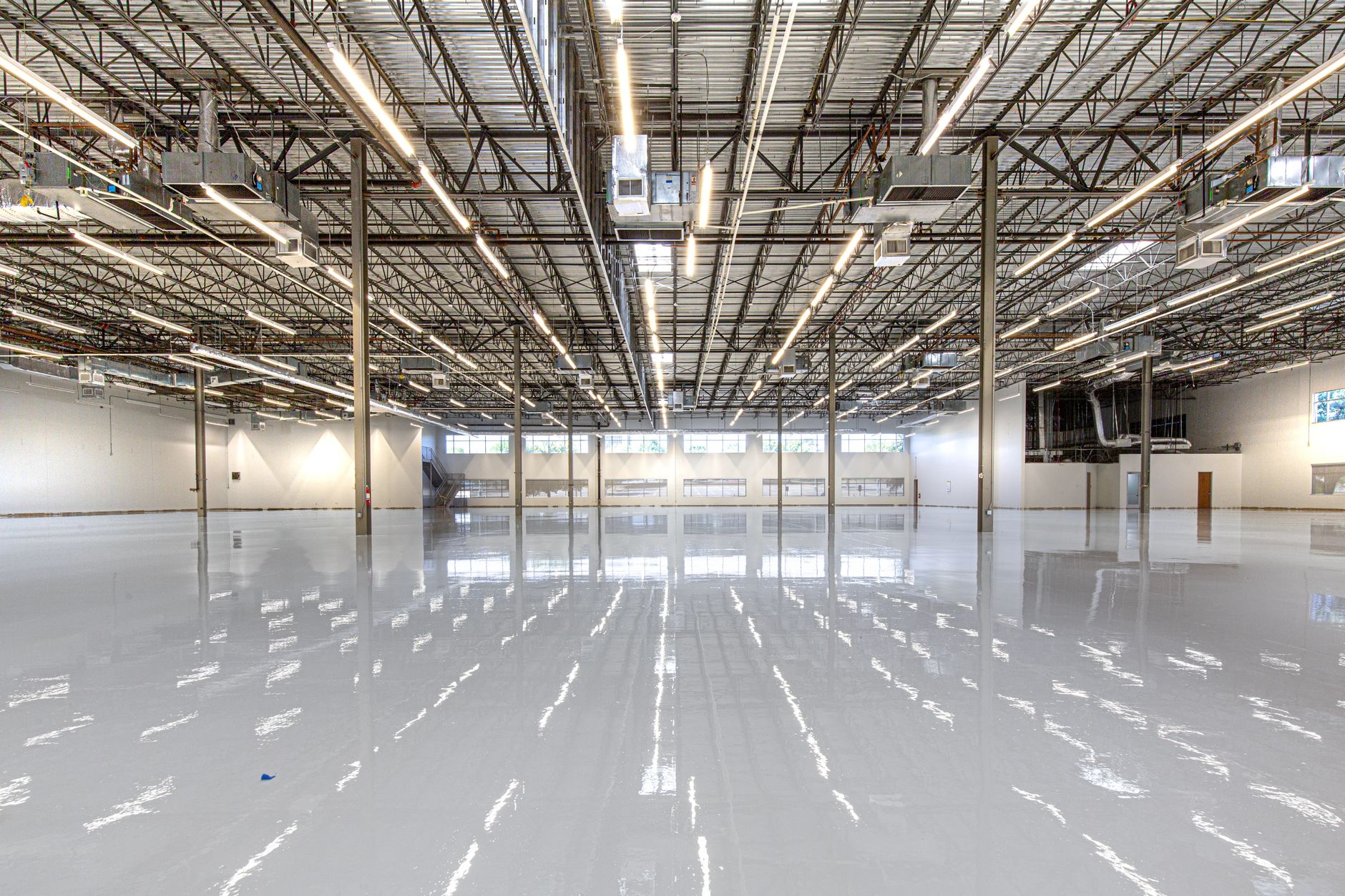
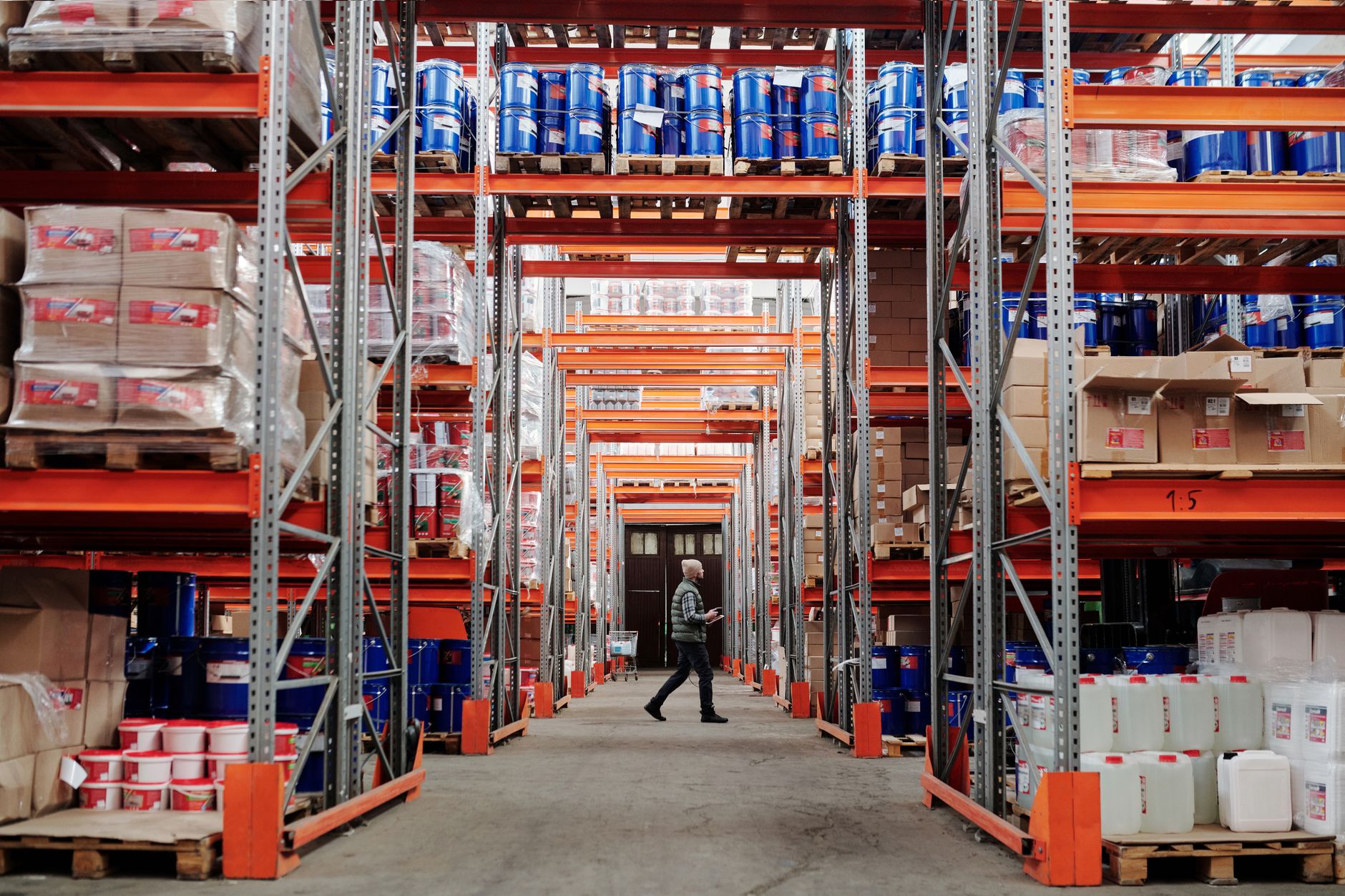
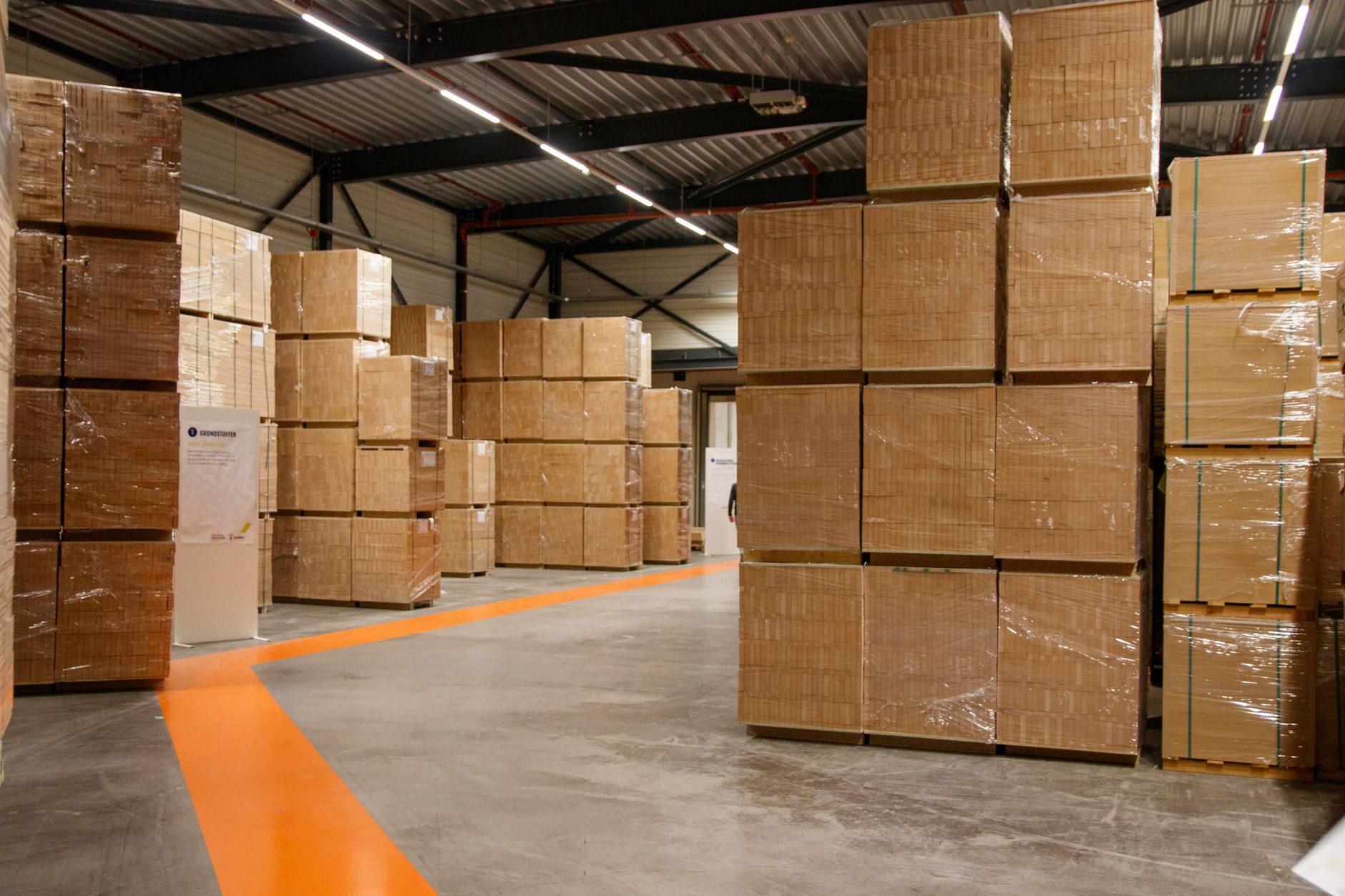
Beyond doors and elevators, the physical condition of your facility plays a crucial role in a successful robot deployment. Autonomous mobile robots (AMRs) perform best on flat, even surfaces. Cracks, loose tiles, significant joints, or abrupt changes in elevation can hinder a robot's movement and navigation.
A thorough analysis of the physical space is a necessary first step. This involves mapping out optimal travel paths in wide corridors and open spaces, while identifying potential obstacles. Additionally, consistent and reliable Wi-Fi coverage across the entire operational area is a fundamental requirement for managing and monitoring the robot fleet in real time.
How Does a Partner Help Prepare a Building?
Preparing a facility for automation involves coordinating with multiple vendors: door hardware specialists, elevator manufacturers, and network engineers. This complexity is where a full-service commercial robot integrator like Service Robot Co. adds significant value. Instead of juggling different contractors, you have a single point of contact.
As an OEM-neutral integrator, we start by selecting the right robots for your specific tasks and environment. Our nationwide network of engineers then handles the entire deployment lifecycle. This includes a detailed site assessment to identify necessary infrastructure upgrades, managing the integration with elevator and door systems, and ensuring your network is ready. We manage the physical changes so you can focus on the operational benefits. One partner and one number is all you need for a turnkey robot deployment.
What Costs Are Involved in These Upgrades?
The cost to retrofit doorways can vary. According to a 2025 report, a standard commercial automatic swing door installation can cost between $5,000 and $9,000 per opening, while sliding door systems typically range from $7,500 to $12,000. Factors like the door type, sensor complexity, and integration with access control systems influence the final price.
Elevator integration costs are less standardized and often involve a subscription plan for API access, along with an initial installation fee for the necessary hardware and configuration. These systems are designed to be scalable, allowing you to add more robots in the future without repeating the initial integration engineering for each one. A lease purchase program or a Robot as a Service (RaaS) monthly subscription can help manage these upfront capital costs, bundling them into a predictable operating expense.
Do Environmental Conditions Affect Robot Performance?
Yes, environmental factors inside your facility can impact how well a robot performs. Temperature, humidity, lighting conditions, and the presence of dust or debris should all be evaluated. For example, some navigation sensors may struggle in very bright, reflective environments or in dimly lit areas.
It is important to choose robots rated for your specific conditions. Some AMRs may need additional protection or customization to handle extreme temperatures or other challenging environmental factors. A thorough site assessment will identify these potential issues, ensuring the selected robots are suited for the real-world conditions of your building.