Key takeaways
- Map keep out lines on the floor and agree the buffer with curators before the first run.
- Compare the narrowest gap with the published minimum aisle, not the robot body length alone.
- Published footprints are vendor figures as of November 2026 and need your own measurements and test runs.
- Closed hours are the usual window, but confirm the run schedule and the yielding rules in writing.
- A three year lease with one fixed payment, quoted after a site assessment, can cover deployment and service.
Can a floor robot work between vintage car displays?
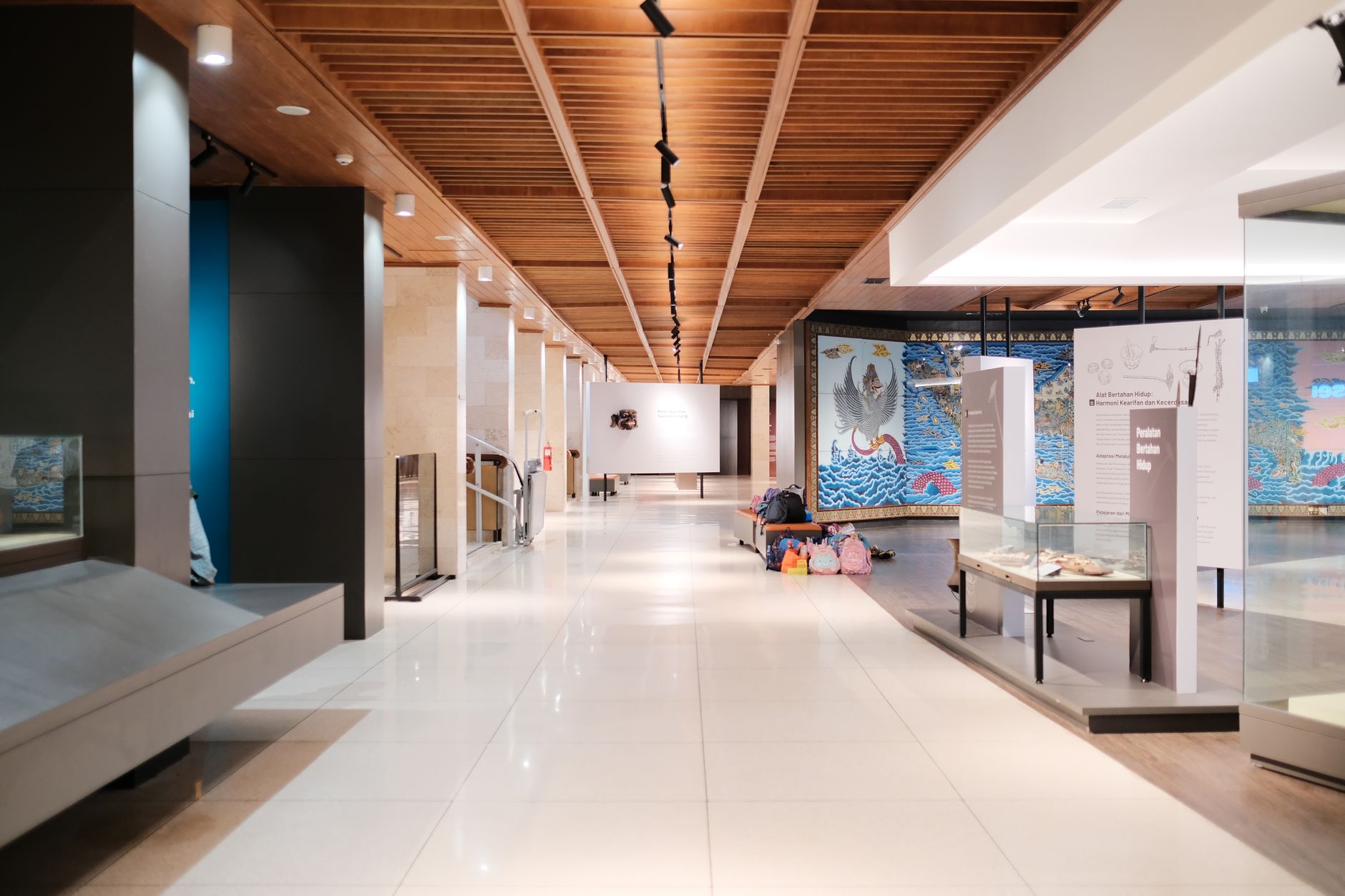
Yes, when the machine body and its turning path fit the narrowest gap on the floor, and when someone has drawn the keep out lines before the first run. Display floors are tight. A classic car on a plinth or on the slab can carry chrome bumpers, running boards and low trim that stick out further than the paint suggests, and a velvet rope post can hide a hazard nobody noticed in daylight.
For most halls, the realistic answer is a compact autonomous scrubber with a narrow body and a short turning radius, scheduled to run after the last visitor leaves. Larger units need more room to turn, so they suit wide galleries better. Manufacturers publish footprints and minimum aisle widths, and those figures are the right starting point for testing your floor, as long as you treat them as vendor claims.
How do you map keep out lines around each car?

Start with a walk at closing time, a floor plan and the curator list of loaned or fragile vehicles. Mark each car footprint at its widest point, including mirrors, bumpers and any tow hitch, then set the keep out line with a buffer agreed with the museum rather than one a robot vendor picks for you. Tape or paint on the slab is easier to audit than a line that exists only in software.
Then walk the path the machine would take. Note thresholds, floor drains, seams between tile and carpet, and any ramp to a raised platform. Rope posts and stanchions need their own zones, since a low rope may not register the way a wall does. Photograph each zone, because a map kept only on a tablet gets lost when displays rotate.
Which robot sizes fit between display bays?
Compare the published figures for your narrowest bay against both the machine body and its minimum aisle. As of November 2026, four compact and mid sized models show how wide the range runs.
- Tennant X4 ROVR: about 22 in wide, 38 in long, 44 in tall; autonomous wall distance as low as 3 in; U-turn aisle as low as 4.5 ft (1.37 m). Figures come from a distributor hosted datasheet and should be confirmed against the manufacturer sheet.
- Cenobots L3: about 30.1 in long, 22.5 in wide without squeegee, 39.4 in tall, with a 15.7 in cleaning width.
- Naviar Scrubber 50: about 33.9 by 27.6 by 40.6 in, with a minimum aisle width of 35.4 in.
- Naviar Scrubber 75: 54 by 38 by 56 in, with a minimum aisle width of 47 in.
Why does the minimum aisle matter more than body length?
The minimum aisle is the number that decides most gaps. A unit with a listed minimum aisle of 47 inches will not enter a gap narrower than that, however short its body is. Read the Tennant figures with that in mind, and confirm them against the manufacturer sheet before relying on them.
All of these are vendor reported and none is an independent test. Measure each gap yourself, then check sensor clearance on the chrome side of every car, since a spec sheet rarely shows that detail.
How do closed hours shape the run?
Closed hours are where a floor robot earns its place, because no visitor stands beside a fender while the machine turns. Runtime is the next question. A trade news report describes Nilfisk's Liberty SC50 as cleaning without an operator for up to six hours on one charge, a vendor reported figure.
The closest public precedent is the DFW Car and Toy Museum in Fort Worth, Texas. A case study dated July 2025 and published by Tennant and Brain Corp says the museum runs a Tennant X4 ROVR, nicknamed Fast Fred, on Brain Corp's BrainOS software, and the museum is open Tuesday through Saturday from 9 am to 6 pm. The same vendor reported study says the robot performs about 95 percent of total usage, averages 2.42 hours of autonomous operation per day, and covers more than 100,000 square feet of exhibition space.
The study does not confirm that the robot runs only after closing, so do not assume it. Ask when runs happen, how the robot yields to staff and visitors, and what it does when it stops mid route.
What should the first closing night test?
Walk the robot through each mapped zone with a supervisor present, and watch its behavior near the rope lines and the car skirts. Confirm that the charging dock sits where it will not block an exit or a display, and route the dock cable so it cannot become a trip point on a floor that visitors use in the morning.
Then run the route at a slow pace, time it, and log every stop with its cause. Repeated stops at the same spot usually mean the keep out line is too tight or that a threshold needs a fix. Correct the floor before you widen the robot path.
Measure sound in the galleries during the test run, and record the level before the schedule goes live.
Who maps the floor and keeps the robot working?
Service Robot Co. is a US integrator that stays neutral across manufacturers, so we pick the machine that fits the bay rather than a single brand's catalog. We lease robots through financing on a three year lease, with one fixed payment quoted after a site assessment. We then deploy, integrate, train staff and service each unit under RoboCare, backed by regional service engineers in every state we service.
For a museum, the assessment produces the keep out map, the footprint check and the run schedule, followed by a supervised test run before the first closing night. That is commercial cleaning robot leasing with one partner and one number for the whole lifecycle, rather than separate vendors for the robot, its software and its repairs.
How should you read the market figures and the specs?
Industry totals explain why vendors compete for this work, but they do not describe any one museum. According to IFR, professional cleaning robot sales were above 25,000 units in its World Robotics 2025 edition, which covers 2024, up 34 percent, with cleaning ranked third among professional service robot categories.
IFR also states that its sample of 294 service robot suppliers in that edition is not projected to the whole industry. Use the figure to understand the market, then rely on your own floor measurements to decide anything at a gallery door.
Frequently asked questions
Want a robot working for you?
Tell us the job and the site. We will recommend the robot, quote the lease, and keep it serviced.