Key takeaways
- A mower route can hold a mowed break on a fixed calendar, but it does not promise fire protection.
- Local fire-authority width and height rules come first, and some agencies go beyond the state baseline.
- California's baseline is 100 feet of defensible space to the property line, with more intense fuel reduction from 5 to 30 feet.
- Crews still check boundaries, debris, ornamental beds and anything the route cannot reach.
- A mowed strip is one layer of the plan, so pair it with noncombustible surfaces near structures.
Can a mower keep a golf course fire break on schedule?
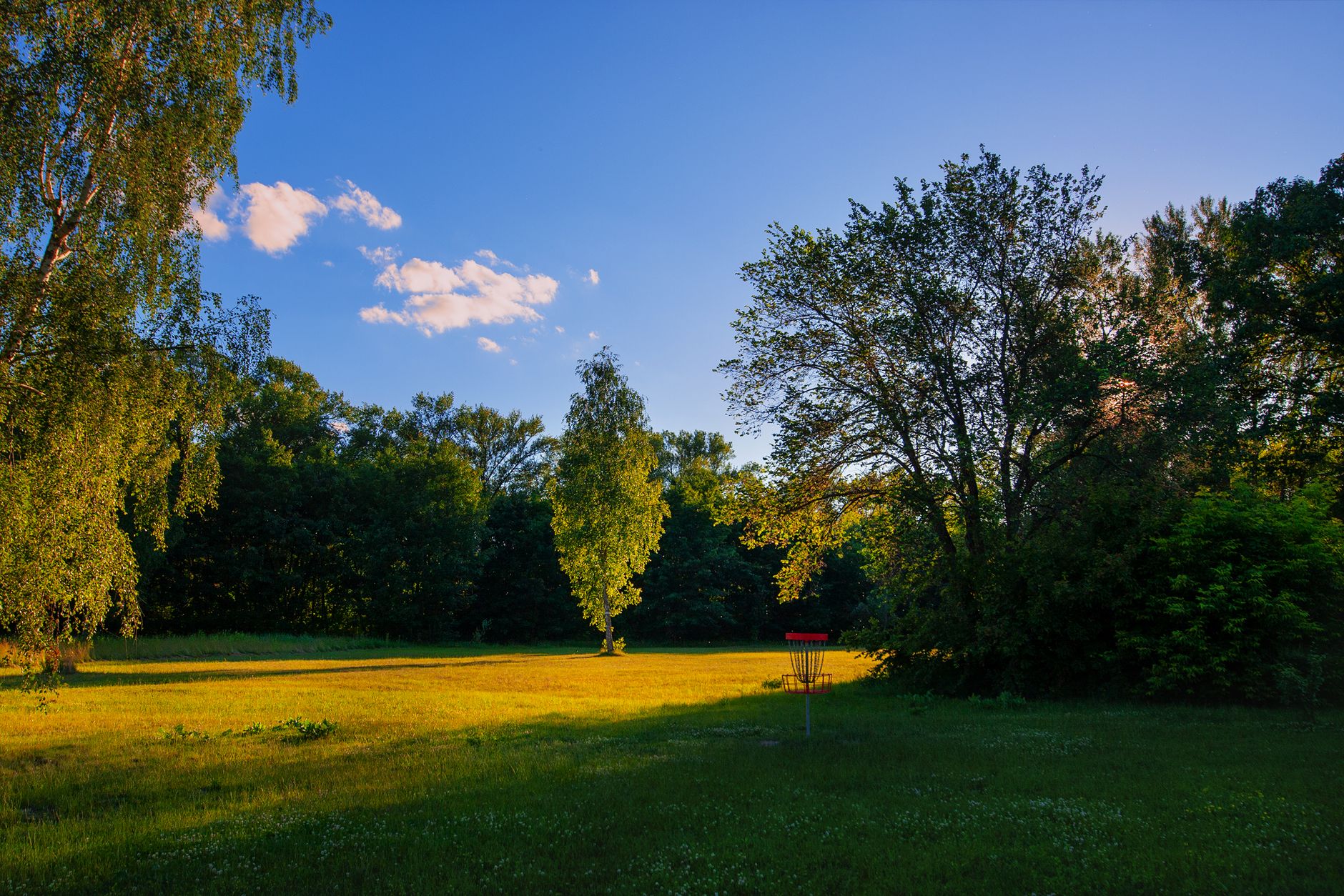
Yes, in most cases a robotic mower can cover a mowed fire break along a golf course edge on a set schedule, and that frees crew hours that otherwise go to repeat passes during fire season. The width, height and timing of the break, though, come from the local fire authority, not from the course or the vendor.
A mower route is a maintenance tool. It does not promise fire protection, and a course that treats a mowed strip as a finished job has missed the point. Build the route as one layer in a wider defensible space plan.
Why do golf course edges draw fire planning attention?
Golf courses often border wildland, dry brush or housing, and turf can become fuel quickly. A fuel analysis of the Homestead Golf Course in Lynden, Washington, found that dense, tall grass near structures could carry fire within weeks as it cured. Its main recommendation was mowing before curing, plus defensible space where turf meets ornamental plantings.
Real fires have tested course edges. A 20-acre fire at a golf course in Grand Lake, Colorado came within 30 feet of some homes, and none of those homes burned. State Forest Service officials credited fuelbreaks with saving homes.
What do the 100-foot and three-zone numbers mean?
In California, Public Resources Code 4291 requires 100 feet of defensible space around structures, measured to the property line. Going past the property line takes a state law, local ordinance, rule or regulation, so a course cannot assume its boundary sets the limit.
A common US model splits the space into three zones: an immediate zone from 0 to 5 feet, an intermediate zone from 5 to 30 feet, and an extended zone from 30 to 100 feet. The California statute also calls for more intense fuel reduction between 5 and 30 feet, and an ember-resistant zone within 5 feet of a structure.
Numbers shift with terrain. Idaho guidance cites a minimum of 100 feet on flat ground and up to 200 feet or more on slopes, so a steep course edge may need far more room than a level one.
How does a mower route cover the break on schedule?

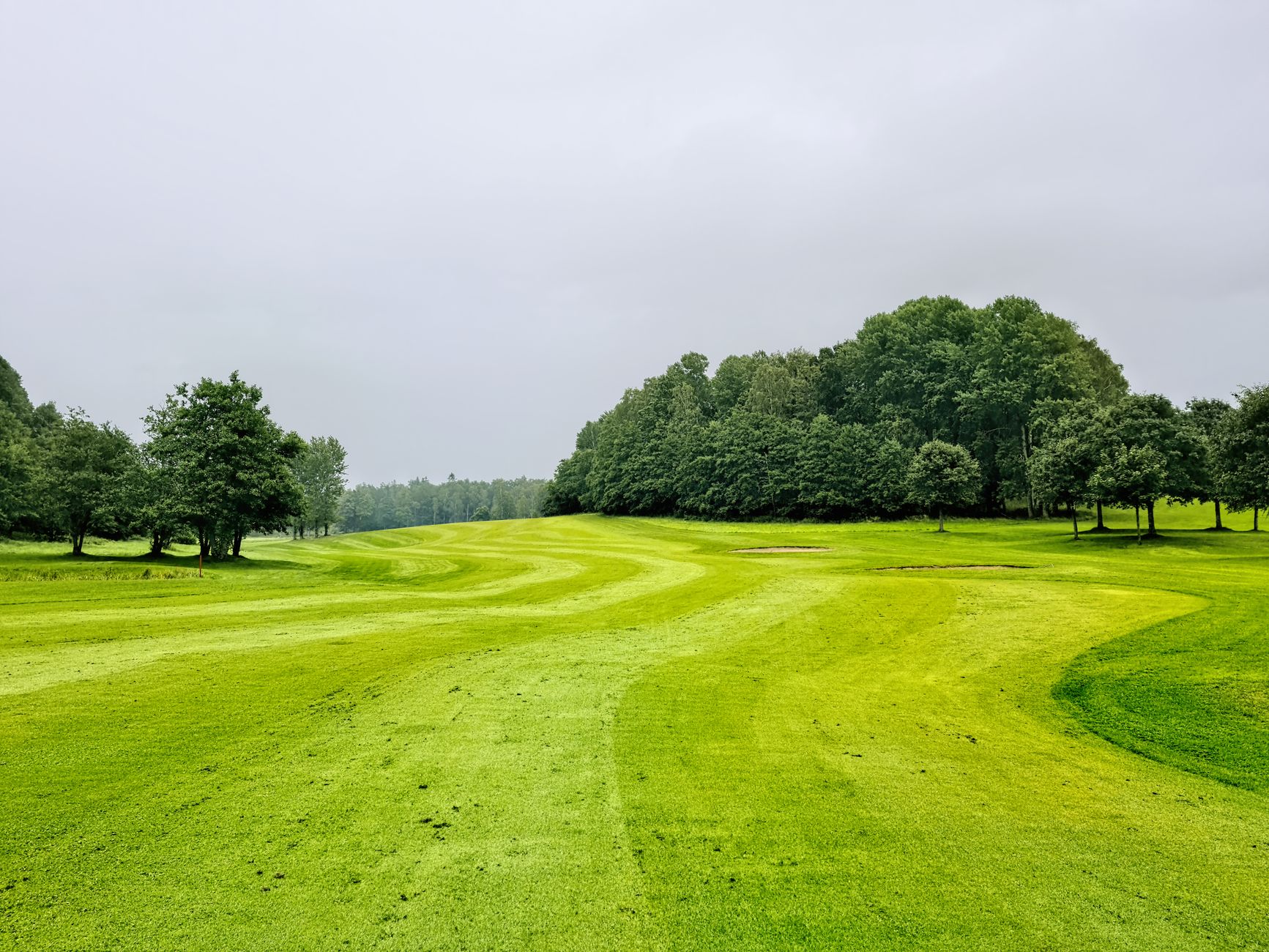
Start with a mapped boundary that matches the width the fire authority requires, and keep the robot route inside it. Repeat passes on a fixed calendar keep grass low before it cures, which answers the Lynden concern about tall dry turf. Scheduling the same days each week also gives the crew a predictable window for inspection.
Pair the mowed strip with the right surfaces. University of California guidance describes immediate zones near structures built with noncombustible surfaces such as rock, gravel, concrete or pavers. A mower cannot provide those surfaces, so they need their own line on the site plan.
Know the limit of the cut. The Louisville review warned that mowed fuel breaks may give residents a false sense of security and are less useful in high-wind events. Treat the mowed break as one layer, not the whole answer.
What still needs a crew's eyes?
The robot repeats the cut. People check what the route cannot see. These are the items a crew should still walk, on a fixed schedule and after any storm or irrigation work.
- Boundary markers, gates and the edge line where the mapped break meets play areas
- Cut clippings and debris piled against fences, sheds or structures
- Ornamental beds, mulch and tree skirts where turf meets landscape
- Sprinkler heads, low branches and obstacles the route does not reach
- Hand trimming and edging near structures, which a mower cannot take on
Where does a robot lease fit this plan?
Service Robot Co. is a full-service commercial robot integrator, and we are OEM-neutral, so we select the mower that fits the course rather than one manufacturer's line. Customers get their robots on a lease: a 3-year lease through financing, with one fixed lease payment quoted after a site assessment. We deploy, integrate and train each unit, then service it under RoboCare, backed by regional service engineers in every state we service.
On an edge job like this, the site assessment is where boundary, slope and cut-height questions get answered before any route is set. We cannot promise a fire outcome from a mower. We can make the scheduled cut repeatable and documented, which is what the crew needs during fire season.
Frequently asked questions
Want a robot working for you?
Tell us the job and the site. We will recommend the robot, quote the lease, and keep it serviced.
Sources
- Justia, California Public Resources Code 4291 (2024 text)
- Town of Truckee, California Local Fire Safety Law
- PNNL, Defensible Space Protection Against Wildfires
- Idaho Firewise, Firewise Landscapes
- University of California ANR, defensible space guidance
- CBS Colorado, Grand Lake wildfire at golf course
- Lynden, Washington fuel analysis, Homestead Golf Course
- Louisville, Colorado fuel break review