Key takeaways
- A compact floor robot can work the open lanes between fitting stations, once the floor has been surveyed and mapped.
- Staff should pre-clear loose cables, bags, carts and mats from the robot's route before each pass.
- Schedule passes into gaps between fittings or after close, with a pause rule for anyone who walks into a lane.
- Cleaning robots were the third-largest professional service robot segment in 2024, according to IFR figures.
- A fixed robot lease quote follows a site assessment, so bring your studio layout and traffic pattern to that visit.
Can a compact floor robot work a fitting studio between sessions?
Yes, in many studios, provided the robot is matched to the lanes it must cross and the floor is cleared before each pass. A fitting studio is a tight, cluttered room with hitting mats, launch monitor cables, impact screens, fitting carts and a steady stream of visitors. A compact unit can cover the open lanes between stations, but it cannot clean around what staff have left in its path, and that gap decides whether a pass finishes or stops.
The category is mainstream. According to IFR figures reported by Robotics Tomorrow in October 2025, professional cleaning robots were the third-largest professional service robot segment in 2024, with sales up 34% to more than 25,000 units, and most of those units are deployed for floor cleaning. That does not prove any single studio will suit a robot, but it shows the equipment has moved well past the test stage.
Why fitting studios are harder on floors than they look
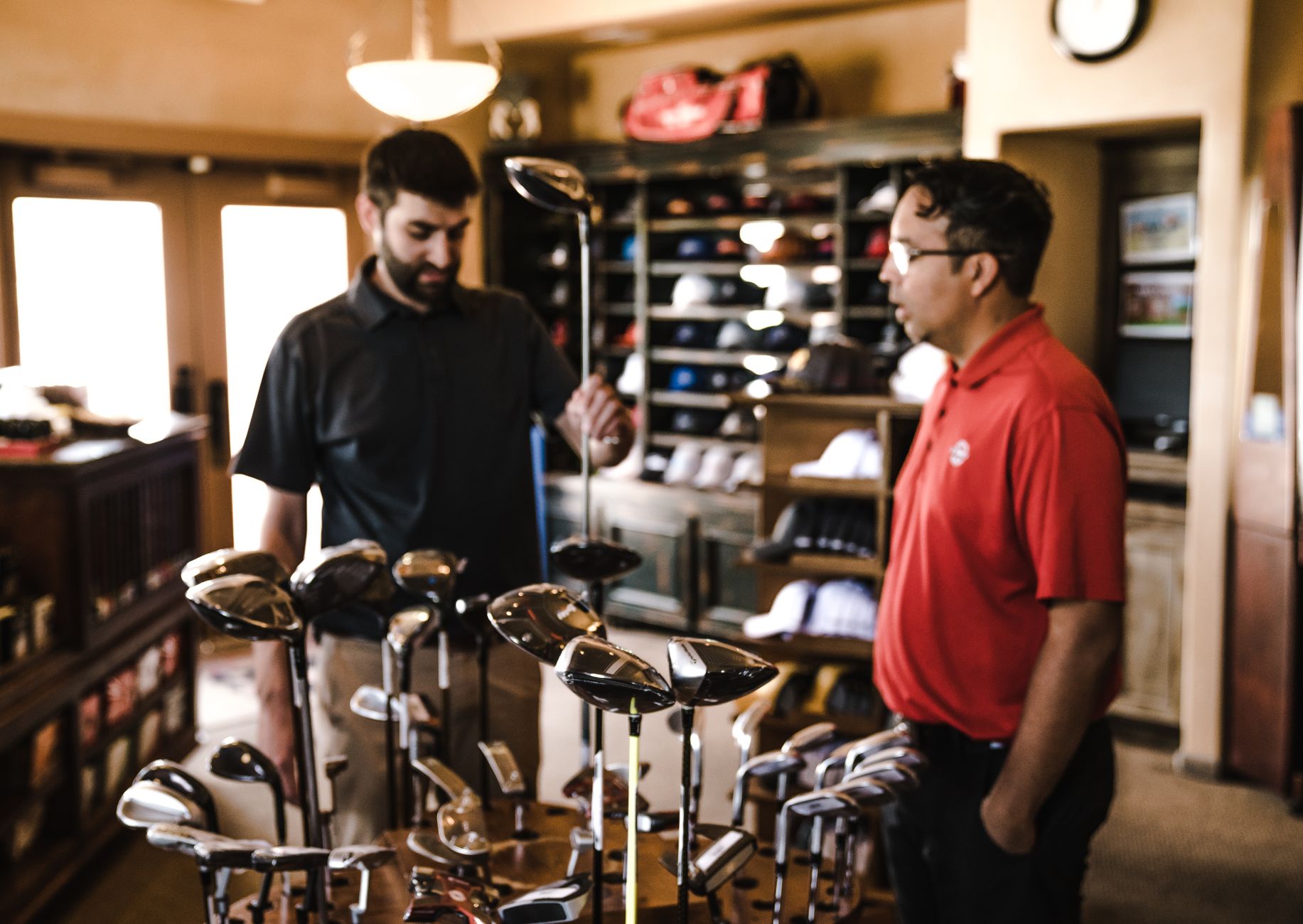
Fitting spaces are built around equipment that sits on the floor. Club Champion's Austin studio, which opened inside a Golfinity location in June 2025, runs one indoor bay with a Trackman launch monitor, a SAM PuttLab for putter work and a build shop where clubs are assembled by hand. Each of those stations brings stands, cords and benches that a robot has to route around.
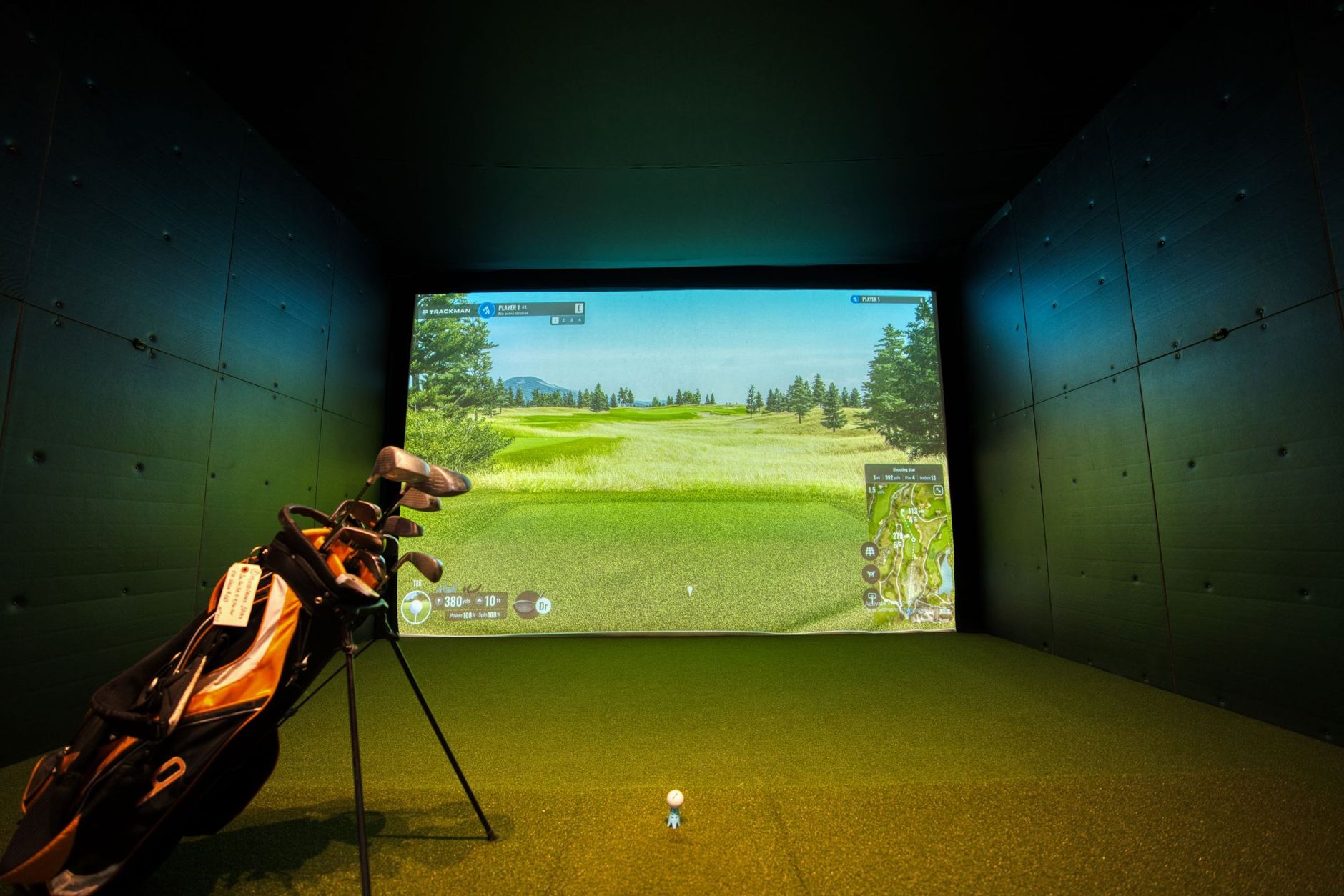
Larger rooms multiply the problem. GOLFTEC's North Miami Beach center opened with four indoor bays using Foresight Sports launch monitors, and Applebrook's performance center projects onto a 17 ft by 10 ft impact screen in its fitting bay. Every added bay adds screen frames, mats and cable runs, and the lanes between bays are where foot traffic and debris gather.
The core components are fairly consistent across vendors. A vendor-neutral setup guide from Sports Carnival lists an impact screen, projector, hitting mat, enclosure, simulation software and launch monitor as core parts, and it notes compact options such as SkyTrak+ and ceiling-mounted TrackMan iO for smaller rooms. Knowing which of these sits on the floor tells you where the robot will need clear space.
Mapping the lanes a robot can actually use
A floor robot does best in lanes that have been surveyed. Before anything runs, walk the studio at the height of the machine, not your eye level, and mark the places a robot could catch: mat edges, cable runs across walkways, the foot of a launch stand and any lip on a raised hitting platform. Then mark the lanes that stay open all day.
This is the mapping stage a robot integrator runs before a lease is quoted. The site assessment records floor type, obstacles, doorways and traffic patterns, so the route follows real lanes rather than the floor plan on paper. Treat the first map as a draft, because the staff who fit daily will spot the cord that moves every week.
Ask the robot maker how its obstacle detection behaves with low cords and dark mat edges, and get that answer in writing. Manufacturer specifications should drive the decision, not a general claim about sensors.
What staff should pre-clear before each pass
Pre-clearing keeps the robot working without pulling a fitter off the range. It is a short routine, not a deep clean, and it belongs at the end of each fitting block or at a fixed point in the day.
- Pull club bags, ball buckets, trolleys and portable stools out of every lane the robot will cross.
- Route launch monitor and projector cables along walls or inside covered channels, and confirm no lead crosses a doorway or walkway.
- Move hitting mats that are not in use to the edge of their zone, and secure any corner that lifts.
- Wipe wet patches from club cleaning, spilled drinks or drips from the build shop.
- Keep the charging dock and the route clear of coats, bags and display stands.
- Log anything that moved, so the route map is updated the same day.
Keeping cables and mats out of the robot's way
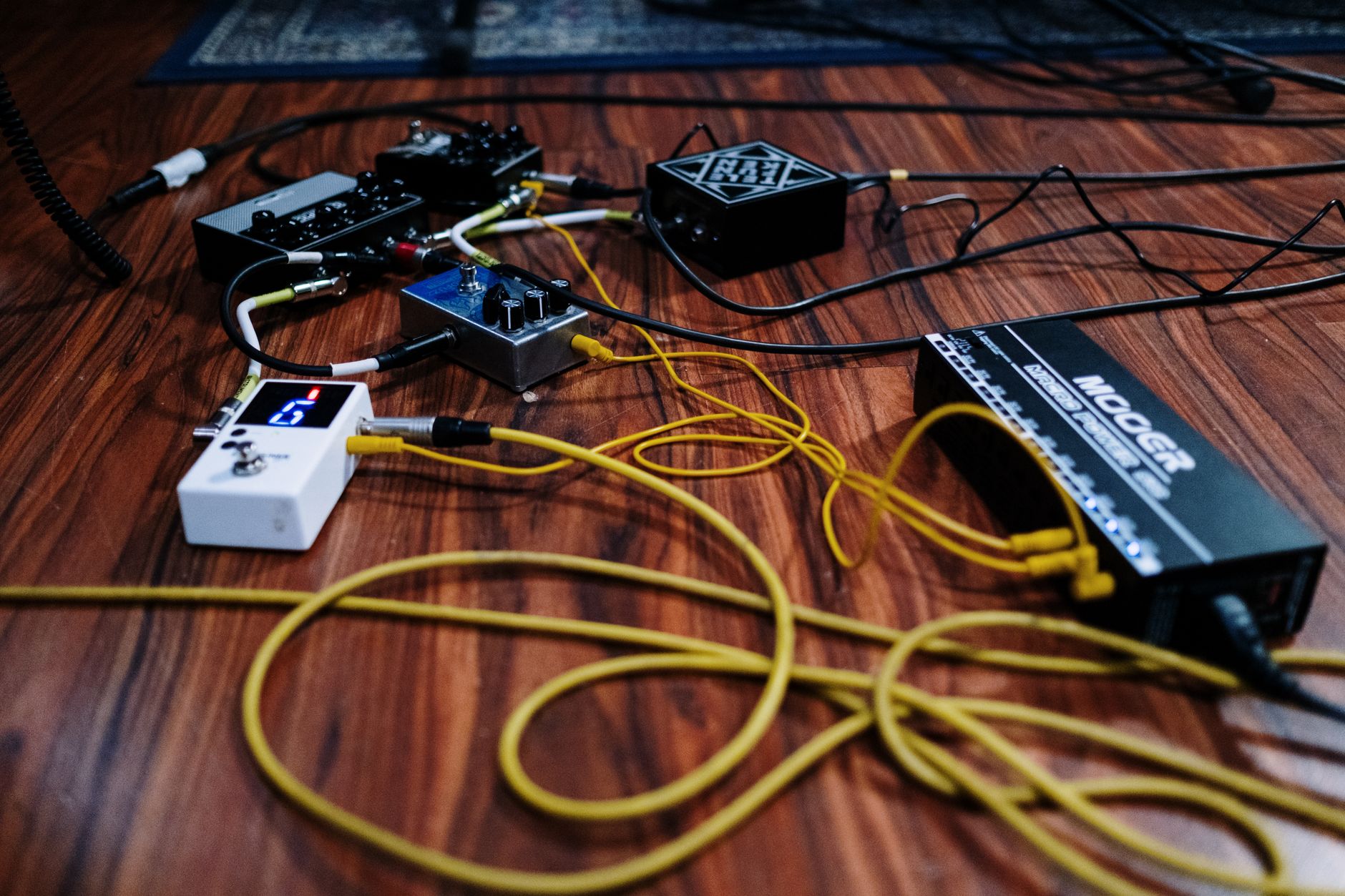
Cables cause most of the trouble. A launch monitor lead that drifts into a route can catch a brush or stall a drive wheel, and that stop costs more than the pass itself. Run the robot along the cleanest lanes, even when they are longer, and leave cable-heavy corners for a staff sweep.
Mats are the other hazard. A rolled edge or a corner curled by foot traffic becomes an obstacle the robot must avoid or cross. Keep mats flat, mark their footprint on the map and avoid laying a mat across the only exit lane.
The trade-off is worth stating plainly. Cable routing and mat placement are layout decisions, and changing them takes staff time at the start. That time is spent once, while the daily gain repeats every day the studio runs.
Scheduling passes around fittings and visitors
Timing decides whether a studio tolerates a robot. Schedule passes into the gaps between fittings, during quiet hours or after close, and keep fitting sessions off the route while the robot is running. A clean floor at opening matters more to a visitor than a spotless floor at midnight, so set the pass to finish before the first fitting block starts.
Walk-in visitors change the plan. They cross lanes that the map may treat as clear, so pair the route with a stop rule: when a person enters a lane, the robot pauses and resumes once the lane is clear. Ask the robot maker to demonstrate that pause behavior before the unit runs in front of guests.

Where a robot lease and service plan fit this studio
Service Robot Co. is an OEM-neutral integrator for US businesses. We pick the robot, lease it through financing, deploy and integrate it into your site, train staff, and service the unit under RoboCare, our service plan, backed by regional service engineers in every state we service. For a studio, that means one point of contact for the floor plan, the lease and the service calls.
Our offer is a 3-year lease with one fixed robot lease quote after a site assessment. The assessment is where lanes, cable runs and traffic patterns get mapped, so the quote reflects the studio you actually run. Before you sign, ask for the service plan's coverage in writing, including on-site dispatch, remote triage and how go live support handles the first passes.
Frequently asked questions
Want a robot working for you?
Tell us the job and the site. We will recommend the robot, quote the lease, and keep it serviced.
Sources
- Robotics Tomorrow: Service robots see global growth boom, IFR reports
- First Call Golf: Club Champion fitting studio now open at Golfinity Austin
- SGB Online: Club Champion opens location in Austin
- Trade and Industry Development: GOLFTEC opens North Miami Beach center
- Applebrook Golf Club: Golf performance center
- Golf Business News: TaylorMade installs Foresight Sports simulator and PuttView at European HQ
- Sports Carnival: Indoor golf simulator setup guide