Key takeaways
- Fairway-style turf is the realistic robot job on a pitch-and-putt course; greens are not.
- USGA's Green Section Record says autonomous mowing of greens is not an option currently available to superintendents.
- We found no source saying a fairway mower cuts tees, so plan tees as crew work.
- Most acreage figures come from manufacturers, so test them on your own short holes.
- Map keep-out zones and run a supervised trial on one hole before the full course goes live.
Can robots take over a pitch-and-putt course?
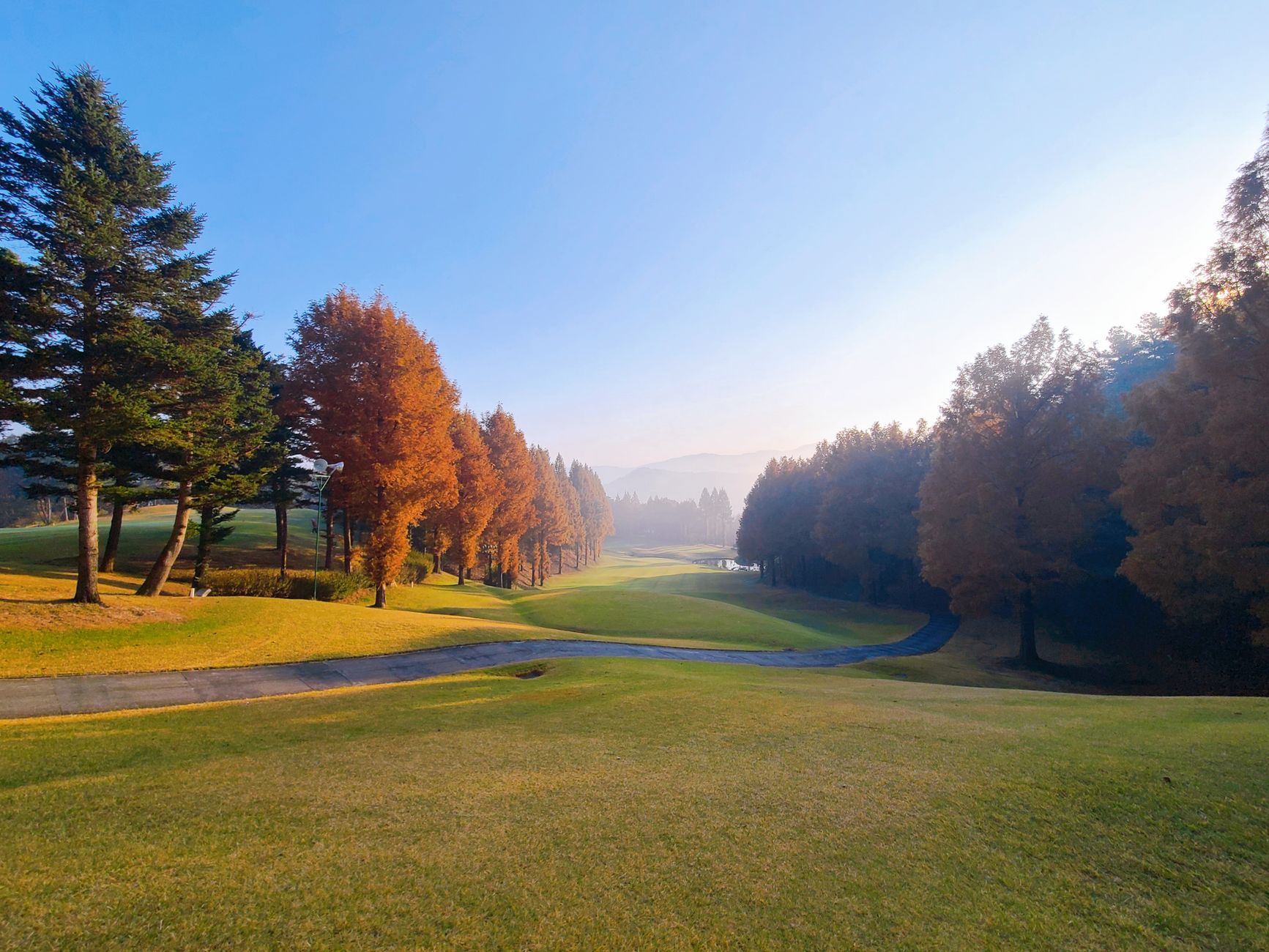
Partly. A pitch-and-putt course is a patchwork of short holes, tight greens and wide stretches of fairway-style turf. An autonomous fairway mower can take the long, repetitive passes across that open turf. It does not take the greens, and the tees belong on the crew schedule as well.
The crew keeps greens, tees and the hand work at the edges. The robot's job is to move morning hours from open turf to the tasks that decide how a short course looks and plays. The sections below explain where that line sits and how to plan around it.
What can an autonomous fairway mower cover?
Most capacity figures come from manufacturers or from industry articles that quote them. A USGA article on autonomous mowing technology describes reel mowers covering 20 to 25 acres on one charge, with runtimes of four to six hours. As of November 2026, Husqvarna's golf page lists its CEORA unit at up to six acres per day, a vendor-reported figure.
Toro's GeoLink Autonomous Fairway Mower pages list autonomous ground speed of 0 to 5 mph, 5-inch reels and a height of cut from 0.25 to 0.75 inch. Toro also notes that the line can be run manually to supplement a fleet. Those specs suit fairway turf, but they do not predict how long one short hole takes.
Start with your total acreage from the site survey, since that number decides whether one charge covers a full mowing pass. Older material is history rather than a buying guide. A 2016 trade report described the TURFLYNX F315 as a first fully autonomous, driverless fairway mower, electric and rated up to 3.5 hectares per charge.
Where does the USGA line sit on greens?
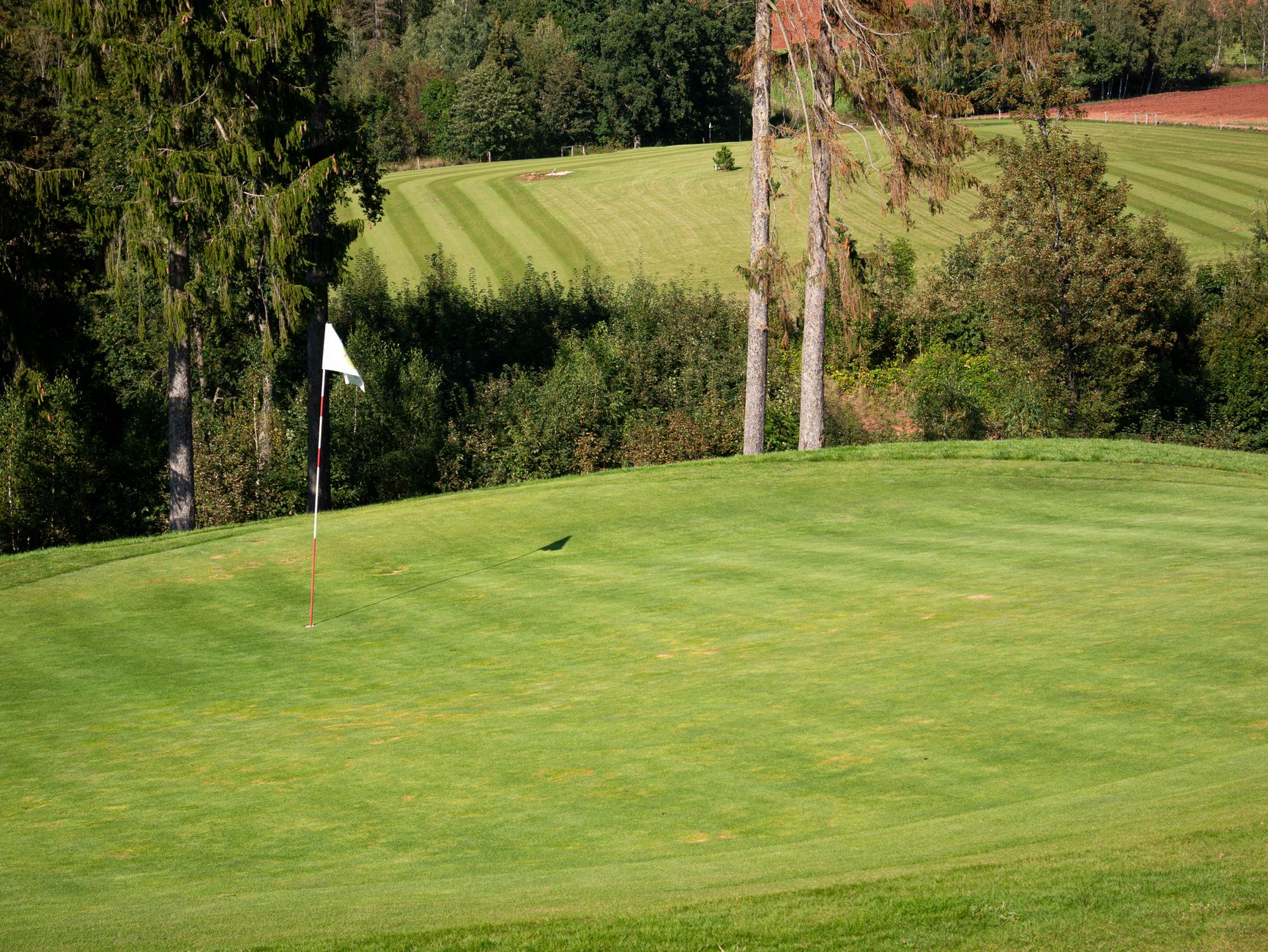
USGA's Green Section Record article 'Rise of the Machines' states that autonomous mowing of greens is not an option currently available to superintendents. The same article says large-area autonomous reel mowing was still in development and not commercially available. We did not confirm the article's publication date, so check USGA's current position before you budget around it.
The line is about greens, not about every turf surface near them. Championship coverage points the same direction. Turf Magazine reports that Husqvarna robotic mowers helped maintain select areas at the 2026 U.S. Senior Women's Open, described as among the first official USGA championships to use robotic mowing. The report does not say greens were mowed autonomously, so read it as a fairway and rough story.
What stays with the crew?
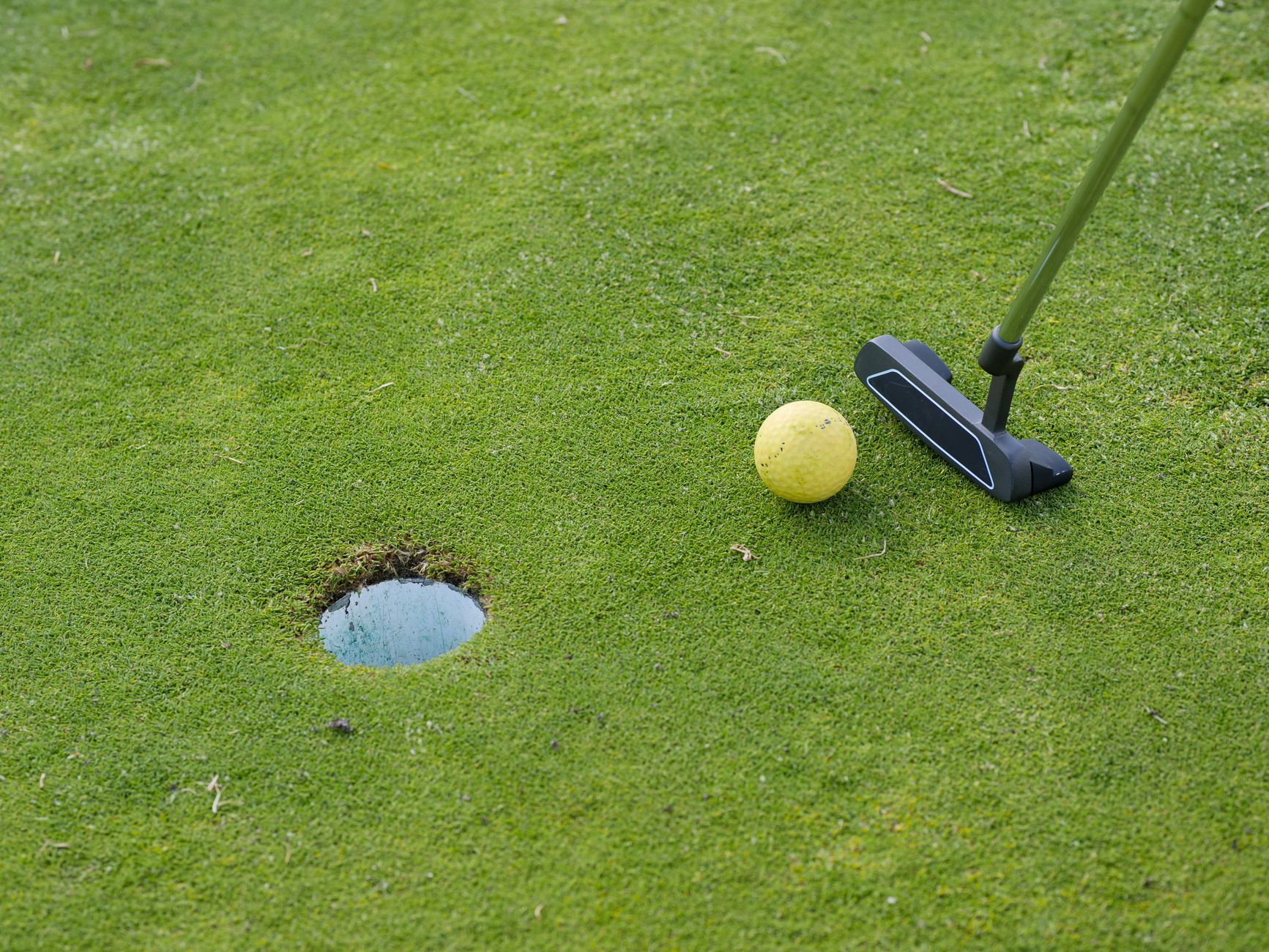
Greens are the clear hold-back. Putting surfaces, collars and the edges where turf meets the green stay with people, and the USGA line applies there. Hand mowing and trimming around greens and tees stay on the crew schedule.
Tees are the less obvious case. We found no source saying an autonomous fairway mower covers tees, so the safe planning assumption is crew work. Ask any vendor to state in writing what its unit does and does not cut before you plan around it.
The gain is not a smaller crew. It is the same crew spending more morning time on tees, greens and edging, where a short course shows its quality.
How do you map short holes before the first run?
Mapping decides whether early passes go well. Start with a walk of every hole alongside the crew lead rather than relying on an aerial image. Note where height changes, where cart paths meet grass, and where ground dips or holds water. Surrounds matter as much as the holes: the rough strip beside a green, the apron where carts stop and the lip of a bunker are where robot paths meet human traffic.
Log these items on the site map before the robot runs:
- Boundary stakes and out-of-bounds markers, which the robot must treat as hard limits
- Keep-out zones for greens, tees, collars, drains, sprinkler heads and irrigation boxes
- Caution zones for slopes and wet low spots that need a supervised first pass
- A charging dock location away from play lines and foot traffic
Where does a site assessment fit in?
Service Robot Co. is a full-service commercial robot integrator for US businesses, and we are OEM-neutral. We compare robots across manufacturers for the task in front of us, then deploy, integrate, train and service them under RoboCare, our service plan, with regional service engineers in every state we service.
Customers get a robot through a three-year lease, with one fixed lease payment quoted after a site assessment. For a course, that assessment is where hole-by-hole mapping, keep-out zones and dock placement get settled before anyone signs. A capacity claim alone should not set the lease terms.
How should you test a vendor's numbers?
Ask what each figure assumes: the cut path, the charge state, the turf conditions and whether it was measured on fairway turf or mixed commercial lawns. Manufacturer figures are a starting point for comparison, not a forecast for your holes.
Then log actual run times for at least two weeks and set them against the vendor figure. The gap between the two is the number to bring into a bid review, and it will say more about your course than any brochure.
Frequently asked questions
Want a robot working for you?
Tell us the job and the site. We will recommend the robot, quote the lease, and keep it serviced.
Sources
- USGA Green Section Record: Rise of the Machines (autonomous mowers on golf courses)
- USGA Green Section Record: Autonomous Mowing Technology Keeps Moving Forward
- Husqvarna US golf industry page
- Toro GeoLink Solutions Autonomous Fairway Mower Series
- Toro product page 04580AA
- Sports Field Management: First driverless fully autonomous fairway mower (2016)
- Turf Magazine: Husqvarna robotic mowers at the 2026 U.S. Senior Women's Open