Key takeaways
- Map every basket, tee pad and approach lane as a no-go zone before the first robot pass.
- Flush tee pads and firmly anchored baskets keep the mower route clean and safe.
- Schedule passes from the league calendar, and log every hold so next season starts from real data.
- Hand crews keep the edges and anchor rings that a mower cannot reach cleanly.
- Re-survey the zone map after every basket move, tee rebuild or storm.
Where disc golf and ball golf overlap on one property
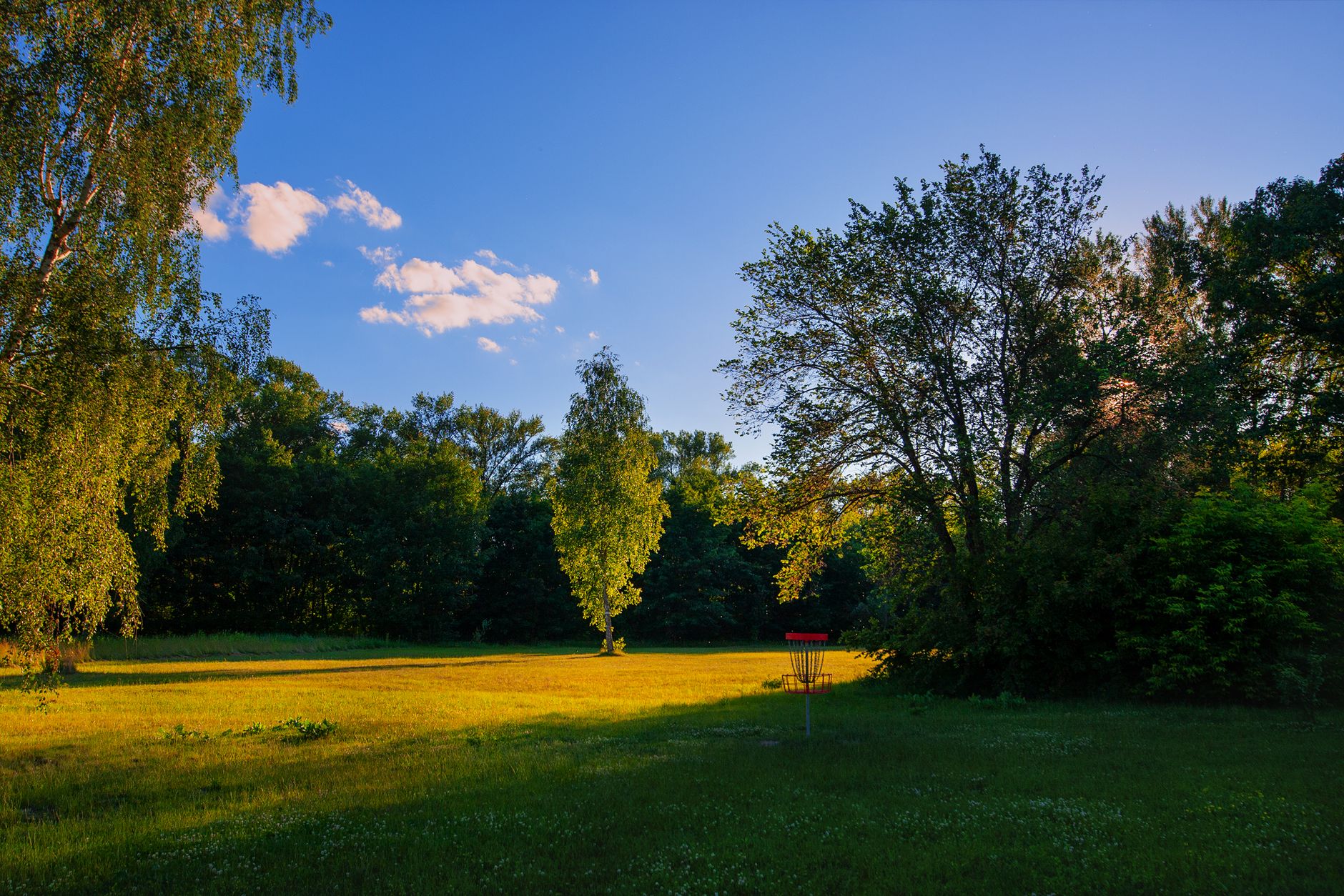
Shared sites take more than one form. Some disc courses run alongside a ball golf course, and some use ball golf tees and fairways as part of their route. A reviewer of a disc course that plays alongside a nine-hole par-three ball golf course warned of longer rounds than expected and stray golf balls. Reviews are informal, so read that as one player's experience, not a measured result.
Tees are a second point of friction. A UDisc review of a municipal course said the shared layout used the ball golf tees and had no disc-specific tee signs or tees. That review sits on an aggregator and has not been checked against the course's own records, so verify on site. For a mower crew, the practical point is simple: nobody can avoid a disc tee they cannot see.
How to map basket and tee zones as no-go areas
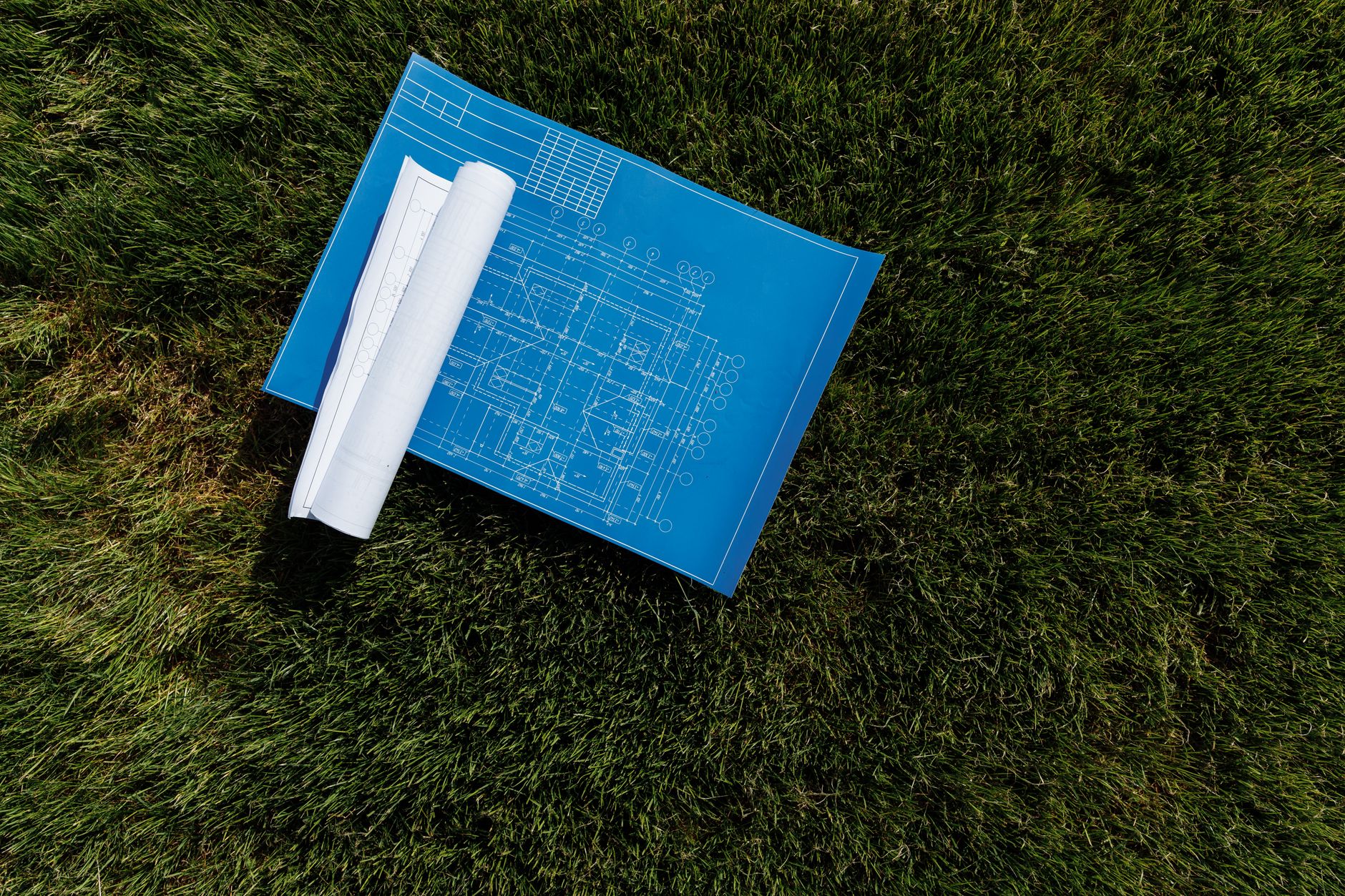
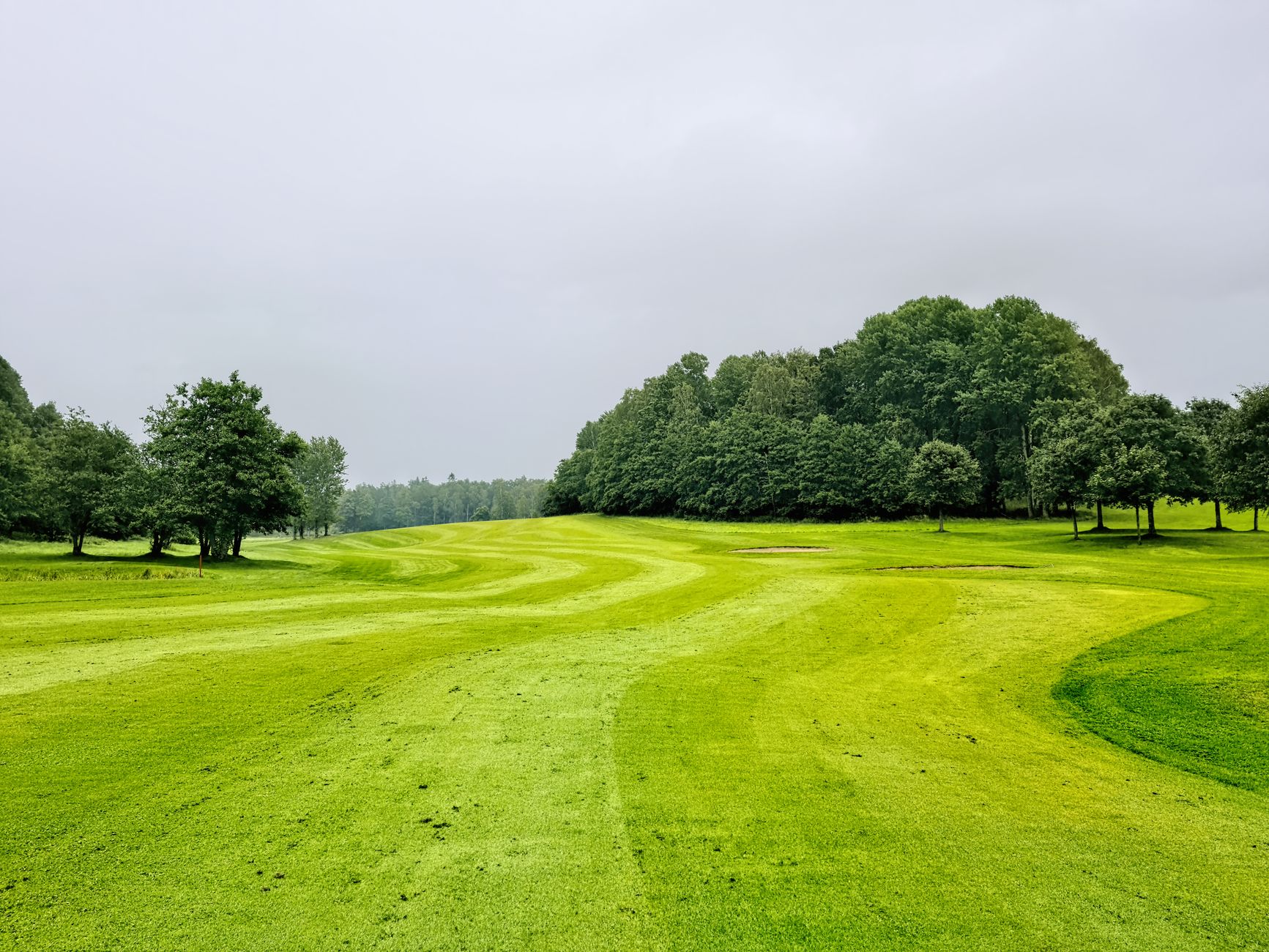
Walk the course with the disc golf layout and the mower route side by side. Mark each basket, each tee pad and the approach lane players use to reach it. Record each anchor point too, because a basket that shifts on uneven ground is a hazard in its own right.
A municipal design guideline from Greater Sudbury, Ontario, says disc baskets must be firmly anchored to protect player safety and guard against theft or damage. A reviewer of a municipal course described loose, tippy baskets on uneven ground. If a mower meets a basket that is not firmly set, the basket is the problem to fix first, and the map should flag it.
Record these fields for each hole:
- Basket position and anchor condition, noted with the survey date
- Tee pad footprint and whether its surface sits flush with the turf
- Approach lane from the tee to the basket, which players walk and the mower should not cross
- Any disc-specific tee sign or stake, so the crew can tell disc tees from ball tees
- Hand-trim ring around each anchor and along each pad edge that the mower cannot reach cleanly
Should tee pads sit flush or stand proud of the turf?
Flush pads are easier to mow over. A Mineola council packet item on a disc golf course recommended tee pads flush with the ground so mowers can pass over them rather than around them. That packet concerned a different course, but the logic carries. A pad that stands proud forces a mower to route around it, and the strip beside it gets walked and worn.
A UDisc reviewer made a related point: discs sitting above the turf get chewed by mowers. That is reviewer commentary, and I could not tie it to a study. Still, a crew that sees chewed tee discs knows the pad height needs a look before the next mow.
How to schedule passes around league play
Start from the league calendar, not the mower. Collect the league and open-play days for the disc course, the ball golf tee times, and any tournament weekend. Mark the gaps when players are absent from the approach lanes, mow in those gaps, and leave the league windows alone.
Build the schedule around a few habits:
- Confirm the current league schedule before each run, since leagues change week to week
- Run passes on a route that never enters a mapped no-go zone
- Hold a pass whenever a league or tournament is active on the adjacent ground
- Log each pass and each hold, so the next season's schedule rests on what actually happened
What stays with hand trimming on the edges
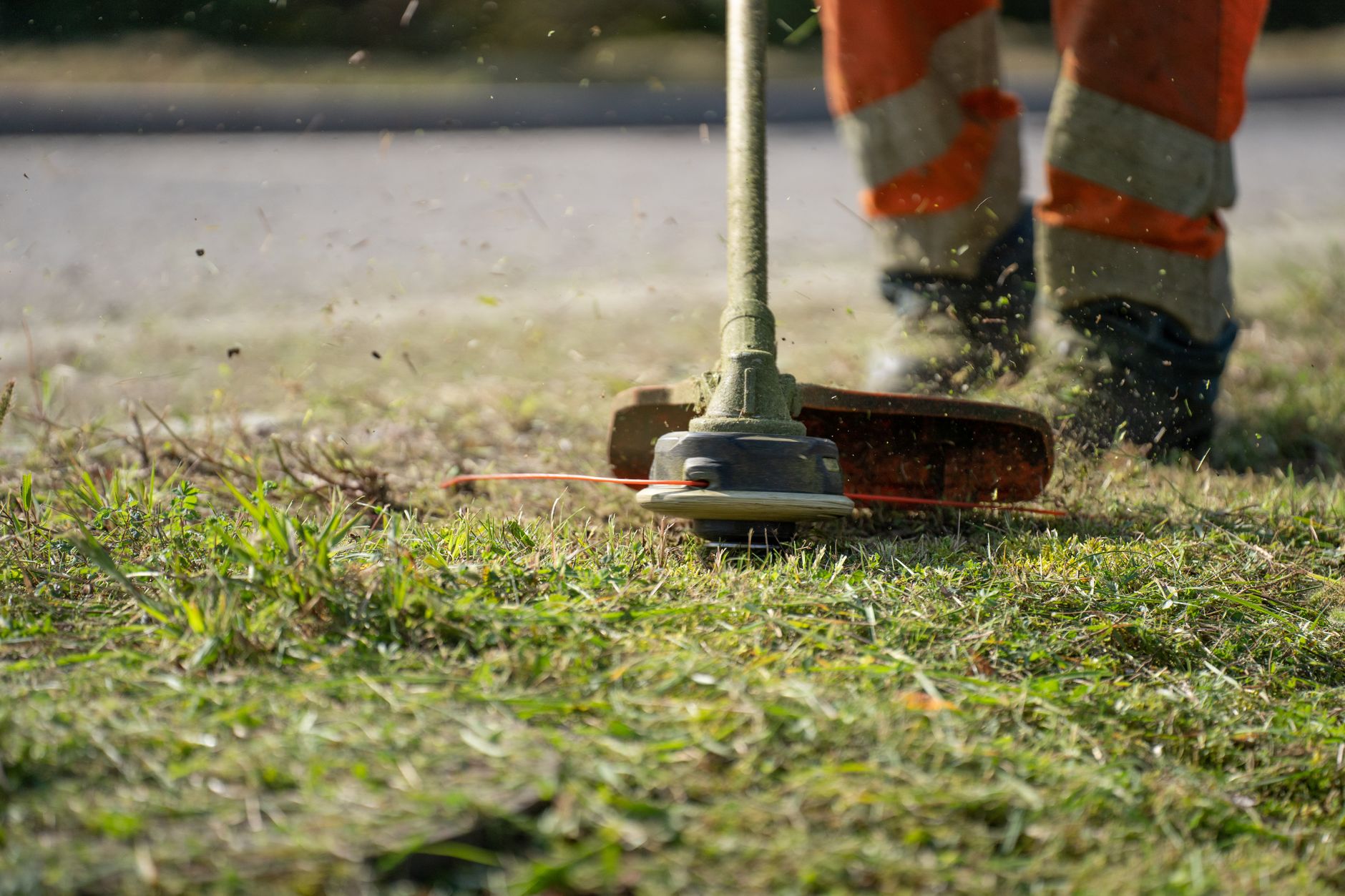
The mower handles the open turf. Hand crews keep the edges a mower cannot reach cleanly: the ring around each basket anchor, the collar of each tee pad, and any edge where the mower would have to brush a basket or sign. Hand trimming there also protects the anchor, since a mower clipping a basket base can loosen it.
Put hand trim time on the same sheet as the mower route as a fixed task. Trim before the mower reaches the zone so the crew is not working beside a machine on the same patch. Keep the trim pattern steady week to week, so players see the same clean edge every time.
I did not find published figures on how much mower time shared basket zones cost, or how league schedules change route time. The schedule above therefore rests on the route log you keep, not on a benchmark. A few weeks of logged passes will tell you more about your course than any general estimate.
Who keeps the no-go map current
A zone map goes stale quickly on a shared course. Baskets move after tournaments, tee pads get rebuilt, and a storm can shift an anchor. Assign one person to update the map after any change and to re-check it before each season opens.
This is where one integrator earns its place. Service Robot Co. is OEM-neutral, so the mower we would recommend follows the course's zones and turf, not one brand's catalog. Our site assessment produces the zone and pass map, and we lease robots through financing on a 3-year lease, with one fixed lease payment quoted after that assessment. RoboCare, our service plan, covers each unit through regional service engineers in the states we serve. Details are at servicerobotco.com.
Frequently asked questions
Want a robot working for you?
Tell us the job and the site. We will recommend the robot, quote the lease, and keep it serviced.