Key takeaways
- Bowling alleys have vast hard-floor areas beyond the lanes that require constant, labor-intensive cleaning.
- Autonomous floor scrubbers can clean large concourse, seating, and bar areas overnight without human supervision.
- Automating floor care addresses chronic labor shortages and high turnover in the commercial cleaning industry.
- A Robots-as-a-Service (RaaS) model makes automation accessible without large upfront capital investment.
- Working with a vendor-neutral integrator ensures facilities get the right robot for their specific layout and needs.
The Unseen Challenge in Bowling Center Maintenance
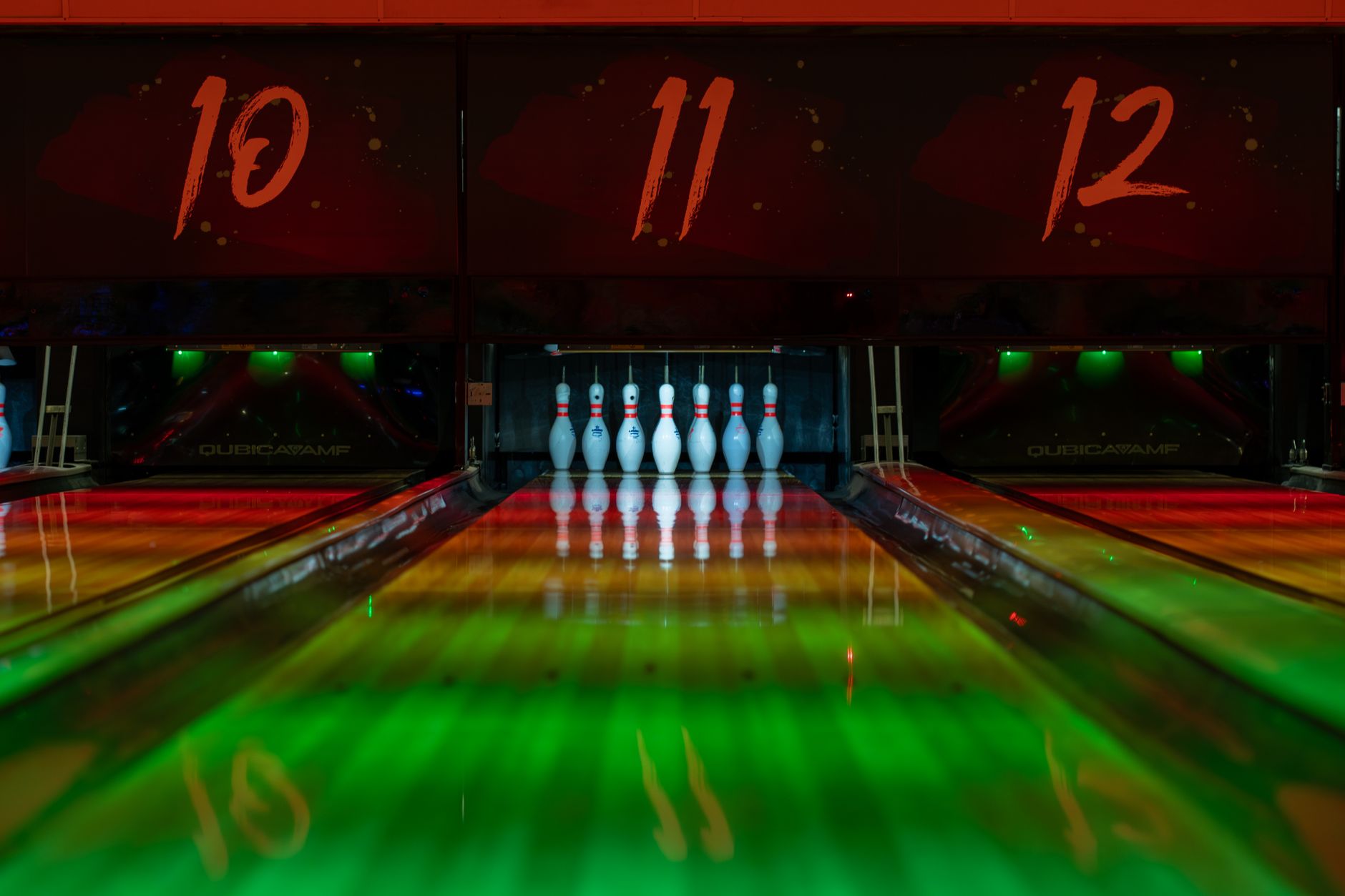
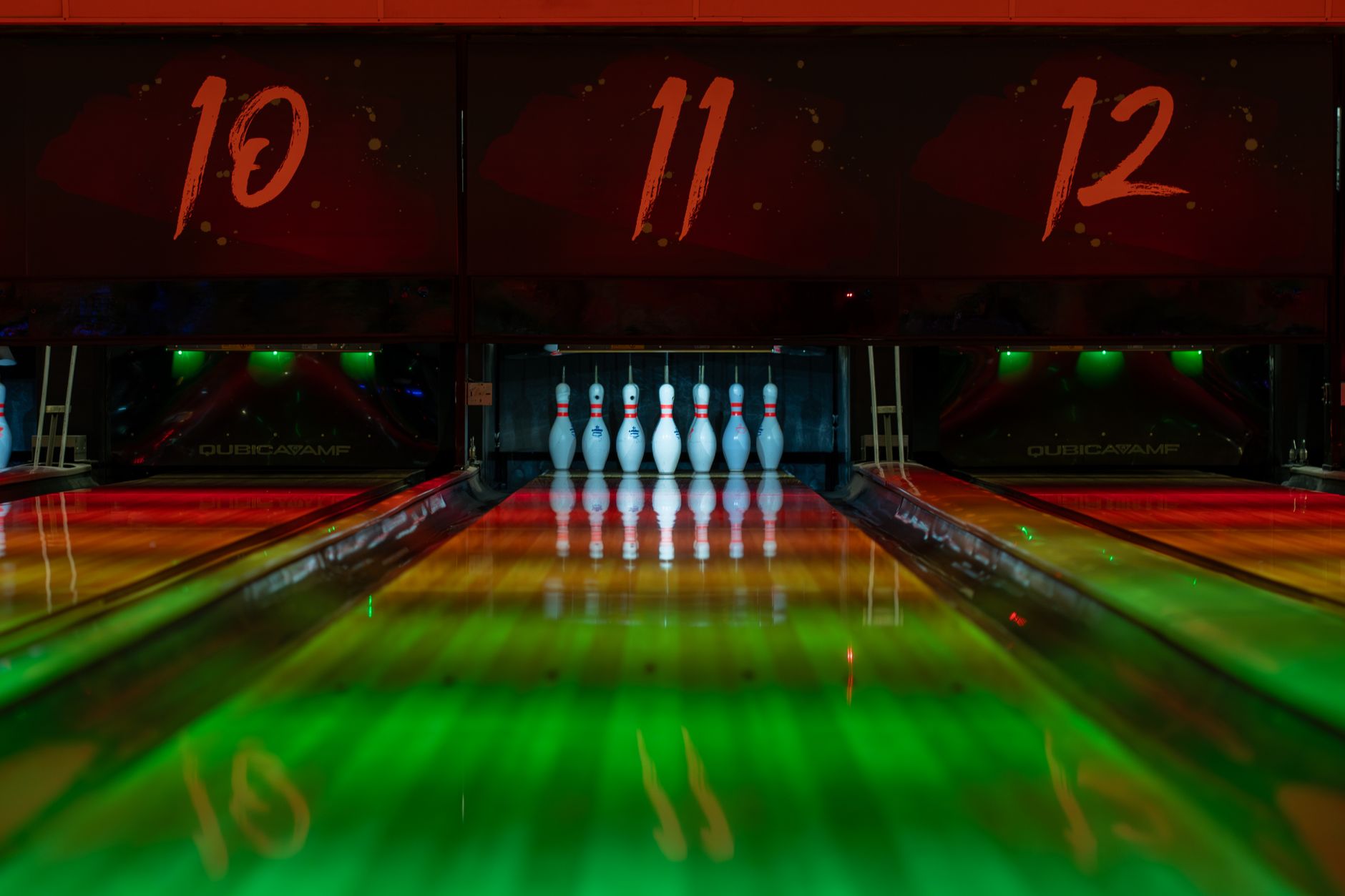
When people think of bowling alley maintenance, they picture lane conditioning machines meticulously applying oil for the perfect shot. But behind the scenes, a far more demanding and repetitive task awaits: cleaning the massive floor space that surrounds the lanes. Every square foot of the concourse, seating areas, arcades, and bar represents a constant battle against tracked-in dirt, spilled drinks, and general grime.
A typical 12-lane bowling center can occupy 12,000 to 15,000 square feet, with a significant portion dedicated to these high-traffic hard-floor zones. Keeping these areas presentable for the next day's leagues and parties is a relentless, manual-labor-intensive job. This is where autonomous floor scrubbers present a specialized and powerful advantage, handling the endless square footage overnight while the facility is empty.
How Do Autonomous Scrubbers Handle a Bowling Alley?
An autonomous floor scrubber is an industrial-grade cleaning machine designed to operate without a human driver. Using a combination of advanced sensors like LiDAR and 3D cameras, the robot first maps the facility's unique layout, from the wide-open concourse to the tighter spaces between seating clusters and arcade games.
Once a cleaning route is programmed, the robot can execute it on a schedule with perfect consistency. It dispenses cleaning solution, scrubs the floor with brushes or pads, and vacuums the dirty water up in a single pass, leaving the surface clean and dry. This process runs overnight or during off-peak hours, ensuring the facility is pristine when the first customers arrive without disrupting business operations. The machine intelligently navigates around obstacles and can even return to a docking station to recharge itself before resuming its duties.

What is the Real Impact of Automating This Work?
The primary benefit is addressing the persistent labor shortage plaguing the commercial cleaning industry. The sector has long struggled with high employee turnover, with some estimates placing it near 200% annually. This makes staffing overnight cleaning shifts exceptionally difficult and expensive. An autonomous scrubber provides a reliable solution that shows up every night without fail.
This automation allows human staff to be reallocated from pushing a manual scrubber for hours to focusing on higher-value tasks. Instead of monotonous floor care, the overnight crew can concentrate on detailed work like sanitizing restrooms, deep cleaning kitchen areas, and servicing the lane-side furniture. This improves overall facility hygiene and boosts the productivity of the existing team.
Can Automation Deliver a Verifiable Clean?
Consistency is a major advantage of robotic cleaning. Unlike human operators who may miss spots due to fatigue or lack of attention, an autonomous scrubber delivers between 98% and 99.5% coverage on its programmed route. This guarantees a uniform standard of cleanliness after every shift.
Furthermore, modern robotic systems provide detailed operational data. Facility managers can access reports and heat maps that verify exactly when and where cleaning occurred. This data-driven validation provides proof of cleanliness, which is a powerful tool for ensuring quality control and maintaining brand standards across one or multiple locations.
Finding the Right Robot for Your Unique Floor Plan
Bowling alleys are not simple, open warehouses. They have columns, varied seating arrangements, and mixed flooring types. This is why a one-size-fits-all approach to robotics rarely succeeds. The best machine for a wide-open concourse may not be suited for navigating around a tightly packed bar and grill.
This is the value of partnering with a vendor-neutral integrator. Instead of being tied to a single manufacturer, a company like Service Robot Co. assesses your specific facility's layout and operational needs. We select the most appropriate autonomous scrubber from across the market, ensuring the technology fits your floor, not the other way around. This OEM-agnostic approach is crucial for deploying a successful and efficient automation program.
How Can a Business Afford This Technology?
The significant upfront cost of purchasing industrial robots can be a barrier for many businesses. This has led to the rise of Robots-as-a-Service (RaaS), a subscription-based model that makes automation financially accessible. Instead of a large capital expenditure, businesses pay a predictable monthly fee.
This model shifts the financial structure from a purchase (CapEx) to an operating expense (OpEx). The subscription typically includes the robot, all necessary software, ongoing maintenance, and support. RaaS eliminates the risks of ownership, such as dealing with repairs or outdated technology, and allows businesses to scale their robotic fleet up or down as needs change.
The Full-Service Integrator: One Partner for the Entire Lifecycle
Acquiring a robot is only the first step. The real work is in deployment, staff training, and long-term service. This is where many robotics projects fail, caught between a manufacturer, a separate service provider, and a finance company. Service Robot Co. solves this by owning the entire process.
As a full-service commercial robot integrator, we handle every phase. It starts with a free site assessment to select the right robot. We then manage the financing, whether it's a monthly rental or a purchase. Our nationwide network of US engineers handles on-site deployment, integrates the system, and trains your staff. For the life of the robot, you have one number to call for service, backed by remote triage and on-site dispatch across all 50 states. One partner, one point of accountability, from day one through the robot's entire service life.