Key takeaways
- Multi-tenant buildings require a mixed fleet of cleaning robots to handle varied floor types, from tenant carpets to lobby terrazzo.
- Autonomous cleaning robots can operate overnight and during off-peak hours, ensuring high standards without disrupting tenant operations.
- The extreme labor turnover in the janitorial industry makes automation a reliable alternative for consistent service.
- A Robot as a Service (RaaS) model removes high upfront costs, turning automation into a predictable operating expense.
- Working with a vendor-neutral integrator simplifies deploying and servicing a mixed fleet from multiple manufacturers.
Meeting the Challenge of Multi-Tenant Office Cleaning
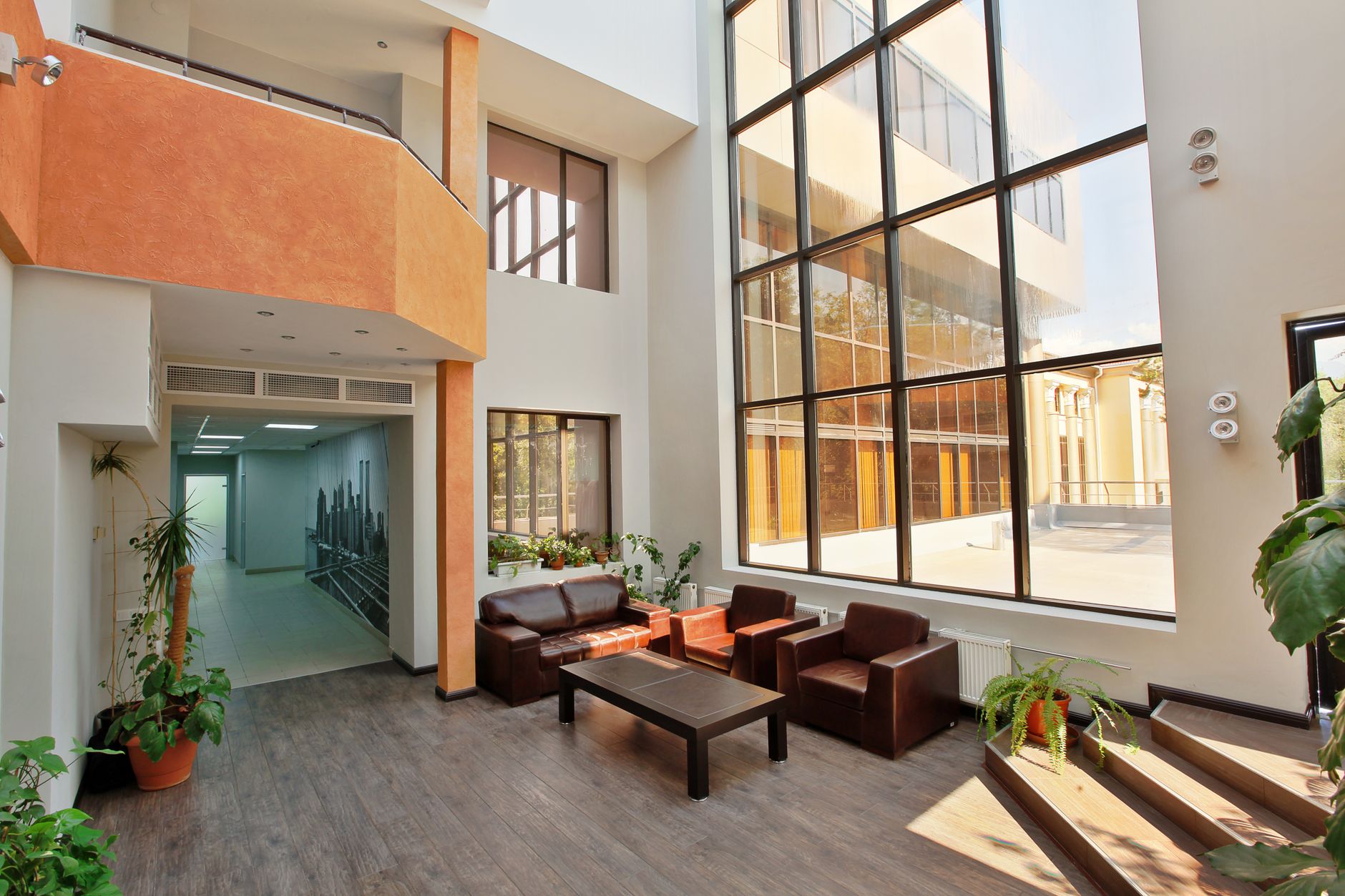
Property managers of multi-tenant commercial buildings operate in a uniquely complex environment. You are not managing one consistent space, but a collection of distinct businesses, each with its own hours, traffic patterns, and flooring. A law firm's carpeted offices on the fifth floor have different needs than the polished concrete of a ground-floor cafe or the tile in the main lobby. Maintaining a single, high standard of cleanliness across this patchwork is a persistent operational challenge.
The direct answer is to deploy a mixed fleet of autonomous cleaning robots. Using a combination of robotic floor scrubbers for hard surfaces and autonomous vacuums for carpeted areas allows you to match the right machine to the right job. This approach ensures every square foot of your property, from private tenant suites to high-traffic common areas, receives consistent, high-quality cleaning without disrupting the occupants.
This strategy directly addresses the core difficulties of varied schedules and floor plans. Robots can be scheduled for overnight cleaning when buildings are empty, ensuring floors are pristine for the start of business. This eliminates disruptions and allows your human staff to focus on detailed, high-value tasks that automation cannot handle.
What Makes Multi-Tenant Buildings So Hard to Clean?
The primary difficulty is staggering diversity. One building can contain a dozen different types of flooring: luxury vinyl tile in a breakroom, deep-pile carpet in an executive suite, ceramic tile in restrooms, and terrazzo in the main entrance. A single type of cleaning machine is inefficient and often ineffective against such variety.
Tenant schedules add another layer of complexity. A financial services firm may operate on a strict nine-to-five schedule, while a tech startup in the next suite encourages 24-hour access for its engineers. This makes scheduling manual cleaning crews difficult, as there is no single block of time when the entire building is guaranteed to be empty. These conflicting demands create friction and make it hard to maintain harmony.
Common areas are a third factor. Lobbies, corridors, elevators, and shared kitchens see constant, unpredictable traffic. Keeping these spaces consistently clean throughout the day is a labor-intensive process that requires constant attention. It also creates higher wear and tear, demanding more frequent and robust maintenance.
Why Is a Mixed Robotic Fleet the Most Effective Approach?
A one-size-fits-all approach fails in a multi-tenant property. Deploying a fleet composed of different types of robots allows you to create a specific cleaning plan for each unique area of your building. This is the core of an effective automation strategy.
An autonomous floor scrubber rental is ideal for large hard-surface areas like lobbies, hallways, and parking garages. These machines can apply the appropriate pressure and cleaning agents to maintain surfaces like tile, concrete, and VCT. For carpeted tenant spaces, a commercial carpet cleaning robot provides deep, consistent vacuuming that manual teams often rush through.
This specialization ensures a better result. A floor sweeping robot rental can handle debris in one area while an industrial floor scrubber tackles grime in another. By assigning the correct tool to each task, you elevate the standard of cleanliness across the entire property, rather than settling for a method that is merely adequate for all but perfect for none.
The Financial Case: Escaping the Labor Turnover Crisis
The janitorial industry faces a severe and sustained labor crisis. The average annual employee turnover in the commercial cleaning industry is frequently cited at 200%, with some estimates reaching as high as 400%. This means a company might replace its entire workforce two or more times every single year. This constant churn creates inconsistency, safety risks, and significant hidden costs.
According to industry estimates, replacing a single frontline cleaning worker can cost between $1,500 and $3,000 when recruiting, hiring, and training are factored in. For an operation with high turnover, these costs become a massive, recurring drain on the budget. Automation offers a way out. A robot is cheaper than unfilled shifts and provides a predictable, reliable service level that is insulated from the volatile labor market.
Furthermore, financial models like Robot as a Service, or RaaS, make automation accessible with no upfront capital. RaaS is a subscription-based model that turns robotic deployment into a predictable monthly operating expense. According to a report from MarketsandMarkets, the RaaS market is projected to grow from $1.8 billion in 2023 to $4 billion by 2028. Other reports from The Business Research Company project the market will reach over $67 billion by 2030, showing its rapid adoption. This model typically includes maintenance, repairs, and support, removing financial barriers and risk for property managers.
How Are Robotic Fleets Deployed Without Business Disruption?

A successful deployment is built on meticulous planning, a process that should be invisible to your tenants. It begins with a comprehensive site assessment to analyze your building’s layouts, flooring materials, network infrastructure, and high-traffic zones. This ensures you get the right robot that fits your floor and operational needs.
The most critical element is scheduling. The majority of robotic cleaning is scheduled for after-hours. A night shift autonomous scrubber can clean an entire building overnight with no operator present, ensuring that tenants arrive to pristine floors every morning. These robots navigate quietly and efficiently, a non-intrusive approach that enhances cleanliness without impeding productivity.
For buildings with multiple floors, some modern delivery robots can even integrate with elevators to travel between levels autonomously. This allows a single robot to service multiple tenants on different floors during one cleaning cycle. A phased deployment can also be used to introduce robots wing by wing or floor by floor, preventing any shutdown of operations.
How Do You Manage Service for a Multi-Robot, Multi-Vendor Fleet?
If you purchase an autonomous scrubber from one company and a robotic vacuum from another, you now have two service contracts, two points of contact, and two separate software systems. This complexity multiplies with every new type of robot you add, creating significant management overhead. Your team is left trying to figure out who to call when a unit goes offline.
This is where working with a vendor-neutral robot integrator becomes a strategic advantage. At Service Robot Co., we specialize in designing and supporting mixed fleets. Because we are not tied to any single manufacturer, our only goal is to select the absolute best machines for your specific building, regardless of the brand.
We then stand behind that entire fleet as your single point of contact. You get one partner and one number to call for everything. We manage the financing, deployment, staff training, and, most importantly, the ongoing service through our nationwide network of engineers. This turnkey robot deployment model provides multi-vendor performance with single-vendor simplicity.
What Happens When a Robot Needs Maintenance or Repair?
Downtime is the enemy of ROI. A broken robot is not just a machine sitting idle; it represents a gap in your cleaning schedule that can lead to tenant complaints and require costly manual intervention. A robust service plan is non-negotiable for any serious commercial robot deployment.
When a unit has an issue, the process should begin with immediate remote triage to diagnose the problem. If it cannot be solved remotely, an on-site dispatch sends a qualified engineer to your location. A nationwide commercial robot repair service is essential for properties outside of major metropolitan hubs.
Service Robot Co. builds resilience into every deployment. Our Robot as a Service plans include a comprehensive robot maintenance service plan with all parts and labor covered. We also offer a backup robot program with spare unit coverage. If a machine cannot be repaired quickly, we provide a loaner unit to ensure you experience zero downtime. This commitment is central to delivering reliable automation.