Key takeaways
- End-of-line packaging is a highly repetitive, labor-intensive process that is ideal for automation with collaborative robots.
- Cobots can handle the entire packaging sequence: case erecting, product packing, dunnage insertion, sealing, and palletizing.
- Automating these final steps addresses critical labor shortages, increases throughput, and significantly reduces ergonomic injury risks for employees.
- Flexible financing like Robot as a Service (RaaS) makes this automation accessible without major upfront capital investment.
- A vendor-neutral integrator is key to designing and deploying a successful system tailored to your specific products and facility.
What is End-of-Line Packaging Automation?
End-of-line packaging refers to the final set of tasks in a production line before products are shipped. This critical stage includes erecting boxes, placing items inside, sealing the cartons, and stacking them onto pallets. Historically a manual process, these steps are notoriously repetitive, physically demanding, and prone to creating production bottlenecks.
Automating this stage involves deploying robotic systems, particularly collaborative robots or 'cobots', to perform these tasks. Unlike traditional industrial robots, cobots are designed to work alongside human employees safely and can be deployed flexibly. This automation tackles the persistent challenge of finding and retaining labor for physically taxing roles while boosting the speed, consistency, and quality of your entire packaging operation.
The market for this technology is expanding rapidly as businesses seek greater efficiency. The global end-of-line packaging market is projected to grow from USD 7.02 billion in 2026 to USD 10.53 billion by 2035. This growth is driven by the clear benefits of automating a process that is essential to every manufacturer and distributor.
How Cobots Master Each Step of the Packaging Process
A cobot's value comes from its ability to handle a sequence of precise, repetitive actions without fatigue or error. Equipped with different end-effectors, like grippers or vacuum tools, a single cobot or a team of them can manage the entire end-of-line workflow.
The process begins with case erecting. A cobot can pick a flattened cardboard box, form it, and send it down the line to be filled. This simple but tedious task is an easy first step for automation.
Next is the critical packing or pick-and-place stage. This is a dominant application for packaging robots. The cobot carefully grips products coming off the production line and places them into the newly erected box, following a precise pattern to ensure stability and presentation.
Once the products are packed, dunnage or filler material may be needed to prevent shifting during transit. A cobot can be programmed to insert air pillows, paper, or other protective materials. Finally, the filled box moves to stations where it is sealed, labeled, and prepared for the final step: palletizing.
The palletizing robot then lifts the finished cartons and stacks them onto a pallet in a predetermined pattern. This strenuous task is a common source of workplace injuries, making it a prime candidate for automation to improve worker safety.
Why is Manual Packaging Such a Persistent Challenge?
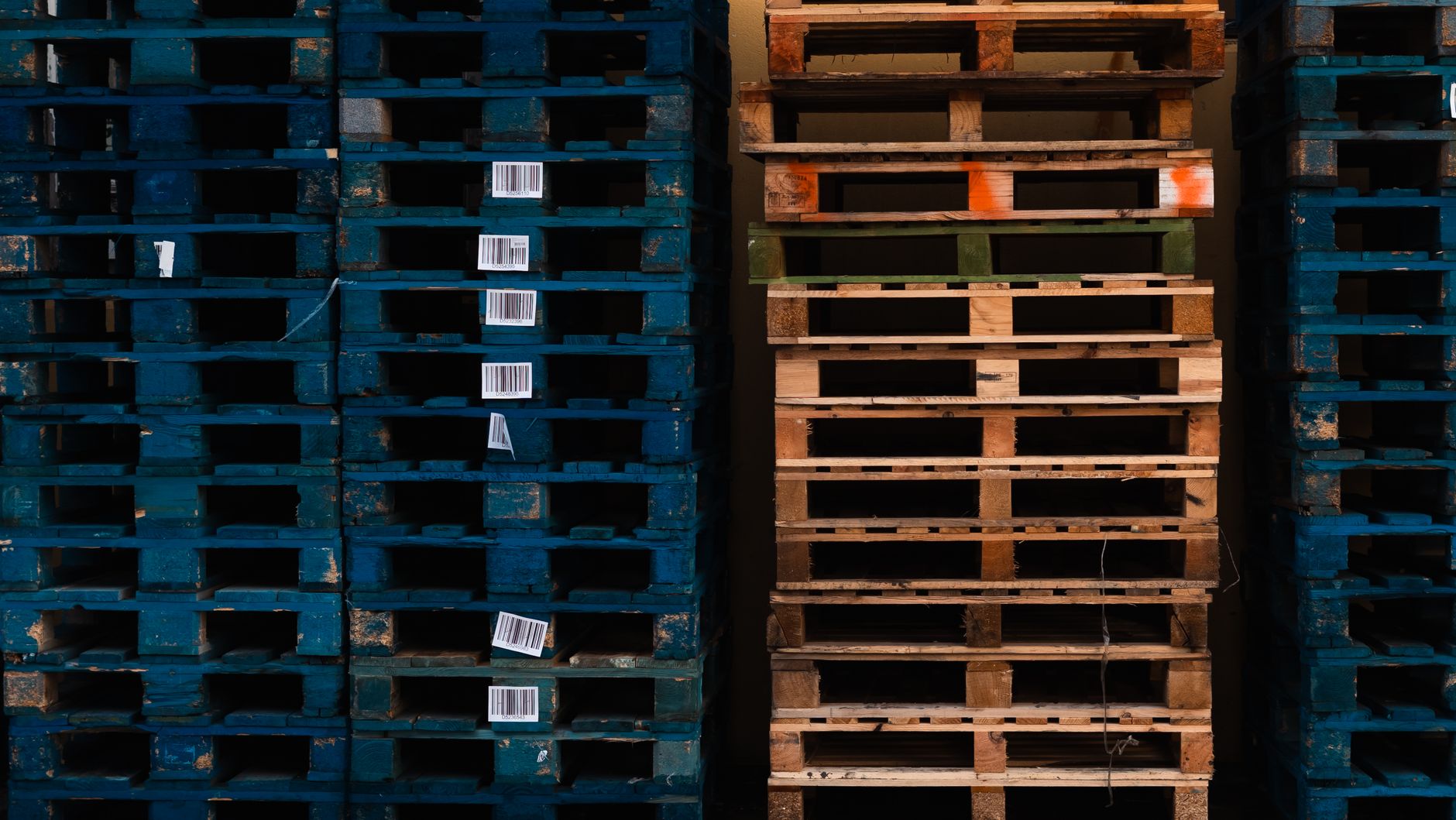
The core challenges of manual end-of-line packaging are labor and ergonomics. The roles are physically demanding, leading to high employee turnover. According to the U.S. Bureau of Labor Statistics, the warehouse worker turnover rate was 49% based on 2023 data. This constant churn creates significant operational disruption and costs.
Replacing a single frontline warehouse worker can cost approximately $18,600 when recruitment, training, and lost productivity are factored in. With nearly half the workforce leaving annually, these costs become a major financial drain. Many facility operators report they simply cannot find enough labor to fill these essential roles.
Furthermore, the repetitive bending, twisting, and lifting involved in packing and palletizing lead to musculoskeletal disorders. These ergonomic risks are a major concern for workplace safety and can result in costly workers' compensation claims and lost time. Automation directly removes employees from these physically stressful situations, reassigning them to safer, more valuable roles.
What are the Measurable Gains from an Automated System?
Implementing cobots in end-of-line packaging delivers substantial and quantifiable improvements across the operation. The most immediate benefit is increased throughput. Robots work at a consistent pace without breaks or fatigue, ensuring a predictable and often faster packaging cycle.
Quality and consistency see a dramatic improvement. Automated systems ensure every box is erected correctly, sealed securely, and packed according to precise specifications. This reduces product damage during shipping and eliminates errors common in manual processes.
Worker safety is another primary gain. By taking over the most physically strenuous tasks like lifting heavy boxes for palletizing, cobots mitigate the risk of common workplace injuries. This not only protects employees but also reduces costs associated with injury claims and absenteeism.
Finally, automation provides operational flexibility. Cobots can be reprogrammed to handle different product sizes, box configurations, and pallet patterns. This adaptability is crucial for businesses with a high variety of SKUs or those that need to scale operations up or down based on demand.
How Do I Select the Right Automation for My Products?
Choosing the right cobot system depends entirely on the specifics of your operation. Key factors include the types of products you are packaging, their weight and fragility, the speed of your production line, and the variety of box sizes you use.
A successful deployment requires a careful analysis of these variables. For example, a delicate electronics component requires a different gripper and handling speed than a case of canned goods. The choice of robot, end-of-arm tooling, and ancillary equipment like conveyors must all be matched to the task.
The physical environment is also a major consideration. The available floor space, the layout of existing equipment, and how the automated cell will integrate with upstream and downstream processes must be mapped out. A thorough site assessment is the first step in designing a system that works.
Why is a Vendor-Neutral Integrator Your Best Partner?
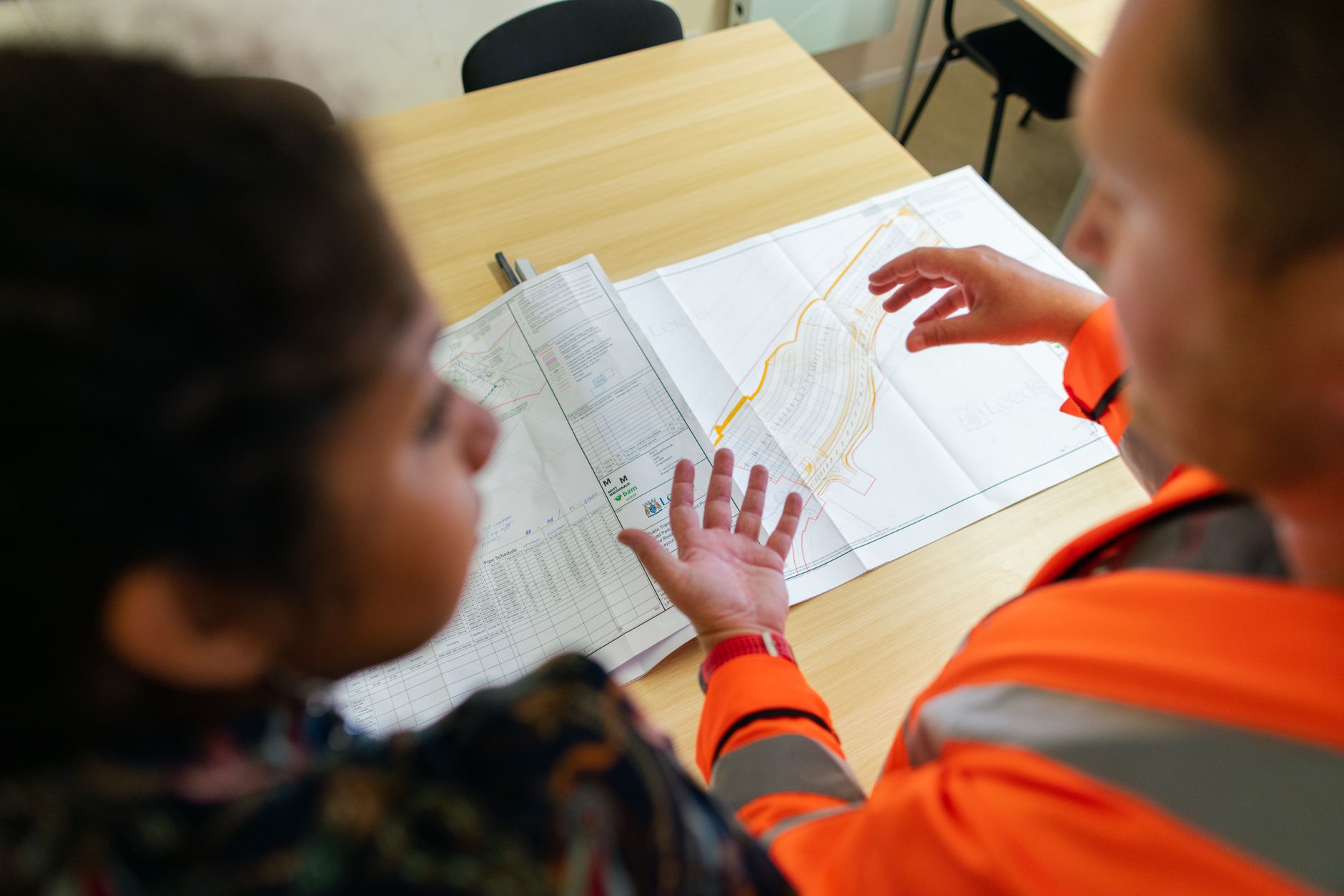
Navigating the complexities of automation is where a full-service integrator becomes invaluable. Instead of buying a robot from a single manufacturer and trying to make it fit, an experienced partner designs the right system for the job. Service Robot Co. operates on a vendor-neutral basis, meaning we select the best cobot and components from any manufacturer to meet your specific end-of-line packaging needs.
This approach ensures you get an optimized system, not just a one-size-fits-all product. Our process covers the entire automation lifecycle. We begin with a free site assessment to understand your workflow, then design, deploy, and integrate the complete robotic cell. We handle everything, giving you one partner and one number to call for any need.
Our nationwide network of engineers also provides comprehensive training for your staff and ongoing service and maintenance for every unit we deploy. This turnkey robot deployment model eliminates the headaches of coordinating multiple vendors and guarantees your system runs at peak performance, minimizing downtime and maximizing your return.
Making Automation Financially Accessible
A common misconception is that sophisticated automation requires a prohibitive upfront capital expense. While purchasing equipment outright is one option, modern financing models have made this technology accessible to businesses of all sizes, including those looking for robot financing for small business.
Robot as a Service, or RaaS, is a popular choice. This monthly subscription model bundles the hardware, software, deployment, and ongoing maintenance into a single operating expense. It allows you to gain the benefits of automation with no upfront capital, making it easier to budget and scale.
Leasing and other monthly payment programs offer similar advantages. These options preserve capital for other business needs while providing a clear path to ownership if desired. By shifting the financial model from a large one-time purchase to a predictable ongoing payment, cobot rental for manufacturing makes it possible to start automating your end-of-line packaging right away.