Key takeaways
- Bussing robots autonomously clear tables in crowded dining halls, reducing the physical strain and repetitive work for human staff.
- By accelerating table clearing, automation directly increases table turnover rates, allowing more diners to be served during peak hours.
- A vendor-neutral integrator is key to successful deployment, ensuring the right robot is chosen and supported for your specific environment.
- Automated bussing enhances hygiene by minimizing staff contact with soiled trays and dishes, reducing cross-contamination risks.
- Robot as a Service (RaaS) models make this technology accessible as an operational expense, removing the barrier of large upfront capital investment.
What Does Automated Bussing Look Like in a Busy Cafeteria?
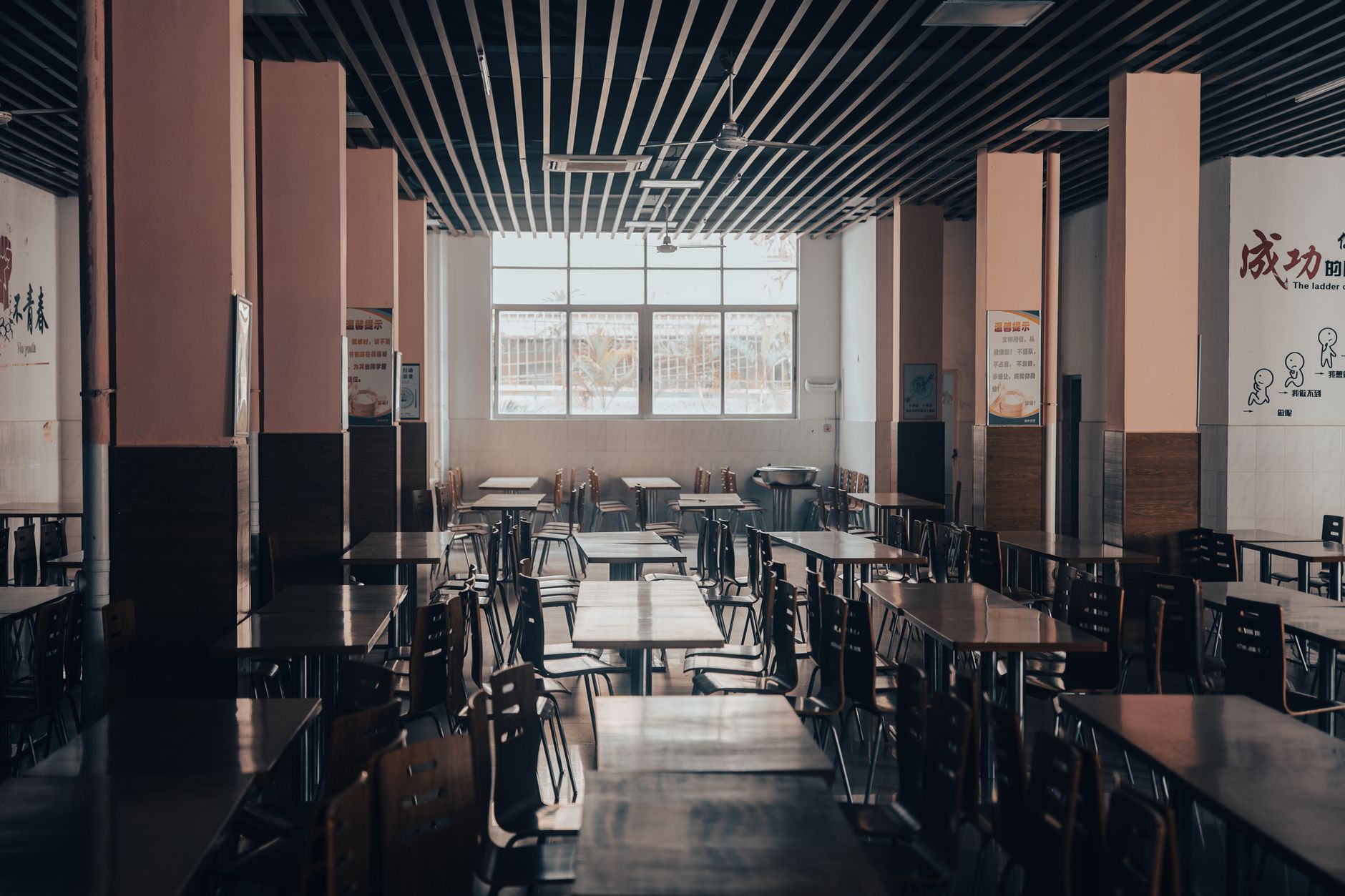
Clearing tables in a university dining hall or a bustling food court is a relentless, physically demanding task. During peak hours, a tide of trays, dishes, and waste builds up, creating a significant bottleneck that slows down service and impacts the diner experience. The job requires speed, attention to detail, and constant movement in a crowded, unpredictable environment.
Now, picture a specialized bussing robot gliding through that same space. It navigates a path from a full table to the dish pit, its integrated trays laden with used plates and cutlery. It moves with purpose, its sensors allowing it to safely maneuver around students searching for seats and families with strollers. This isn't a scene from the future; it is a practical application of automation available today.
These autonomous mobile robots are designed for one primary purpose: to automate the repetitive transport of used tableware. By taking on this endless loop, they free human staff to focus on tasks that require a personal touch, like assisting guests and maintaining the overall cleanliness of the dining area. The immediate results are faster table turns and a visibly cleaner environment.
Why is Manual Bussing a Critical Bottleneck?
In any high-volume dining operation, time is the most critical resource. An uncleared table represents a loss of potential revenue and a point of friction for waiting customers. When bussing falls behind, the entire service flow is disrupted. The host can't seat new guests, servers have a harder time navigating the floor, and the overall perception of cleanliness diminishes.
This challenge is magnified by persistent labor shortages in the food service industry. According to the U.S. Chamber of Commerce, there are significantly more job openings than available workers in many sectors, including hospitality. Industry reports from 2026 show that a high percentage of restaurant operators report being understaffed, which forces them to reduce hours or operate below full capacity. The quit rate for accommodation and food services remains substantially higher than the workforce average, making it difficult to retain staff for physically demanding roles like bussing.
When a dining hall is short-staffed, existing employees are stretched thin, leading to burnout and a higher likelihood of service errors. A single busser can only cover so much ground. This operational strain makes a strong case for a staffing replacement robot focused on handling the most repetitive, physically taxing parts of the job.
How Do Bussing Robots Navigate a Crowded Food Court?
The idea of a robot moving through a chaotic dining hall might seem fraught with potential collisions. However, these machines are equipped with a sophisticated suite of sensors to ensure safe and efficient operation. Their navigation systems are far more advanced than those found in common consumer robots.
Modern bussing robots use a technology called LiDAR, similar to what is used in self-driving vehicles, to create a detailed 3D map of their environment. This map allows the robot to understand the static layout of the dining hall, including tables, pillars, and service stations. As it moves, a combination of cameras and other sensors detects dynamic obstacles in real time.
This sensor fusion enables the robot to react instantly to an unpredictable environment. It can identify a student suddenly stopping to tie their shoe, a child running past, or a chair pushed out from a table. Advanced path-planning algorithms then calculate the best alternative route on the fly, ensuring the robot can complete its task without interrupting the flow of people. This ability to adapt makes them a reliable food runner robot for dynamic spaces.
What is the Real Impact on Daily Operations?
Introducing a busser robot creates a ripple effect of efficiency throughout the dining operation. The most direct benefit is an increase in table turnover. With tables cleared and reset more quickly, more guests can be seated and served during lucrative peak periods. This can have a significant positive impact on revenue, with some studies on restaurant automation suggesting improvements of 8% or more through better table utilization.
The impact on human staff is equally important. Freed from the repetitive strain of carrying heavy trays, employees can be redeployed to more valuable, guest-facing roles. They have more time to interact with diners, answer questions, and ensure a high-quality experience. This shift in duties often leads to higher job satisfaction and lower turnover.
Furthermore, automation introduces predictability. A robot doesn't get tired or call in sick. It performs its duties with the same efficiency at the end of a long shift as it does at the beginning. This consistency helps standardize cleaning protocols and ensures the dining room is always ready for the next wave of guests, transforming the table flow from reactive to predictable.
How Does Automation Improve Dining Hall Hygiene?
In any food service environment, hygiene is paramount. Automated bussing offers a distinct advantage by reducing the number of touchpoints between staff and soiled dishes. Every time a robot transports a load of trays to the kitchen, it eliminates a potential instance of cross-contamination.
This is particularly important in university and corporate cafeterias where thousands of people dine daily. Minimizing the spread of germs is a constant operational priority. A cleaner environment is not just a matter of compliance; it directly affects diner confidence. Guests subconsciously equate a clean dining room with a clean kitchen.
By automating the transport of used items, staff can spend more time on sanitizing surfaces, restocking supplies, and ensuring the overall environment meets high standards. The use of robots reinforces a visible commitment to cleanliness and safety, enhancing the reputation of the food service operation.
How Does a Robot Get Deployed in a Unique Dining Hall?
No two food courts or university dining halls are identical. Each has a unique layout, traffic flow, and set of operational challenges. This is why a one-size-fits-all approach to robotics rarely succeeds. The key to a successful deployment is working with a partner who understands this complexity: a vendor-neutral robot integrator.
At Service Robot Co., our process begins with a free site assessment and detailed mapping of your facility. We analyze everything from doorway widths to flooring types and peak traffic patterns. Because we are OEM-neutral, we are not locked into a single manufacturer. Our goal is to select the busser robot that genuinely fits your floor and workflow, not the one we are obligated to sell.
This approach ensures the technology is tailored to your specific needs. The robot deployment and integration phase is a turnkey process where we handle the complete setup, from initial mapping and programming to go-live support. We ensure the robot works within your operational rhythm from day one, providing a tool that solves problems rather than creating new ones.
Who Supports the Robot After Installation?
A robot is a piece of hardworking equipment, and like any equipment, it requires ongoing maintenance and support to deliver maximum value. Managing this can become complicated if you have to deal with separate vendors for the hardware, software, and service.
Service Robot Co. simplifies this by acting as your single point of contact for the entire lifecycle of the robot. We are one partner with one number to call. Our nationwide US engineer network provides a comprehensive robot maintenance service plan, including remote triage for quick diagnostics and on-site dispatch for hands-on repairs.
This full-service model covers everything from routine maintenance to emergency response. It ensures your investment is protected and your operations experience minimal disruption. Whether it's a software update or a hardware repair, our team provides the support needed to guarantee uptime and keep your dining hall running smoothly.
How Can an Organization Afford a Fleet of Bussing Robots?
The financial benefits of automation are clear, but the perception of high upfront costs can be a barrier for many organizations. Historically, acquiring commercial robots required a significant capital expenditure. Today, flexible financial models have made this technology far more accessible.
Robot as a Service (RaaS) is a monthly subscription model that bundles the hardware, software, maintenance, and support into a single, predictable operating expense. This RaaS monthly subscription means there is no upfront capital required, allowing organizations to adopt automation without a major budget allocation. It shifts the cost from a large purchase to a manageable monthly payment.
When comparing the monthly cost to rent a commercial robot against the expenses associated with an unfilled shift, including overtime for other staff and lost revenue from slower service, the financial case becomes compelling. Leasing and other robot financing programs provide another path to acquisition, making it possible for universities and food service operators of all sizes to benefit from automation.