Key takeaways
- Automated floor cleaners work overnight to address the unique mix of carpet and hard surfaces in golf facilities without disrupting members.
- Robots provide a consistent clean, handling tracked-in grass, dirt, and sand from heavy foot traffic across pro shops, locker rooms, and dining areas.
- A 'Robot as a Service' (RaaS) model allows clubs to deploy advanced cleaning technology with no upfront capital, folding it into operational budgets.
- Partnering with a vendor-neutral integrator ensures a club gets the right robots for its specific floors, not just one brand.
- Automating floor care allows janitorial staff to focus on detailed sanitation and high-touch areas, improving overall facility hygiene.
How Can Golf Clubs Keep Floors Immaculate Amidst Daily Traffic?
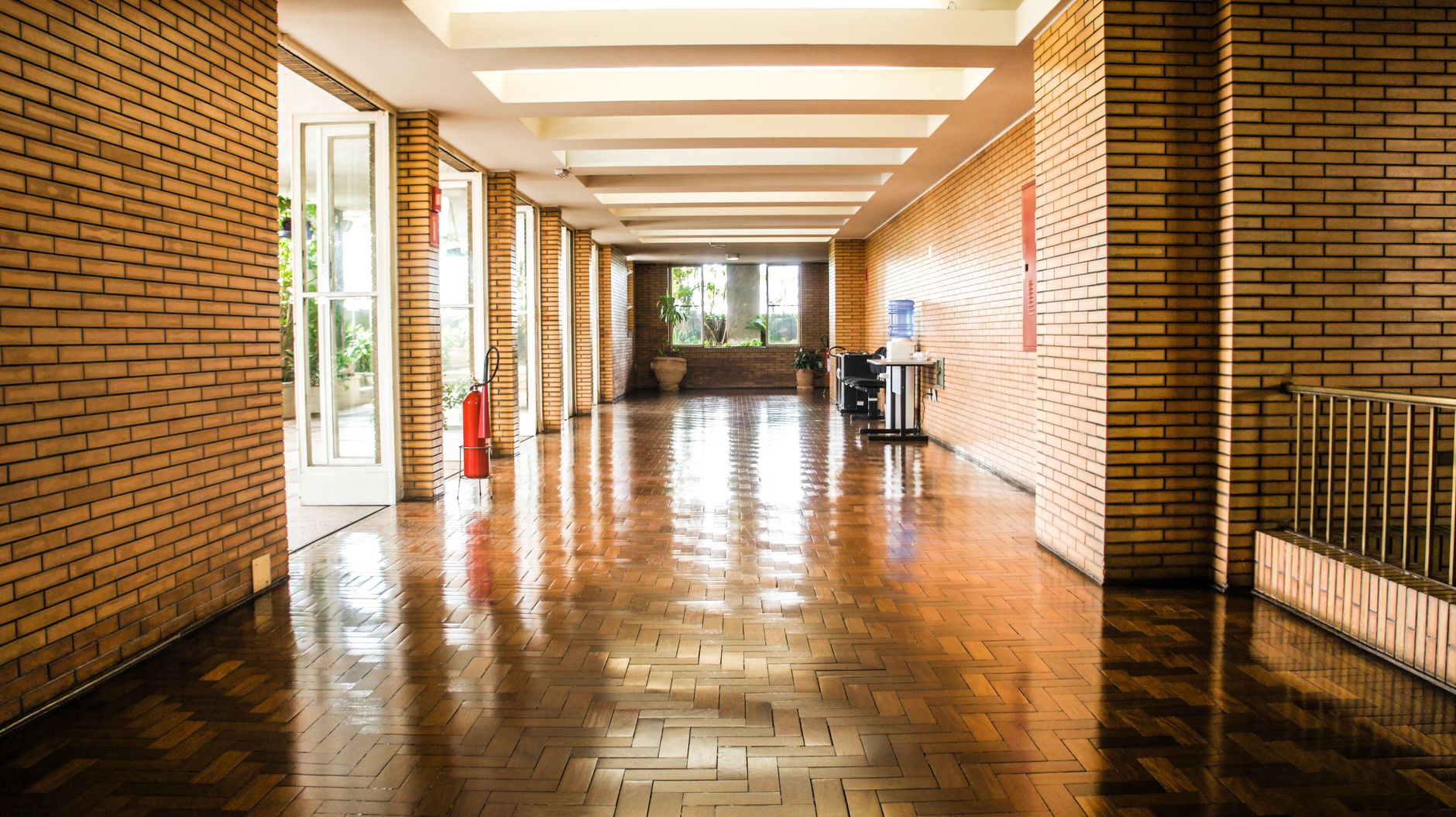
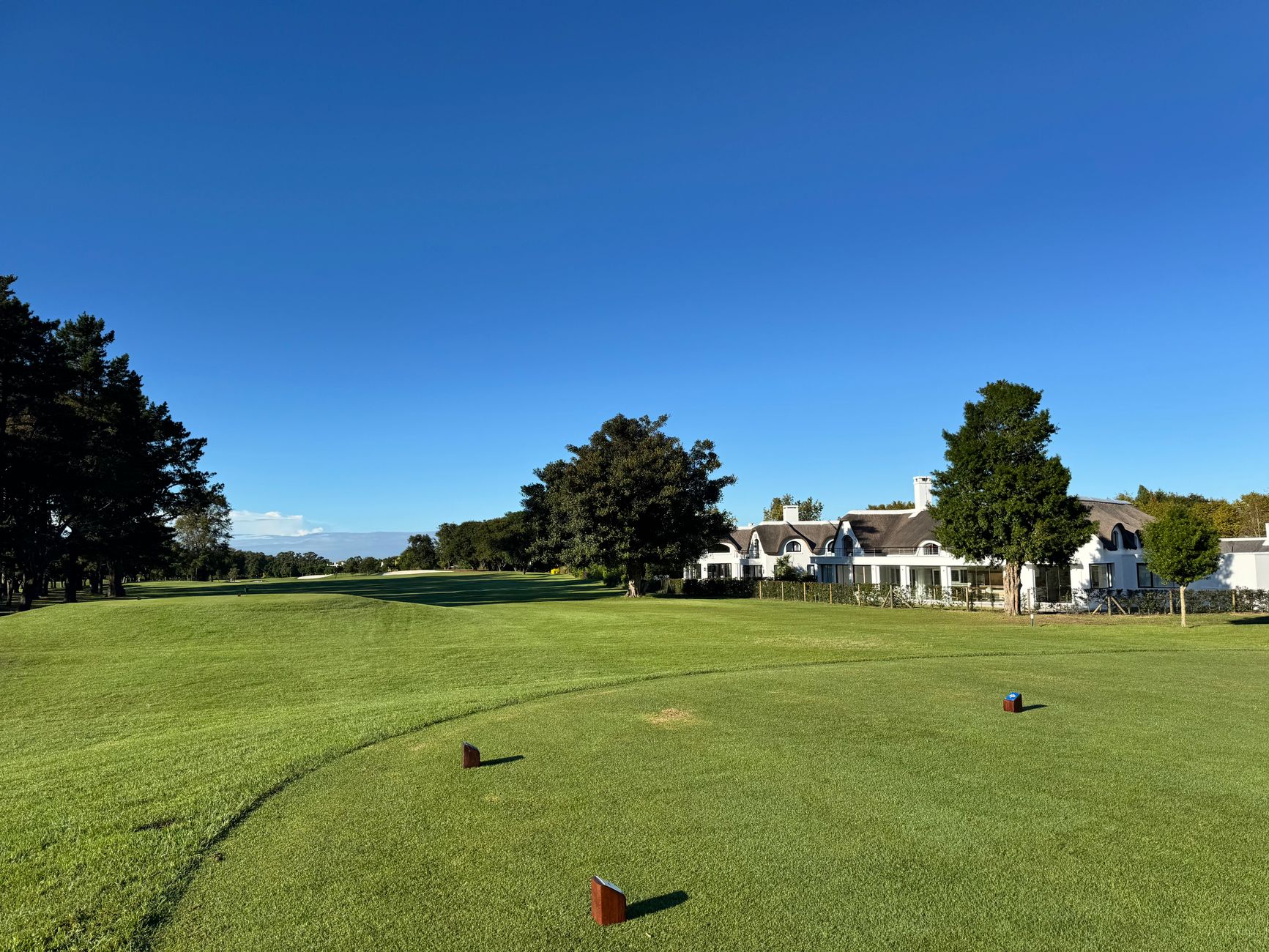
A golf clubhouse's floors tell a story every single day. That story is one of heavy foot traffic, tracked-in grass clippings, sand from the bunkers, and dirt from the course. This constant cycle makes maintaining a pristine appearance a significant operational challenge. The mix of flooring, from the pro shop's carpets to the locker room's tile and the dining area's hardwood, complicates the cleaning process even further.
The solution lies in a strategic approach to floor care that works when the club is empty. Autonomous mobile robots can be deployed overnight to execute a detailed, consistent cleaning plan. These machines are specifically designed for large, complex commercial spaces. They methodically vacuum carpets, scrub hard floors, and return to their docks to charge, all with no operator present. This ensures that when the first members arrive in the morning, the floors are consistently perfect, enhancing the premium experience they expect.
What Makes Clubhouse Floors a Unique Cleaning Challenge?
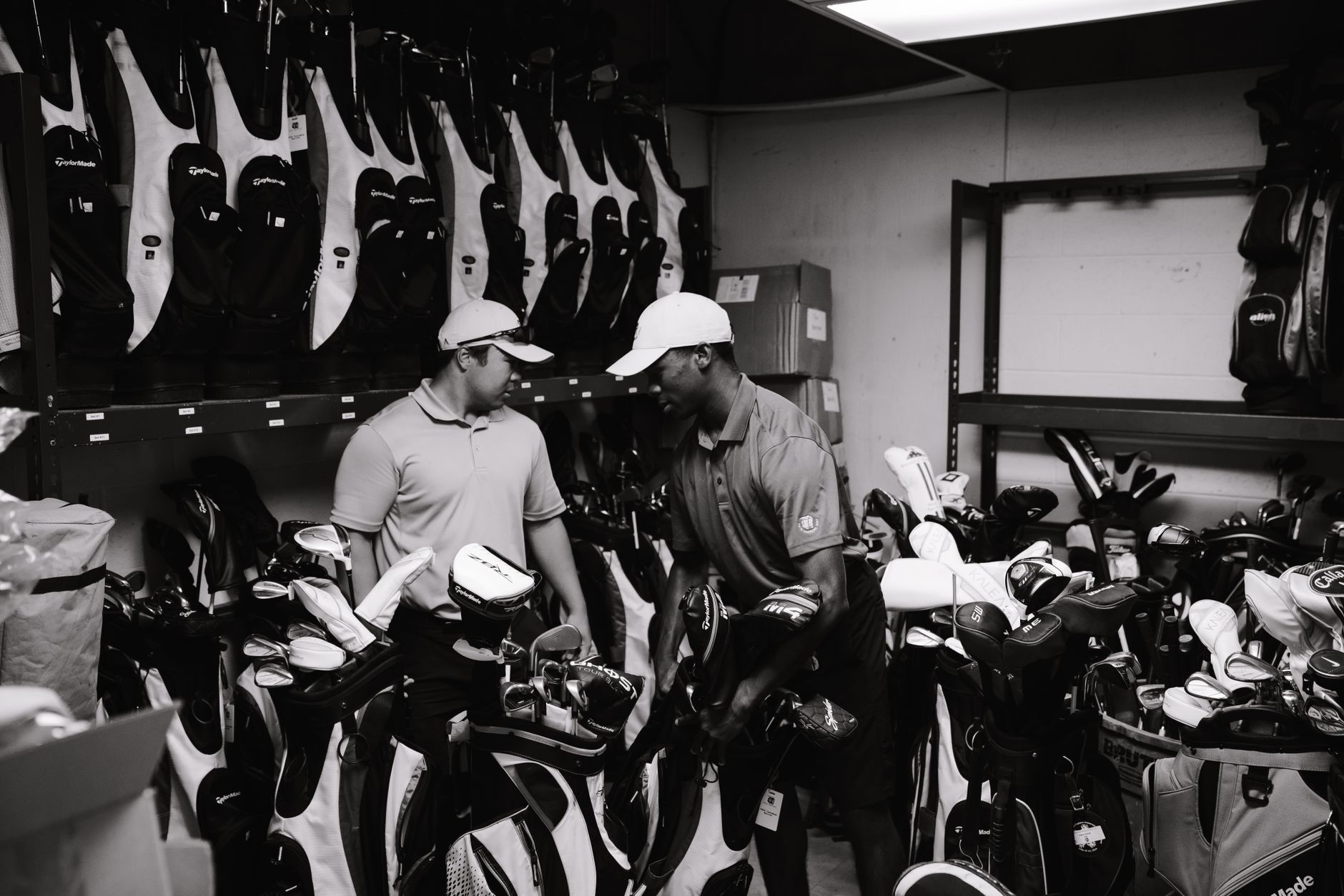
Golf clubhouses are multi-use environments, and the flooring reflects that. Each area presents a different problem for maintenance teams. Pro shops and lounges often feature carpets that trap fine dirt and grass stains. Locker rooms, restrooms, and grille rooms typically use tile, LVT, or sealed concrete, which see moisture, scuffs, and spills.
The transition zones between the outdoors and indoors are where the heaviest soiling occurs. According to one analysis, these entrance areas in golf clubs can accumulate three times more soil than equivalent commercial building entrances. This debris is then tracked throughout the facility, abrading expensive flooring materials and diminishing the club's upscale atmosphere.
This unique blend of floor types and debris, combined with the high standards of club members, demands a more robust and reliable cleaning protocol than manual methods can often deliver, especially amid a tight labor market.
How Do Autonomous Cleaners Operate in a Clubhouse?
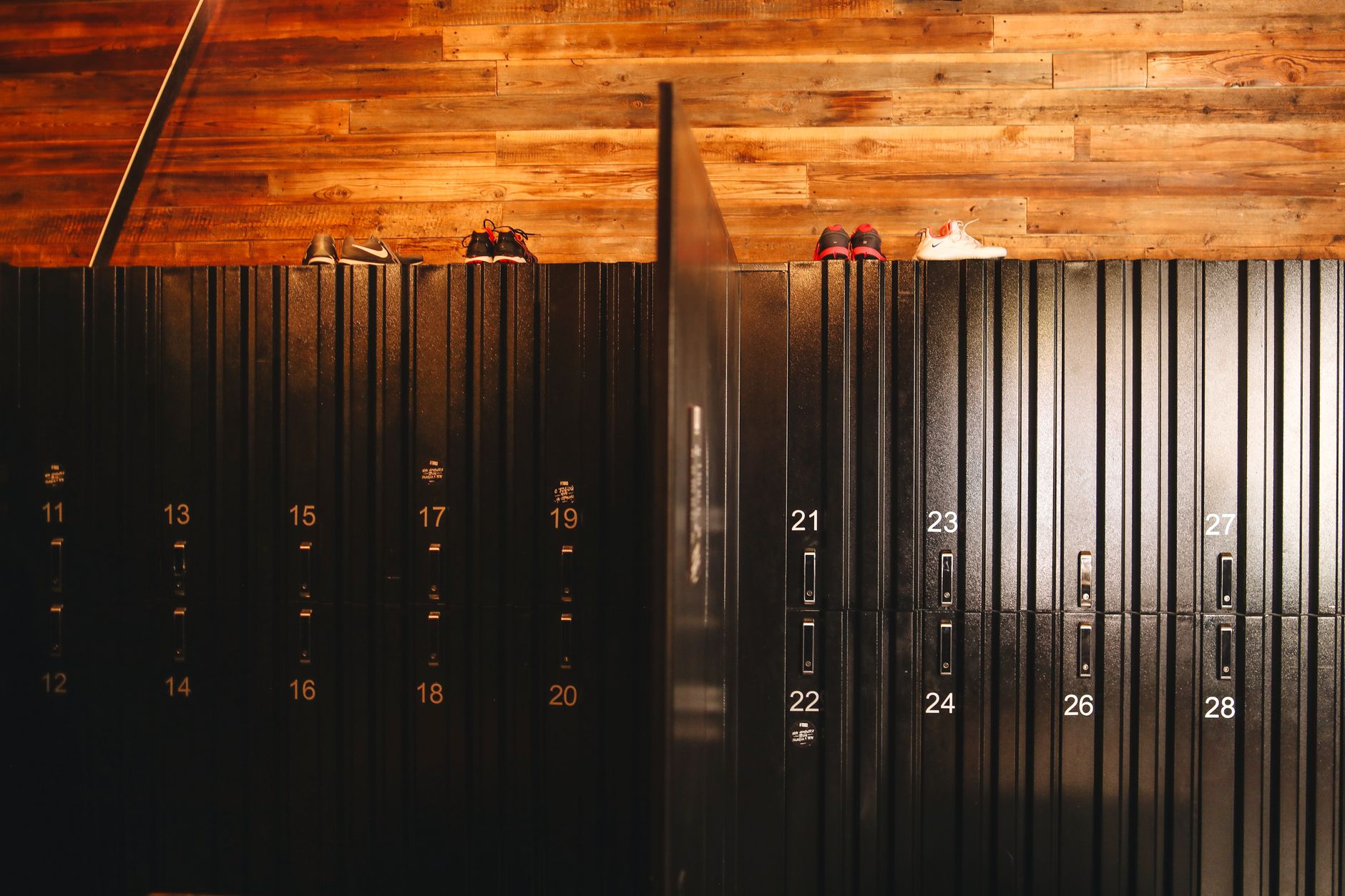
An autonomous cleaning program begins with a detailed digital map of the facility. Technicians walk the clubhouse, pro shop, dining rooms, and locker areas with a robot to create a precise operational map. This map zones different floor types and establishes cleaning routines, frequencies, and schedules.
Once programmed, the robots operate independently. After the last staff member leaves, a fleet of autonomous vacuums and scrubbers can begin their work. An autonomous carpet cleaning robot can handle the pro shop and member lounges, while an industrial floor scrubbing robot tackles the hard surfaces in other areas. They use a combination of LiDAR, sensors, and cameras to navigate around furniture, retail displays, and any temporary obstacles.
The result is a highly efficient and thorough overnight cleaning process. The robots cover the intended area methodically, without missing spots, and provide data on the areas cleaned. This eliminates the variables of human labor and ensures every square foot receives the same high level of attention every night.
Can a Single Robot Clean Both Carpet and Hard Floors?
While some machines offer multi-surface capabilities, the most effective strategy for a typical clubhouse involves a mixed fleet of specialized robots. A dedicated commercial carpet cleaning robot is engineered to extract deeply embedded dirt and grass from carpet fibers. An automatic floor scrubber uses water and specialized pads or brushes to deep-clean tile and other hard surfaces, leaving them dry and ready for foot traffic.
This is where the value of a vendor-neutral approach becomes clear. No single manufacturer excels at every type of robotic cleaner. A facility's needs should dictate the equipment, not a salesperson's limited catalog.
Service Robot Co. operates as a full-service commercial robot integrator. We are OEM-neutral, meaning we select the best-in-class machine for each specific task and floor type from across the robotics industry. We then integrate these different robots into a single, cohesive fleet that works together under one management system, ensuring your clubhouse gets the optimal tool for every surface.
What is the Day-to-Day Impact of an Overnight Robot Fleet?
Implementing an autonomous floor care program has benefits that extend beyond just clean floors. It creates operational consistency. Robots do not call in sick or take vacations, meaning the core task of floor cleaning is handled reliably every single night. This frees up human janitorial staff to focus on higher-value tasks.
Instead of spending hours pushing a vacuum or scrubber, the maintenance team can dedicate their time to detailed work like sanitizing high-touch surfaces, polishing fixtures, and deep cleaning restrooms. This shift from broad floor coverage to detailed hygiene improves the overall health and appeal of the facility.
For club members, the impact is immediate. They are consistently greeted by a clubhouse that looks and feels clean, reinforcing the value of their membership. According to survey data from Players 1st, a pleasant and clean environment has a significant impact on member satisfaction and their overall Net Promoter Score.
How Does 'Robot as a Service' Fit a Golf Club's Budget?
Many clubs operate on seasonal or fluctuating budgets, making large capital expenditures for equipment difficult to approve. This is where a Robot as a Service, or RaaS, model provides significant flexibility. Instead of buying the machines, a club can subscribe to a robotic cleaning service for a predictable monthly fee.
This approach, often structured as a robot rental monthly plan, eliminates upfront capital costs. The monthly payment covers the robots, all necessary software, and, crucially, a comprehensive robot maintenance service plan. There are no surprise repair bills or costs for consumable parts like brushes and filters.
This opex-based model makes advanced automation accessible. Clubs can get the benefits of a pristine facility without a capital investment, simply folding the service into their regular operating budget. It provides a clear path to adopting this technology without financial strain.
Why Is a Full-Service Integrator the Right Partner?
Deploying commercial robotics is more complex than just buying a machine. It requires expertise in facility assessment, network infrastructure, workflow design, staff training, and ongoing technical support. A full-service integrator like Service Robot Co. manages this entire lifecycle, providing one point of contact for the club.
Our process begins with a free site assessment to understand your unique layout, floor types, and operational goals. As a vendor-neutral robot integrator, we then specify the right equipment for the job. Our nationwide network of US engineers handles the turnkey robot deployment, including site mapping and go-live support.
After deployment, we manage everything. With on-site dispatch and remote triage capabilities, we ensure any issues are resolved quickly. Our maintenance plans and spare unit coverage can provide a zero downtime guarantee. This one-partner, one-number approach removes the burden from the club's management, allowing them to focus on serving their members, not managing machines.