Key takeaways
- Gym cleanliness is a major factor in member retention, with satisfaction dropping from 83% to 43% when standards are not met.
- Autonomous floor scrubbers use LiDAR and 3D sensors to navigate dense equipment layouts in weight rooms and open cardio areas safely.
- Scheduling robotic cleaning overnight or during off-peak hours ensures floors are ready for members without disrupting operations.
- Robotic scrubbers reduce the manual labor required for repetitive floor cleaning, allowing staff to focus on equipment sanitization and member services.
- A vendor-neutral integrator can help select, deploy, and service the right robotic scrubber for your facility's specific flooring and layout challenges.
Why is Floor Hygiene a Unique Challenge in Fitness Centers?
Fitness centers present a cleaning challenge unlike any other commercial space. The combination of heavy foot traffic, sweat, and humidity creates a demanding environment for maintaining floor hygiene. From group fitness studios to locker rooms, these areas can become breeding grounds for bacteria if not cleaned with exacting consistency.
According to the National Fitness and Nutrition Consumer Study, 81% of gym-goers consider cleanliness a primary factor when choosing a facility. When hygiene expectations are not met, member satisfaction can plummet from 83% to just 43%, with retention rates falling from 90% to 52%.
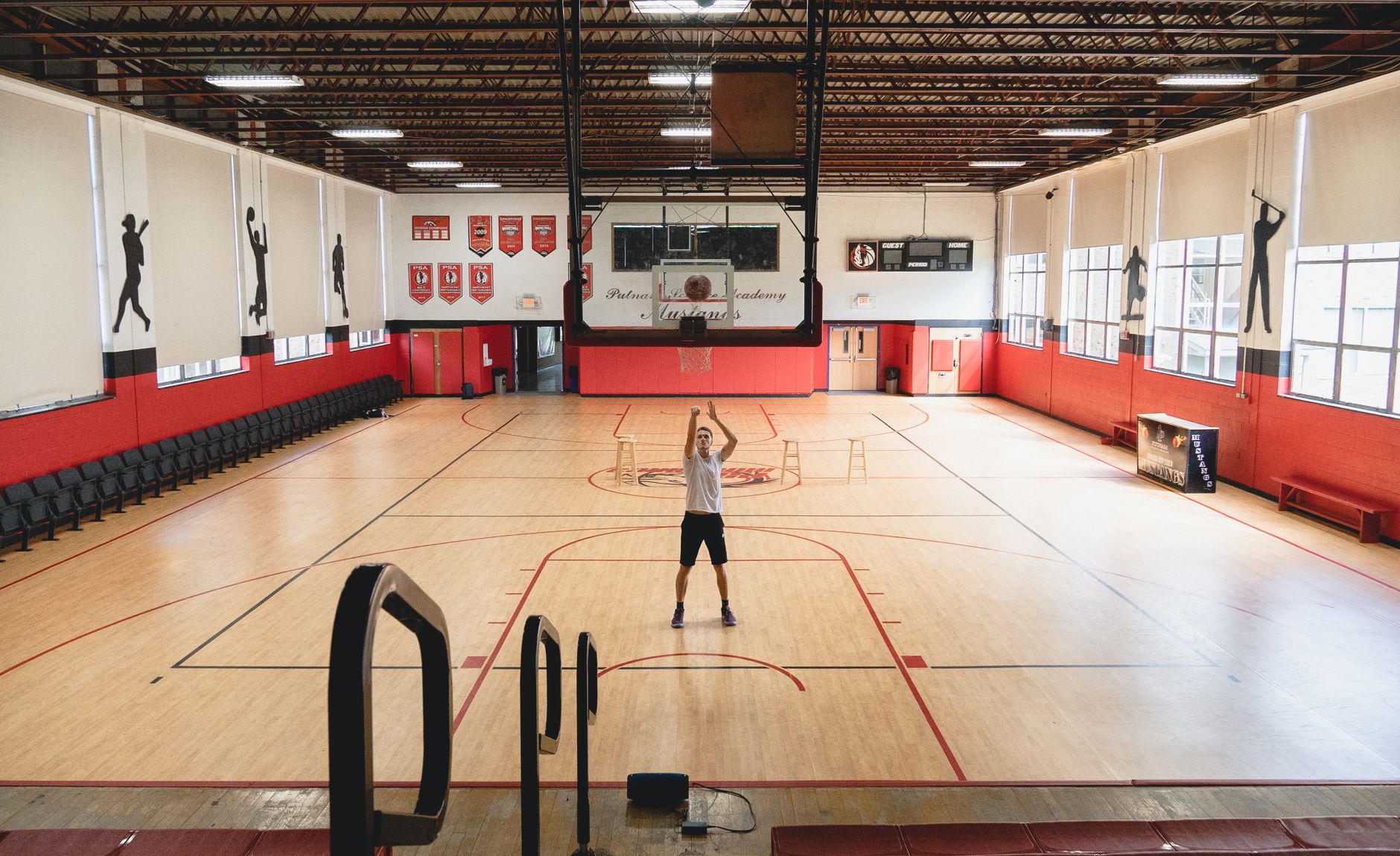
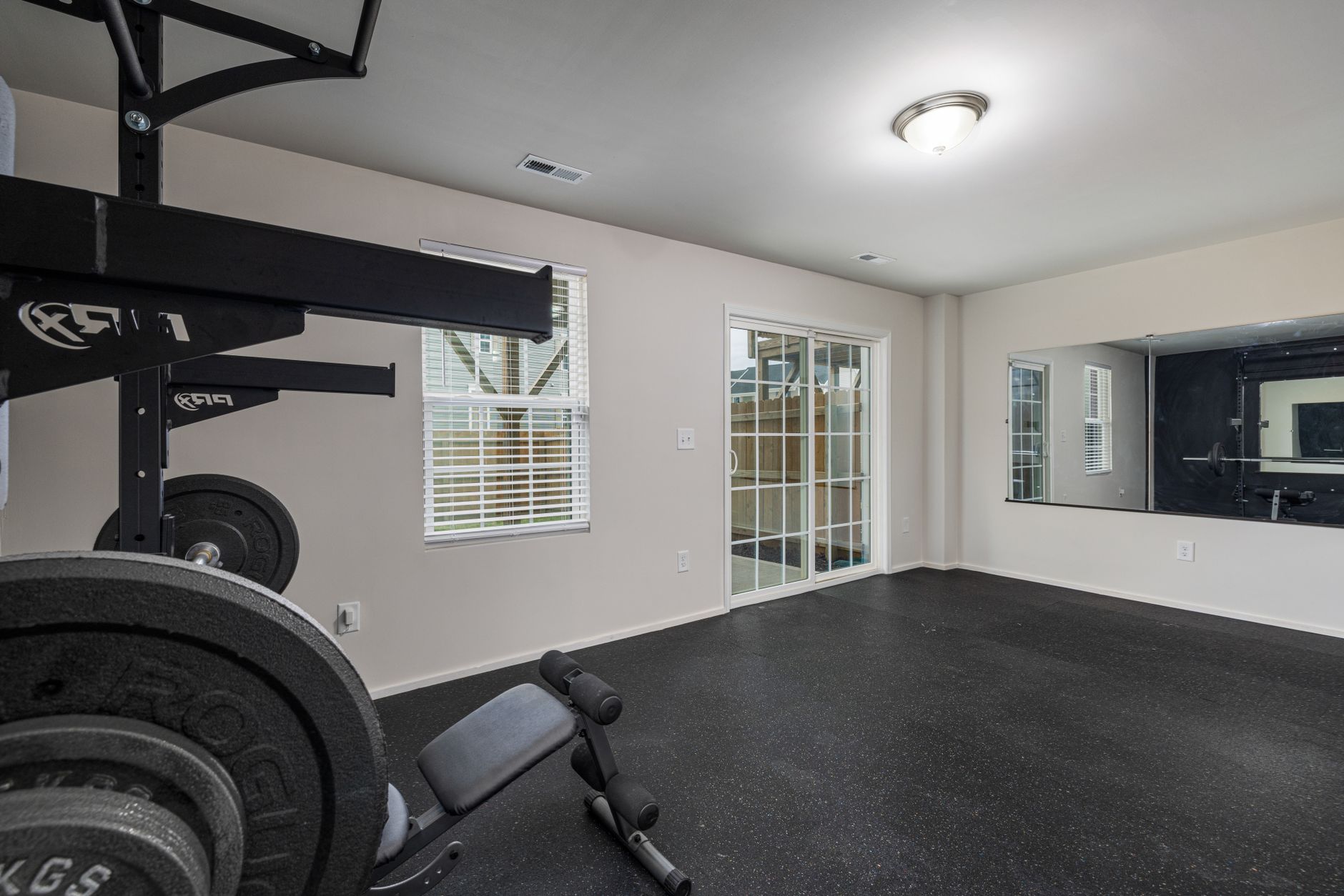
The problem is compounded by the variety of floor types and complex layouts. Weight rooms are packed with heavy, stationary equipment, creating an obstacle course for any cleaning routine. Cardio areas are more open but see constant use, while specialized zones may feature different surfaces like rubber, vinyl, or even artificial turf, each with its own cleaning requirements. Manually cleaning these varied and obstructed spaces thoroughly and consistently is a significant operational burden.
How Do Robotic Scrubbers Navigate Equipment-Dense Gyms?
The idea of an autonomous machine navigating a crowded weight room might seem improbable, but modern robotic floor scrubbers are designed for just such complex environments. These are not simple bump-and-turn robots. They use a sophisticated array of sensors to perceive and map their surroundings with high precision.
The core technology is often LiDAR (Light Detection and Ranging), which uses lasers to create a detailed 3D map of the facility. This allows the robot to understand the exact placement of every leg press, dumbbell rack, and cardio machine. It then uses this map to plot the most efficient cleaning path, ensuring complete coverage without missing spots around or under equipment.
To handle dynamic obstacles like a dropped weight or a member walking by, these robots also employ cameras and ultrasonic sensors. This layered safety system allows them to detect and safely maneuver around unexpected objects, making them safe to operate even during staffed hours. For a fitness center, this means a robotic scrubber can be programmed to clean the entire floor plan, from wide-open studio spaces to the tight corridors between treadmills.
What is the Advantage of Off-Peak and Overnight Cleaning?
One of the most powerful applications for autonomous cleaning in a gym setting is the ability to schedule work during off-peak or closed hours. For 24-hour facilities, this is a game-changer. Cleaning can no longer be a disruptive process that closes off sections of the floor. An autonomous scrubber can run its routes at 3 a.m. with no staff present, ensuring the floors are pristine for the early morning members.
This scheduling capability allows cleaning to happen without interfering with the member experience. The machine can be programmed to start its cycle after the last class of the evening and finish before the first members arrive. This not only improves efficiency but also enhances the perception of cleanliness, as members consistently arrive to a freshly scrubbed facility.
Running the machine overnight frees up human staff for other critical tasks. Instead of spending hours on repetitive floor care, your team can focus on higher-value duties like detailed equipment sanitization, locker room deep cleaning, and direct member engagement, which further boosts satisfaction and loyalty.
Can One Robot Handle Different Flooring Types?
Gyms rarely have a single type of flooring. Weightlifting areas often use durable, shock-absorbent rubber, while cardio and group fitness studios might have vinyl, hardwood, or even low-pile carpet tiles. This diversity can complicate manual cleaning, requiring different chemicals and equipment.
Modern robotic scrubbers are engineered for this variability. Many models can effectively clean multiple hard surface types, from tiled locker rooms to rubberized weight zones. They can be equipped with different pads or brushes and programmed to use specific water and detergent settings for each area mapped within the facility.
For facilities with mixed flooring, this means a single autonomous unit can often handle the entire floor plan. This simplifies operations and removes the need for multiple pieces of specialized manual equipment. The key is to match the machine's capabilities to the facility's specific surfaces during the selection process.
How Does a Business Integrate a Robotic Scrubber?
Adopting automation is more than just buying a machine. A successful deployment requires careful planning, integration, and ongoing support. This is where a full-service integrator becomes essential. At Service Robot Co., we provide a complete, vendor-neutral approach to automating your gym's floor care. We don't just sell one brand; we select the right robotic scrubber for your specific layout, floor types, and budget.
Our process begins with a free site assessment to map your facility and identify its unique cleaning challenges. From there, we handle every aspect of the deployment. This includes arranging financing, such as monthly payment programs or a robot rental, to avoid large upfront capital expenditures.
Our nationwide network of engineers then delivers, installs, and configures the robot, training your staff on its daily operation. But our partnership does not end there. We manage all maintenance, repairs, and service through a single point of contact. If a unit ever goes down, our on-site dispatch and remote triage teams are ready to respond, ensuring your cleaning schedule experiences zero downtime. This one-vendor-for-the-whole-lifecycle model means you get the benefits of automation without the burden of becoming a robotics expert.
Measuring the Impact of Automated Floor Cleaning
The return on investment for a robotic scrubber goes beyond just labor savings. While reducing the hours spent on manual floor cleaning is a primary benefit, the broader impact on member satisfaction and retention is even more significant.
A consistently cleaner environment directly addresses the top concern for many gym members. This visible commitment to hygiene can be a powerful marketing tool and a key differentiator in a competitive market. Healthier, happier members are more likely to renew their memberships and recommend your facility to others.
Furthermore, automation introduces a new level of reliability to your cleaning operations. An autonomous scrubber performs the same high-quality clean every single time, without fatigue or human error. This ensures your hygiene standards are met day in and day out, building trust with your clientele and strengthening your brand's reputation.