Key takeaways
- Cart paths collect sand, clippings, and litter every morning even when fairways are automated.
- Autonomous sweepers map tight loops on concrete, pavers, and bridge approaches without a dedicated blower crew.
- Pace-of-play complaints often start at messy path edges before anyone mentions fairway height.
- Path programs pair with fairway mowing and clubhouse scrubbers under one Service Robot Co. integrator.
- Start with high-traffic loops from holes one through three before expanding to remote paths.
Why do cart paths look worse the day after a perfect fairway cut?
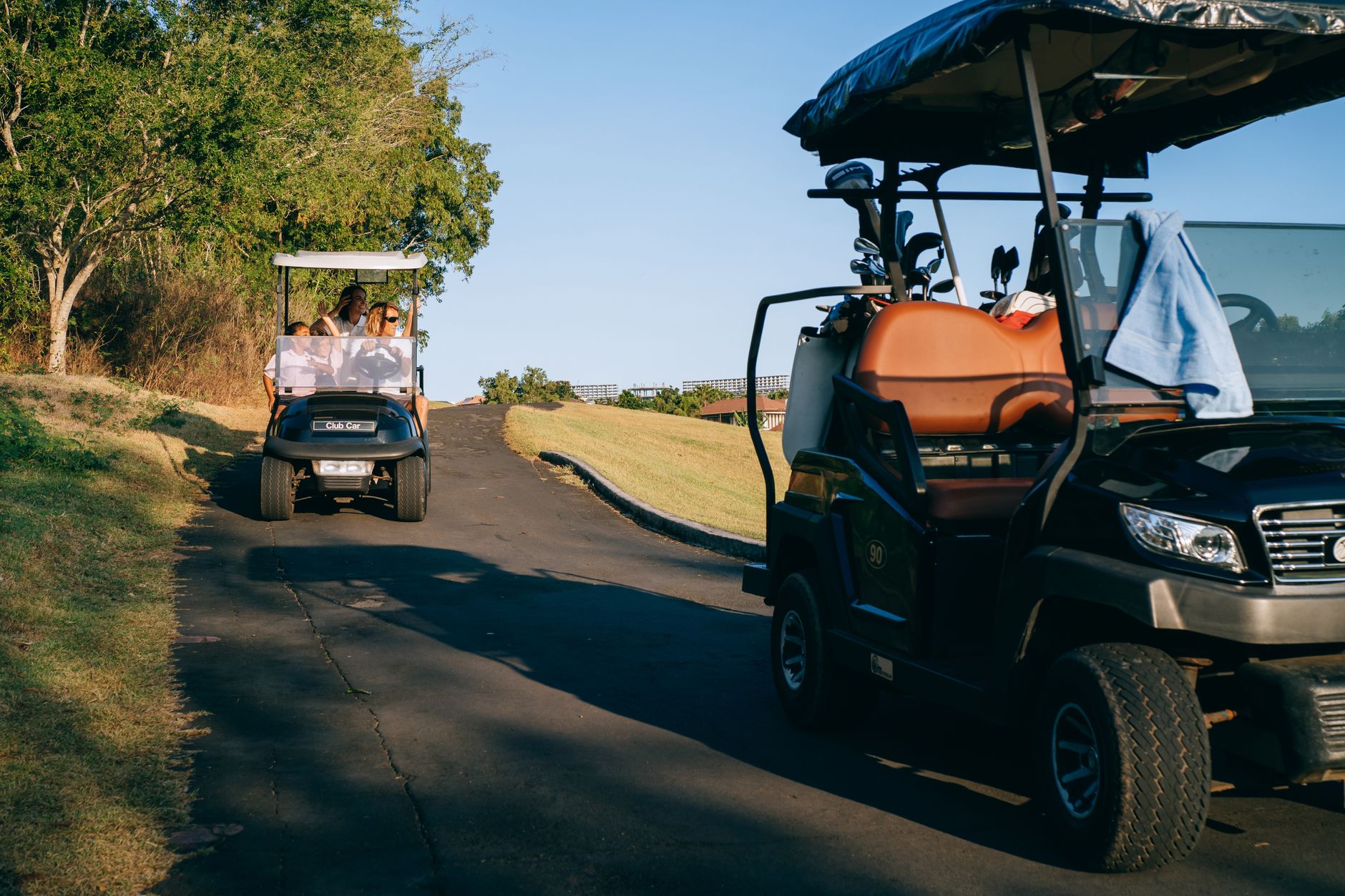
Members judge turf by the stripe in the middle of the hole, but they feel the club through their shoes on the way to the next tee. Sand from bunkers, clippings blown off approaches, and litter from morning carts collect on paths and patio stone faster than crews can circle back.
Fairway automation frees hours for detail work, yet many superintendents still assign one or two people to blow and sweep paths before the first group. That work is repetitive, weather-sensitive, and easy to skip when a green needs extra attention.
Autonomous sweepers treat paths like a mapped loop instead of a daily chore list. The goal is not to eliminate hand work at steps and doorways, but to keep the main corridors clear between play windows.
Where should a superintendent map sweeper routes first?
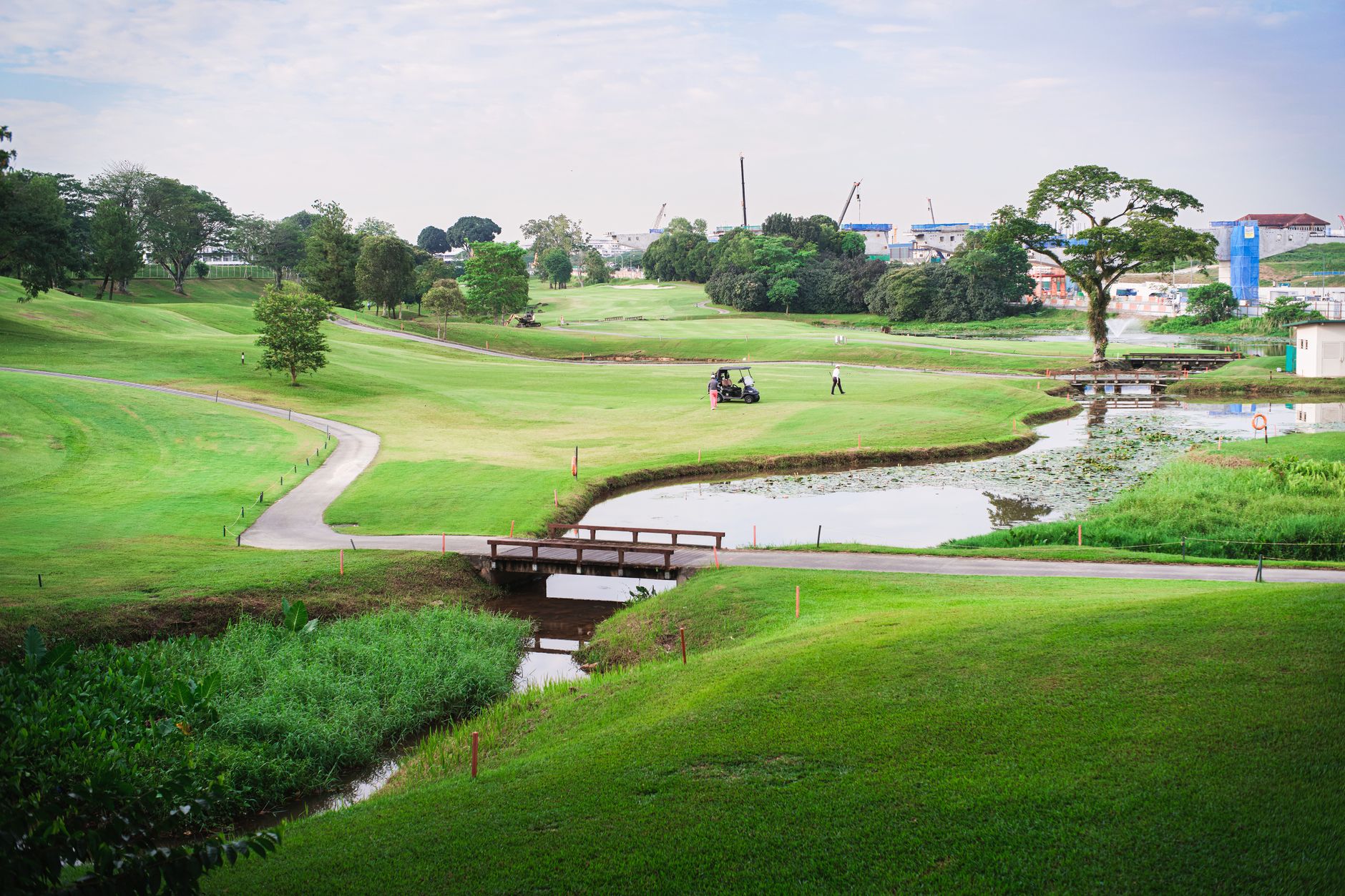
Start with the loops members see before breakfast: paths from the clubhouse to one and two, staging areas near the pro shop, and bridge approaches that stay damp after irrigation.
Mark cart crossings, speed bumps, and narrow gates where a sweeper must slow or skip. Netting poles, ball washers, and bench pads are edge stops, not obstacles to power through.
Night runs work when paths are empty, but many clubs prefer dawn windows between maintenance departure and first tee. Document those windows beside your autonomous fairway schedule so starters know when dust or moisture is still settling.
- Clubhouse to front-nine connector paths
- Cart barn apron and wash-down pad
- Bridge decks and wooden approach strips
- Patio stone outside the grill and event terrace
Can sweepers run while fairway robots are still on the property?
Yes, when maps keep hardscape and turf jobs separated. Fairway units stay on grass boundaries; sweepers stay on concrete, asphalt, and paver stone with geofenced edges.
Superintendents evaluating autonomy often invite neighboring clubs to demo days so crews can compare GPS behavior on real slopes. Golf Course Industry covered Coeur d'Alene National Reserve hosting regional superintendents for an autonomous fairway demo in 2025, a reminder that path sweeper pilots benefit from the same collaborative walk-through before members see the first run.
Service Robot Co. maps both layers, sets schedules around play, and maintains equipment through RoboCare so you are not coordinating separate dealers for turf and hardscape robots.
What changes for pace of play and safety?

Clean paths reduce slip complaints at dewy bridge decks and keep carts from tracking debris onto patios. Starters hear fewer comments about gritty walkways even when fairways are pristine.
Sweepers are quieter than backpack blowers during early morning hours near housing, which matters on municipal and residential-adjacent courses.
Document a simple rule for staff: hand-detail steps, door mats, and bunker lips; let the sweeper own the long straightaways. That split keeps labor on presentation work members photograph.
How do GMs finance path sweepers beside a fairway program?
Path automation is usually a second layer after fairway mowing proves out. Buy or lease financing with service included lets you match monthly cost to seasons when paths need daily attention versus twice-weekly touch-ups.
Deferring another dedicated blower hire is the common ROI story. Clubs that automate fairways often redeploy twenty or more hours per week into edging and sprinkler surrounds according to trade profiles of UK clubs adopting robotic mowers in 2025, and path sweeping prevents those redeployed hours from being sucked back into blowing loops.
One integrator can hold the fairway mower, path sweeper, clubhouse scrubber, and solar camera layers as you add them, which keeps training and escalation paths simple for a small maintenance leadership team.
What stays manual after path sweepers go live?
Bunker sand replacement, leaf cleanup in rough, and tournament setup still belong to the crew. Sweepers handle predictable debris on hardscape, not agronomic repair.
Greens and collars remain hand-managed. Path sweepers do not replace bunker rakes or cup cutting.
After-hours security on cart storage and maintenance compounds may still need solar cellular cameras if theft or joyriding is a separate risk from daytime debris.
What is the first step this month?
Walk the top three path loops with a timer and note how long blowing and sweeping take today. That baseline tells you whether autonomy is a nice upgrade or a staffing necessity.
Photograph problem edges: crumbling paver joints, low branches, and drains that grab brushes. Share the album during a mapping visit so the first route avoids damage.
Book a Service Robot Co. site walk to layer a path sweeper pilot on top of any fairway or clubhouse program you already run, then expand maps once members stop commenting on gritty approaches.