Key takeaways
- GCSAA reports 34% of superintendents still call the 2025 maintenance labor market bad or very bad.
- Fairway mowers remain a top capital priority, with 21% very high and 28% high need in 2025.
- Autonomous fairway and rough mowing targets seat time, not greens, tees, or bunker detail.
- Mapped routes and agreed mow windows let robots run when play allows without adding a second shift.
- Buying or leasing through financing follows a site walk, map, and superintendent sign-off on boundaries.
Where does autonomous mowing fit when labor stays tight?
If you run maintenance at a US golf course in 2025, you already know the crew math. Fairways and rough still need predictable cuts, yet qualified operators are harder to hold than they were a few years ago. The question is not whether mowing matters. It is which passes can leave the mower seat without hurting the playing surface.
According to the Golf Course Superintendents Association of America 2025 Capital Budget and Labor Survey, 34% of superintendents still rate the general maintenance labor market bad or very bad. That is a real improvement from 2022, when 63% chose those same categories, but it is not a labor surplus.
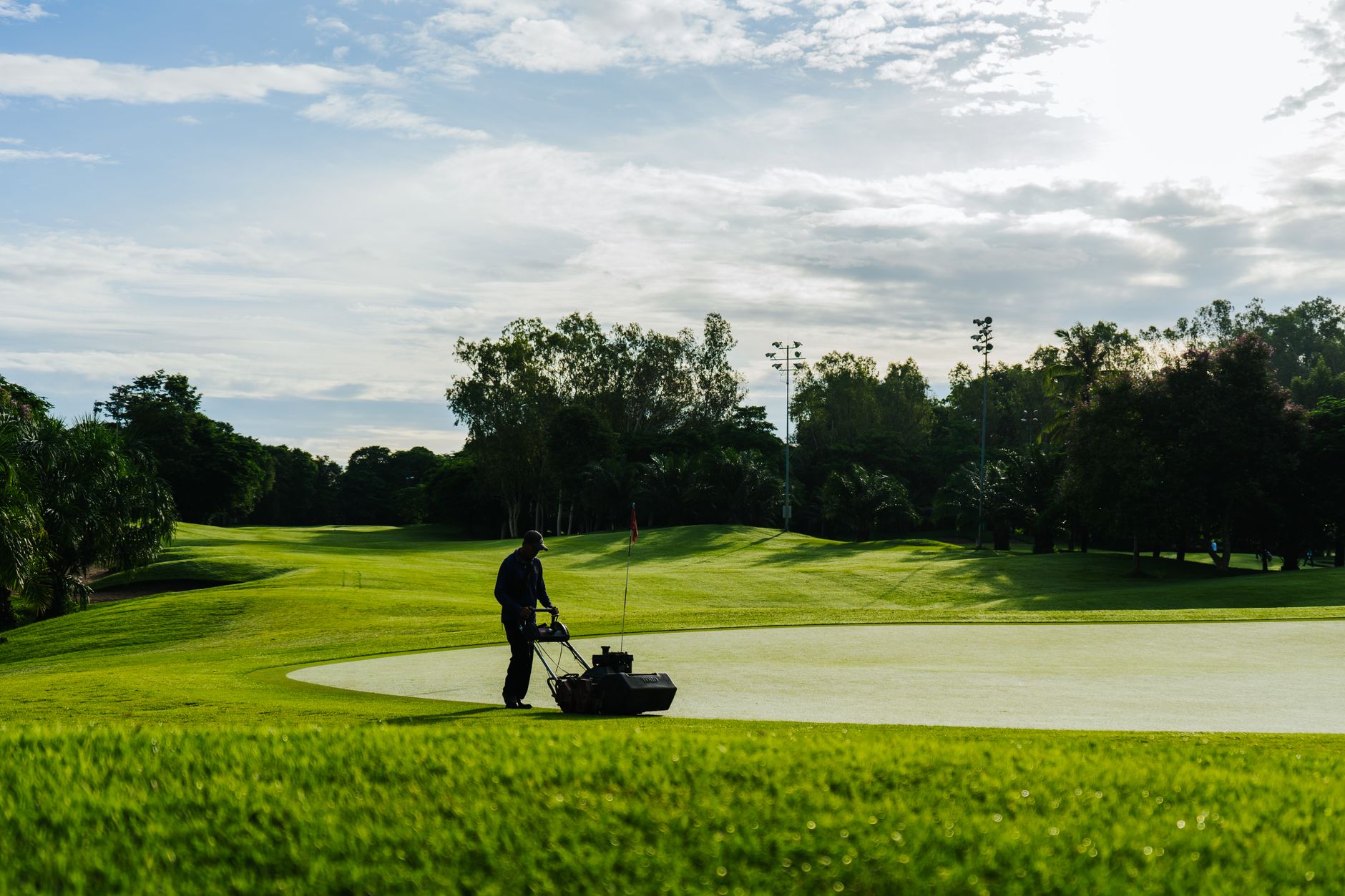
Autonomous lawn mowing robots built for golf fairways and rough are meant for that gap. They follow mapped boundaries, run on schedules you set around play, and return to a charger when the pass ends. Greens, tees, bunkers, and trim work stay with your crew.
What did the 2025 GCSAA survey say about equipment plans?
Capital plans still point at the machines that eat the most seat time. In the same GCSAA report, 21% of respondents ranked fairway mower needs very high and 28% ranked them high. Rough mowers followed a similar pattern, with 20% very high and 29% high.
Those numbers matter because they describe where budgets already lean. Superintendents are not ignoring wide-area mowing. They are trying to keep aging fleets productive while staff hours stay scarce.
A robotic fairway and rough mower does not replace every piece in the shed. It targets the long, repetitive loops that pull skilled staff away from detail work golfers notice on approaches and surrounds.
Why is qualified labor still the headline concern?
Equipment surveys capture dollars. Staffing surveys capture anxiety. In a USGA Green Section Record summary of industry challenges, lack of qualified and skilled labor ranked as the top current concern among golf course maintenance professionals in the national sample.
Quotes in that same piece describe the double pressure of finding crew members and funding competitive pay. Budget limits sit in the middle of the pack as a standalone worry, yet payroll and staffing comments show how tightly those threads connect.
That context explains why superintendents experiment with schedules, cross-training, and seasonal hires before they add any new machine. Autonomous mowing enters the conversation when fairway hours keep competing with greens prep, not because robots are trendy.
How do most shops structure the maintenance day?

GCSAA also notes that 92% of superintendents reported only one maintenance shift per day on course operations. There is not a hidden night crew waiting to absorb extra fairway loops on most properties.
When that single shift must cover cups, bunkers, irrigation checks, and cart traffic cleanup, fairway mowing becomes the task that slides. Delayed rough cuts show up as pace-of-play complaints long before agronomy charts turn red.
Running a mapped autonomous pass after the last group or before dawn can protect the calendar without asking a tired operator to climb back on a ride-on. Policy still rules: you choose the window, not the vendor.
What changes on the ground when a robot takes fairway loops?
Deployment starts with walking the property. You mark fairway and rough zones, stay-out areas around greens complexes and bunkers, and agree on traffic rules with the superintendent. Mapping is not a one-click import from satellite photos. It reflects how your course actually plays.
The robot mows inside those lines on the schedule you approve. Staff still monitor alerts, move chargers if needed, and keep doing hand work on collars and approaches. The win is calendar relief, not a smaller head count on paper.
Service Robot Co. acts as the integrator: vendor-neutral selection, financing or purchase paths, training for the staff member who watches the unit, and ongoing support under RoboCare. Greens and tees never move to the robot list.

Which capital and labor signals should trigger a pilot conversation?
Consider a pilot when fairway mower priority scores stay high while hiring posts sit open for weeks. GCSAA shows fairway equipment in the top tier for many respondents, even as 34% still call labor availability poor.
Also look at weather compression. Articles in Golf Course Industry in 2025 describe superintendents juggling abnormal seasons and staffing gaps at the same time. When rain pushes mowing into the same hours as member play, autonomous units can use narrow quiet windows you already have.
A free site assessment should answer three plain questions. Can boundaries be mapped safely around your layout? Are there enough fairway and rough acres to justify seat-time savings? Does your policy allow overnight or early-morning runs on open turf?
- High fairway mower priority scores in your latest capital survey
- Open operator roles that stay unfilled through peak season
- Repeated weather delays that stack fairway work into play hours
- Superintendent time lost to riding loops instead of course setup
What should you ask before you buy or lease?
Ask how stay-out zones are edited after a renovation or a new forward tee. Courses change shape. Maps need version control.
Ask how support responds when a unit stops mid-fairway during a member guest day. Remote triage matters, but you also need a clear path to a field visit.
Ask what data you receive after each run. Some teams want proof of coverage for insurance or board meetings. Others only need a simple completion log.
Pricing arrives in a quote after the walk-through. Financing and lease paths should be spelled out without promising that service visits or parts are bundled unless your contract says so in writing.
How do clubhouse and perimeter jobs relate?
Fairway robots solve seat time on turf. They do not vacuum locker rooms or patrol parking lots. Many superintendents still pair turf automation with separate robots for clubhouse hard floors or cameras on cart paths.
Treat those as parallel projects with their own maps and schedules. The maintenance director who wins labor back on fairways can still be short staffed indoors on tournament weeks.
Keeping scopes separate prevents a single vendor slide deck from overpromising. Fairway autonomy is already a large operational shift.