Key takeaways
- Loose dry debris on production floors usually calls for sweeping or vacuuming before any wet scrub cycle.
- A Zurich area food producer dropped a wet cleaner by March 2026 after clogging and kept a sweeper clearing about 2,700 square meters per day.
- Allergen changeovers and sanitary design still need manual protocols even when a robot handles the bulk debris route.
- A one-floor pilot with mapped off-peak runs lets you prove recovery and docking without stopping the line.
- Service Robot Co. can match machine type to soil, finance the unit, deploy it, and service it through RoboCare.
Does every food plant floor need a scrubber first?
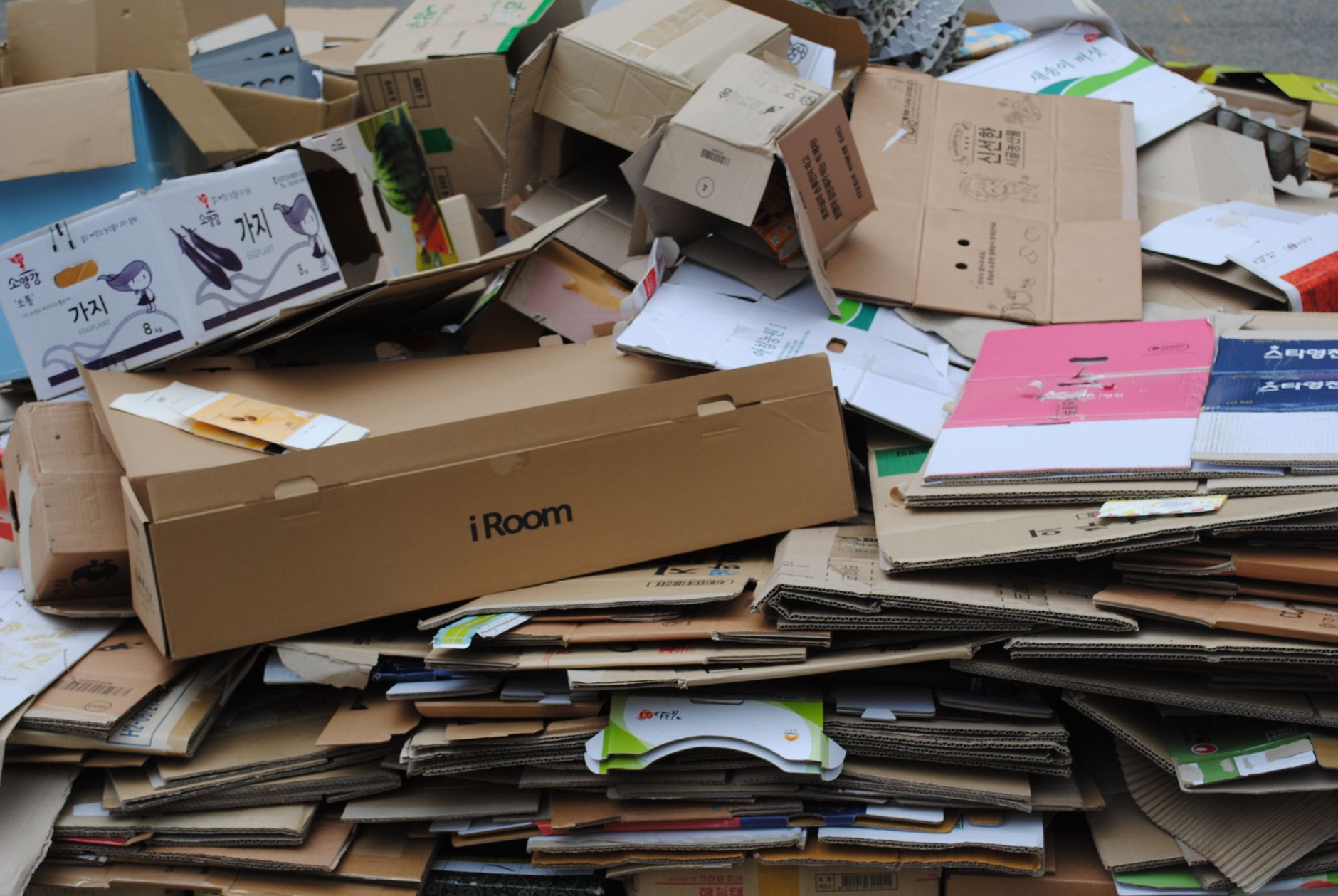
No. Many production halls that run near continuously collect film scraps, wood bits, label backing, and packaging before grime ever bonds to the concrete. In those buildings the first autonomous machine is often a sweeper or vacuum sweeper, not a wet scrubber. The goal is to remove bulk debris on a schedule so forklifts, pallets, and foot traffic stop grinding it into the floor.
Scrubbers earn their place when the dominant soil is sticky residue, fats, or dried spills that need water and detergent. If your team spends shifts chasing strips of film out of a squeegee path, you are fighting the wrong tool. Match the robot to the soil type first, then talk about coverage and shift timing.
How do you read soil type on a busy production floor?
Walk the route at the hour when the floor looks worst. Note whether the problem is loose solids, fine dust, or a greasy film. Loose solids point to sweeping. Fine dust in dry areas may still be a sweeper with filtration, not a scrub deck. Greasy film in washdown zones points to scrubbing after dry pickup.
Watch what forklifts and pallet jacks carry. Wood skids, corrugated dust, and wrap tails show up around receiving and staging. Those zones rarely need hot water every night. They need reliable pickup so metal shavings and plastic do not ride into processing areas.
- Film and wrap tails: prioritize dry pickup
- Wood and fiber dust: sweeper with strong bin capacity
- Fatty spills near cook lines: manual spot clean plus scheduled scrub elsewhere
- Fine seasoning or flour dust: confirm filtration and explosion safety rules before automating
Why do wet scrubbers clog in food production halls?
Scrubbers pull debris through recovery systems built for slurry, not handfuls of solid scrap. Film and wood can bridge hoses, blind filters, and stall vacuum fans. That means more downtime for maintenance and more temptation to skip cycles when the line is hot.
Integrators in Europe have published candid cases. Robonnement described a food producer north of Zurich that deployed a sweeping robot and a wet cleaner on two floors in February 2026. By March 2026 the wet unit clogged on film and wood, so the operator kept only the sweeper on that floor. The sweeper cleared about 2,700 square meters of production hall per working day and returned to its station each morning through August 2026, according to the integrator published metrics.
What do recent food plant cases show about machine choice?
The Zurich Unterland example is not an argument against scrubbing everywhere. It shows that soil type drives tool choice. The same integrator stressed it deploys the robot that fits the dirt, even when that means fewer machines on the contract.
Processing Magazine on March 9, 2026 featured CleanBotix on sanitation robots in food and beverage plants, highlighting labor pressure, consistency, and water use. That conversation sits closer to controlled washdown areas than to open production litter. Keep those zones separate in your plan.
Gausium published a September 2026 case with MAKELIS, a manufacturer of food processing equipment, running an autonomous sweeper twice every 24 hours after production stops in a hall with forklifts and fabrication debris. That pattern, dry debris on industrial concrete with scheduled autonomous passes, is the mirror image of trying to scrub before sweep.
Where do allergens and sanitation rules change the plan?
Robots do not replace your allergen program. They change who walks which route. If a sweeper crosses from a packaging hall into a ready-to-eat space, you need documented cleaning, tool control, and possibly separate machines or color coded tooling, exactly as you would for manual equipment.
Wet sanitation in high care areas still follows your master sanitation schedule. An autonomous sweeper might free hours on the periphery so sanitation techs focus on equipment and contact surfaces. Never assume a floor robot is sanitary for product contact zones without validation.
How can you pilot a sweeper without shutting the line?
Pick one aisle loop with stable racking and predictable traffic gaps. Map during a low movement window, then run the route when forklifts are off the floor or speed limited. Measure interventions, bin fills, and edge gaps for two weeks before you expand.
Docking location matters in food plants. Charge stations should sit out of washdown spray and away from ingredient staging. Confirm battery swap or auto dock fits your sanitation zoning.
Service Robot Co. runs site assessments, maps the first loop, trains operators, and supports the unit through RoboCare. You can buy outright or lease through financing once the pilot proves the soil match.
When should you still add a scrubber later?
Add scrubbing where verified sticky soils remain after dry pickup. Locker rooms, break areas, and finished goods corridors often fit that profile. Production halls with mostly dry litter may never need a large scrubber if spot mopping handles the exceptions.
Sequence matters. Sweep or vacuum first, scrub second where chemistry is required. Running a scrubber on top of loose film is how clogging cases start.