Key takeaways
- Autonomous fairway units are moving from demos to scheduled cuts on mapped routes, not one-off gimmicks.
- Greens, tees, bunkers, and detail work still belong to your crew; the robot targets fairways and rough.
- Connectivity dead zones, charging homes, and a backup mower plan decide whether autonomy survives your season.
- Industry pilots in 2025-26 show overnight fairway windows and freed hours for bunkers and tournament prep.
- A vendor-neutral integrator maps the course, sets financing, trains staff, and services the unit under one contract.
What actually changes when fairways go autonomous?
Autonomous fairway mowing is not a smaller ride-on with a remote control. You map the fairways and rough you want cut, mark stay-out zones for greens complexes, bunkers, wetlands, and cart paths, then schedule loops around play. The unit returns to a charger when the route finishes or when you pause it for weather.
According to Golf Course Industry, Black Desert Resort used four autonomous mowing platforms on bentgrass fairways ahead of the 2025 Black Desert Championship, with superintendent Ken Yates scheduling overnight cuts from about 2 a.m. to 6 a.m. before PGA Tour rounds. That is the operational picture: predictable loops in quiet hours, not random wandering.
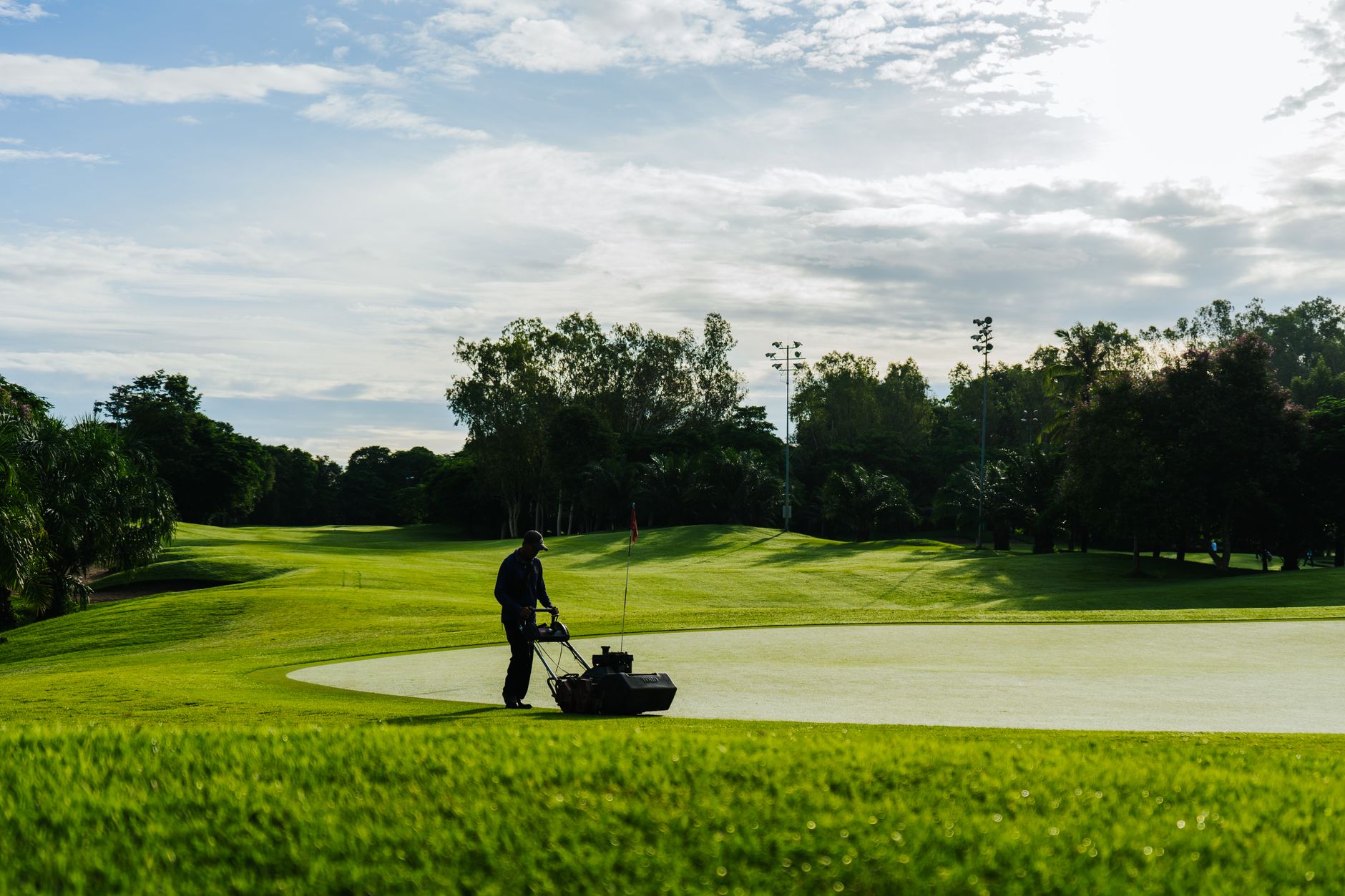
Your crew still owns agronomic judgment. Height of cut, moisture calls, tournament prep, and anything golfers touch with a putter stay human work. The autonomous pass targets the long, repetitive acres that eat seat time every week.
Why did autonomous fairways land on the 2026 agenda?
Two signals broke through the trade-show noise in quick succession. First, a PGA Tour stop put autonomous fairway mowing on television-adjacent turf for the first time in 2025, which forced even skeptical members to ask how it worked. Second, multi-club ownership groups began scaling pilots into portfolio rollouts.
Concert Golf Partners announced in March 2026 that it is expanding autonomous fairway mower placements after a pilot at Heathrow Legacy Club near Orlando, with additional clubs named in its public release. Golf Course Industry had already documented superintendents in Utah and Idaho running single units with connectivity upgrades where cellular coverage thinned.
None of that makes autonomy mandatory for your property. It does mean your board, greens committee, and assistant superintendents will arrive with sharper questions about backup mowing, noise, and staff roles than they did five years ago.
Which jobs still belong to your people?
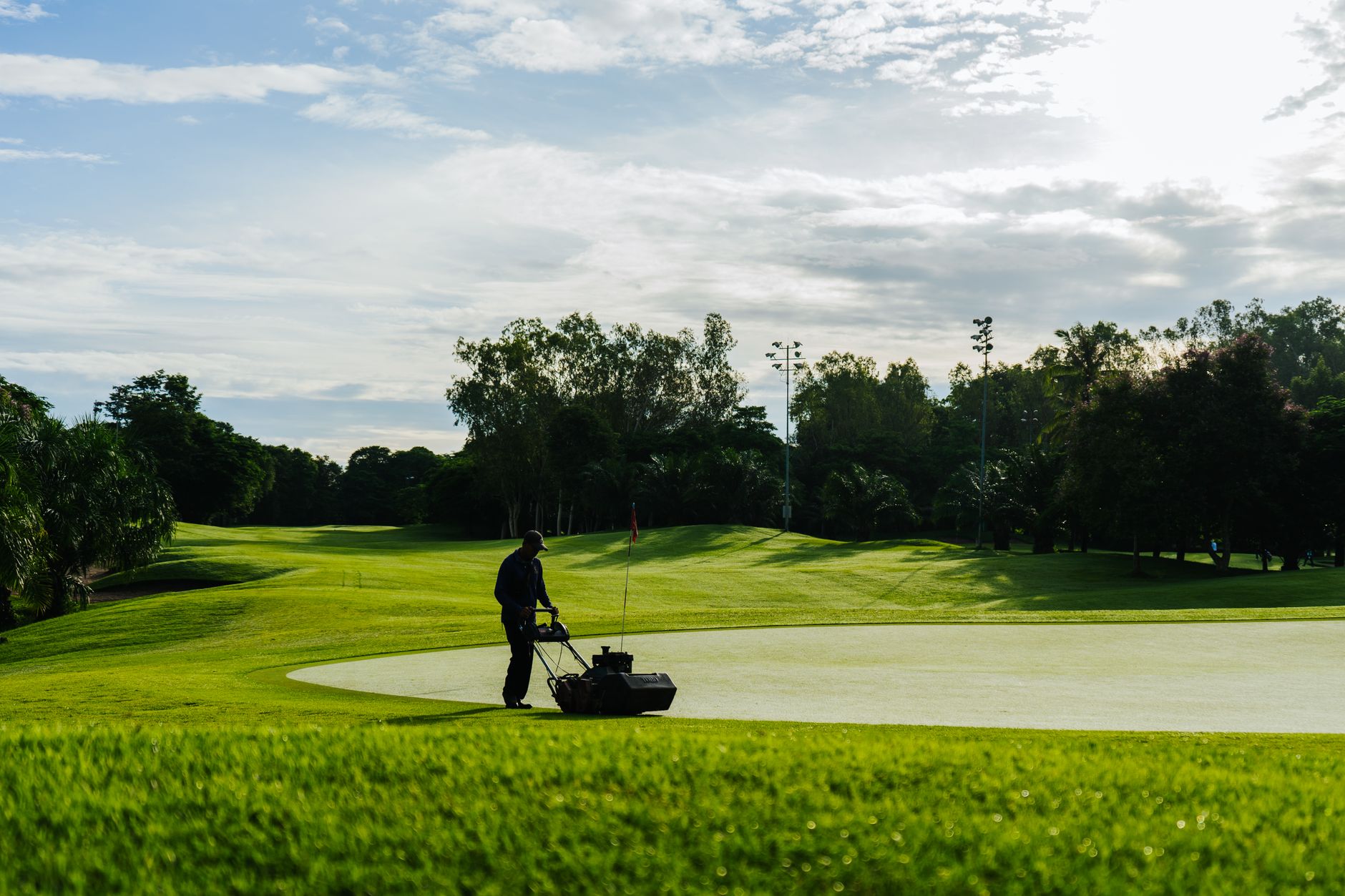
Treat greens, tees, bunkers, approaches, and hand-mow details as non-negotiable crew work. Public articles about tour use still describe superintendents keeping conventional fairway mowers available as a tournament backup even while robots handled nightly fairway passes.
The labor win shows up in redeployment, not headcount theater. Yates told Golf Course Industry that during the tournament his team spent more time in bunkers and detail work because fairway seat time disappeared for that week. That is the honest pitch: same roster, different hours.
Autonomous rough programs need the same discipline. Map only what your turf plan truly wants machine-cut, and keep steep banks, wet swales, and tight tree lines in the manual column until you have data saying otherwise.
How should you plan mapping and connectivity?
Start with a walk of every fairway and rough strip you might include, noting slopes, sprinkler heads, drainage pans, and member paths. Your integrator should translate that into geofences and speed limits before the first scheduled cut.
Rural and tree-lined holes expose cellular gaps fast. Golf Course Industry reported a northwest course upgrading connectivity when RTK cellular signals dropped on isolated holes, moving to satellite backhaul for reliable corrections. Assume you will find at least one dead pocket on your property and budget time to fix it before members notice missed strips.
Keep a conventional fairway unit maintained and staffed to run priority holes if autonomy pauses for firmware, weather, or a sensor fault. Pilots that treat the robot as the only mower rarely survive the first chaotic Saturday in May.
Where do chargers and service access live on the course?
The USGA Green Section Record noted in 2026 that autonomous mowing is now common enough that storage and charging layout is its own design problem, citing Atlanta Athletic Club's expansion of autonomous units into rough on one course late in 2025 while planning continued growth.
Superintendents quoted in that piece hide low-profile mower garages along tree lines, native areas, and behind tee complexes so docking stays off player sightlines. Service access still matters: blades, cleaning, software updates, and occasional rescues need a cart-path route that does not trample surrounds.
Artificial turf pads around docks show up as a practical fix for muddy spring docking, keeping technicians off sensitive turf while they work. Plan drainage and shade so chargers do not sit in standing water after summer storms.
What should you ask before you buy or lease?
Financing structure matters as much as cut quality. Courses buy outright or lease through financing with quotes after a site assessment, the same pattern Service Robot Co. uses across cleaning, delivery, and turf robots. Ask how training, RoboCare support, and check visits align with your seasonal peaks.
Request a written map of who owns firmware updates, blade supply, and on-site recovery when the unit stops mid-fairway. Vendor-neutral integrators should show at least two mower platforms that fit your acreage and cut quality bar, not a single catalog line.
Pilot one routing window on your quietest nine before you promise members a full-property schedule. Measure consistency, overlap, and cleanup time your crew still spends edging around collars. Numbers beat slide decks.
How does clubhouse and grounds automation fit the same plan?
Fairway autonomy pairs naturally with clubhouse scrubbers, locker-room vacuums, cart-path sweepers, and lot cameras if you want one partner managing deployment calendars. Those systems do not replace fairway work, but they attack the other labor sinks members still notice after a round.
Service Robot Co. stays OEM-neutral across those categories, which matters when your fairway vendor differs from your floor-care vendor today. One integrator can align financing, training, and service contacts even when the hardware comes from different factories.
Keep each robot type on its own success metric. Fairways care about height consistency and hours back for bunkers; clubhouse bots care about dry floors before the breakfast rush. Mixed dashboards are nice, but separate runbooks prevent a scrubber alarm from distracting your turf foreman.