Key takeaways
- Fairway and first-cut rough mowing often consume the hours your crew needs for greens, bunkers, and detail work.
- Autonomous fairway units can run on quiet windows and GPS maps so golfers rarely see the cut in progress.
- Clubs adopting the technology describe redeploying staff, not eliminating roles, when hiring stays difficult.
- A mapped monthly mower program with service included can pair with clubhouse scrubbers or path sweepers from one integrator.
- Start with a course walk that flags irrigation, steep grades, and cart-path crossings before the first scheduled run.
What should a superintendent do when fairway mowing eats the week?
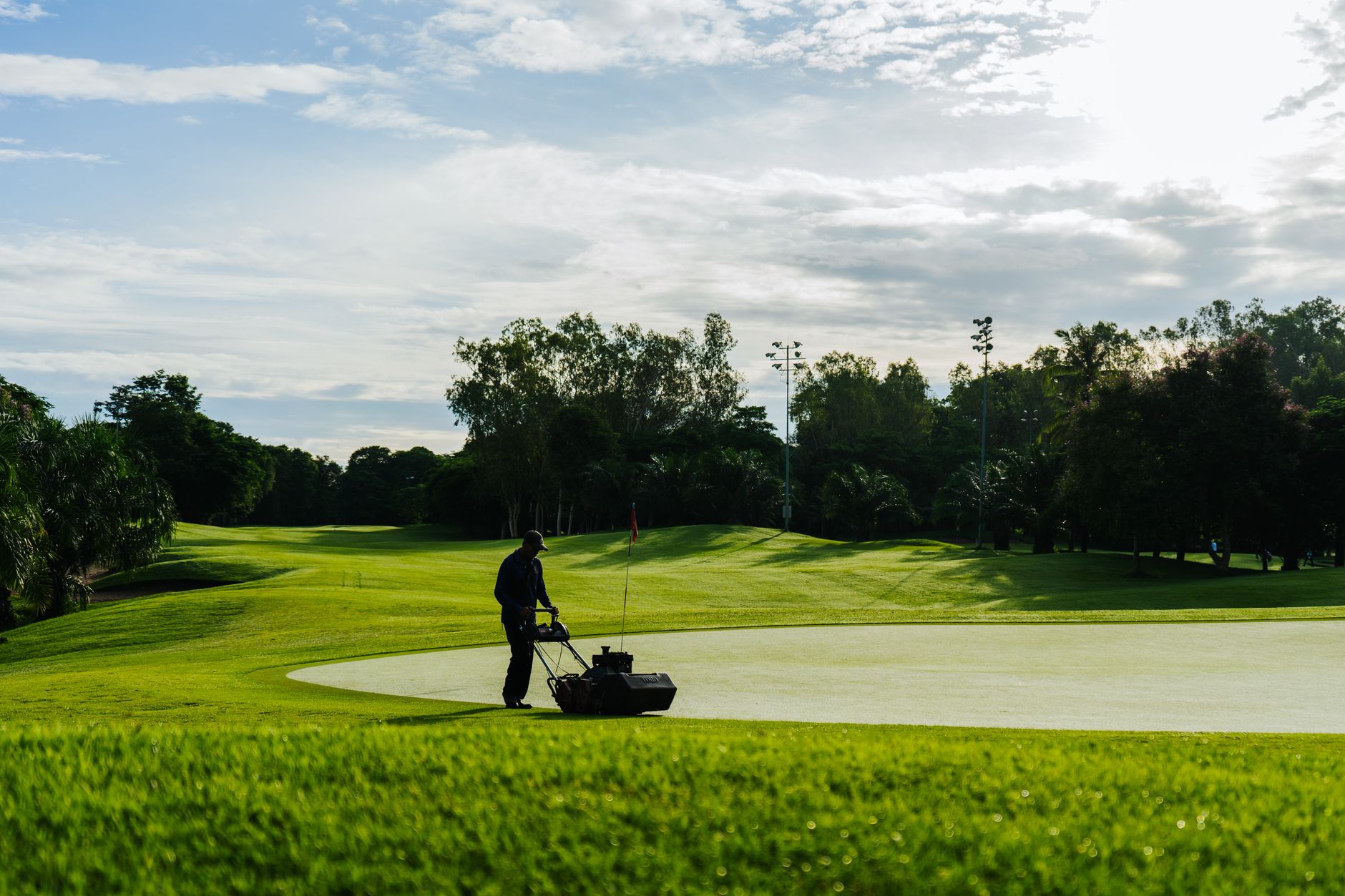
When your greens crew is maxed out, the fairway mower is usually the machine that never gets a day off. On many 18-hole layouts, fairways and first-cut rough cover the largest maintained acres on the property. If those passes sit on the same operators who hand-mow surrounds, roll bunkers, and chase irrigation leaks, the detail work waits.
Autonomous fairway mowing is built for that bottleneck. GPS-guided units follow a mapped route on a set schedule, often in early morning or overnight windows, while your people concentrate on agronomy and presentation. Golfweek reported in June 2026 that Country Club of New Bedford used two GPS-guided fairway mowers to cover roughly 20 to 30 acres in about four hours, with the superintendent pointing to hiring difficulty as one reason clubs are looking at the technology.
The goal is not to remove skilled turf staff. It is to stop spending their best hours driving straight lines on acreage a robot can handle on repeat.
Where do those lost hours actually go?
Talk to a course manager after a busy weekend and the list is predictable: bunker lips, divot repair, collar cleanup, drainage checks, and the small touches members notice around tees and greens. National Club Golfer profiled UK club Cranham after it automated fairway and first-cut rough mowing in 2023; management said the team finally had capacity for drainage, bunkers, and hedgerows that had been deferred or subcontracted.
Gullane Golf Club in Scotland told GreenKeeping in 2025 that four robotic fairway units working overnight across 16 fairways saved an estimated 30 to 40 labor hours per week during the growing season while the club was still recruiting greenkeepers across three courses. Staff shifted toward hand mowing, bunker work, and presentation.
Those stories match what US superintendents describe informally: mowing is necessary, but it is not where you want your most experienced operators every afternoon.
How do you schedule mowing around play without surprising golfers?
Members notice noise, dew patterns, and fresh clippings on shoes. A fairway program has to respect tee sheet flow, tournament weeks, and seasonal daylight.
Most clubs start by carving quiet blocks: pre-dawn weekdays, closed days, or windows between morning and afternoon waves. Autonomous units can pause at mapped hold zones near greens complexes if your routing software supports it. Communicate the schedule to the pro shop so starters know where carts should avoid wet strips.
Document a rain and frost policy up front. Wet fairways and frozen turf are where human judgment still leads, even when the weekly plan is automated.
- Map cart-path crossings and stake temporary no-go buffers during member-guest events.
- Align charging locations away from bag-drop traffic and range balls.
- Post a one-page member FAQ so "robot on fairway 7" does not become a rumor on the app.
What happens before the first autonomous fairway pass?
Mapping is the real project. A integrator walk notes sprinkler heads, steep grades, bridges, wildlife corridors, and any irrigation boxes that sit flush with turf. GPS boundaries need to match how you actually maintain rough transitions, not just how the scorecard reads.
Service Robot Co. stays OEM-neutral on the mower itself: we match hardware to your acreage, slopes, and cut quality targets, then handle financing as a buy or lease with a fixed monthly program that includes deployment, training, and RoboCare service through a nationwide engineer network. You get one vendor for mapping, go-live, and ongoing support instead of juggling a dealer, a finance company, and a third-party technician.
Plan a short shadow week where a superintendent or assistant verifies strips, overlap, and clipping dispersion before you advertise the change to the membership board.
Can automation extend beyond the fairways?
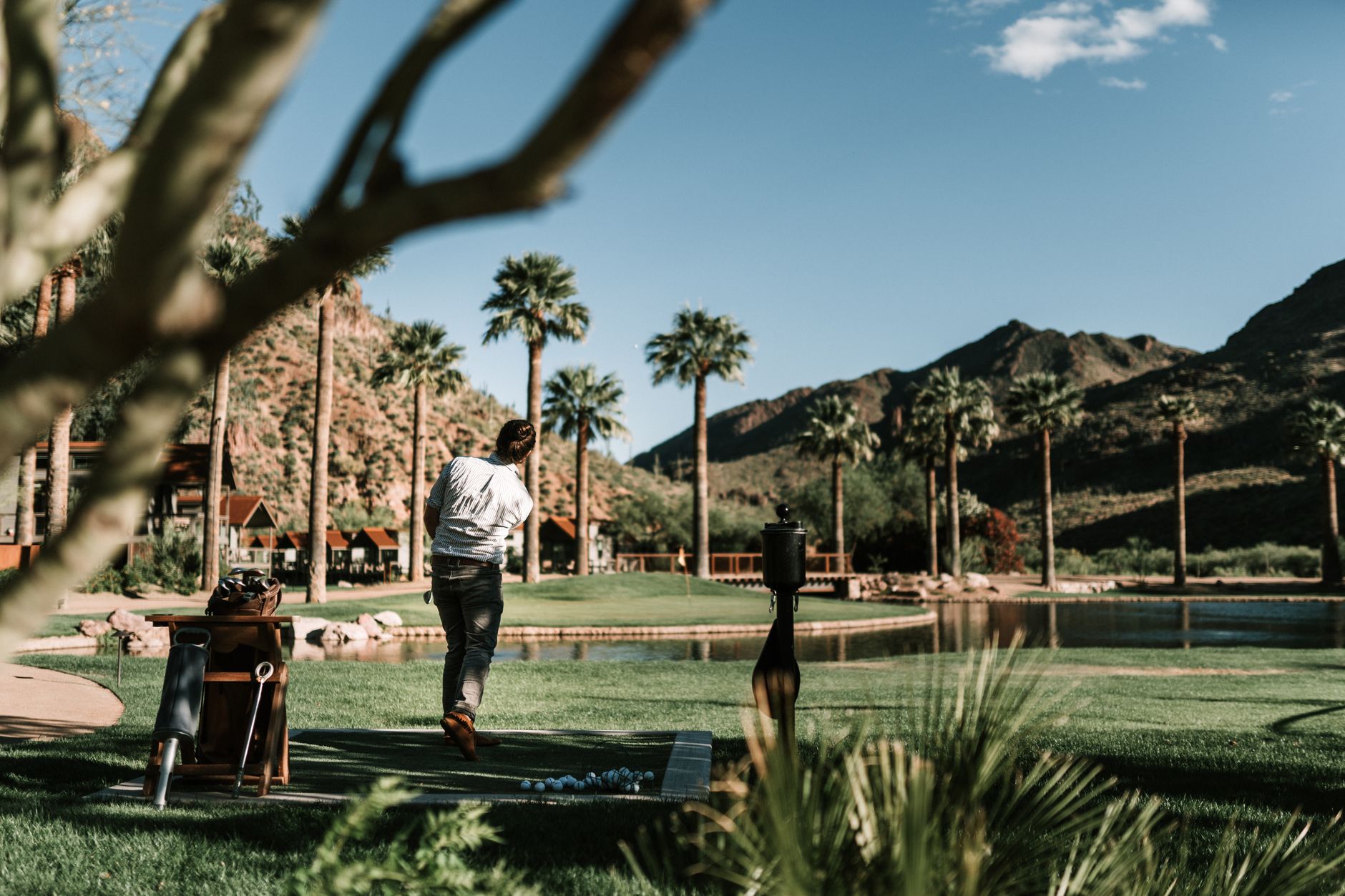
Fairways are the headline, but members also judge the clubhouse floor, locker room tile, and cart paths leading to the first tee. Once core mowing hours are back on the ledger, many clubs look at autonomous scrubbers for lobby and locker areas, sweepers for paved paths, or solar cameras for parking lots and perimeter fence lines.
Those are separate workflows with their own maps and training, but they share the same staffing logic: let machines cover repetitive square footage so people handle guest-facing work. Service Robot Co. can layer those categories after the fairway program is stable, still under one financing and service relationship.
Keep greens and tees with your crew. Automation earns trust when golfers see better bunkers and truer roll, not when rough suddenly looks neglected.
Why are US clubs talking about this now?
Labor pressure is not abstract on a golf payroll. The Golfweek piece on New Bedford quoted the superintendent saying courses struggle to find people willing to do the work, which pushes managers toward tools that change how hours are spent rather than how many bodies are on the roster.
Fuel, equipment replacement cycles, and member expectations all moved at the same time. A fairway mower that used to run five days a week can see fewer engine hours when acres shift to electric autonomous units, which some overseas clubs cite when deferring capital spend on a traditional fairway unit.
None of that removes the need for turf expertise. It reallocates it toward the parts of the course where expertise shows.
What should the GM and board expect in year one?
Set expectations around communication, not just grass height. Show the board a map, a sample weekly schedule, and the tasks your team will add with recovered hours: bunker edging, path edging, storm cleanup, or tree work.
Track member comments separately from turf metrics. Sometimes the first win is fewer "why does rough look uneven" emails, even before stimpmeter readings move.
Treat service response time as part of the monthly program. A mower that sits with a fault during a holiday weekend erases the labor savings you modeled in spring.