Key takeaways
- A wide teaching range can tie up more reel time than several fairway holes combined.
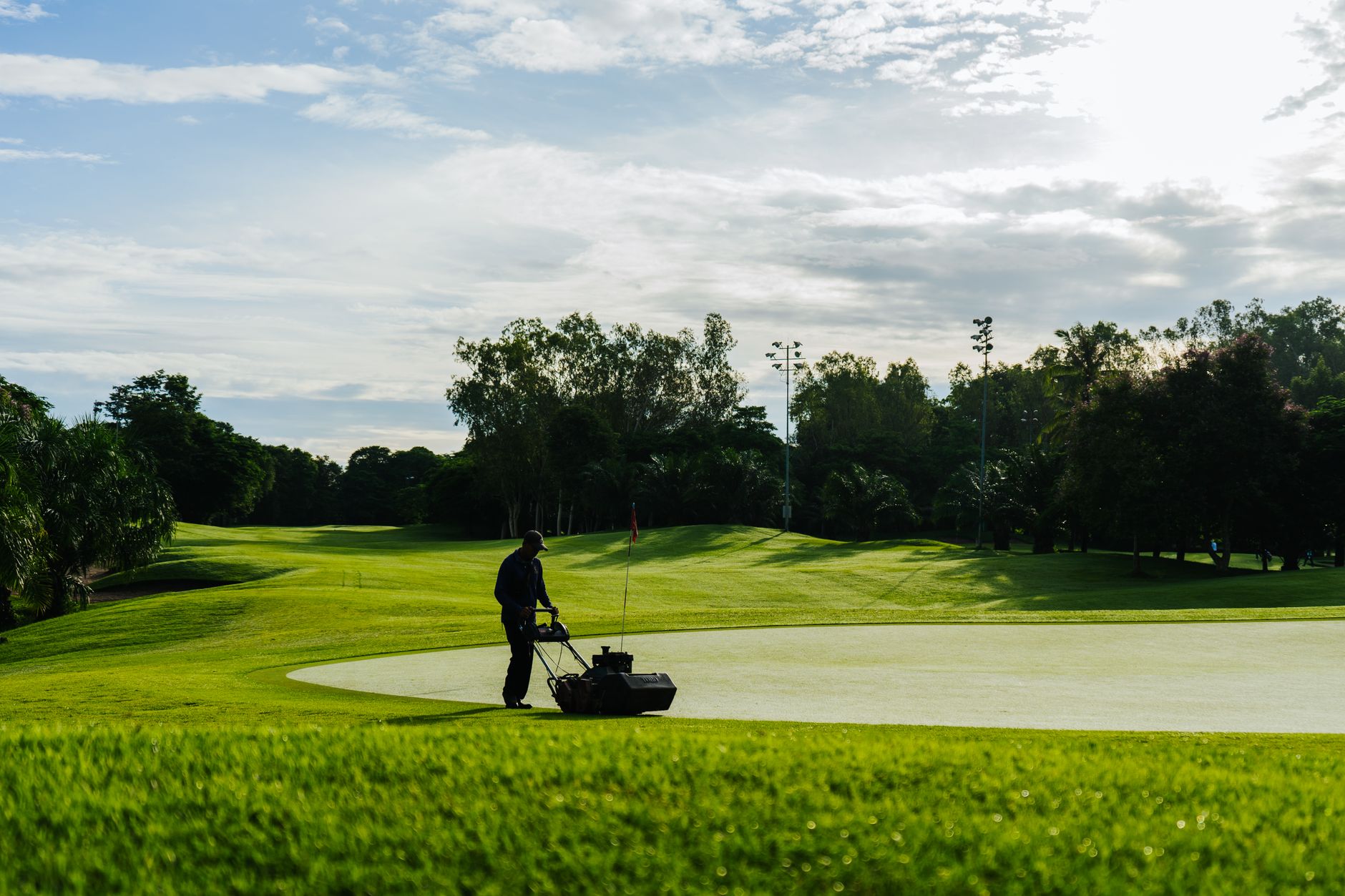
- Autonomous units run on mapped quiet windows so golfers rarely see cutting in progress.
- Superintendents redeploy saved hours to bunkers, irrigation checks, and presentation detail.
- Monthly programs with mapping and RoboCare service avoid another capital cycle on range reels.
- Path sweepers and clubhouse scrubbers can layer on the same integrator after range automation.
Why does the driving range steal labor from the scorecard?
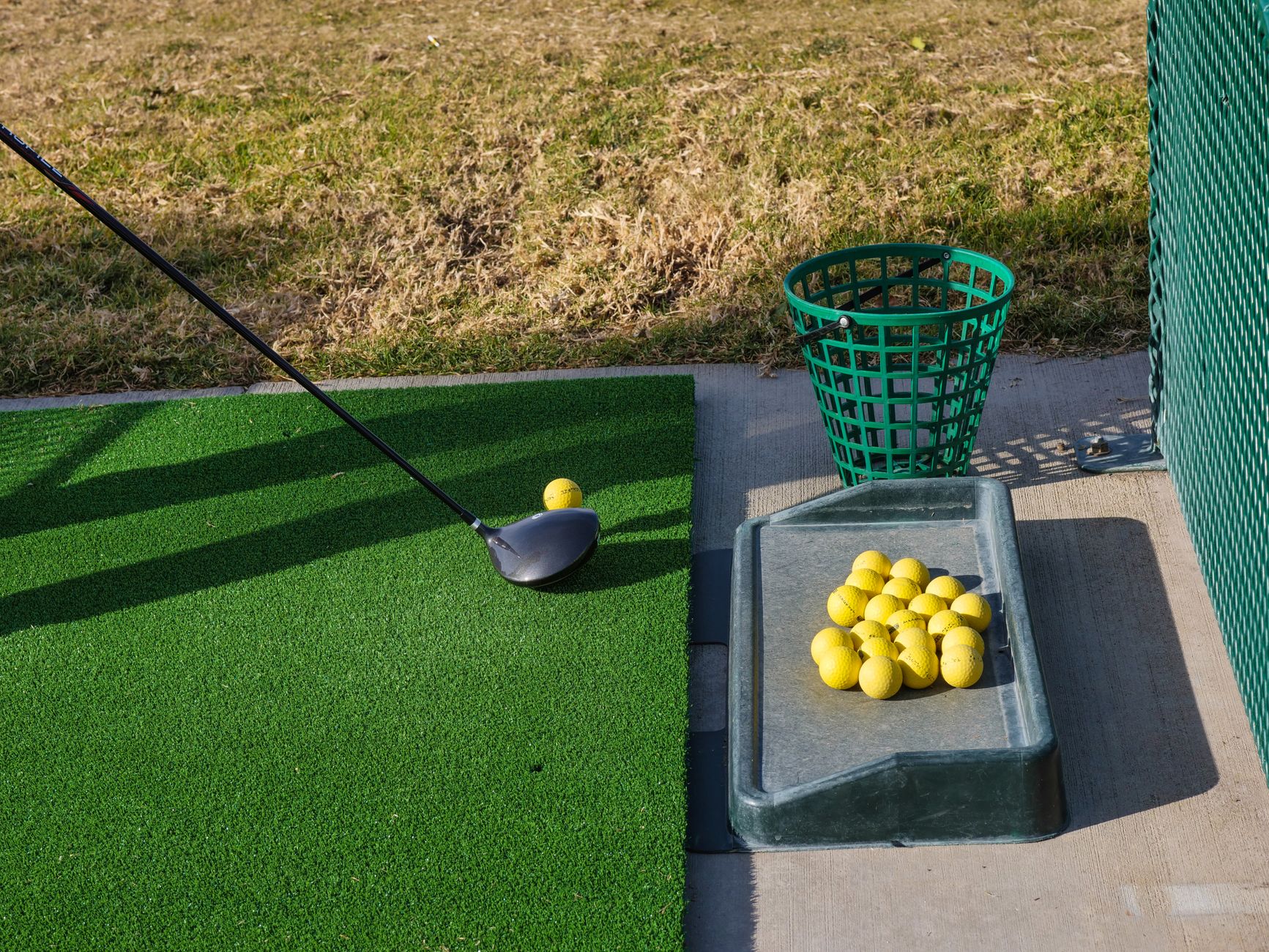
Members notice fairways first, but the range is where mower hours quietly pile up. Wide out-of-bounds margins, multiple target lines, and teaching stations mean repeated passes across acreage that never shows up on the course routing sheet.
On many properties the range is not a single rectangle. It wraps around practice greens, short-game areas, and cart paths. Each transition adds setup time, blow-off, and quality checks that do not exist on a straight fairway loop.
When hiring stays tight, the range becomes the job that never finishes. Crews either shorten detail work on bunkers and approaches or accept scruffy practice turf. Neither option sits well with the pro shop or the board.
How big does a range need to be before autonomy pays attention?
There is no magic acre threshold. The signal is hours: if your range and teaching lawns need more than one dedicated mower shift per week during peak season, you are in the conversation.
Superintendents at clubs with unusually large practice grounds have publicly described ranges that rival entire nines for mowing load. Golf Course Industry profiled Coeur d'Alene National Reserve in 2025 as an early autonomous fairway adopter; superintendent Jason Bauer noted interest in extending similar technology to a driving range he described as among the largest in Idaho, where conventional mowing consumes disproportionate resources.
Even a modest range hurts when fertility is high. River-clay soils and warm-season grasses that jump after rain can force extra passes that were not on Monday's plan. Autonomous units are less about replacing people and more about making frequent, lighter cuts possible without burning overtime.
What should you map before the first autonomous range run?
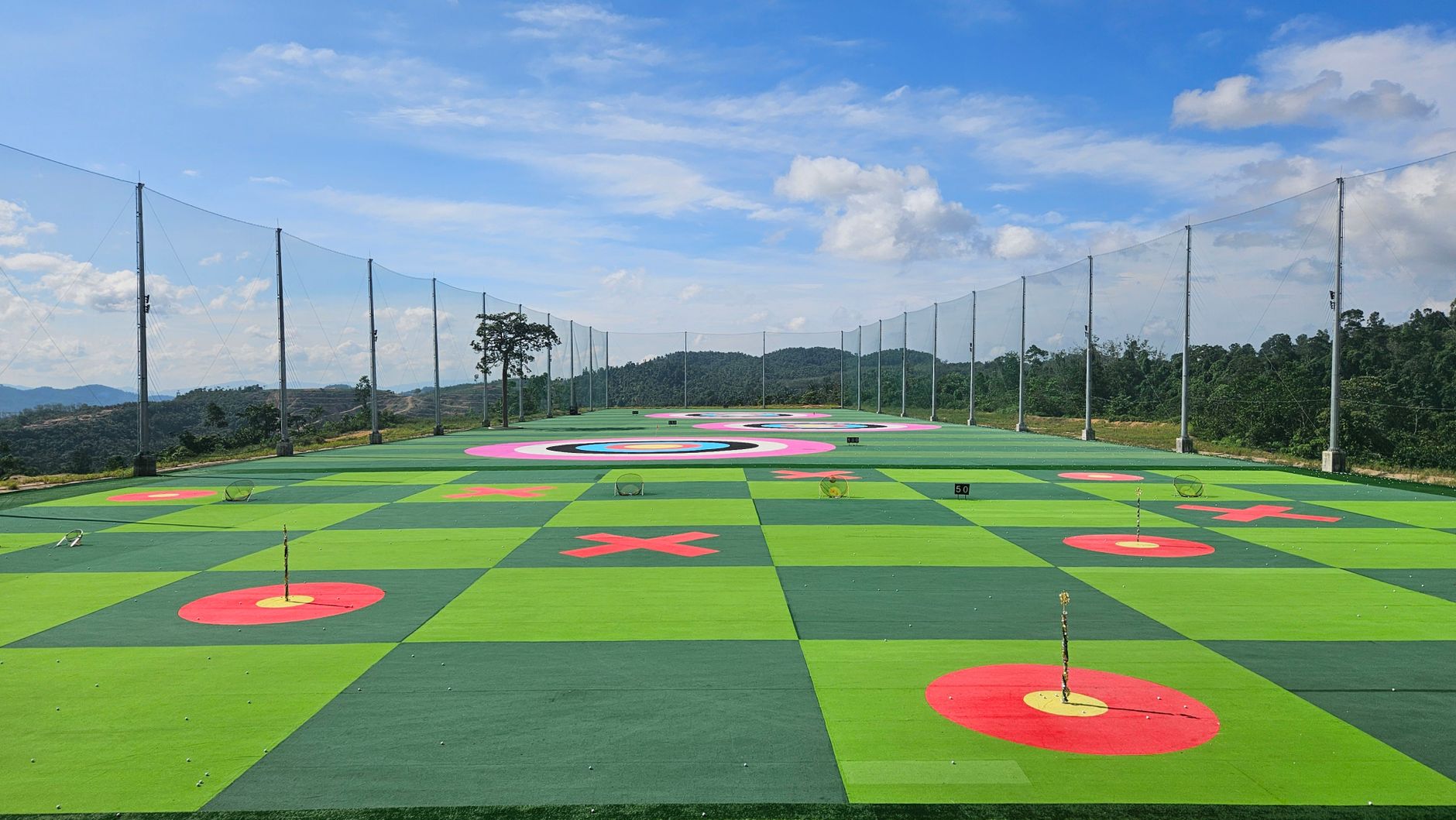
Start with a walk that treats the range like a small course, not a single field. Mark ball-picker lanes, teaching platforms, netting poles, irrigation heads, and any grade change steeper than your policy allows.
GPS coverage matters as much as on fairways. Rural holes and low valleys that lose cellular RTK may need the same workarounds clubs already use for autonomous fairway units, such as upgraded correction links or adjusted boundaries on problem corners.
Set quiet windows around peak instruction and league nights. The goal is predictable turf, not showing members a mower during a lesson. Document those windows in the same playbook you use for tournament prep so pro shop staff know when turf is hot.
- Net lines, poles, and retrieval equipment
- Picker paths and cart egress near the mat
- Irrigation arcs and quick-coupler boxes
- Steep banks and washouts at range perimeters
Can autonomous mowing match range presentation standards?

Presentation on the range is about stripe consistency and clean margins next to mats and walkways, not championship green speed. Autonomous programs excel at repeatable striping across open ground when maps are tight and edges are defined.
Detail at mats, targets, and netting still belongs to the crew. The win is redeploying the two or three wide-area passes that used to eat mornings. Clubs adopting autonomy in the United Kingdom and Netherlands have reported redirecting roughly twenty hours per week into edging, sprinkler surrounds, and walk-off presentation according to GCMA and trade coverage in 2025 and 2026.
Pair range automation with a path sweeper program if blow-down from mats and cart traffic is a chronic complaint. Service Robot Co. can scope sweepers for cart paths and patio stone under the same integrator relationship as the mower, so you are not juggling separate vendors for turf and hardscape.
How do GMs think about monthly programs versus another reel purchase?
Capital committees often compare a new fairway reel against lease lines on trucks. Range automation flips the question: do we want another depreciating reel dedicated to practice ground, or a mapped monthly program that includes service?
Service Robot Co. maps the property, configures schedules around play, and maintains the unit through RoboCare. Financing is structured as buy or lease with service included, which lets you match cash flow to seasons that may be short in the north or year-round in the south.
Deferring a reel replacement on the range mower because autonomous hours absorbed the wide cuts is a pattern general managers in Europe have described publicly. The freed capital can fund drainage, irrigation upgrades, or member projects instead of another diesel tank on the practice ledger.
What stays manual even after the range robot is running?
Greens, tees, and bunkers stay with your trained staff. Autonomous fairway-class units are aimed at fairway-scale grass heights on open range turf, not putting surfaces or collar work.
Target faces, divot programs, and ball collection remain human jobs. The robot handles the big canvas; the crew handles the teaching experience.
After-hours security still matters on range compounds where carts and fuel sit near netting. Solar cellular cameras on lots and maintenance yards avoid trenching across turf; that layer is separate from mowing but fits the same integrator when you are already standardizing robots on property.
Where should a superintendent start this season?
Log one week of range mowing hours by task: perimeter, center cuts, cleanup, and setup. That single diary tells you whether autonomy is a curiosity or a staffing strategy.
Invite your pro shop lead to the conversation. Instruction schedules drive when turf can be cut; alignment prevents the first autonomous week from colliding with a camp photo day.
Book a mapping visit with Service Robot Co. to walk boundaries, signal pockets, and safety stops. Pilot one mapped zone before you commit the full range footprint, then expand when strip quality and member feedback match your fairway program.