Key takeaways
- Flour dust and crumbs pile up fast between loading waves, and accumulated flour is a combustible dust concern, not only a tidiness problem.
- A compact sweeper is worth testing in the gaps between wheeled racks once the aisles are measured and mapped.
- Run the sweeper in the lulls after a wave clears and before rack movers bring the next load in.
- Give rack movers their own painted lanes, and have the sweeper stop and yield on approach so the two never share a lane.
- Service Robot Co. leases the unit on a 3-year lease, with one fixed robot lease payment quoted after a site assessment.
Can a robot sweep the aisles between bread racks?
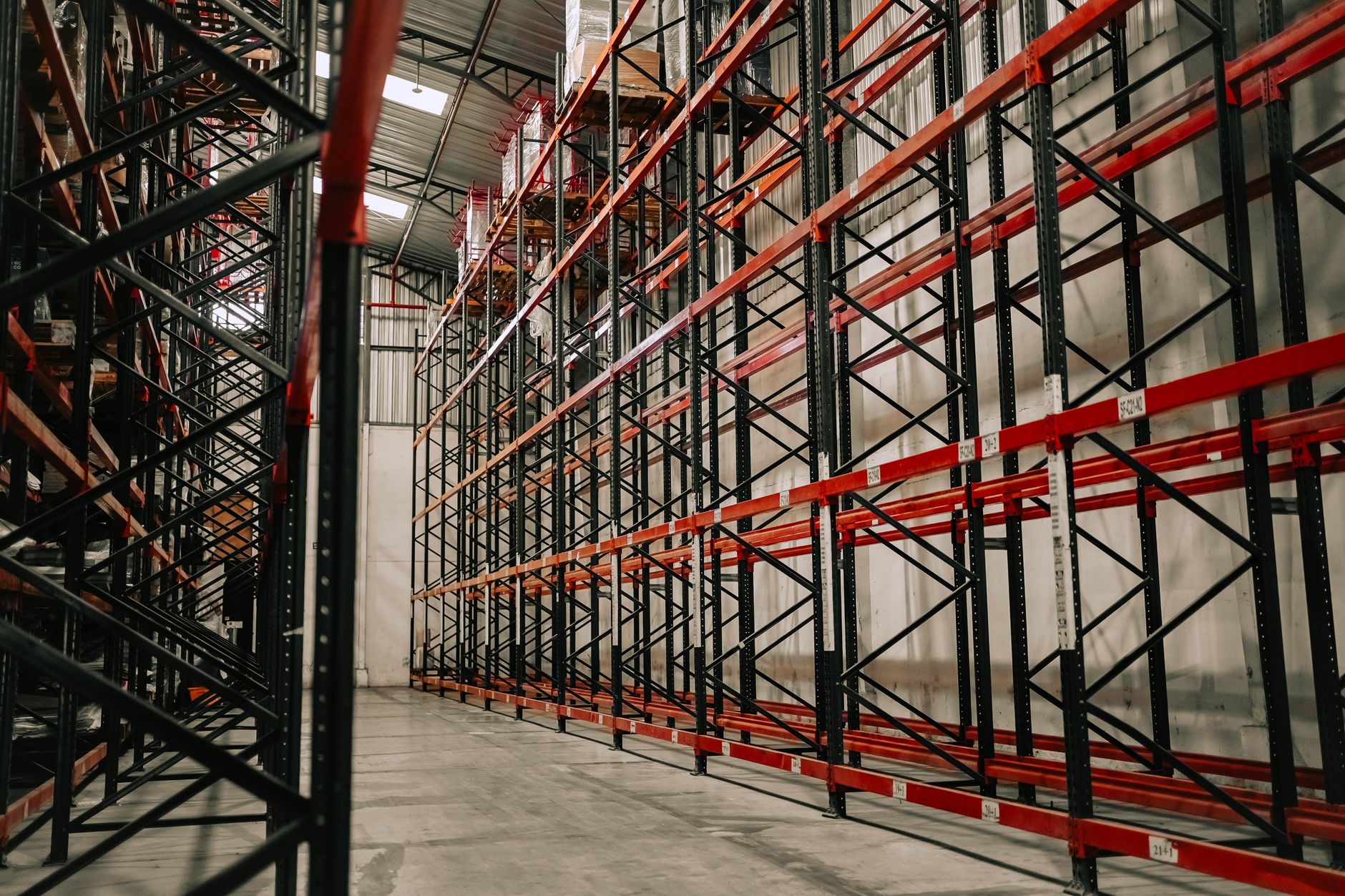
Bread route depots run in bursts. A truck pulls in, wheeled racks get loaded and rolled out, and then the floor goes quiet for a stretch. Flour, crumbs and packaging debris collect in the gaps between racks faster than a crew can clear them during a loading wave.
A compact floor robot can work those gaps, but only under three conditions. The aisles need a map, the runs need to fit the lulls between waves, and rack movers need lanes of their own. Get those three right and the sweeper becomes a steady part of the floor routine.
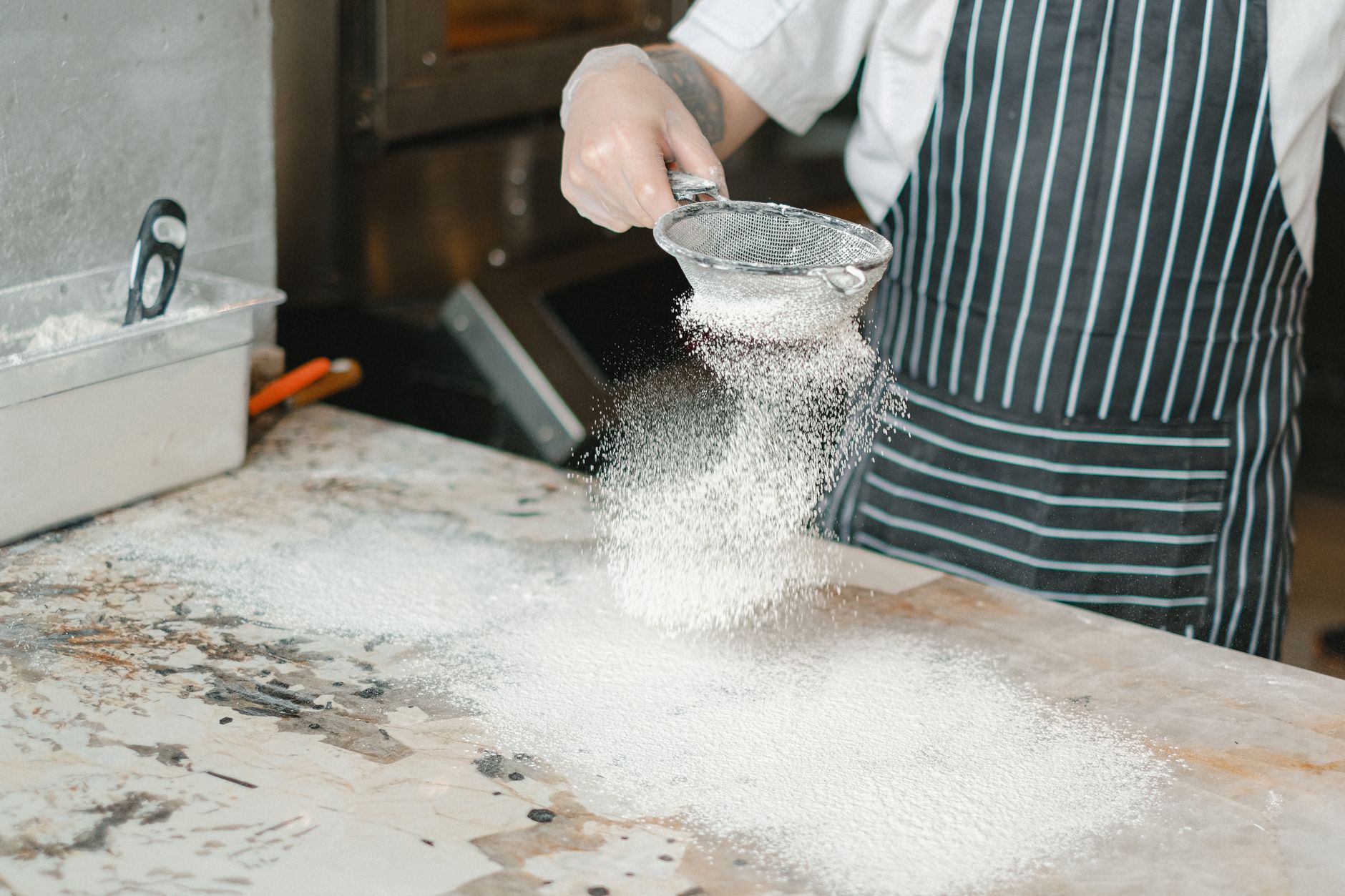
The stakes go beyond tidiness. Flour is a combustible dust, and accumulation is what turns a messy floor into a hazard. The sections below cover why dust control matters, how a sweeper gets mapped into the racks, when it should run, how rack movers stay clear of it, and how a leased unit reaches the floor.
Why does flour dust need more than a broom?
Flour is on OSHA's list of combustible agricultural dusts, alongside wheat, rye, rice, oat and potato flour, according to a bakery trade publication. An older OSHA-linked bulletin lists housekeeping to control dust accumulation among the causal factors in dust incidents. One OSHA official is quoted saying that when dust is not allowed to accumulate, the chance of a combustible dust explosion is vastly reduced.
That bulletin is an archived document, so check the wording on osha.gov before quoting it in a written procedure.
Compressed air is the habit that gets depots into trouble. A bakery trade article warns that dust risk rises when compressed air is used to blow flour off overhead pipes and supports on slow days, and it recommends vacuuming and dust collection instead. A floor sweeper will not reach those overhead surfaces, but it can keep the floor from becoming fuel.
Enforcement is not theoretical. According to an OHSOnline report, a bakery was fined $229,400 in 2011, partly for excessive accumulations of combustible flour dust. That case is more than a decade old, so treat it as an example, not a benchmark.
How does a compact sweeper get mapped into the racks?
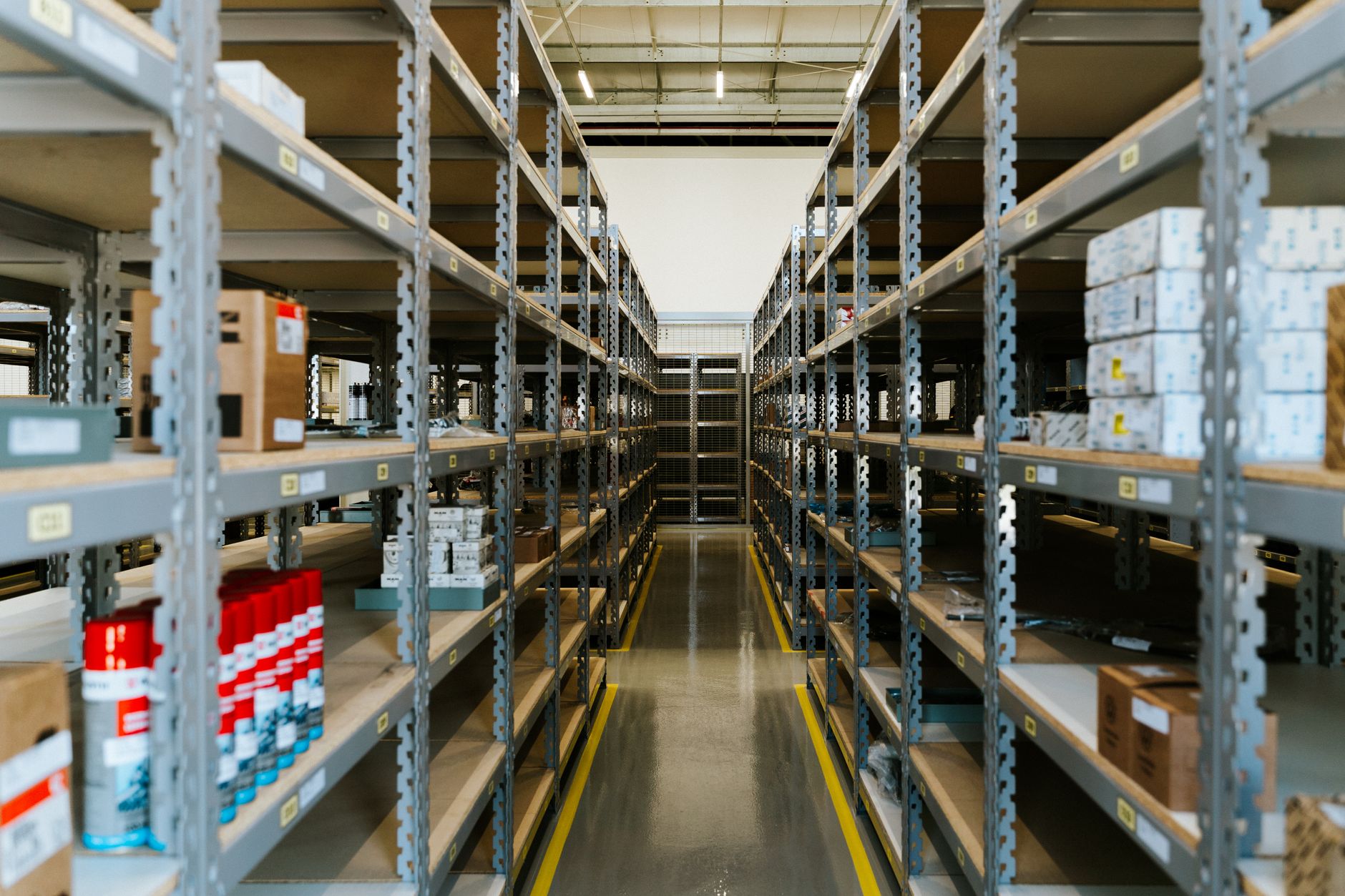
The first job is a site walk, not a machine choice. Walk the aisles while the racks sit where they normally park, because a layout that looks open on an empty floor can narrow fast once wheeled racks are staged. Once the gaps are measured, match the robot to them: a compact unit is the class to test in tight aisles, and any model should be checked against those measurements using its own published specification sheet.
Record these on the floor, not from a drawing:
- Where racks park between waves, and whether they return to the same spots
- Drain covers, floor transitions and dock plate edges along each route
- Any ramp or slope near the dock doors
- Spots where flour, crumbs or packaging are dropped most often
- The narrowest gap the sweeper must pass
When should the sweeper run around loading?
Run it in the gaps. The strongest window is the lull after a wave clears and before rack movers bring the next load in. A depot with an overnight wave can hand the sweeper the empty floor afterward, and a depot without one may find a midday lull that works.
Build the schedule from the depot's own pattern rather than a clock time copied from elsewhere. Note when trucks arrive, when racks park, and when crews stage product, then choose the slot that stays clear the longest. A short trial on one aisle block will show whether that slot holds up across a full week of waves.
How do rack movers and the sweeper share the floor?
The rule is simple: the sweeper never runs in a lane a rack mover is using. Painted lanes, a fixed start point, and a plan that has the sweeper stop and yield whenever a mover approaches keep the two from meeting. Crews should learn the route and the stop behavior before the first run, not during one.
Housekeeping rules back this up. A vendor-published guide to food industry OSHA standards cites 1910.22 on walking-working surfaces, which calls for them to be clean, orderly and sanitary, and 1910.263 on bakery equipment, which covers combustible dust risk. The guide is written by a vendor, so verify the wording on osha.gov before citing it in a plan.
What do the robot market figures say?
According to IFR figures reported by Supply Chain Digital and in an IFR release on Business Wire, overall professional service robot shipments rose 24% to almost 250,000 units, and professional cleaning ranked third with a 12% share. IFR notes that its service robot data is sample data, not projected to the whole industry, and that figures from separate World Robotics reports should not be compared directly.
For a depot operator, that means cleaning is a mainstream category with real market weight, not a fringe test. The numbers cannot tell you whether a sweeper fits your aisles, though. That answer comes from your floor map and your loading pattern.
How does a leased sweeper reach a bread depot floor?
Service Robot Co. is a full-service commercial robot integrator for US businesses. We are OEM-neutral, so the robot is picked for the floor in front of us. We then lease it through financing, deploy and integrate it, train the crew, and service every unit under RoboCare, our service plan. One vendor covers the whole lifecycle instead of several separate contracts.
We lease on a 3-year lease, and the one fixed robot lease payment is quoted after a site assessment. For a depot, that assessment is where the aisle measurements, dust points and mover lanes from this article get recorded. A depot that wants proof first can start with one leased unit in one aisle block before committing across the building.
Frequently asked questions
Want a robot working for you?
Tell us the job and the site. We will recommend the robot, quote the lease, and keep it serviced.
Sources
- Business Wire, IFR World Robotics release
- Supply Chain Digital, IFR professional service robot sales
- OSHA-linked bulletin, archived copy (UNT Web Archive)
- Baking Business, Good housekeeping for safekeeping
- Baking Business, Preventing dust explosions in a bakery
- Nilfisk, food industry professional's guide to OSHA standards
- OHSOnline, bakery fined over flour dust accumulations