Key takeaways
- Yes, robotic floor care can work in arcades and FECs after close, but only on the open hard-floor portions of the building.
- Sticky drink residue, redemption clutter, cables, stools, and carpet transitions matter more than square footage alone.
- Most sites need a reset standard before launch, then a short human follow-up for edges, spills, mats, and prize zones.
- The practical win is consistency in the overnight window, not full labor elimination.
- An OEM-neutral integrator matters because FECs rarely have one simple floor type or one simple traffic pattern.
Yes, but only if the building is robot-ready before the first run
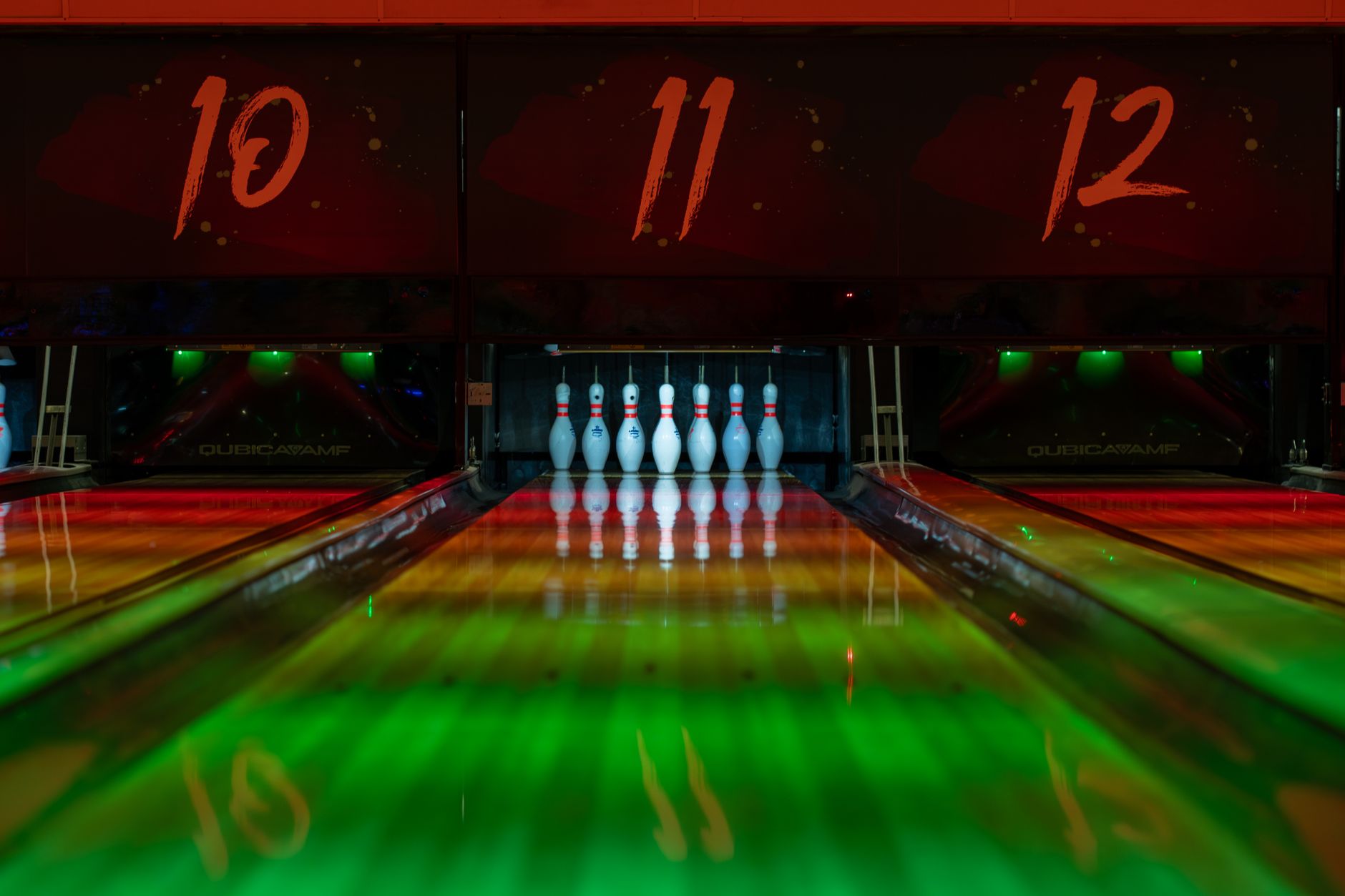
A robot can clean an arcade or family entertainment center after close. In the right setting, it can take over the repeatable hard-floor pass across arcades, midway aisles, redemption lanes, bowling concourses, and food-adjacent corridors. That is the direct answer operators want.
The catch is that FECs are not open-box retail. They pack narrow game rows, sticky spill patterns, carpet-to-tile transitions, stools, queue rails, prize counters, and last-minute furniture drift into a short overnight window. A robot is practical when the site gives it a consistent lane to run, a clear start and finish routine, and a crew member who still handles the messy exceptions.
For most arcades and FECs, the realistic target is not lights-out janitorial replacement. It is dependable overnight floor care on the biggest hard-floor areas, with human follow-up for edges, corners, under-game pinch points, fresh syrup spills, restroom detail, and anything soft-surface or heavily obstructed.
- Best fit: broad hard-floor aisles, redemption promenades, lobby spill lanes, bowling approaches outside the pin area, cafe seating zones after chairs are reset
- Poor fit: dense clusters of kiddie rides, tightly packed prize rooms, soft play interiors, carpet-heavy sites, and layouts that change every night
Why are arcades and FECs harder than other overnight cleaning environments?
Because the soil load is mixed and the geometry is awkward. You are not just dealing with tracked-in dust. You are dealing with sugar film, popcorn fragments, greasy snack transfer, paper prize debris, rubber from attraction areas, and moisture carried from drink stations into carpet seams and grout lines.
The operating window is also tighter than many buyers assume. Several U.S. arcade and family entertainment venues list midnight closing times and 10 or 11 a.m. opening times, which usually leaves about 10 to 12 hours for cash handling, game service, kitchen close, floor care, drying, and morning setup. One family entertainment center explicitly says it adjusted closing hours to allow extra nightly cleaning and sanitation. That is the real operational context.
There is also a visibility problem. FEC lighting, glossy finishes, and patterned floors can hide residue during the shift, then expose haze, wheel marks, and missed spots the next morning. A robot is good at repeating a route. It is not good at deciding that the slushie burst under skee-ball lane three needs a second chemistry pass and a towel finish.
What floor conditions make robotic cleaning practical?
The first gate is floor type. Robots are strongest on sealed hard surfaces with repeatable traffic paths. If the building is mostly polished concrete, LVT, epoxy, sealed tile, or broad-format hard flooring, the case is much better. If the building breaks constantly into carpet islands, rubber edges, raised transitions, and decorative thresholds, productivity drops fast.
The second gate is debris discipline. According to the Carpet and Rug Institute, routine vacuuming can remove 90 to 95 percent of dry soil from carpet, and high-traffic carpet should be vacuumed daily. That matters in FECs because dry debris from carpet migrates onto adjacent hard floors overnight. If the carpet zones are neglected, the scrub pass has to chase fresh dry soil that should never have reached the tile in the first place.
The third gate is traction and spill control. OSHA says employers must keep floors clean and dry, and the agency estimates its updated walking-working-surfaces rule will prevent 29 worker deaths and 5,842 lost-workday injuries each year. In an arcade, the slip issue is not abstract. Syrup, ice melt, and restroom drag-out create exactly the kind of same-level fall exposure that makes overnight floor quality a risk issue, not just a cosmetic one.
- Strong candidate: long uninterrupted hard-floor runs, limited threshold height, standardized closing reset, manageable clutter
- Weak candidate: frequent movable games or redemption bins, heavy cable exposure, deep carpet share, chronic after-close spills left for the night crew
What prep standards separate a good deployment from a failed one?
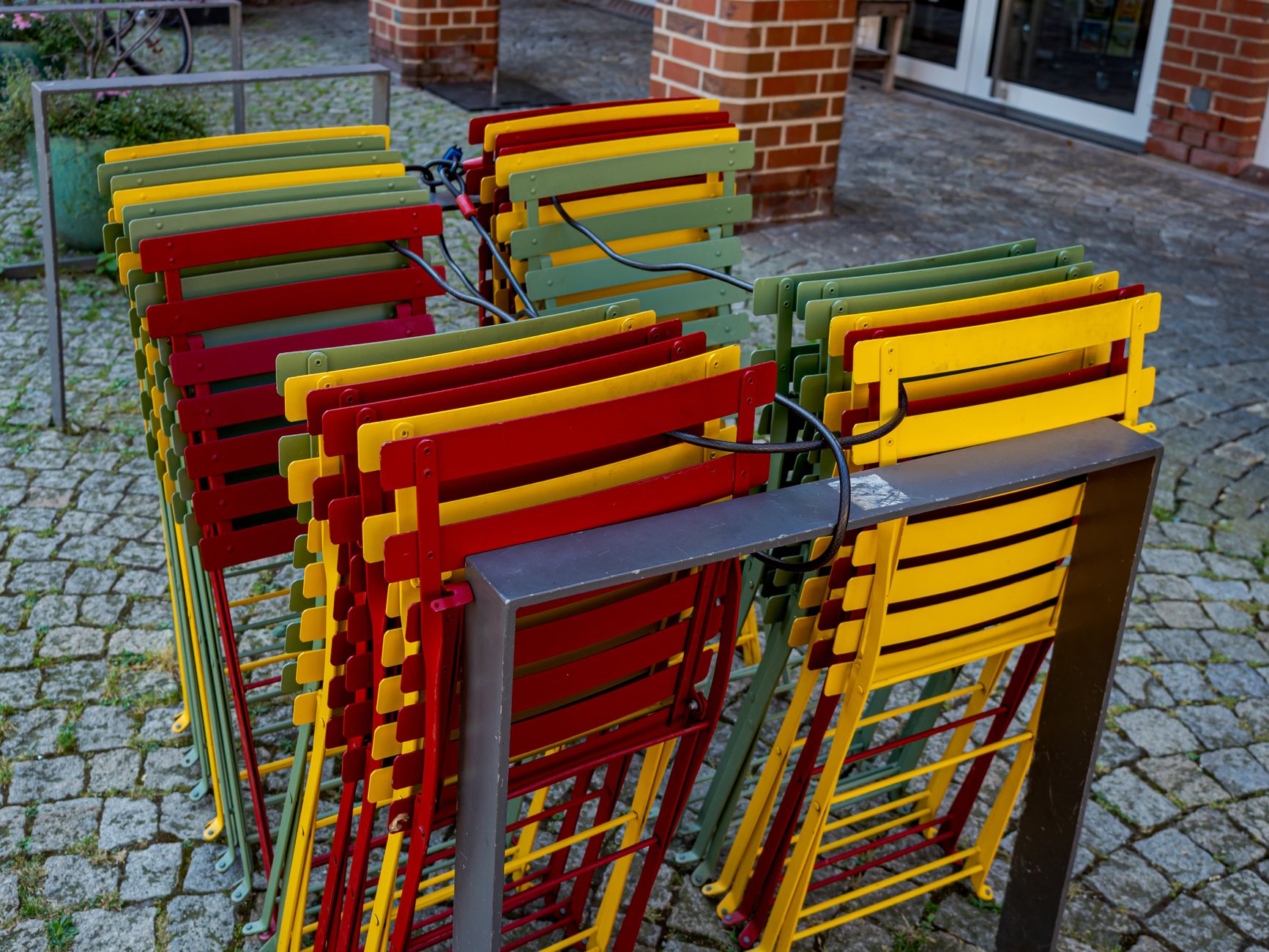
Prep is the whole game. In this niche, a robot usually fails because the facility behaves differently every night, not because the machine cannot scrub a floor. The closing crew has to leave the building in a known state. Chairs tucked. Prize carts parked in marked bays. Cords off the floor. Floor mats lifted or placed exactly where the route expects them. No open cash drawers, ladders, or mop buckets in the path.
You also need a spill triage rule. The robot should handle the standard soil load. It should not be sent blind into toppled soda, shattered glass, wet popcorn piles, or adhesive residue from event tape. According to the CDC, regular cleaning is enough in many facilities, but high-touch surfaces should be cleaned regularly and visibly dirty surfaces cleaned when soiled. For FECs, that means the robot owns the routine floor pass while staff still knocks down obvious problem spots before launch.
A useful prep standard is boring on purpose. Same dock point. Same fill and drain routine. Same map. Same obstacle zones. Same inspection checklist. Arcades that treat the robot like a nightly process tend to keep it running. Sites that treat it like a miracle box usually end up parking it.
- Create a close checklist for chairs, stools, mats, doors, cords, and prize stock
- Assign one person to verify the route is clear before the robot starts
- Tag recurring problem areas such as drink stations, self-serve prize hubs, and carpet edge blow-off zones
- Separate routine floor cleaning from incident cleanup so the robot is not delayed by surprises
Where does human follow-up remain unavoidable?
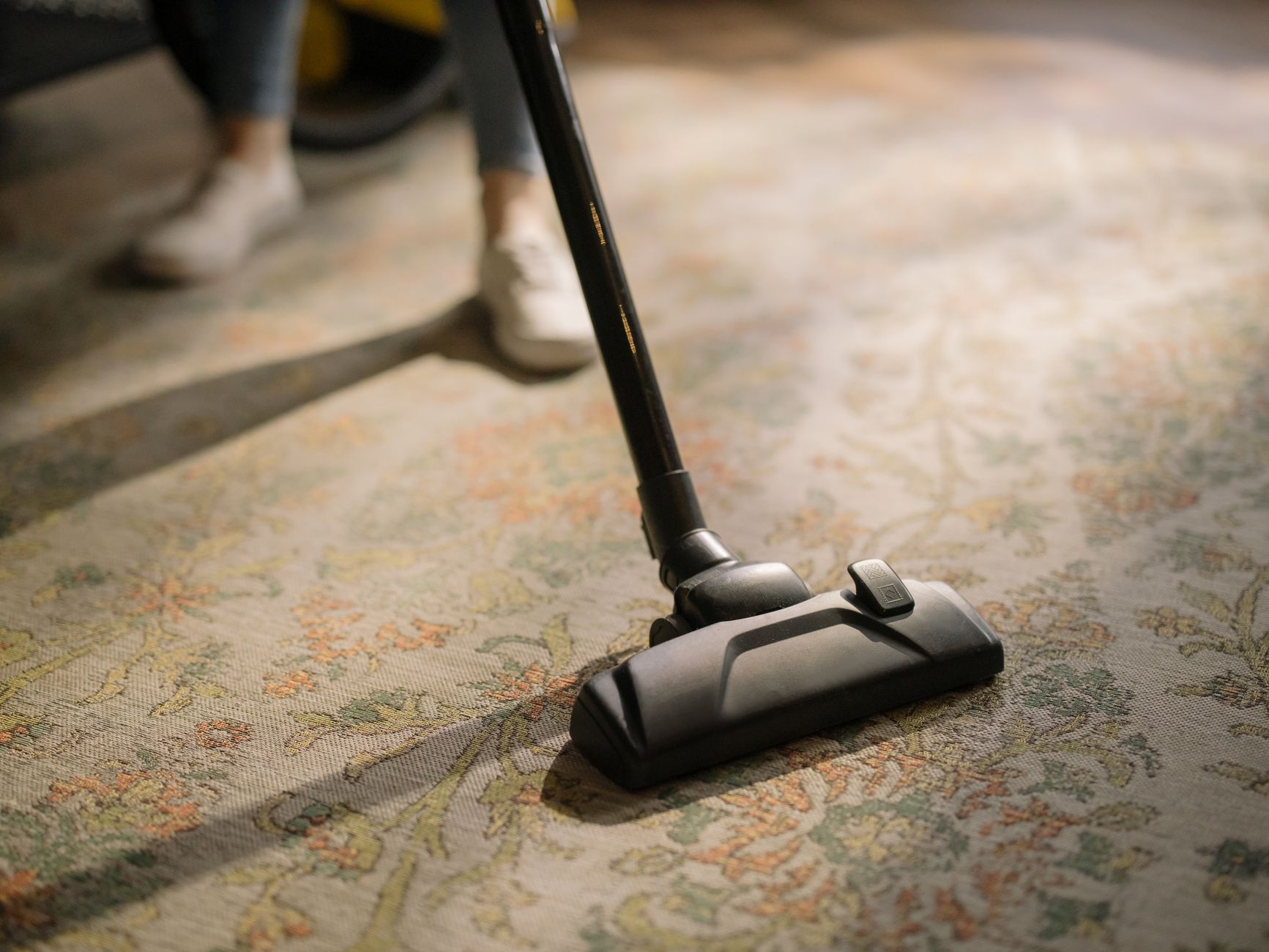
Edges and detail work come first. Narrow toe-kicks under cabinets, the dead space around redemption counters, the perimeter around ride bases, and the first few inches at carpet borders still need a person. The same is true for under-table geometry in party rooms unless furniture is fully reset.
Soft surfaces are another limit. CDC guidance for soft surfaces calls for appropriate cleaners and vacuuming, not a hard-floor scrub pass. That means carpet lanes, entry mats, upholstered waiting areas, and some attraction surfaces remain squarely in human or specialty-equipment territory.
High-touch disinfection is also a separate job. Floor robotics can improve floor consistency, but it does not replace wipe-down work on game controls, touchscreens, rails, prize counters, restroom touchpoints, and food-contact-adjacent surfaces. In other words, robotic cleaning helps the floor program. It does not finish the building on its own.
- Edge detailing and corners
- Spot treatment for syrup, gum, and adhesive residue
- Carpet vacuuming and extraction
- Restroom fixture cleaning
- Touchpoint wipe-downs on games, counters, rails, and kiosks
How should operators judge the pilot before they scale it?
Do not start with a chain-wide idea. Start with one site and measure the right things for 30 to 60 days. The real question is not whether the robot can move. It is whether the site can support repeatable overnight execution without constant babysitting.
Track route completion rate, exception count per night, average minutes of human pre-clear work, average minutes of human post-detail work, slip-complaint trends, and morning manager acceptance. Also track how often the robot is prevented from running by late kitchen close, event reset, or blocked aisles. Those are management signals, not machine trivia.
A good pilot in this niche usually shows three things. The robot covers the same hard-floor zone consistently. The crew spends less time on repetitive open-floor scrubbing and more on detail cleaning. Morning floor appearance becomes more uniform, especially on broad aisles and front-of-house approaches.
Where Service Robot Co. fits when the floor plan is complicated
Arcades and FECs are exactly the sort of environment where a generic unit sale can go sideways. The hard part is matching the route, floor mix, service model, and staffing reality to the right machine and support structure. Service Robot Co. works as an OEM-neutral commercial robot integrator for U.S. businesses, so the decision starts with fit, not with forcing one manufacturer into every building.
That matters here because one FEC may need a compact machine for narrow arcade lanes, while another needs broader overnight coverage and stronger service backup across multiple sites. Service Robot Co. can finance, deploy, integrate, train, and service the fleet through a nationwide U.S. engineer network, which gives operators one partner across the lifecycle instead of stitching together equipment, onboarding, and repair from separate vendors.
What a realistic rollout looks like
The cleanest rollouts are phased. First comes a site assessment and a hard look at floor mix, obstacles, and close procedures. Then comes a pilot map on the largest repeatable hard-floor zone. Only after the team proves the prep standard should the operator widen the route or add more sites.
This is where an article about a scrubber robot turns into an operations article. If the building cannot hold a stable closing reset, the answer is not more faith in autonomy. The answer is fixing the nightly routine. Once that is in place, robotic floor care can be very practical in this niche, especially for operators trying to keep overnight floor care consistent without stretching the crew across every aisle by hand.
So, can a robot clean an arcade and FEC after close? Yes. On the right floors, with the right prep, and with honest expectations about what still belongs to people. That is the practical buying standard.
Frequently asked questions
Sources
- OSHA Walking-Working Surfaces
- CDC Facility Cleaning Guidance
- Carpet and Rug Institute Vacuuming Guidance
- Carpet and Rug Institute Indoor Air Quality Facts
- IAAPA North America Economic Impact Study
- Family Fun Center of Lakeland Hours and Cleaning Note
- Cidercade Arlington Hours
- Atlantis Family Entertainment Fun Center Hours