Key takeaways
- Yes, robotic floor care can work in tractor dealerships, but only when the floor plan is split by zone and by mess type.
- Showroom concrete, parts aisles, and wide customer paths are usually the best first targets.
- Service bays with active repairs, oil, hoses, and heavy traffic still need a human-led cleaning layer.
- Good entry mats, drain control, and route design matter as much as the robot itself.
- An OEM-neutral integrator matters in this niche because one machine rarely fits every dealership layout and risk profile.
The short answer for dealers
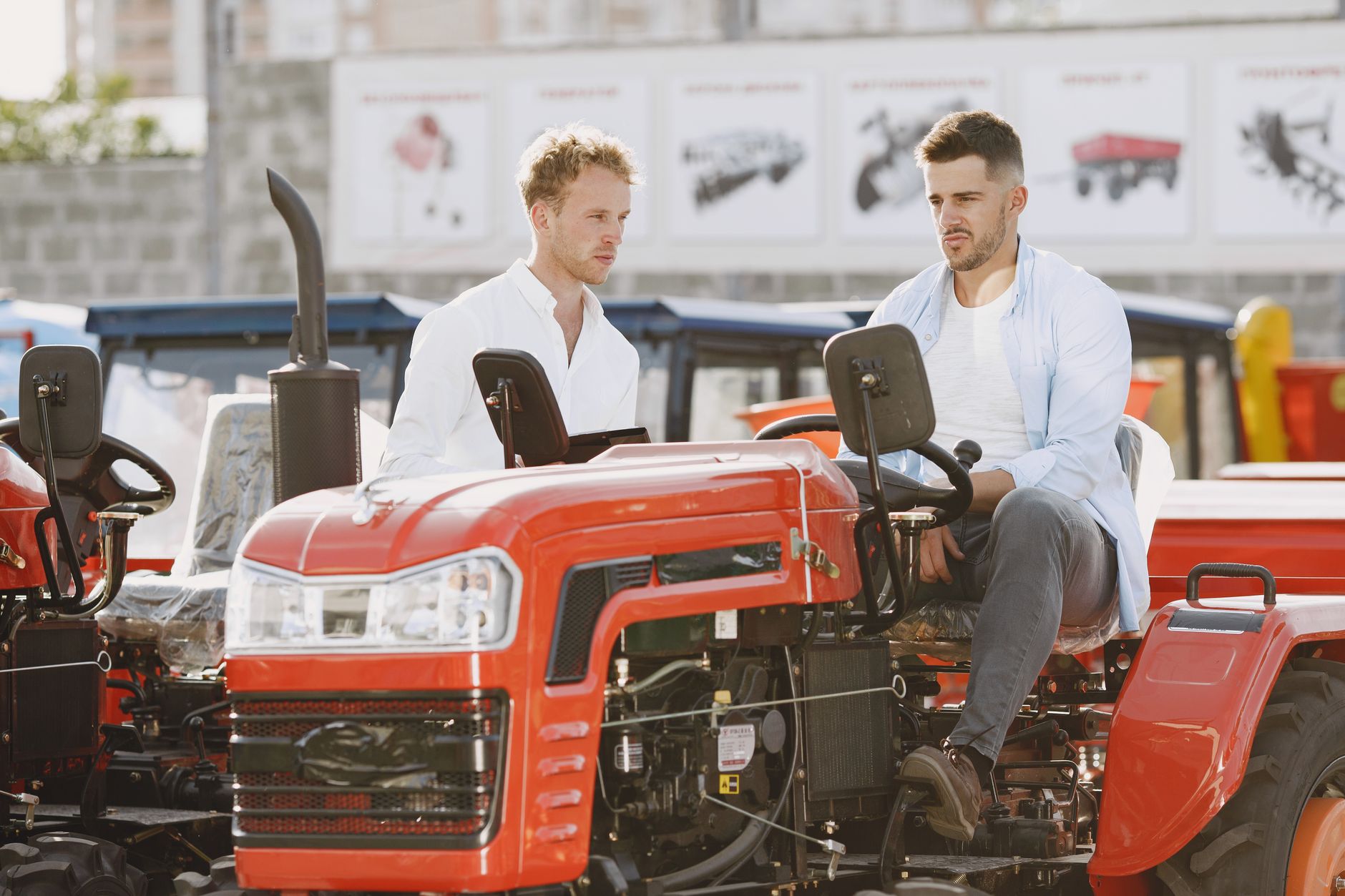
Yes. A robot can handle a meaningful share of floor care in a tractor dealership, especially on polished or sealed concrete in the showroom, parts floor, central customer aisles, and other repeatable paths. It is not a magic machine for every square foot. It is a scheduled floor-care tool that works best where traffic patterns are predictable and the mess is frequent but manageable.
The weak spots are just as important. Fresh mud clumps, active service bays, oil drips, hoses, pallet jack congestion, and tight spaces around equipment displays can knock a robot out of its sweet spot. In a dealership that mixes customer-facing space with wrench-turning space, the right question is not can one robot clean the whole building. It is which zones should run autonomously, which zones stay manual, and how the handoff works between them.
That distinction matters because these sites are not ordinary retail. The floor has to support brand presentation up front and heavy, dirty work in the back. A robot earns its keep here when it protects showroom standards every day, takes repetitive scrubbing off the team, and leaves the messy exceptions to people.
Why this niche is harder than ordinary retail
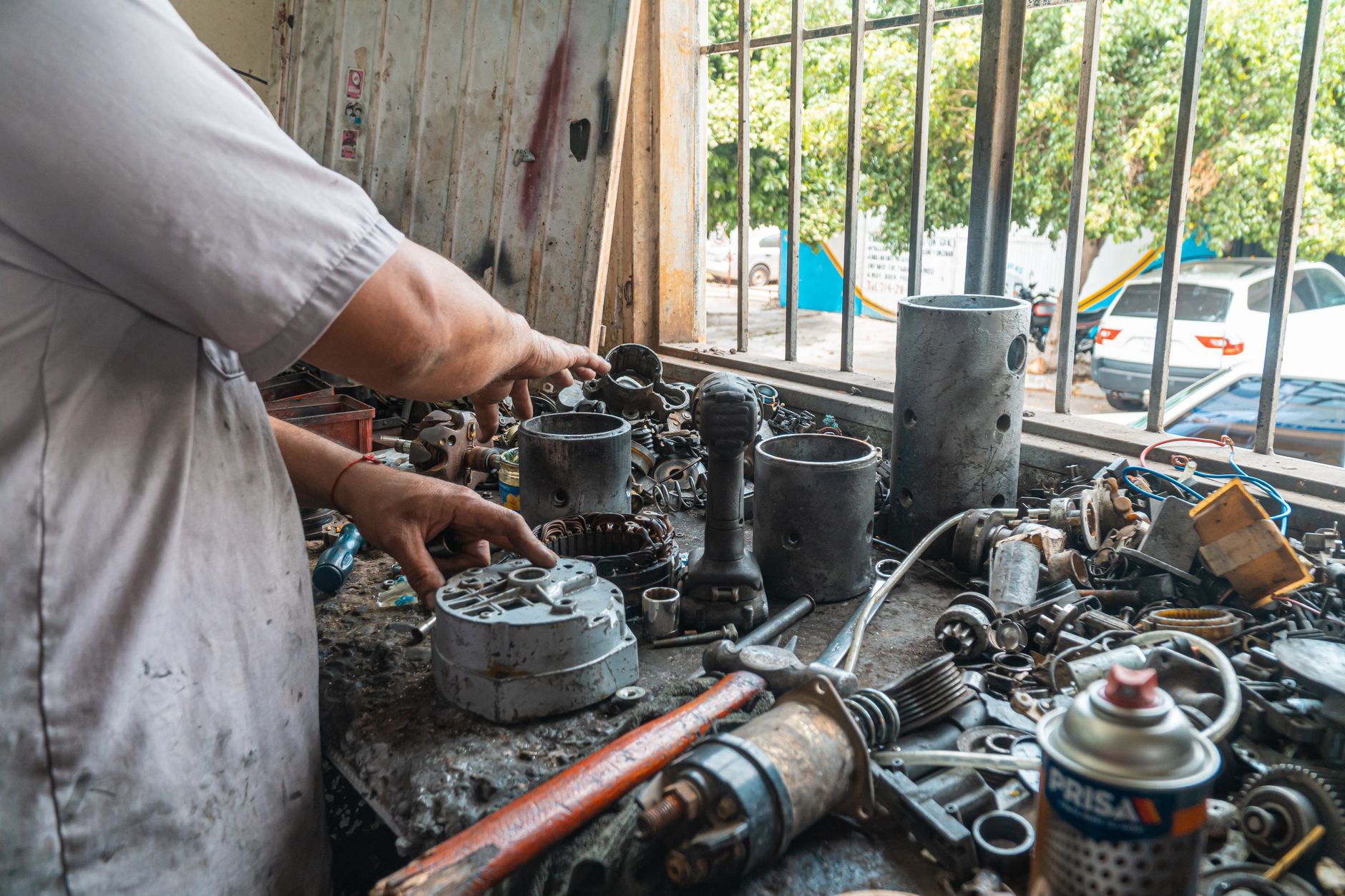
A tractor dealership lives in several worlds at once. One side sells expensive iron under bright lights. Another side moves filters, belts, tires, and boxed parts across counters and aisles. Another side pulls in machines carrying field mud, gravel, crop residue, and wet tires. That mix creates a floor-care problem with sharper edges than a normal store or warehouse.
The equipment-dealer trade itself reflects that operational spread. The North American Equipment Dealers Association describes itself as the largest equipment dealers association in North America, serving agriculture, construction, industrial, forestry, and outdoor power equipment. Its August 2026 site also advertised Parts Counter Sales Training and Service Counter Sales Training, which is a useful reminder that the parts desk and service counter are not side rooms. They are core dealership operations with constant foot traffic and visible standards.
The broader market is substantial too. U.S. Census data for NAICS 4238 shows 55,426 employer establishments in machinery, equipment, and supplies merchant wholesalers in 2023. Not all of those are dealerships, but it is a good measure of how large the machinery-and-equipment trade is and why floor presentation and safety discipline matter.
Which dealership areas are good robot territory
The best first zones are usually the ones that look obvious after a site walk. Showroom loops, wide parts aisles, customer waiting areas, front-entry runs, and long interior concrete paths tend to reward autonomous scrubbing. They have enough open space, repeated travel patterns, and a cleanliness standard that benefits from daily consistency.
This is also where a robot helps the brand. A dusty parts floor or dull showroom slab quietly says neglect, even when the inventory is strong. A machine that runs on schedule after close, or in quiet daytime windows, keeps the visible floor from drifting downhill between manual deep cleans.
The operating logic is simple. Let the robot own the repeatable work, then let staff handle edges, spot cleanup, mat changes, corners, display perimeters, and surprise messes. That division is what makes robotic floor care practical in an equipment dealership instead of frustrating.
- Showroom concrete with broad turns and minimal clutter
- Parts counters with adjacent open queue space
- Customer paths from front door to sales and service desks
- Long hallways, back-of-house connectors, and indoor receiving lanes that stay dry
- After-hours runs where the route can repeat with little interruption
What mud drag-in and service-bay residue change
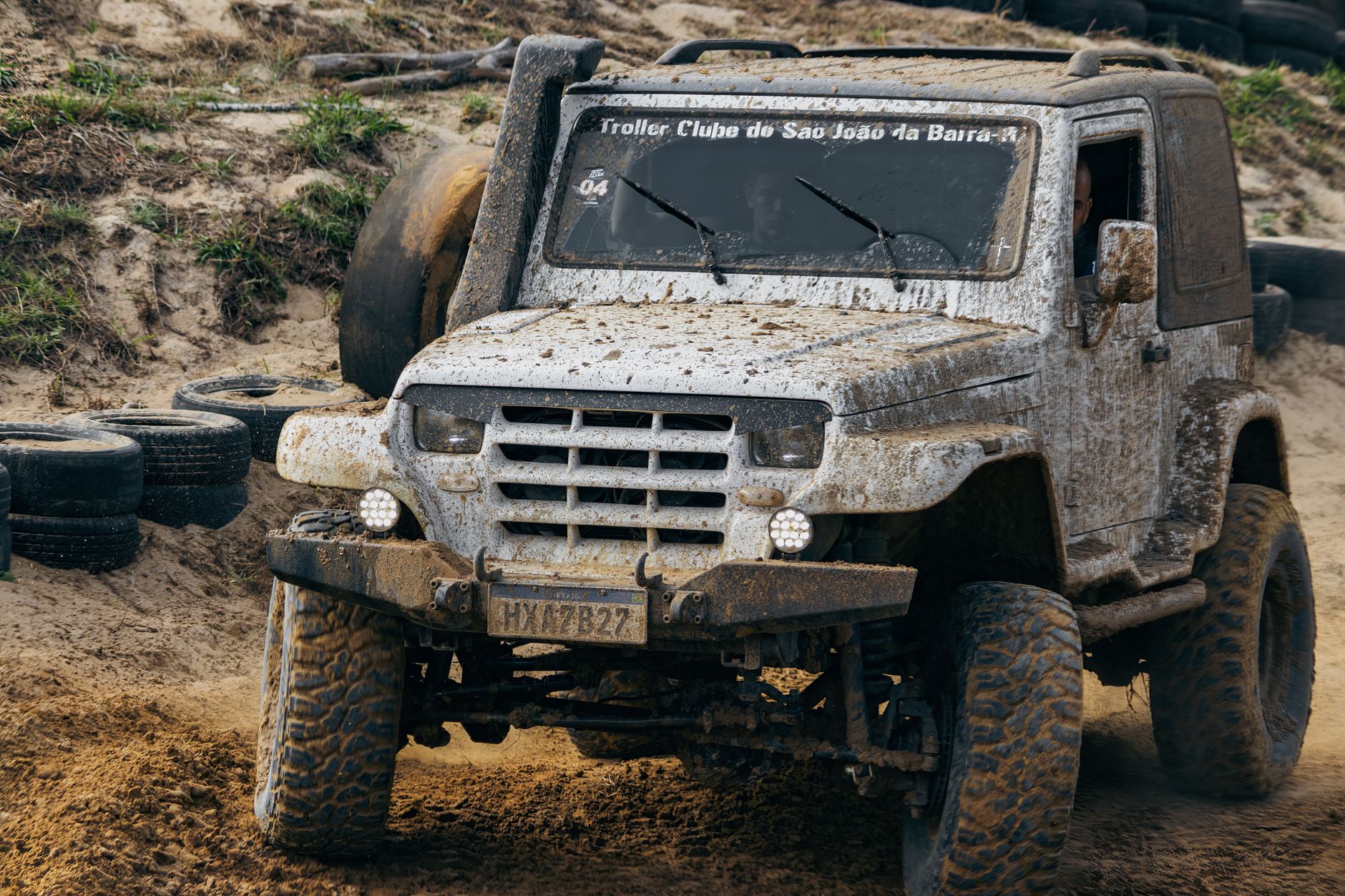
Field dirt is the real test. A robot can deal with ordinary tracked-in dust and light soil. It struggles when the floor gets hit with heavy chunks of mud, wet debris, zip ties, shop rags, or fluid leaks that should be handled immediately and intentionally. Those are exception events, not route events.
OSHA is blunt about floor hazards. Its warehousing guidance says employers should keep floors and aisles clear of clutter, cords, hoses, spills, and other slip and trip hazards, and where floors may be wet or slippery, maintain drainage and use mats or platforms. For a dealership, that means the robot should enter a bay or receiving area only after the site has controlled the basics. If hoses, tools, and fluid spots are normal conditions, autonomous cleaning is the wrong lead layer there.
EPA guidance on indoor air quality offers another practical point. It recommends large walk-off mats at entrances to trap dirt and moisture and notes that frequent-use areas should be cleaned more often. That is highly relevant for tractor dealers in rain, snow, and harvest seasons. Good matting is not an accessory. It is part of the robot program, because stopping grit at the door is far cheaper than asking any machine to chase it through the building all day.
What does a workable floor-care program look like
The cleanest deployments usually separate the building into three bands. Band one is autonomous-first space. That is the showroom, parts floor, and other predictable runs. Band two is hybrid space, where a robot handles the open path but staff pre-check the area and follow with detail work. Band three is manual-first space, often the active service bay and any zone with fluids, lifts, hoses, or constant obstruction.
This is not overcomplication. It is how you keep the robot from being judged on jobs it should never own. According to the Bureau of Labor Statistics, the U.S. had 2,447,700 janitors and building cleaners in 2024, with a median hourly wage of 17.27 dollars and about 351,300 openings projected each year over the decade. That labor picture is exactly why dealerships look at automation in the first place. The win is not zero people. The win is moving scarce labor off repetitive open-floor scrubbing and onto the harder tasks people still do better.
In practice, many dealers do best with scheduled autonomous runs before open, after close, and in narrow daytime windows. During harvest, mud season, or snow events, the schedule may tighten around entrances and customer paths while bays stay manual. The program should flex with the season, not pretend February looks like July.
- Autonomous-first: showroom, parts aisles, customer circulation paths
- Hybrid: receiving-adjacent corridors, wide service approaches, waiting areas near shop traffic
- Manual-first: active bays, fluid-prone work zones, tight display clusters, cluttered storage areas
Safety and presentation are the real business case
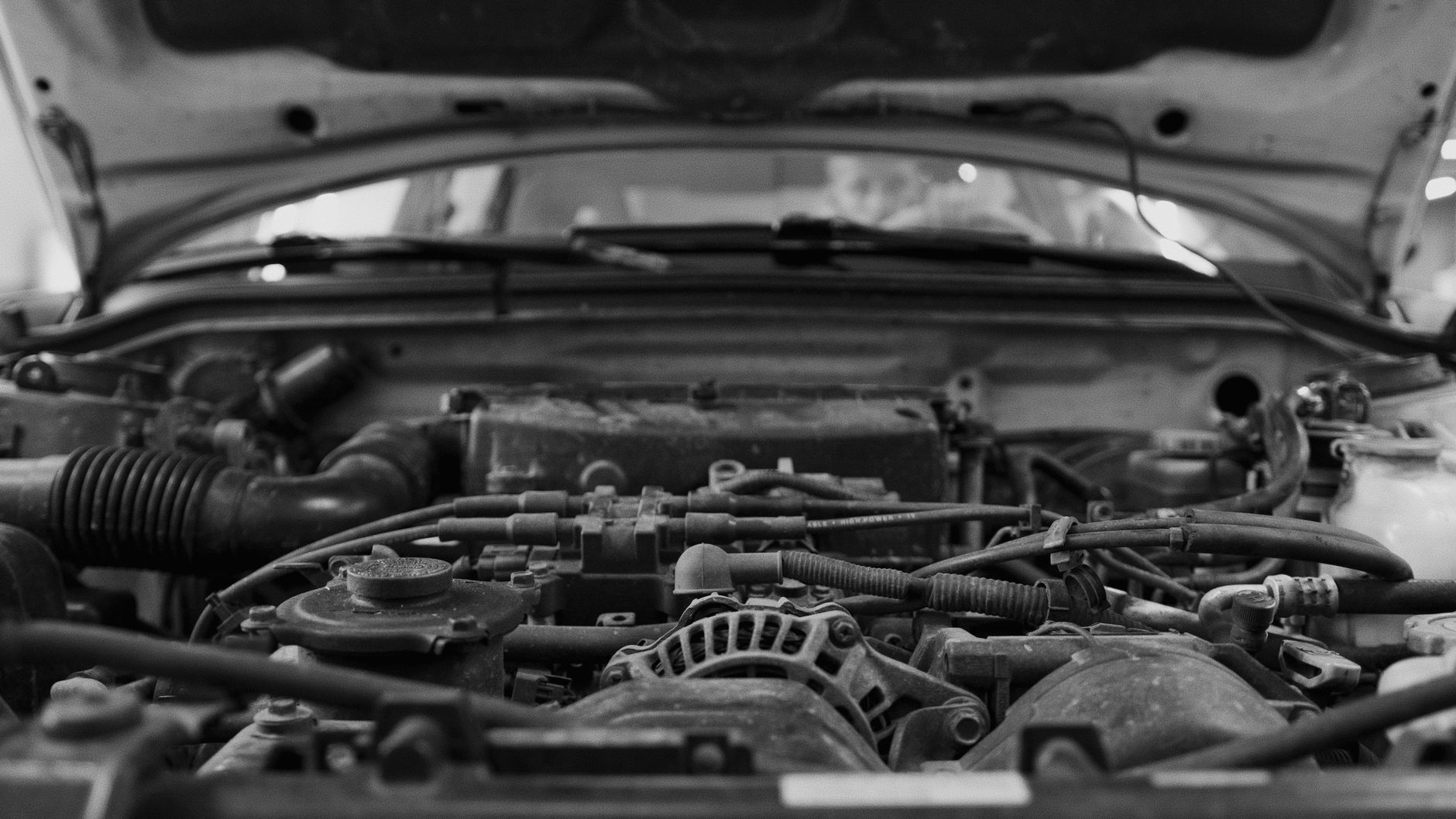
The best argument in a tractor dealership is not novelty. It is floor condition, safety, and consistency. OSHA says its walking-working-surfaces rule is expected to prevent 29 worker deaths and 5,842 lost-workday injuries each year across general industry. A dealership does not need an abstract lecture to understand that. It lives with wet boots, tire tracks, metal filings, and customer traffic every day.
There is also the sales-floor side. A tractor dealership sells trust. Customers notice the details before they say they do. Clean concrete under a six-figure machine reads differently from smeared dust and tracked-in mud. The same goes for the parts counter, where buyers often judge responsiveness and professionalism in under a minute.
That is why robotic floor care makes sense here when it is treated as an operations tool, not a gadget. It keeps the visible floor from slipping between shifts and helps the team protect both safety and presentation without adding another repetitive nightly push-machine task.
Where Service Robot Co. fits
This niche is a strong case for an OEM-neutral integrator. Tractor dealerships rarely present one tidy use case. Some have broad polished showrooms and compact parts counters. Others lean hard toward service revenue and pull in dirt all day. A machine that works beautifully in a front-of-house loop may be the wrong fit for a receiving corridor or a bay approach.
Service Robot Co. is built for that kind of decision. We are a full-service commercial robot integrator for U.S. businesses. We pick the right robots across manufacturers, then finance, deploy, integrate, train, and service every unit through a nationwide U.S. engineer network. One vendor handles the lifecycle, which matters when a dealer wants floor-care accountability without juggling multiple manufacturers, finance contacts, installers, and service firms.
That matters after go-live too. In a dealership setting, route edits, seasonal changes, staff training, and on-site service are not small details. They decide whether the robot becomes a dependable part of the building routine or an expensive thing parked against a wall.
How a dealer should decide
Start with the floor, not the brochure. Measure the open concrete that repeats every day. Note where mud enters, where hoses stay out, where customers queue, and where the site can actually support a scheduled run. Then ask a harder question. If the robot cleaned only the best 30 to 50 percent of your floor-care workload, would that still move the operation forward. In many dealerships, the answer is yes.
That is the practical view. Robotic floor care in a tractor dealership is not all or nothing. It works when the site respects zoning, keeps entrances controlled, and uses autonomy for the work that is broad, repetitive, and visible. It fails when the building expects one machine to absorb every kind of mess from the front door to the service pit.
So the answer is clear. A robot can handle floor care in a tractor dealership. It just should not be asked to handle all of it.
Frequently asked questions
Sources
- BLS Occupational Outlook Handbook: Janitors and Building Cleaners
- OSHA Warehousing Hazards and Solutions
- OSHA Walking-Working Surfaces FAQ
- North American Equipment Dealers Association
- Associated Equipment Distributors
- EPA Indoor Air Quality Coordinator's Guide Section 3
- U.S. Census Bureau Profile for NAICS 4238