Key takeaways
- AMRs fit best in the repeatable links around a yard, not in every outdoor movement.
- The strongest first uses are will-call staging, returns triage, counter-pickup handoffs, and parts runs inside attached warehouses.
- Safety and uptime matter more than demo speed in dusty, mixed indoor-outdoor operations.
- A phased autonomous mobile robot rollout usually beats a big-bang yard automation project.
- An OEM-neutral integrator matters when you need robot deployment and integration across mapping, doors, workflows, training, and service.
Yes, but only in the parts of the yard that repeat
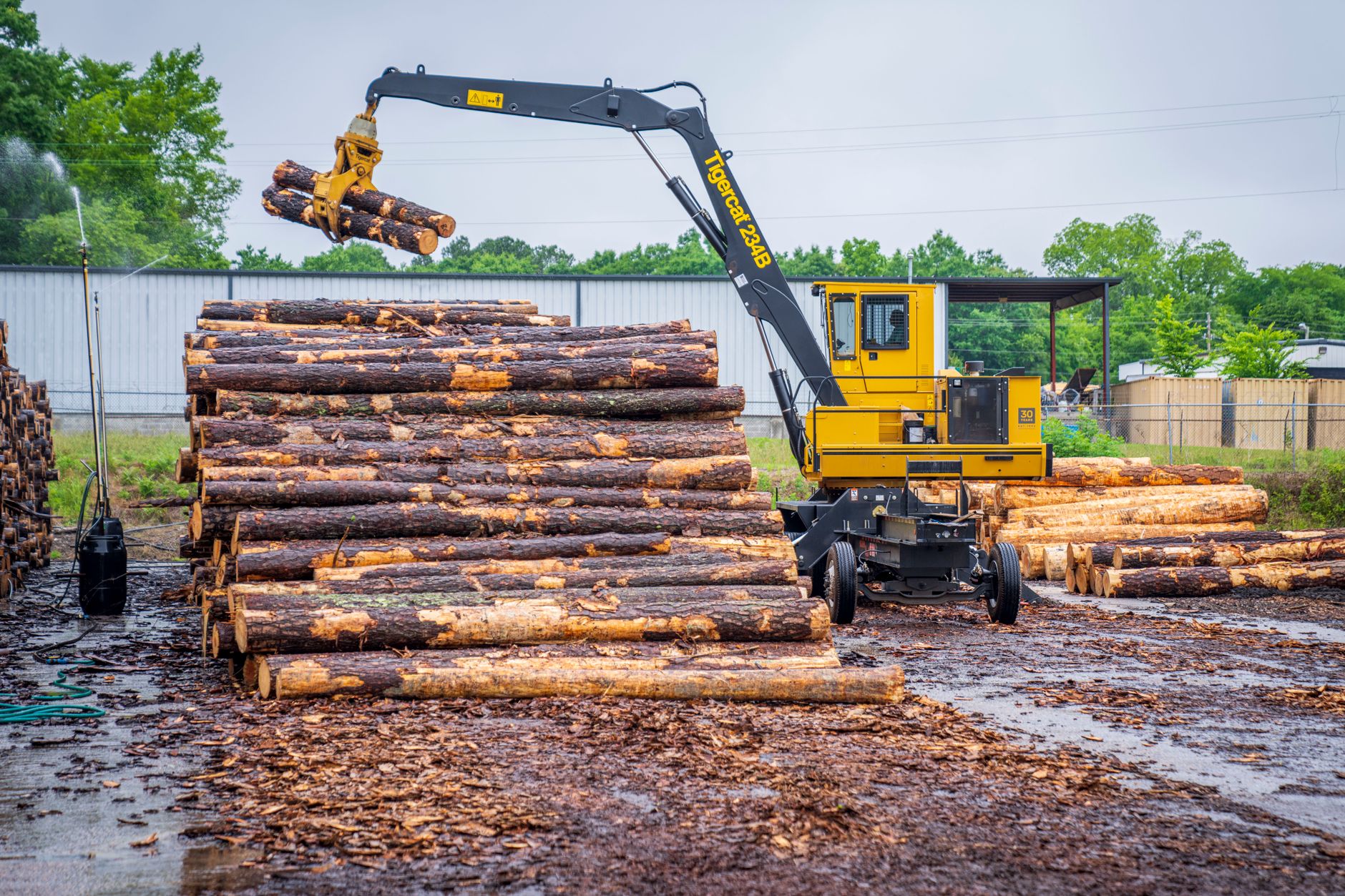
AMRs can help a building supply yard run faster, but not by trying to replace every forklift, flatbed, and loader in the open yard. They earn their keep in the repetitive links around the yard. Think counter pickups that trigger the same short runs all day, will-call orders that need to move from pick complete to customer-ready, returns that clog receiving, and parts movement inside attached warehouses where routes are tighter and more predictable.
That distinction matters. Building supply operations are messy by nature. Orders mix pipe, bagged goods, fasteners, doors, trim, and damaged returns. Traffic swings by hour and weather. Crews arrive in pickups, stake beds, and trailers. A good AMR program does not force that mess into a polished warehouse demo. It takes the dull, recurring transport work out of the middle so people spend more time on exceptions, customer contact, and safe loading.
The market pressure is real. The U.S. Census Bureau reported total construction spending at a seasonally adjusted annual rate of 2.1665 trillion dollars in June 2026. The same government data set shows 55,545 U.S. employer establishments in building material and supplies dealers, and the Bureau of Labor Statistics shows building material and garden equipment and supplies dealers employed 1.3528 million people in June 2026. This is a big, labor-heavy sector. Small gains in travel time and order handoff discipline compound quickly.
Where does an AMR actually fit in a supply-yard workflow?
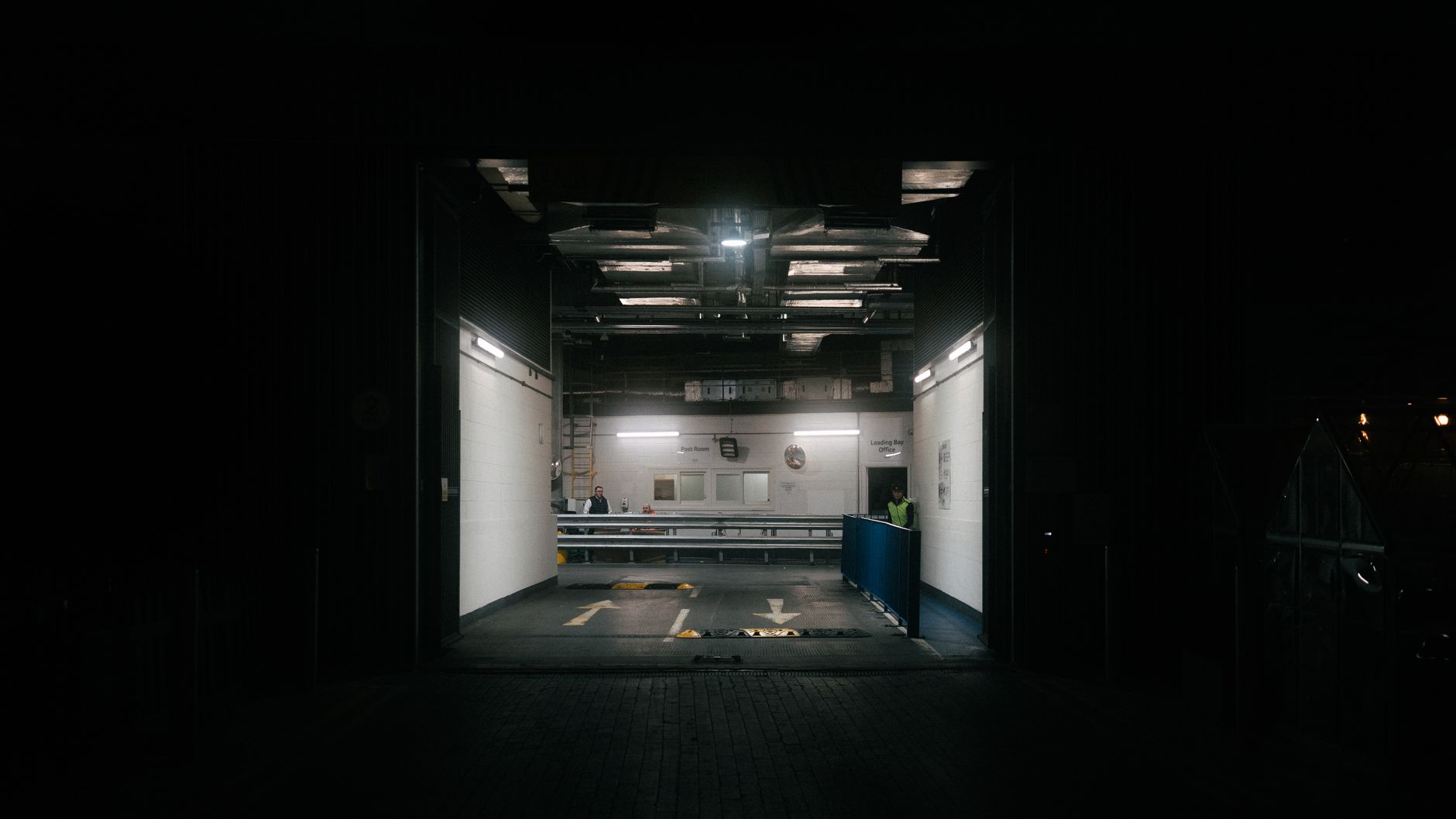
The best AMR use cases sit in the seams between customer-facing work and back-of-house movement. They are not glamorous, which is exactly why they work. These tasks happen often, follow a limited route set, and create queueing when staff get pulled away.
In many yards, the first win is not outdoor transport across gravel and weather. It is the short repetitive movement between the sales counter, attached warehouse, will-call area, returns desk, repair bench, or parts cage. Those moves are frequent enough to matter and structured enough to automate.
- Counter pickup support: move picked small-order items from the attached warehouse to a secure pickup handoff zone near the pro desk.
- Will-call staging: shuttle completed order tubs, cartons, or tagged components from pick zones to staging lanes so staff are not walking orders forward one at a time.
- Returns handling: carry returned items from intake to inspection, restock, quarantine, or vendor return lanes.
- Parts movement: run replacement parts, labels, documents, scanners, and consumables between service areas, cages, and warehouse zones.
- Cross-building replenishment: move fast-moving small goods from reserve storage to indoor pickup shelves on a fixed cadence.
Why not automate the whole yard?
Because the open yard is where variability piles up. Forklifts cut across lanes. Bundles overhang. Mud, glare, rain, and dust change the surface and the sightlines. Customer vehicles stop in the wrong place. A path that looked stable at 8 a.m. is blocked by mixed product at 10:30.
That is why the first practical target is usually the indoor-outdoor edge, not the far end of the lumber lane. Covered pickup zones, breezeways, fenced transfer corridors, receiving aprons, and attached warehouses give AMRs a better shot at dependable travel. You get most of the labor benefit from the repetitive middle of the trip, while leaving the last-touch loadout work to people and conventional equipment.
This is also a safety argument. OSHA notes that forklift overturns account for about 25 percent of forklift-related deaths. AMRs are not a magic substitute for forklifts, but they can reduce some of the low-value pedestrian and cart movement that otherwise competes for space around powered industrial trucks and loading areas.
What operating signs say a yard is ready?
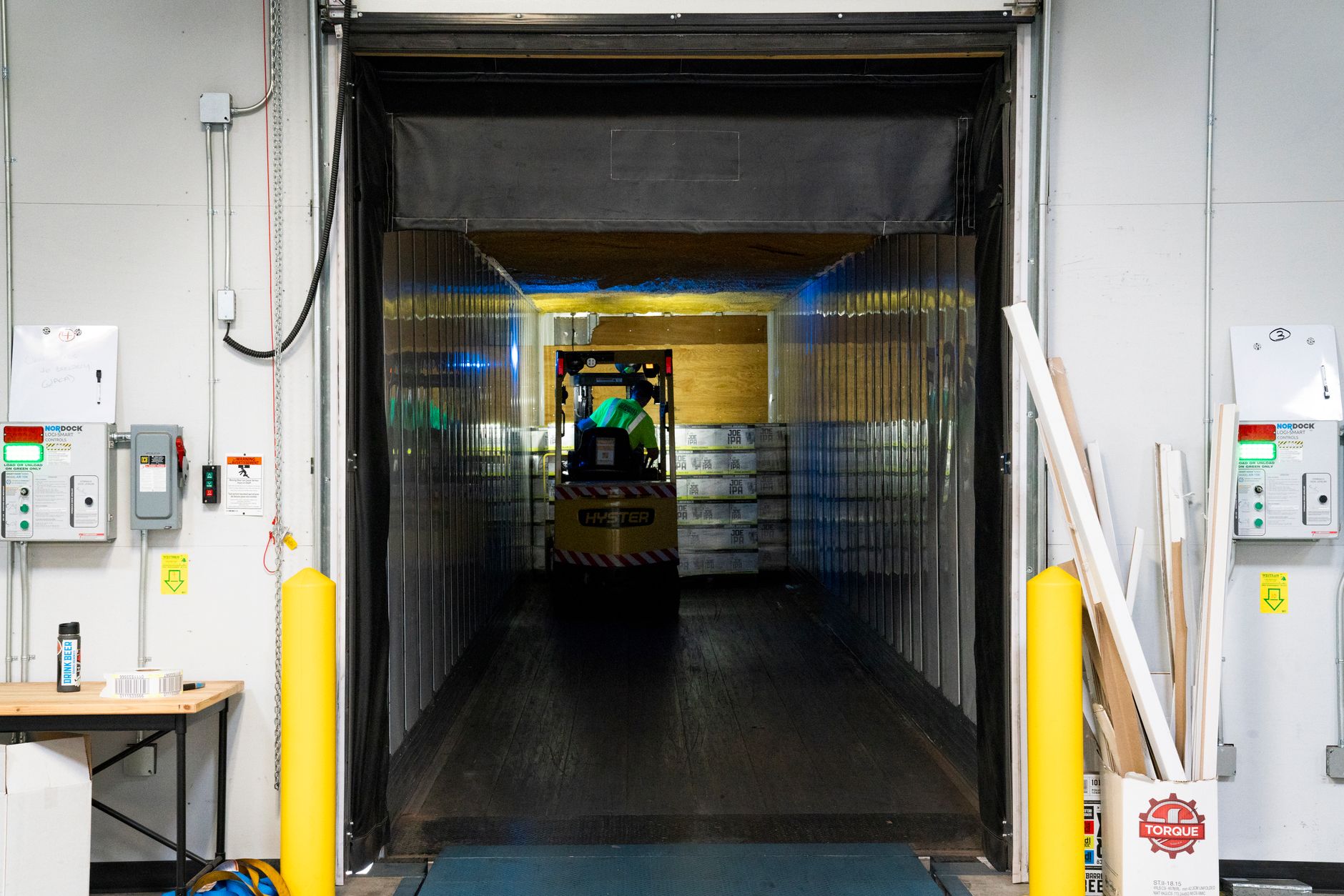
A building supply yard is a strong candidate when the pain shows up as walking, waiting, and re-handling rather than pure picking difficulty. If staff keep leaving value-added work to push carts, hunt down picked accessories, or drag returns to the next stop, you have transport waste that an autonomous mobile robot can absorb.
Another good sign is when order timing matters more than travel distance. Contractors do not care that an item moved only 200 feet. They care that the pickup is actually ready when the truck pulls in. AMRs help by tightening the handoff between status in the system and physical placement in the staging zone.
The labor backdrop supports that logic. The Bureau of Labor Statistics puts the 2024 nonfatal injury and illness rate for warehousing and storage at 4.8 cases per 100 full-time workers, with 4.1 involving days away from work, job restriction, or transfer. Even though a building supply yard is not a pure warehouse, the underlying lesson holds: repetitive material movement is physically demanding, interruption-heavy work. Reducing unnecessary transport is not just about speed.
What has to be true for the pilot to work?
The route needs boundaries. The payload needs discipline. And the handoff points need to be explicit. Many failed pilots come from trying to make the robot clever enough to cope with a process that people themselves handle inconsistently. If every shift stages returns differently or every department invents its own pickup lane, the robot is not the first problem.
A strong pilot usually starts with one route family, one or two payload types, and clear service rules. For example, small will-call orders under a defined size move from an indoor pick zone to a covered pickup lane every five minutes. Or returns move from intake to three fixed destinations based on scan status. The goal is not to automate everything. It is to prove that a dependable loop can carry real volume without adding babysitting.
This is where Service Robot Co. fits cleanly. Building supply operators often need a vendor neutral robot integrator, not just a machine. The work includes site assessment mapping, wireless coverage review, charging placement, workflow design, and robot deployment and integration with scanners, doors, alerts, and operating rules. Service Robot Co. handles that full lifecycle across robot leasing for business, monthly payment programs, training, and nationwide service, which matters more in a yard than a polished demo ever will.
How do counter pickups and returns improve first?
Counter pickup flows improve when AMRs reduce the dead time between order ready and order present. In many branches, the order is picked but not where the customer needs it. An employee gets interrupted, the tote sits in the wrong zone, and the contractor waits while someone traces the handoff. AMRs help by turning that last internal move into a scheduled, visible transport step.
Returns handling is often even more valuable because it is so disorderly. Returned fittings, hardware, and parts arrive with uncertain disposition. Some can be restocked. Some need inspection. Some belong in quarantine. An AMR will not make the judgment call, but it can keep the items moving to the correct lane once the status is set. That shrinks pileups at the intake desk and keeps receiving aisles from turning into a holding pen.
The practical benefit is not only speed. It is cleaner queue management. Supervisors can see where work is stuck, staff stop making as many ad hoc cart trips, and the customer-facing team spends more time with contractors instead of disappearing into the back room.
What about parts movement in attached warehouses?
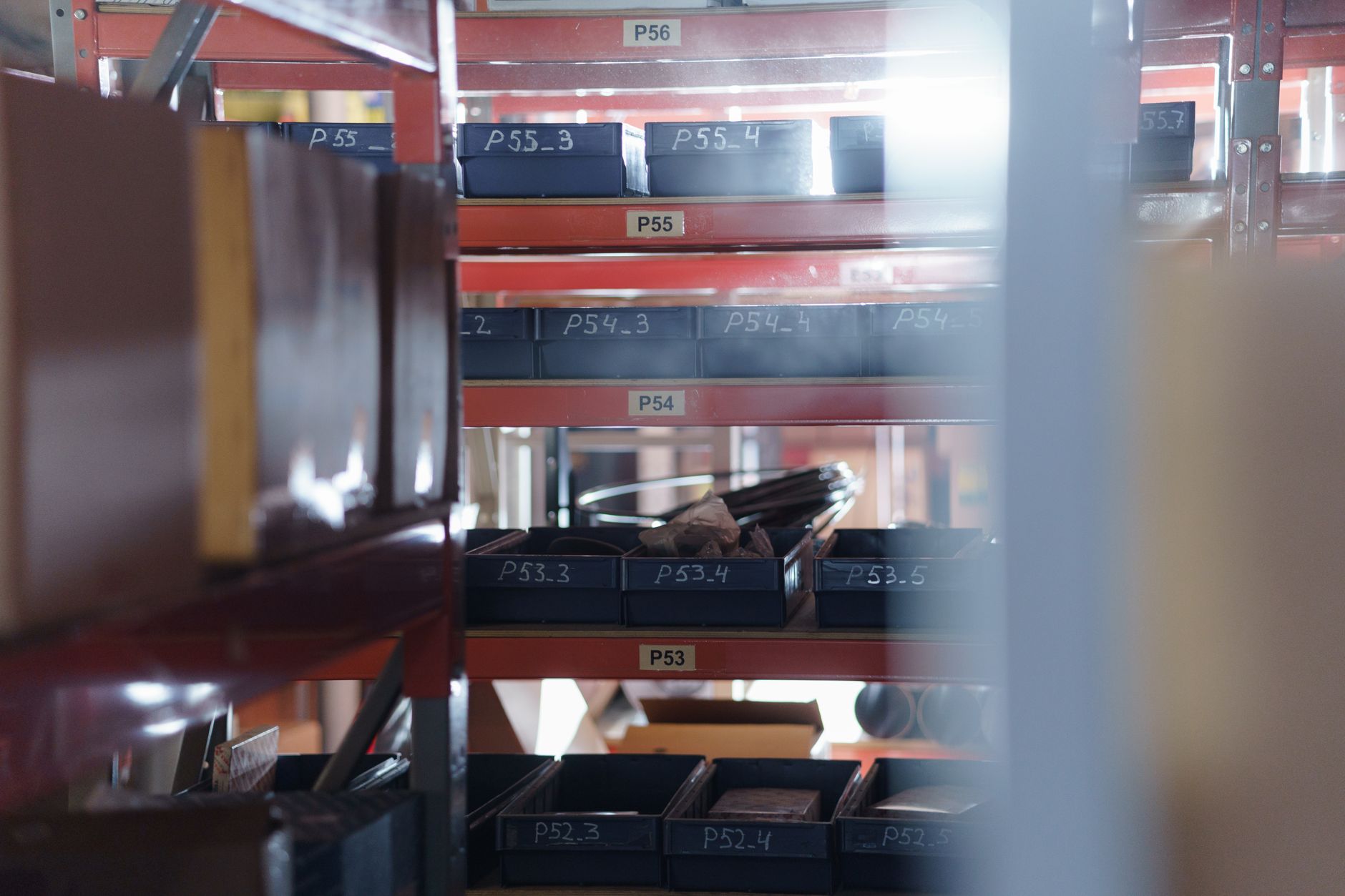
Attached warehouses are often the sweet spot. The travel is structured, the floor is more predictable, and the payloads are smaller than open-yard bulk goods. Parts cages, maintenance benches, indoor pickup shelves, and reserve racks create exactly the kind of repetitive transport loop that warehouse robot rental or amr rental programs are built for.
This is also the easiest place to start if you want a robot pilot program with low operational risk. You can define travel lanes, place charging close to work, and isolate a narrow use case such as hardware replenishment, document transport, or accessory kits for will-call orders. If the pilot works, you extend to connected covered areas. If it does not, you learn quickly without touching the core loadout operation.
The wider automation trend backs that caution. The International Federation of Robotics reported that U.S. industrial robot installations rose 11 percent year over year to 38,000 units in 2025. Adoption is growing, but mature operators still win by matching automation to the job, not by forcing one machine into every job.
What should buyers watch before they commit?
Start with floor and route truth, not brochure claims. Dust, thresholds, door timing, Wi-Fi dead spots, mixed pedestrian traffic, and seasonal layout drift matter more than top speed. In building supply, a robot that completes the same mission reliably in ugly conditions beats a faster one that needs constant intervention.
Also look closely at service coverage and commercial structure. Many operators prefer autonomous mobile robot rental, robot as a service, or lease rental or sale options because the workflow is still being proven. A month to month robot lease or other monthly structure can make sense when you want a contained pilot without heavy upfront capital. What matters is not the financing label by itself. It is whether maintenance included, remote triage, on-site dispatch, and emergency replacement terms are clear.
Service Robot Co. is built for that reality. For U.S. companies that want one partner one number, the company acts as a full-service commercial robot integrator that can select the right equipment across manufacturers, then finance, deploy, integrate, train, and service every unit through a nationwide engineer network. In yard logistics, that single accountability line is often the difference between a live operation and an abandoned test.
The real buy case is less walking and fewer broken handoffs
AMRs will not make a building supply yard tidy. That is not the point. The point is to remove repeat transport work from a workflow that is too valuable to have skilled people burning time on constant back-and-forth movement.
If your branch has predictable indoor routes, frequent will-call activity, recurring returns congestion, or attached-warehouse parts movement, AMRs can absolutely help it run faster. Not everywhere. Not all at once. But in the right seams, they can turn a noisy operation into one with cleaner pacing, better handoffs, and fewer wasted steps.
That is the practical standard to use. Forget the showroom script. Ask where your team walks the same path fifty times a day, where status changes fail to become physical movement, and where customers feel delay first. That is where automation starts earning its place.
Frequently asked questions
Sources
- BLS industry employment for building material dealers
- BLS 2024 injury rates by industry
- OSHA forklift loading and unloading hazards
- Census building material dealers establishment count
- Census subsector profile for building material and garden dealers
- Census June 2026 construction spending indicator
- Census advance monthly retail sales release for June 2026
- IFR U.S. robot industry growth in 2025