Key takeaways
- Yes. AMRs can help on punch lists, but only on narrow, repetitive turnover tasks.
- The best fits are interior inspection loops, repeat photo capture, and short-range material shuttling.
- They do not replace superintendent judgment, trade rework, or final acceptance walks.
- Measured well, the payoff shows up in fewer wasted trips, faster issue documentation, and better closeout records.
- A pilot works best when one integrator handles robot selection, deployment, training, service, and support.
The short answer
Yes, autonomous mobile robots can help building contractors on punch lists, but the useful scope is narrower than the hype. They are best at repetitive indoor turnover work: running the same corridor inspection route, capturing consistent progress photos, and hauling small loads of materials, tools, or trash between staging and finish areas.
They are not a substitute for a superintendent, quality manager, or trade foreman. Punch-list closeout still depends on human judgment about tolerances, finishes, code issues, and owner expectations. What AMRs can do is remove some of the dead walking, add more disciplined documentation, and make late-stage turnover less chaotic.
That matters because the work volume is large and labor is tight. According to the U.S. Census Bureau, total U.S. construction spending was running at a 2.17 trillion dollar seasonally adjusted annual rate in June 2026. At the same time, the U.S. Bureau of Labor Statistics reported 305,000 construction job openings in June 2026, and Associated General Contractors reported in its 2025 workforce survey that 92 percent of firms were having trouble filling positions while 45 percent said labor shortages had delayed projects.
Where do robots actually fit during closeout?
Punch-list work is a bad place for vague automation plans. The floor plan keeps changing, trades stack on top of each other, and every room seems to need a different fix. The robot earns its keep only when the task is repetitive enough to standardize.
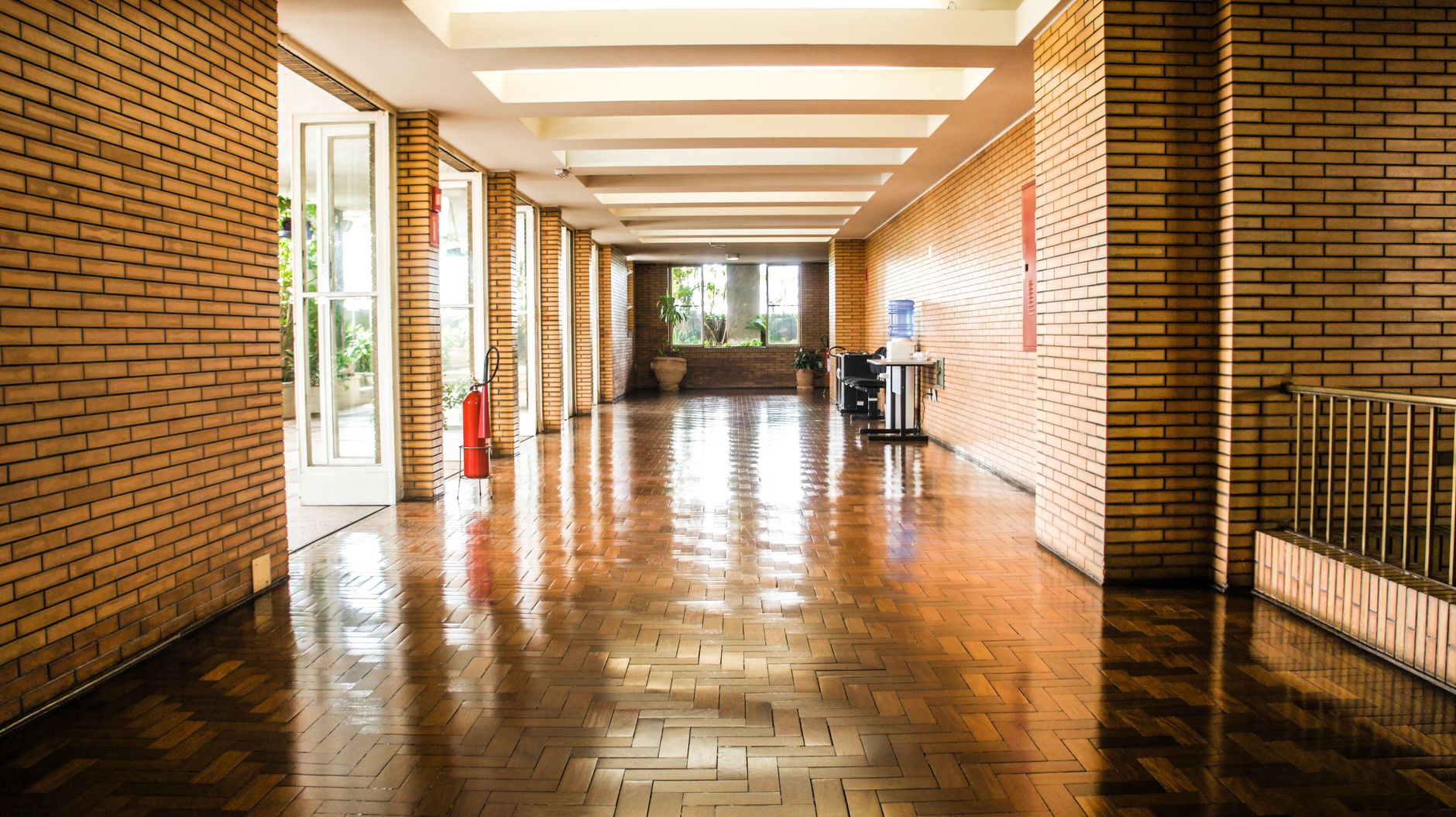
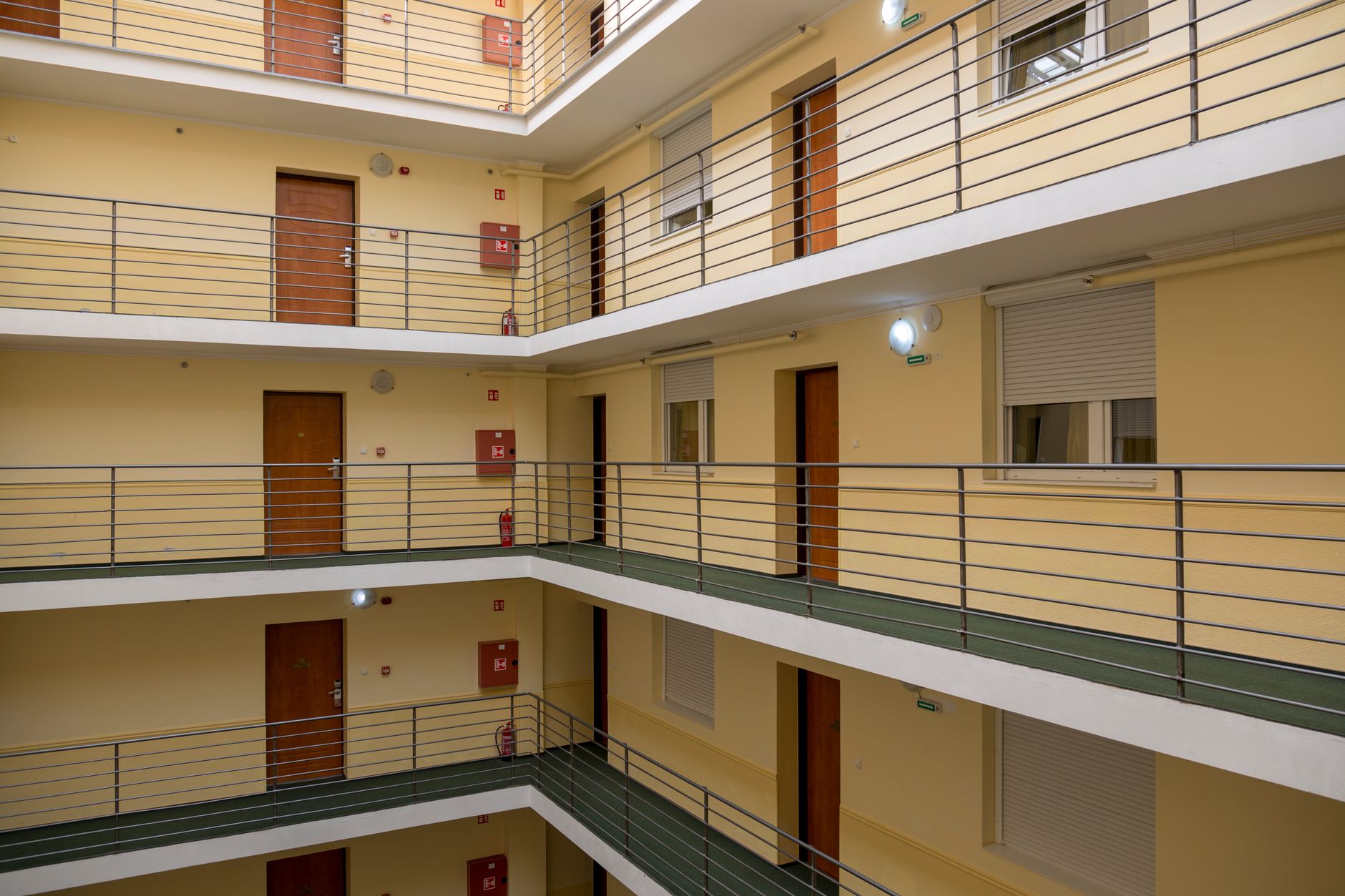
Three late-stage jobs usually fit that test. First, scheduled interior inspection loops through corridors, units, restrooms, and common areas. Second, photo capture at fixed waypoints so teams can compare conditions over time. Third, light material shuttling, especially when crews keep losing time walking for patch, trim, hardware, filters, sealant, or hand tools.
- Repeatable route with clear indoor navigation boundaries
- Consistent capture points tied to room numbers or zones
- Payloads that fit safely on a small mobile platform
- Defined handoff points instead of ad hoc chasing of workers
- A human owner for exceptions, blocked paths, and escalations
Can AMRs support inspection and photo documentation?
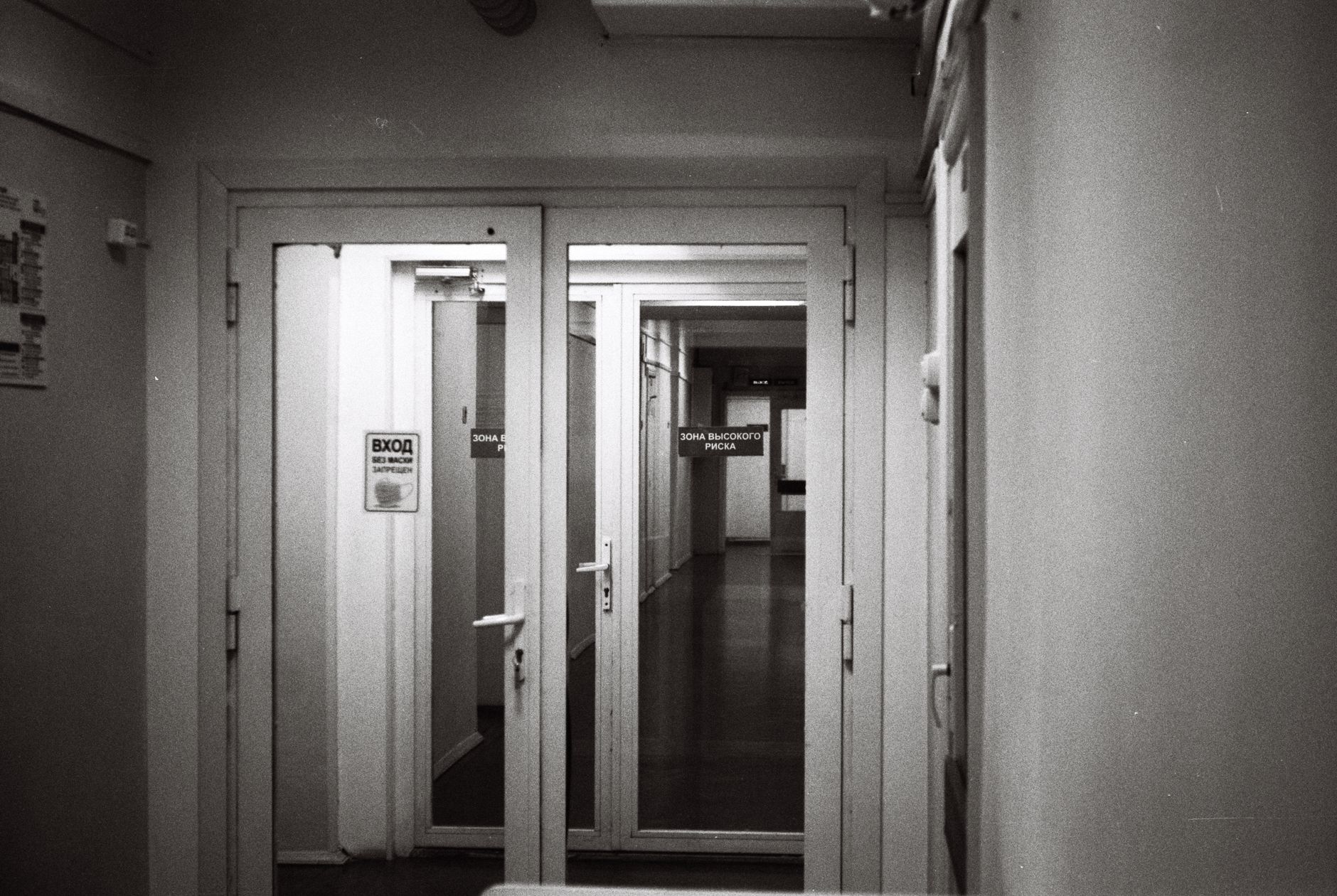
This is often the strongest use case. A robot can run the same route at 7 a.m., noon, and 5 p.m., collecting photos or video from repeat viewpoints. That gives the project team cleaner evidence of what was complete, what changed, and what still needed correction. On a busy turnover floor, consistency matters more than cinematic image quality.
There is precedent for remote visual closeout methods. NIH noted that when an inspection produces a punch list of minor items, photos can be enough to show that corrections were made, which saved time and improved efficiency in re-inspections. That does not mean every turnover issue should be closed remotely. It does mean disciplined visual records already have a real operational role in closeout.
The practical win is not that a robot magically finds every defect. The win is that it makes routine capture more regular. Human teams skip documentation when the day gets ugly. Robots do not get pulled into a trailer meeting, a delivery problem, or a last-minute owner walk.
What about material shuttling between staging and work areas?
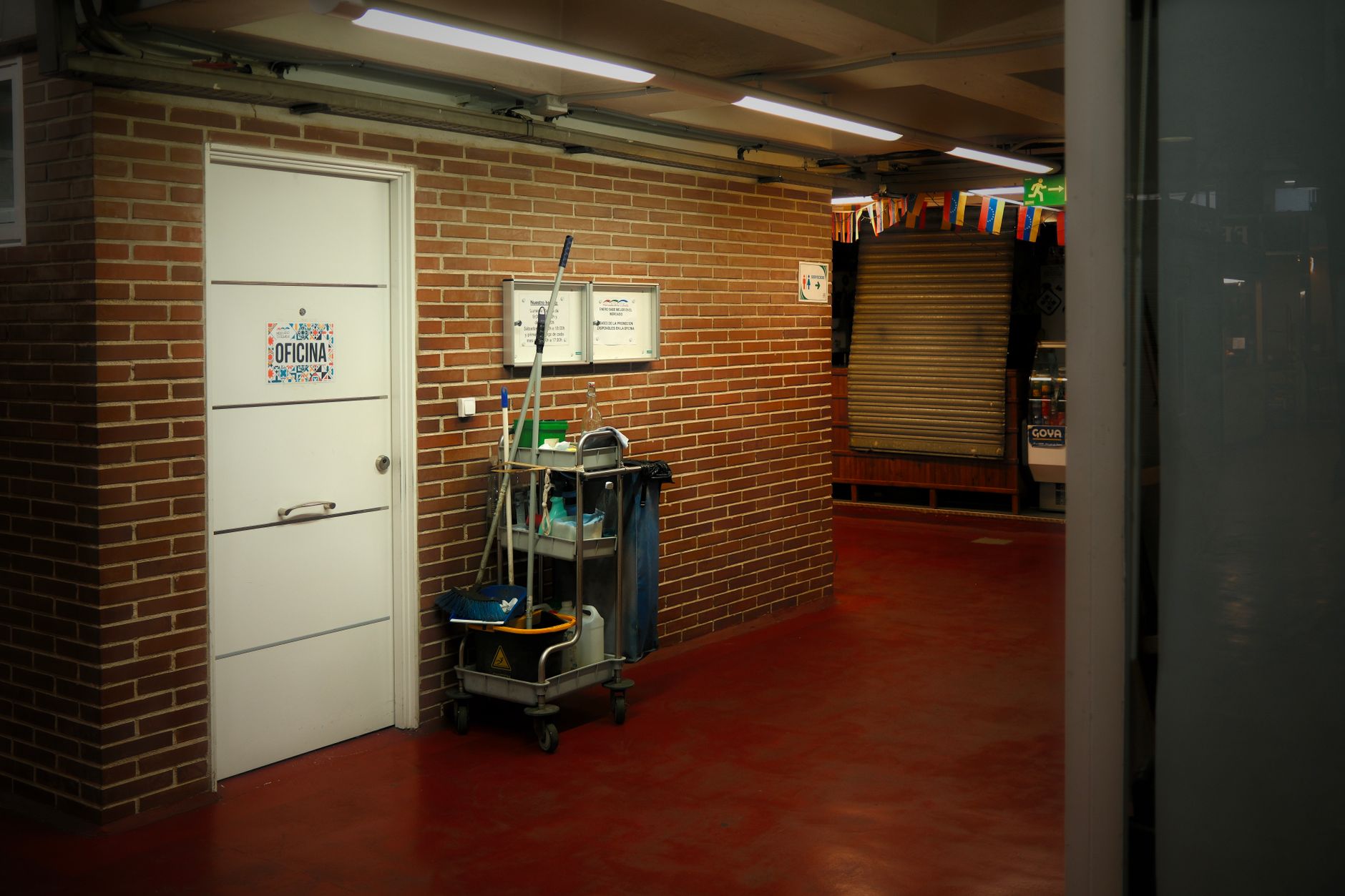
Material shuttling can be valuable, especially in large interiors where finish crews burn time on short, repetitive trips. If the route is mostly flat, indoors, and predictable, an AMR can move boxes of hardware, paint supplies, ceiling components, punch-out tools, or waste bags between a staging room and active work zones.
This is not just about minutes. It is also about reducing wear on people in an injury-heavy industry. The U.S. Bureau of Labor Statistics counted 163,600 nonfatal injury cases in construction in 2024. Not every one of those came from carrying supplies across a turnover floor, of course, but repeated manual movement of tools and materials is exactly the kind of low-glamour work that adds fatigue and eats productive time.
The key is to stay disciplined about payload and path. Punch-list shuttling works when the loads are modest, the destination is fixed, and crews are trained to meet the robot at defined drop points. It works badly when people expect the machine to improvise around constantly moving carts, open shafts, wet floors, and a route that changes every twenty minutes.
Where do AMRs fall short on punch lists?
They are weak at fine-grained judgment. A robot can document a scratched door frame or missing cover plate if the issue is visible and the capture angle is right. It cannot reliably decide whether the repair meets the owner's finish standard, whether color variation is acceptable under afternoon light, or whether a millwork gap will trigger a callback.
They also struggle when the environment is still genuinely messy. Major floor protection changes, unsecured cords, stacked material in egress paths, and frequent layout shifts can turn a promising pilot into a babysitting exercise. Late-stage turnover is more controlled than rough-in, but not every turnover floor is robot-ready.
And they should not be sold as a staffing replacement for general closeout. Punch-list work includes coordination, trade sequencing, owner relations, and issue triage. Those remain human jobs. The robot is a support tool, not a substitute for supervision.
How should contractors measure the labor savings?
The wrong metric is raw robot uptime. A machine can drive all day and still save almost nothing. The right metrics track avoided labor and better closeout control: technician walking time, number of repeat inspection loops completed, photo-documentation coverage by area, correction verification cycle time, and the count of trips removed from finish crews.
A simple pilot baseline works well. Time two or three common runs before deployment, such as staging room to east corridor, trailer to level-three unit stack, or daily documentation walk of a finished wing. Then compare after deployment for the same route, same shift, and same project phase. If the robot cannot save measurable minutes on those boring loops, it will not save money on the bigger story either.
Documentation quality should be measured too. Washington State's capital guidance describes project closeout as including detailed inspection, a list of remaining work required, final inspections, and transmission of warranties and record documents. Better repeat capture helps that closeout package become less anecdotal and more defensible.
What does a workable deployment look like on an active turnover floor?
The best deployments start small. One route. One payload class. One superintendent sponsor. One backup manual process. Contractors do not need a grand automation program to test this. They need a controlled pilot in a building area where finishes are far enough along that the path stays stable for at least a few weeks.
In practice, the checklist is simple. Map the route, define operating hours, mark handoff points, decide who clears exceptions, and keep the first workflow narrow. For many teams, that means an autonomous mobile robot rental or amr rental pilot rather than a permanent fleet decision on day one. A try before you buy approach is often the cleanest way to test fit during a real turnover window.
This is also where integration quality matters more than robot spec sheets. Service Robot Co. works as an OEM-neutral, full-service commercial robot integrator for U.S. businesses. That means the contractor can start with the task, not with a preselected machine, then have one partner handle robot deployment and integration, training, finance options, and ongoing service through a nationwide U.S. engineer network.
Why a narrow use case beats a grand promise
Contractors do not need a robot that claims to do everything on punch lists. They need one that reliably does a few annoying things well. Interior inspection loops, repeat photo capture, and short-range material handling are exactly the kind of construction-adjacent workflows where a mobile robot can create a clean, measurable gain without pretending to automate craftsmanship.
That is why the buying question should not be, Can a robot handle punch lists? It should be, Which small slice of punch-list work is repetitive enough to automate without creating new chaos? In many projects, that answer is inspection robot rental for documentation, material handling robot rental for short shuttle runs, or a tightly scoped autonomous mobile robot rental pilot that combines both under supervision.
For contractors that do want to test the category, the safer path is usually one vendor-neutral robot integrator, one pilot, one accountable support number, and one lifecycle partner. That keeps the experiment practical. It also gives the team a fair read on whether the robot fits the floor, the schedule, and the turnover reality of the building.
Frequently asked questions
Sources
- U.S. Census Bureau June 2026 construction spending PDF
- U.S. Census Bureau construction spending at a glance
- BLS JOLTS Table A June 2026
- AGC 2025 workforce shortage survey release
- Washington State project closeout and punch list guidance
- NIH note on photos for punch-list re-inspections
- BLS nonfatal work injuries by industry, 2024
- BLS fatal work injuries by occupation, 2024