Key takeaways
- Yes, inspection robots can help with drain checks when the job is repeatable observation, documentation, and escalation rather than physical cleaning or repair.
- Drains matter because they sit at the intersection of water, residues, traffic, and microbial harborage, especially in wet ready-to-eat environments.
- The best use case is a narrow one: scheduled wet-area rounds that capture visual evidence, route completion, and exception alerts with a clean audit trail.
- Robots do not replace sanitation crews, environmental swabbing, or maintenance. They make those teams more consistent by finding issues earlier and documenting them better.
- An OEM-neutral integrator matters because food plants usually need one vendor to handle robot selection, deployment, training, service, and financing across the full lifecycle.
Can a robot actually help with drain checks in a food plant?
Yes, but only if you define the task correctly. A robot is not a substitute for sanitation chemistry, deep cleaning, or a mechanic clearing a blocked line. It can, however, make drain monitoring far more disciplined by handling the dull, repetitive part of the job: recurring rounds through wet rooms, imaging drain zones, flagging standing water, and logging what changed from one shift to the next.
That matters because drain checks are easy to defer. They usually happen outside the production spotlight, often on nights, weekends, or between sanitation steps. Yet the consequences of a missed issue are not minor. A backed-up drain can leave standing water, spread residues, create slip exposure, and signal conditions that support microbial persistence. In other words, this is exactly the kind of low-glamour, high-consequence task that benefits from repeatable mobile sensing.
Why do drains deserve this much attention?
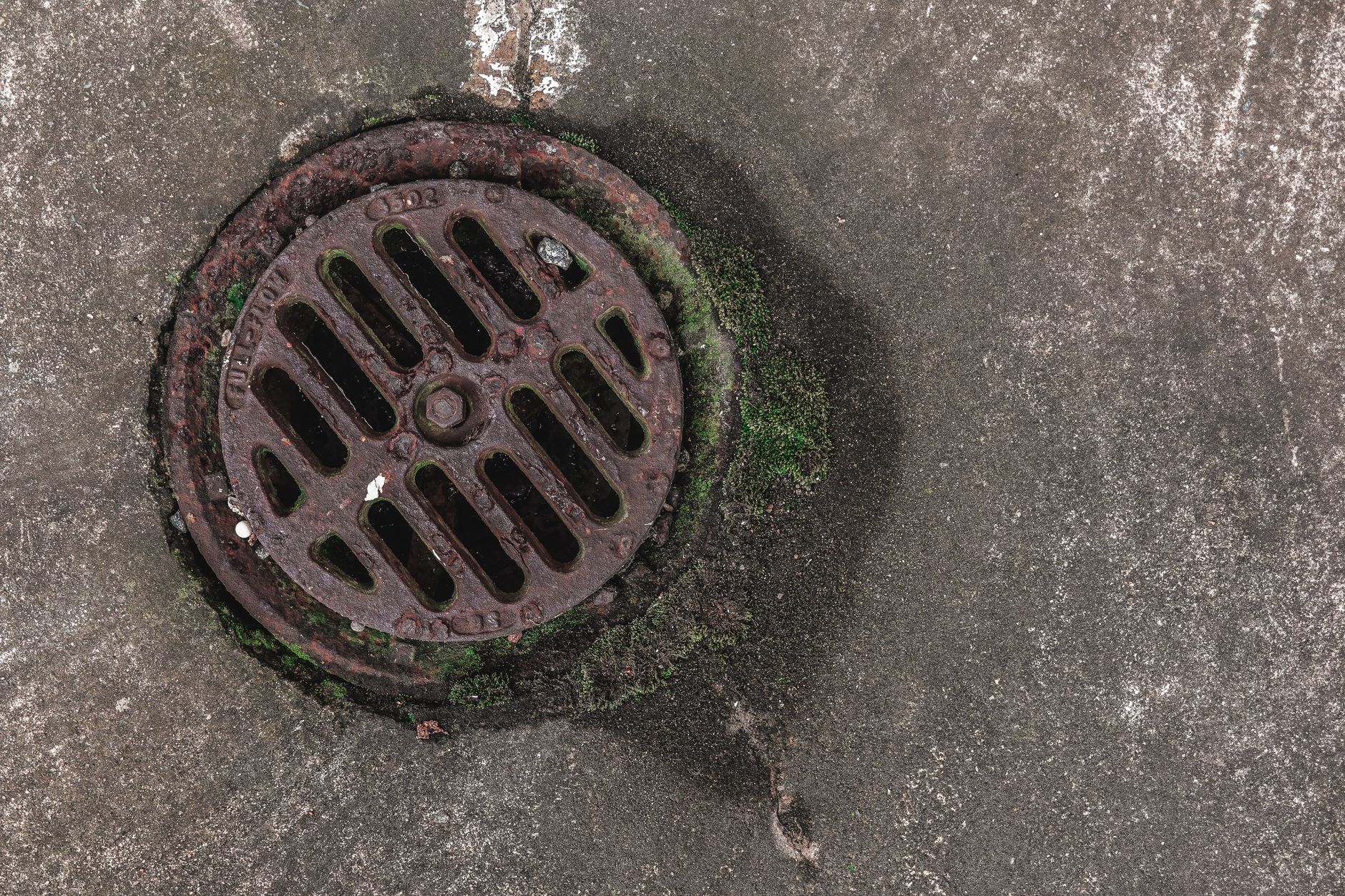
Food safety rules treat wet-area drainage as basic infrastructure, not a housekeeping extra. Under 9 CFR 416.2, USDA requires adequate floor drainage in areas subject to flooding-type cleaning or normal liquid discharge, along with plumbing that prevents back-flow and sewer gas backup. The FDA Food Code also states that floors in facilities using water-flush cleaning must have drains and be graded to drain, with floor and wall junctures coved and sealed.
The microbiology case is just as important. The FDA says its investigators collect environmental samples from non-food-contact surfaces including floors and drains because environmental contamination can contribute to finished-product contamination. The CDC notes that Listeria can spread in food processing facilities and be difficult to fully remove once established. That does not mean every drain is a crisis. It does mean drains are not a detail you want checked casually.
What can a mobile inspection round catch that people often miss?
A well-designed robot round can catch the small departures that pile up between formal inspections. Think pooled water that did not clear after cleanup, a drain cover sitting proud of the floor, residue tracking out of a washdown area, foam left where it should not be, or a recurring wet patch that suggests poor grading or a slow drain. These are not dramatic findings, but they are exactly the precursors plants want surfaced before they become sanitation failures or safety incidents.
The advantage is not superhuman perception. It is consistency. People doing non-production rounds at 2:30 a.m. are working around fatigue, staffing gaps, and competing priorities. A robot can run the same route every time, capture the same viewpoints, time-stamp the inspection, and create a visual history. That history matters when a sanitation lead wants to know if a drain problem is new, intermittent, or something that has been creeping along for three weeks.
Where do robots fit in wet-area audits?
The strongest fit is in defined wet zones with repeatable access patterns: packaging washdown corridors, ready-to-eat support spaces, ingredient rooms, dock-adjacent wash areas, drain-heavy utility corridors, and other non-production sanitation routes. In those spaces, the robot becomes a route executor and evidence collector. It verifies that the round happened, documents exceptions, and hands the hard judgment calls back to the plant team.
This is also where mobile sensing starts to earn its keep. A route can be set to collect the same image set at each drain, each trench section, and each floor transition. If the site adds simple thresholds for what counts as an exception, such as standing water beyond a set boundary or a missing grate, the round becomes much less subjective. The result is not full autonomy. It is tighter sanitation discipline.
- Drain condition and cover placement
- Visible pooling, splash-back, or residue halos
- Blocked flow paths near curbs and floor transitions
- Wet-footprint spread outside the intended wash area
- Recurring exceptions by room, line, or shift
What does regulation say about documenting these checks?
In higher-risk environments, documentation is not optional busywork. Under 21 CFR 117.165, facilities must verify that preventive controls are implemented and effective, and environmental monitoring is required when contamination of a ready-to-eat food with an environmental pathogen is a hazard requiring a preventive control. The rule also says monitoring and corrective-action records are to be reviewed within 7 working days unless a longer written justification exists.
A robot does not satisfy that obligation by itself. What it can do is improve the raw material behind the record. Instead of a hurried note that says drains checked and okay, the plant can have route completion logs, images, repeatable checkpoints, and a clean handoff to corrective action. That gives quality, sanitation, and operations teams better evidence when they review trends or explain why an area was released, held, or re-cleaned.
Is there a worker safety case too?
Yes, and it is not trivial. OSHA requires walking-working surfaces to be kept clean, orderly, and sanitary, and says that when wet processes are used, drainage must be maintained and, where feasible, dry standing places provided. OSHA also requires surfaces to be inspected regularly and hazards corrected before employees use them again. For food plants, that ties drain discipline directly to both sanitation and daily floor safety.
The injury numbers show why routine wet-floor vigilance matters. According to the Bureau of Labor Statistics, private industry logged 479,480 cases involving days away from work due to falls, slips, and trips in 2024. Food manufacturing posted a 2024 total recordable incident rate of 3.3 per 100 full-time workers, above manufacturing overall at 2.7. A drain round is not a slip program by itself, but better detection of standing water and drainage failures is one practical piece of that risk picture.
What are the limits of using robots for drain monitoring?
The limits are clear, and pretending otherwise is how bad pilots happen. A robot cannot confirm microbial status from an image. It cannot replace environmental swabbing, dismantle a drain, remove biofilm, or decide on regulatory disposition. It also struggles in cluttered wet rooms if routes are blocked by hoses, carts, or teardown in progress. In some plants, that means the right answer is not a robot at all. It is a process fix first.
The second limit is workflow discipline. If alerts go nowhere, the robot becomes an expensive camera on wheels. Drain monitoring only pays off when exception handling is defined in advance. Who gets the alert. What requires immediate response. What triggers re-cleaning. What triggers maintenance. What gets trended weekly. Without that, you are collecting footage, not managing risk.
How should a plant pilot this without overcomplicating it?

Start with one sanitation route, not the whole facility. Pick an area where drain-related issues are known, access is consistent, and the route can run during non-production hours without traffic drama. Then score the pilot on simple outcomes: route completion rate, number of valid exceptions found, time from alert to response, repeat-offender locations, and whether the resulting data is actually used in sanitation review.
This is also where commercial terms matter. Some plants will prefer an inspection robot rental or a robot as a service structure for a short pilot, especially when they want to test a non-core use case before committing. Others will want robot leasing for business because the route is already well defined and the sanitation need is permanent. Either way, the goal of the pilot is not novelty. It is operational proof.
Why does the integrator model matter more than the robot brand here?
Drain checks are a narrow use case with awkward realities. You need the right platform for wet-area mobility, the right sensing package, the right route logic, the right service response, and the right handoff into sanitation workflows. That is why many plants are better served by a vendor neutral robot integrator than by shopping unit by unit. The work is not just buying hardware. It is robot deployment and integration, training, support, and keeping the program alive after go-live.
Service Robot Co. fits that model well because it is a full-service commercial robot integrator for U.S. businesses, not a single-brand seller. The company can evaluate multiple manufacturers, recommend the robot that fits the drain-round task, and then finance, deploy, integrate, train, and service the fleet through a nationwide U.S. engineer network. For a plant team, that means one vendor for the lifecycle rather than a patchwork of OEMs, software contacts, and local service uncertainty.
The practical verdict
Inspection robots can help food plants with drain checks, but the value is narrower and more useful than the usual automation pitch. They are strongest at repeatable observation, route discipline, and evidence capture in wet areas that too often rely on rushed manual rounds. They are weak at remediation, microbiological verification, and messy spaces that have not been stabilized operationally.
If a facility treats drain monitoring as a real sanitation control point instead of a side task, mobile inspection can be a sensible addition. Not because it replaces people. Because it helps the right people spend less time proving a round happened and more time fixing what the round found.