Key takeaways
- After-close scrubbers fit grooming salons when tables are stowed, cords are taped, and drains are mapped before the first run.
- Pet hair demands daily brush care and often a dry pickup pass before wet scrubbing on quarry tile or sealed concrete.
- APPA puts U.S. pet spending at $158 billion in 2025, so salons that stay open late still compete on a spotless, dry floor at open.
- Chemistry must match shampoo residue and disinfectant labels your state board already approves for animal care floors.
- A vendor-neutral integrator can pilot one commercial cleaning robot rental on a month to month lease before you scale.
Can robots realistically clean a grooming salon after close?
Yes, for the open floor lanes where hair, water, and product film collect once the last dog leaves. An autonomous floor scrubber can run repeated passes on quarry tile, sealed concrete, or luxury vinyl while your team finishes tub disinfection, tool soak, and laundry. The machine does not replace hand work at drains, tub surrounds, or grooming tables that stay bolted in place.
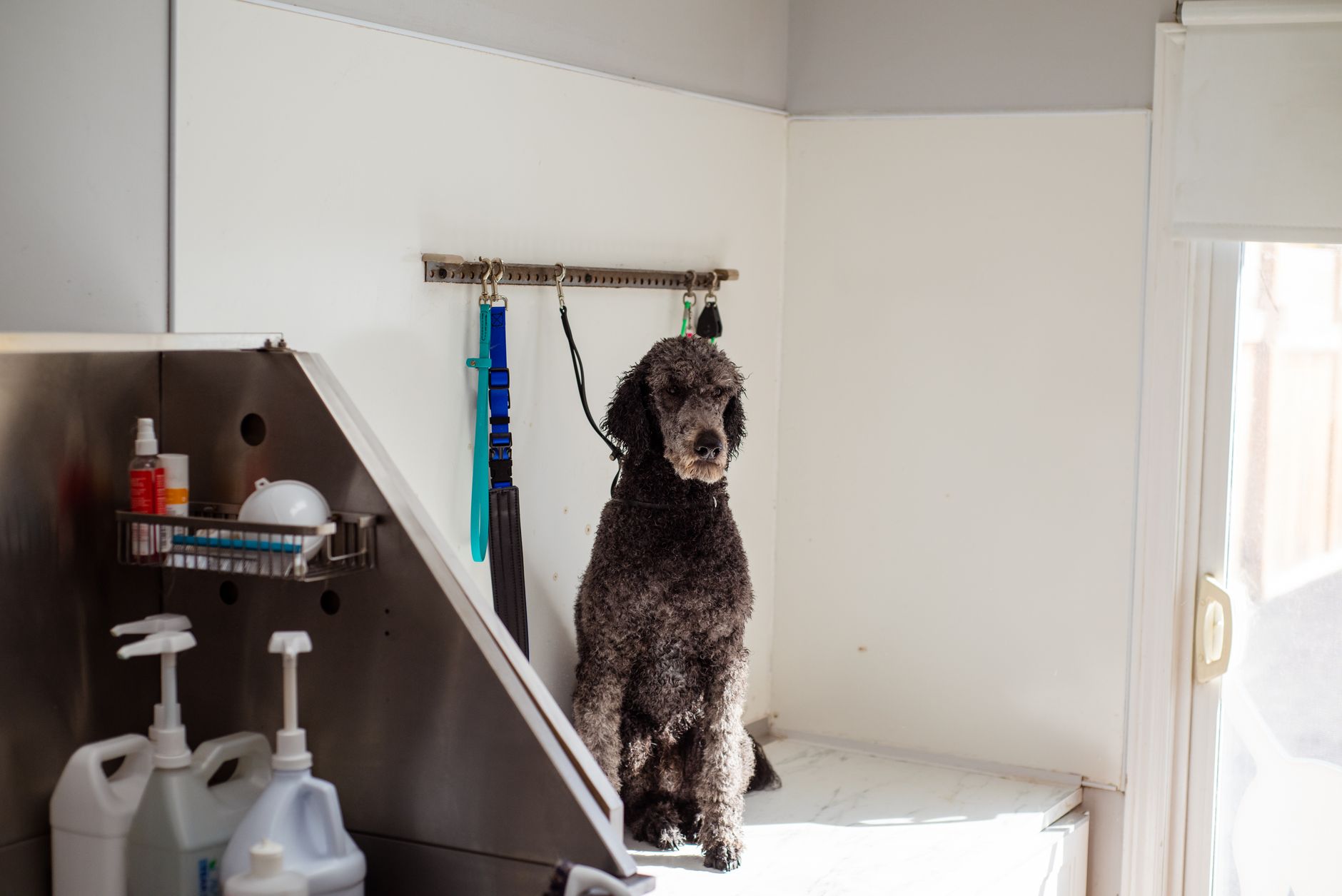
Grooming salons are wet businesses. Blow-dry mist, rinse spray, and tracked water from tubs leave slick patches that standard retail scrubbers hate. After-close overnight cleaning with no operator on the deck works when you stage the room: tables wheeled to marked parking spots, dryer cords coiled on hooks, floor mats lifted, and kennel gates latched open or closed per your map.
According to the American Pet Products Association, U.S. pet industry expenditures reached $158 billion in 2025. The Other Services segment that includes grooming, boarding, and training reached $14.3 billion and grew about 8 percent year over year. Clients notice floors even when they are focused on coat quality. A consistent autonomous scrub supports the professional finish your stylists sell.
What soil loads should you plan for?
Pet hair is the obvious challenge. Fine undercoat clings to grout lines and floats when wet. Coarse guard hair wraps around brush rollers if you skip a pickup step. Salons that see heavy shedders may need a commercial vacuum or sweeper pass before the scrubber wets the room.
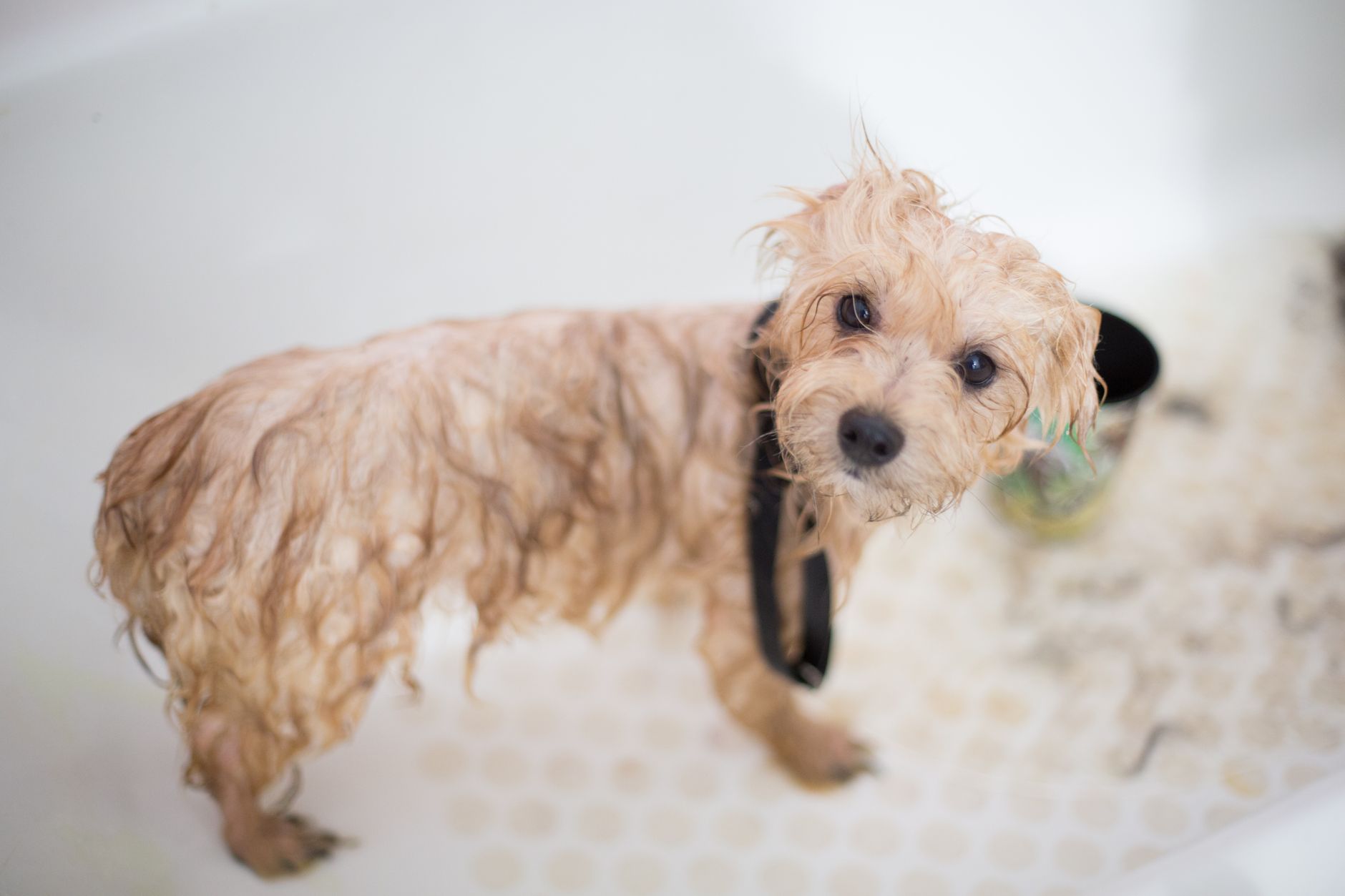
Grooming products add chemistry. Shampoos, conditioners, and ear cleaners leave slippery residues when diluted on tile. Disinfectants used on tubs and tables may drip to the floor and change pH. Your robot detergent must be compatible with both the floor sealant and the residues you actually use, documented in the same log your state inspector expects.
Water volume matters. OSHA guidance on slips notes that wet surfaces and spills are leading causes of workplace slips. BLS data for 2023 to 2024 counted 479,480 nonfatal injuries involving falls, slips, or trips in private industry. Groomers already work on wet floors. A scrubber that leaves streaks or puddles near tubs creates the same hazard for your opening crew.
How do you pick the right machine footprint?
Measure the narrowest path between tub, table, and kennel row after your busiest Saturday layout. Compact autonomous scrubbers fit many single-suite salons. Multi-table shops sometimes run a smaller unit in the grooming bay and schedule a larger scrubber weekly in the retail or reception wing.
Deck height and squeegee width determine whether the machine reaches under wall-mounted dryers. If not, mark those zones manual and stop the robot short. Movable hydraulic tables should park on floor decals every night so lidar maps stay valid.
Robot rental monthly programs let you test footprint before you commit capital. Service robot rental with maintenance included and on-site dispatch beats owning a unit that jams on a cord hook at 1 a.m. with no technician on call.
What pre-cleaning steps stay on the night checklist?
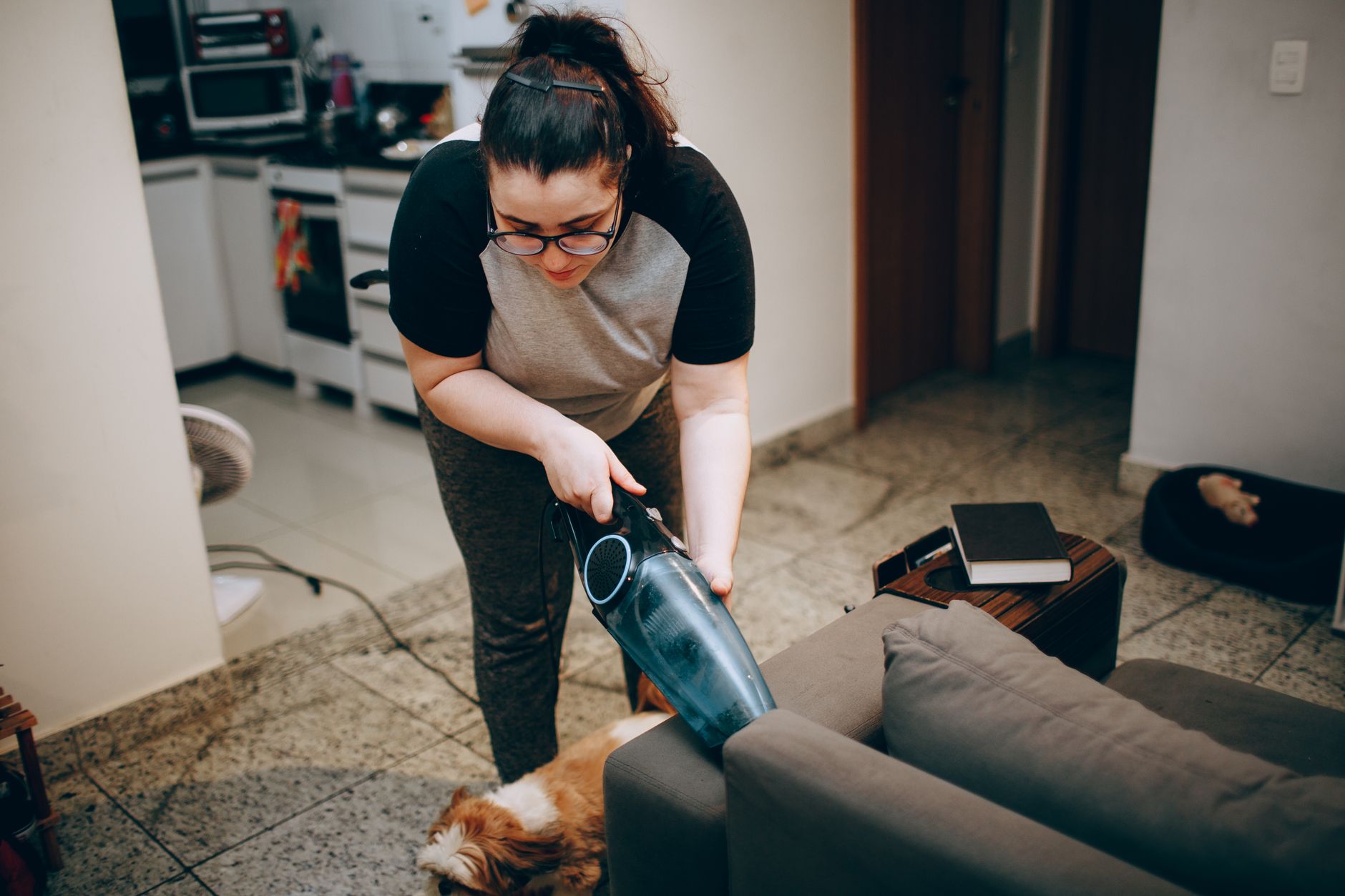
Pick up loose hair with a vacuum or dry mop on high-shed days. Wetting a hair mat without pickup can clog recovery tanks and smell by morning.
Remove or hang floor mats that hide edges the robot cannot see. Tape or coil every cord from dryers, clippers, and hydraulic tables. A single dangling line can stop a mission and leave half the floor unwashed.
Empty kennel pans and sweep scatter from food areas if your salon mixes retail and grooming. Close doors to storage rooms you do not want the machine to enter. Post a simple photo checklist on the charging wall so the last stylist sets the room the same way every night.
- Vacuum or dry-sweep heavy hair before wet scrubbing
- Park movable tables on marked floor decals
- Coil and secure dryer and clipper cords
- Lift entrance mats and expose drain grates for inspection
- Log tub disinfectant drips that need hand degreasing
How often should brushes and tanks be serviced?
Pet hair wraps fast. Inspect main and side brushes after every run in a high-volume salon. Carry spare brush sets if you run seven nights a week.
Recovery tanks need rinse and deodorize on a schedule that beats odor complaints at 7 a.m. Hair in the tank baffles airflow and reduces suction. Train openers to dump, rinse, and log tank cycles like any other sanitation task.
Squeegee blades wear from hair grit the same way they wear from warehouse concrete. Include blade replacement in your robot maintenance service plan or commercial cleaning robot rental contract so uptime does not depend on a parts hunt.
How should you handle drains and wet zones?
Floor drains near tubs collect hair clumps the robot brush may spread if not pre-cleaned. Hand brush drain rims and basket screens before automation. Map trench drains as slow zones or no-go areas if covers do not sit flush.
Slope toward drains should match your flooring installer spec. Standing water in low spots means the squeegee path missed or the sealant failed. Fix the floor before you blame the machine.
Some salons share mop sinks with manual tub rinse. Keep robot fill and dump points on the same approved plumbing your health or zoning rules allow. Never dump recovery water into a handwash sink used for tools.
Which chemicals are safe for floors and robots?
Start from products your distributor already sells for animal care facilities. Match pH and rinse requirements to sealed tile or epoxy. Avoid mixing bleach categories with ammonia-based cleaners in the same night without a documented rinse protocol.
Robot detergent injection should use locked recipes per zone. Reception carpet lanes may differ from grooming bay tile. If your state board publishes floor care expectations for licensed grooming, cite those labels in the SOP the robot follows.
Test a small patch when you change shampoo brands. New coatings on tubs sometimes mean new drips on tile. One overnight pass on a test square saves a ruined seal on the whole bay.
What does an overnight schedule look like?
Typical windows start after the last appointment and finish before the opener preps the first tub. Many salons run 9 p.m. to 5 a.m. with a human walk-through at the end to spot corners and verify dryness near kennels.
If you host late pickup clients, program pause rules when the front door motion sensor trips. Light stacks or magnetic signs on table legs beat fighting steam in a small room.
APPA's 2026 Dog Report notes that 51 percent of dog owners groom at home, while salon spending has softened for some households. Salons that stay busy often win on convenience and cleanliness. An overnight scrub keeps white tile presentable without paying a second full shift you cannot staff.
Where does Service Robot Co. fit the pilot?
A vendor-neutral robot integrator maps your bays, sets chemistry with your supplier, and ties finance to outcomes. You can start on a month to month robot lease with maintenance included, prove coverage on real hair loads, then add units if you open a second location.
Service Robot Co. trains openers on exceptions, keeps one partner one number for dispatch nationwide, and documents the pilot like an inspection dry run. Photos, logs, and a written route file matter as much as the hardware when you scale from one suite to a regional chain.