Key takeaways
- Security robots can deter opportunistic copper theft, but they work best after the site is hardened with fencing, lighting, locks, and controlled access.
- Vacant retail boxes, unfinished commercial projects, and idle industrial properties are strong robot candidates because the risk repeats after hours and across large footprints.
- The win is faster detection, visible patrol presence, and better incident documentation, not a magic substitute for police, guards, or physical security basics.
- Sites with exposed cable, open rooms, and slow human response need process fixes first. A robot cannot compensate for a site left wide open.
- A full service integrator matters here because vacant properties need financing, deployment, integration, training, and field service under one accountable partner.
Do security robots actually help prevent copper theft?
Yes, they can help, especially against repeat trespass, casual stripping, and after-hours scouting. A visible autonomous patrol robot changes the feel of an empty property. It adds motion, lighting, audio, video, and a documented patrol pattern to places that otherwise look abandoned and unobserved.
That said, a robot is not a force field. If thieves can walk through a broken gate, enter an unlocked electrical room, cut cable for twenty minutes, and leave before anyone responds, the robot program will disappoint. The practical answer is this: robots deter and surface incidents earlier, but they only work well inside a broader loss-prevention plan that includes hardening and a real response path.
That grounded view lines up with public guidance. The U.S. Fire Administration says unsecured vacant buildings require immediate attention and should be monitored, secured, inspected, and marked. Travelers makes the same point for construction sites, calling for layered controls such as perimeter barriers, monitored detection, and documented patrol rounds. A robot fits that stack. It does not replace it.
- Best use: repeated after-hours trespass and theft attempts across a large, predictable route
- Weak use: a site with no perimeter control, no lighting, and no one assigned to respond
- Main value: visible deterrence, faster detection, and better evidence for police and insurers
Why is copper such a stubborn target at vacant properties?
Copper is not a niche material hiding in a back room. According to the U.S. Geological Survey, electrical uses account for about three quarters of total copper use, including power transmission, building wiring, and telecommunications. Vacant retail shells, unfinished buildings, and idle industrial sites tend to contain exactly the exposed runs, panels, conduit, and service areas thieves know how to strip.
The price signal is part of the story. FRED, using International Monetary Fund data, shows the 2025 global copper price averaged 9,946.88195 U.S. dollars per metric ton, up from 9,142.10156 in 2024. When the commodity stays valuable, scrap-driven theft remains tempting, even when the resale value of the stolen metal is tiny compared with the downstream damage.
The public-safety impact is well established. The FBI describes copper theft as a threat to critical U.S. infrastructure, noting power and phone outages, exposed live wires, and disruption to emergency services. In August 2025, the California Department of Justice said the telecom industry reported nearly 6,000 copper theft and infrastructure vandalism incidents nationwide between June and December 2024, with 1,805 of them in California alone. This is why owners of apparently quiet properties still get hit. The site looks empty, but the copper still cashes out.
- Vacant retail boxes: service rooms, rooftop unit feeds, exterior lighting circuits, and telecom backhaul
- Unfinished commercial buildings: staged materials, partially enclosed MEP areas, temporary power, and exposed conduit
- Idle industrial properties: long fence lines, detached utility structures, shut production areas, and dark corners with little natural oversight
Where do patrol robots fit on a vacant retail box?
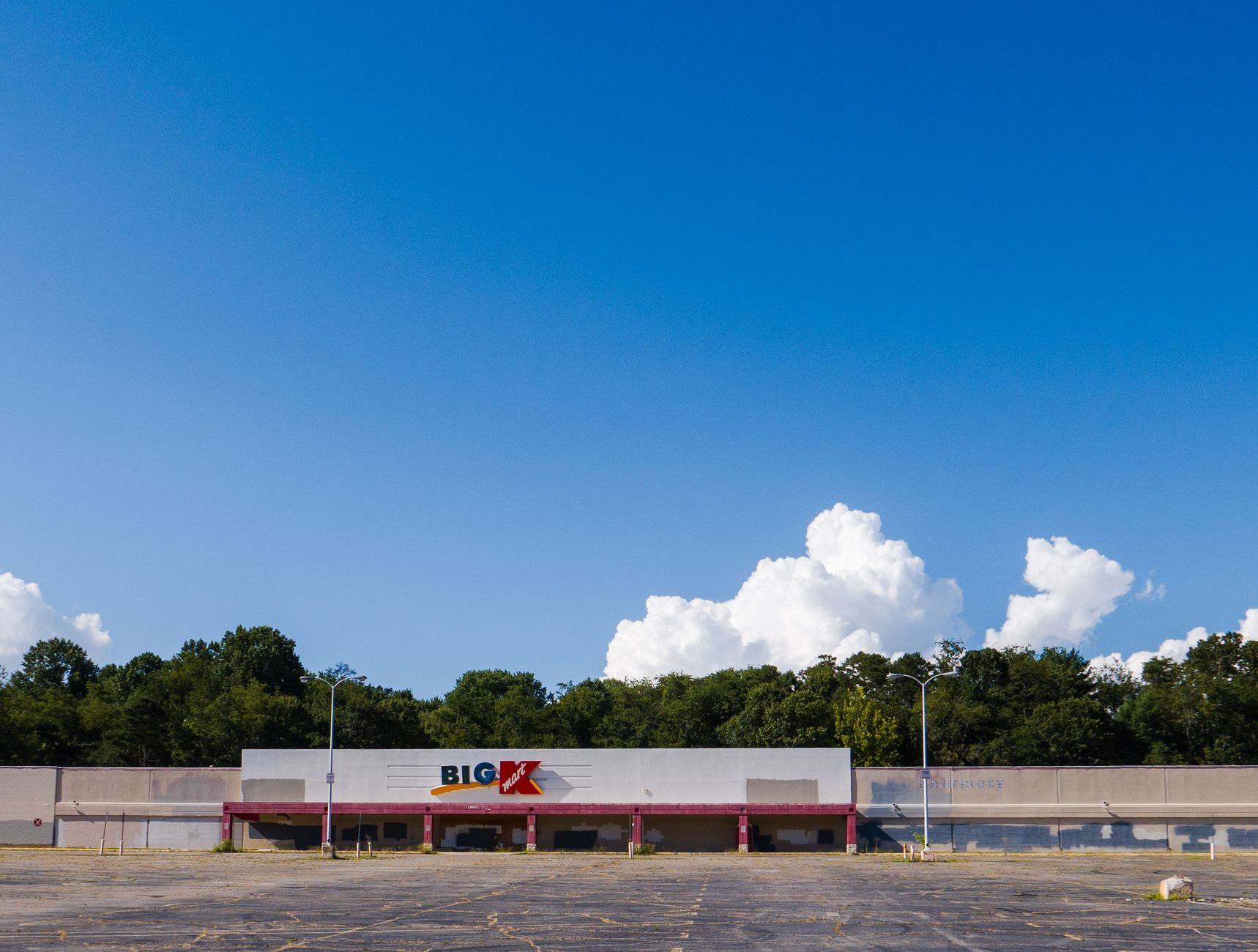
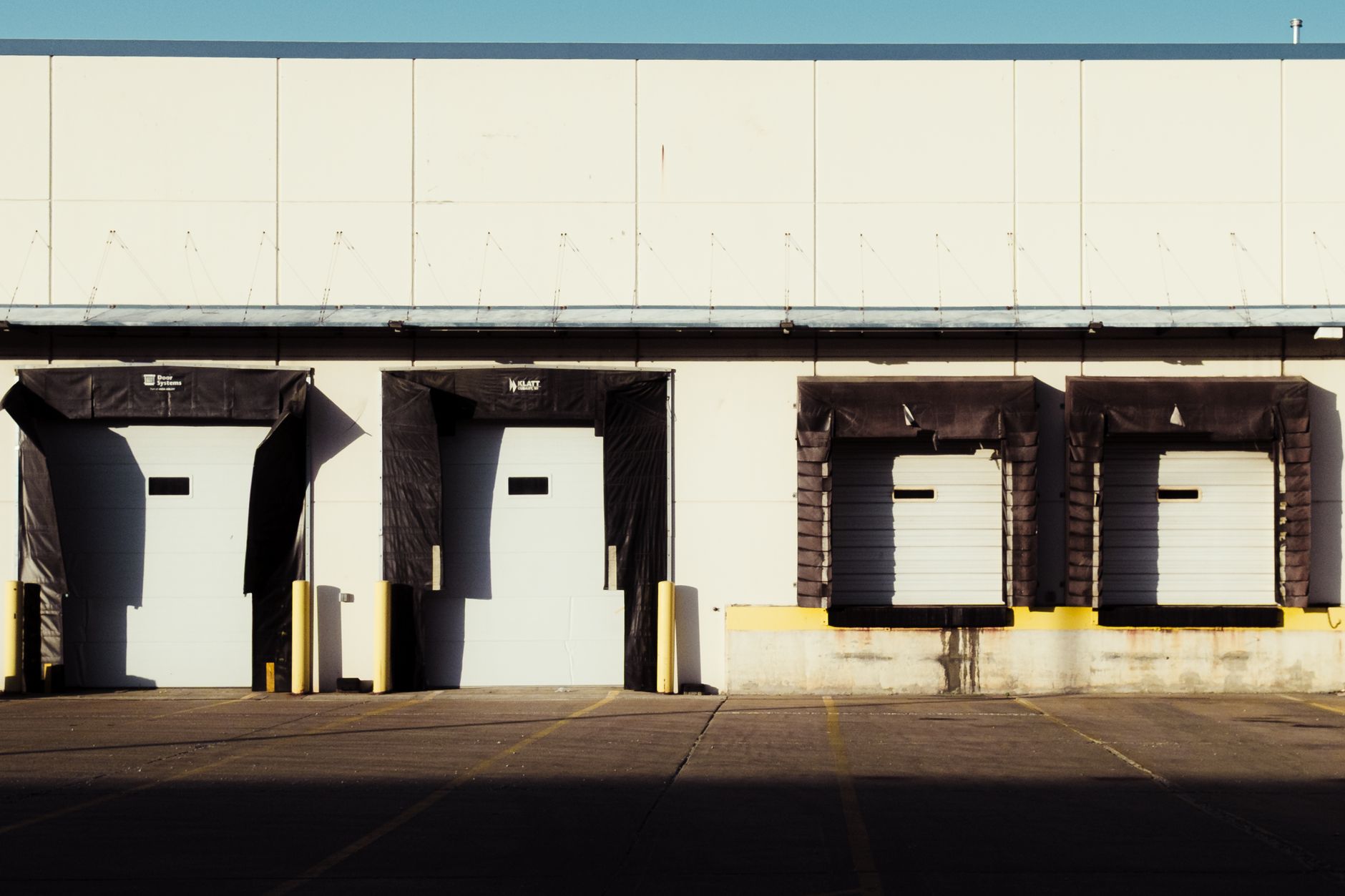
A vacant big-box property has a specific problem shape. The footprint is wide, the parking lot is exposed, side doors are easy to test, and the utility and loading areas sit out of sight from the street. Human guards can cover that, but only if rounds are disciplined and frequent. Fixed cameras help too, but blind spots and monotony are real.
A security patrol robot rental can fit well here because the route is repetitive. The robot can patrol storefront, loading dock, side setbacks, trash enclosure, and transformer approach on a loop, then flag motion or loitering after hours. Even when theft starts inside, the first useful signal is often outside: a door check, a vehicle circling, a person staging tools, or a return visit after a previous attempt.
For this property type, the robot's most credible job is not chasing intruders. It is making the site feel supervised, documenting the perimeter continuously, and shortening the gap between first suspicious behavior and human review. That matters when copper theft crews test a site several times before they cut.
What about unfinished commercial buildings and shutdown job sites?
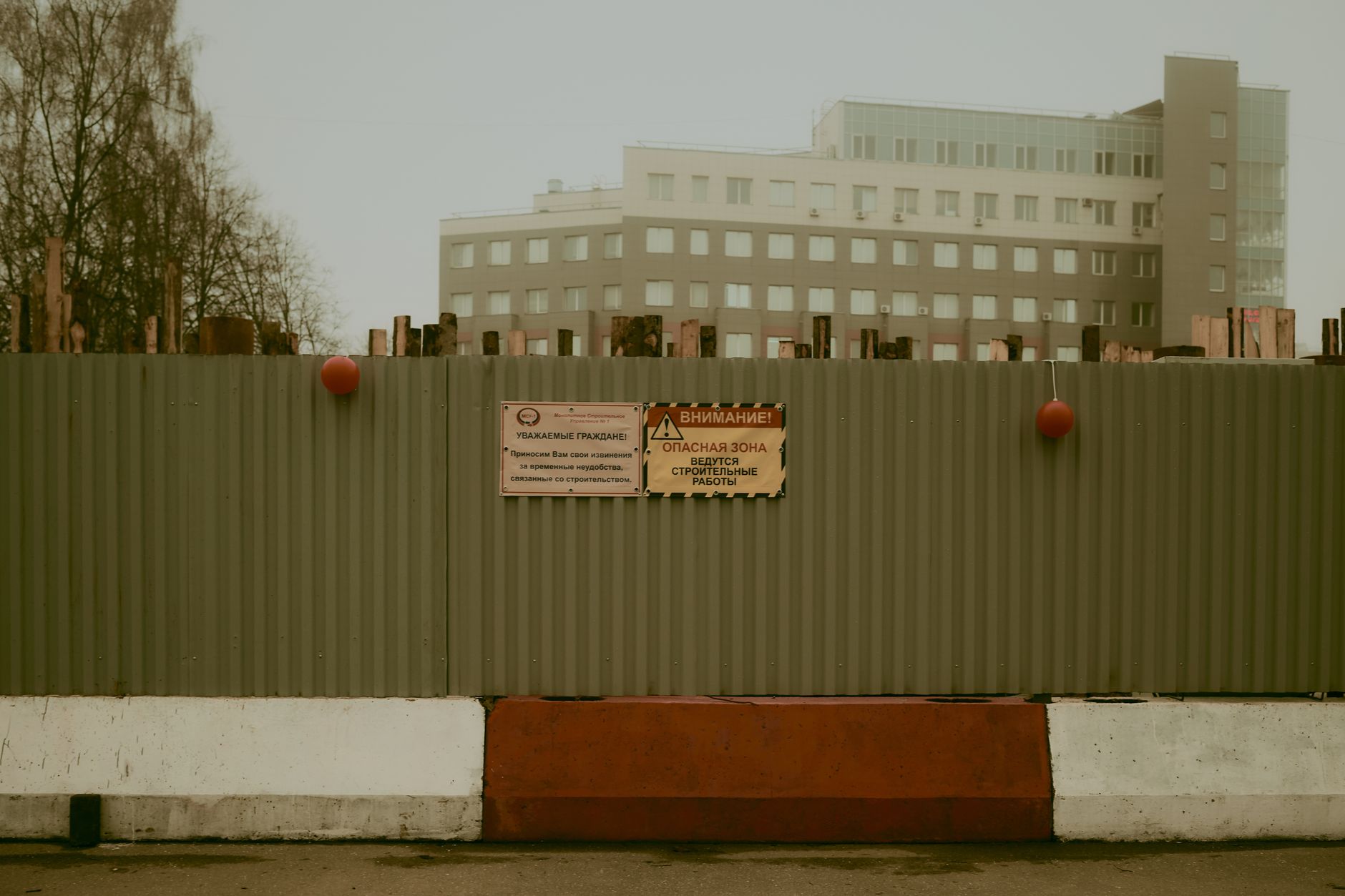
These are often the strongest fit because construction and partial-shutdown sites have changing conditions, incomplete envelopes, and stored material that is easy to move. Travelers notes that construction sites are prime targets for theft, vandalism, and unauthorized entry, and recommends physical barriers, monitored motion detection, and documented guard rounds. Those recommendations map cleanly to a robot program.
A patrol robot is useful on the exterior route and at predictable chokepoints: gate lines, trailer rows, laydown yards, material containers, and paths to electrical rooms or risers. It can also verify whether doors that were closed at dusk are still closed at 2 a.m. That is a simple operational win, but it is the kind that prevents a small breach from becoming a stripped site by sunrise.
There is also a worker-safety angle. Unfinished buildings can present unstable surfaces, exposed hazards, and dark interiors. The U.S. Fire Administration warns that vacant and abandoned buildings can contain fall hazards, standing water, hazardous materials, criminal activity, unauthorized occupants, and unstable structure. In other words, this is not a setting where you want routine deterrence to depend only on sending people into bad conditions unless there is a clear reason to enter.
Where are the limits?
Copper theft is not one crime pattern. Sometimes it is a lone trespasser pulling easy wire. Sometimes it is an organized crew arriving with cutters, saws, ladders, and a truck. Robots are better against the first category and against the early stages of the second. They are less decisive once a determined crew has already gained access and has time on site.
Robots also do less for enclosed interior areas that are inaccessible, multi-level spaces with unreliable navigation conditions, and properties where the only viable intervention is a locked utility room that should never have been left reachable in the first place. If the copper is exposed and the enclosure is weak, the core fix is physical hardening.
The sober rule is simple. Use robots to extend visibility and compress response time. Do not use them as a substitute for fencing, lock discipline, tamper-resistant enclosures, lighting, signage, alarm inputs, and a clear escalation tree to guards, managers, or police.
- Bad candidate: a building with critical copper entirely indoors, poor map stability, and no legal or safe robot route
- Good candidate: repeat theft attempts start with exterior approach, perimeter breach, and staging activity that can be seen early
- Non-negotiable: someone must own alarm review and dispatch, or the deterrence loop breaks
What does a workable operating plan look like?
The best programs start with the theft pattern, not the robot brochure. Identify where copper sits, how thieves enter, what they touch first, and how long they typically stay before anyone notices. Then build patrol routes around those facts. For many sites that means outer perimeter first, utility approaches second, and building-adjacent loops third.
The response plan has to be equally concrete. Who reviews an alert at 1:14 a.m.? Who can access live video? Who calls local law enforcement? When does an on-site guard or supervisor roll? What gets documented for an insurance claim? The robot is one node in that chain, not the chain itself.
This is where Service Robot Co. has a real role. For U.S. operators that do not want to source, finance, integrate, train, and service hardware piecemeal, an OEM-neutral integrator can package the whole program. That includes site assessment mapping, robot deployment and integration, maintenance included, remote triage, on-site dispatch, and nationwide field support. One partner, one number, and one accountable operating model matters more on vacant properties than it does in cleaner, staffed environments.
- Start with a site walk focused on copper assets, access paths, concealment points, and likely vehicle staging areas
- Pair patrol routes with fixed deterrence such as lighting, locked gates, and tamper-resistant utility access
- Decide the human response path before go-live, including nights, weekends, and holiday closures
How should owners think about the business case?
The economics are rarely about the scrap value alone. The larger losses come from service interruption, emergency repairs, project delay, temporary utilities, repeat vandalism, and the way one successful theft teaches offenders that the property is soft. A good article on this subject should resist fake precision, and so should a buyer. The right question is not a generic payback number. It is how expensive one avoided incident is at this specific site or portfolio.
That usually pushes owners toward flexible commercial terms instead of a one-time hardware bet. A security patrol robot rental, robot as a service arrangement, robot leasing for business, or monthly payment programs can make sense for a property that is vacant for an uncertain period. The same is true when a lender, receiver, or asset manager wants no upfront capital and a clean off-ramp once the site is sold, re-tenanted, or restarted.
Service Robot Co. is built for that reality. As a full-service commercial robot integrator for U.S. businesses, it stays OEM-neutral and handles lease rental or sale, deployment, integration, training, and service through a nationwide engineer network. For a vacant-site owner, that means the robot program can be treated as an operating control, not a science project.
When should you move forward, and when should you fix the basics first?
Move forward when the theft pattern is recurring, the site has a legal and safe patrol route, the perimeter can be meaningfully hardened, and someone will actually respond to alerts. Vacant retail boxes, unfinished suburban commercial projects, and idle industrial properties with broad exterior circulation often meet that test.
Fix the basics first when gates are broken, access logs do not exist, lighting is patchy, interior utility rooms are unsecured, or every incident is discovered the next morning with no idea when it happened. In those cases, the robot may still belong in the final design, but only after the site stops advertising itself as unattended.
So the practical answer is neither hype nor dismissal. Security robots can deter copper theft at vacant sites. They do it by making an empty property feel watched, by surfacing suspicious behavior earlier, and by supporting a disciplined response. They are most effective when the site owner treats them as one layer in a serious loss-prevention program.