Key takeaways
- Casinos use autonomous scrubbers during low-traffic windows, typically 4–8 AM, to maintain pristine floors without disrupting guests.
- Robots provide a consistent clean that manual methods struggle to replicate, which is critical for high-aesthetic casino environments.
- The primary ROI comes from redeploying labor from repetitive floor tasks to detailed, guest-facing cleaning roles, not from eliminating staff.
- Advanced sensors like LiDAR and 3D cameras allow robotic cleaners to safely navigate dynamic crowds and stationary gaming machines.
- A vendor-neutral integrator is key to selecting the right machine for the unique challenges of a casino floor, not just a one-size-fits-all solution.
The House Never Sleeps, and Neither Can the Cleaning Crew
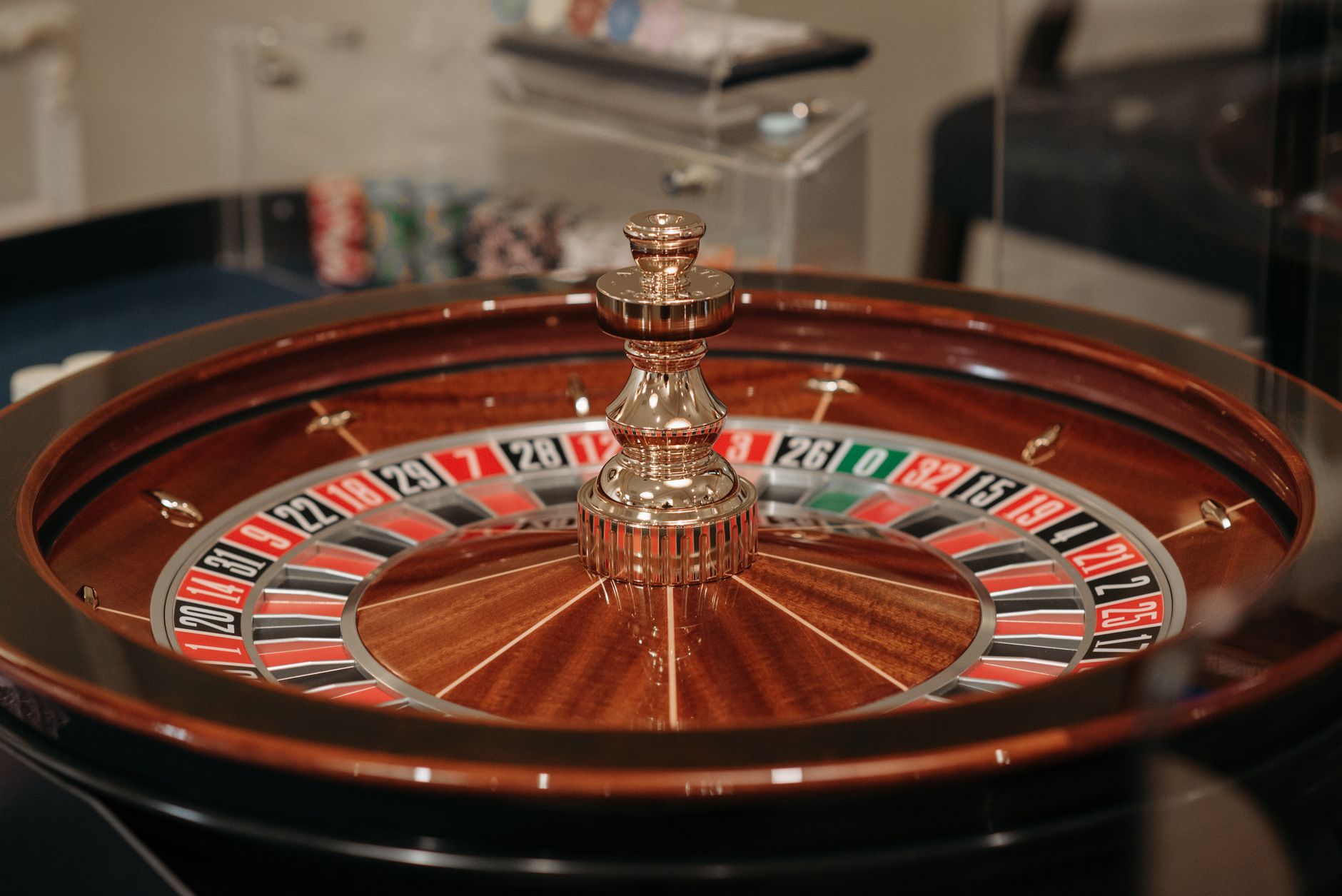
A major casino resort is a city that never sleeps. Thousands of guests, the constant hum of gaming machines, and around-the-clock food and beverage service create a cleaning challenge unlike any other. The gaming floor must remain immaculate to uphold the high-end guest experience, but there is never a true 'after hours' window for deep cleaning.
This constant activity places immense pressure on Environmental Services (EVS) staff. Annual turnover for casino EVS departments can run as high as 75%, with overnight shifts being the most difficult to staff consistently. A missed shift or subpar performance is immediately visible on high-gloss floors. This was the exact scenario facing a (hypothetical) major Las Vegas-style casino resort before it turned to automation.
By deploying a fleet of autonomous floor scrubbers, the resort was able to guarantee a perfect clean on its vast hard-surface floors every single night. The robots addressed the deep cleaning challenge during the lowest-traffic windows, allowing the human EVS team to focus on high-touch guest areas, immediate spill response, and detailed sanitation. The result was a higher standard of cleanliness, more stable operations, and a clear, demonstrable return on investment.
What Are the Unique Challenges of Cleaning a Casino Floor?
Unlike an office building or a retail store, a casino has no downtime. The operation is continuous, creating several specific hurdles for any cleaning protocol. The primary challenge is the 24/7 presence of guests; cleaning must happen efficiently without disrupting the player experience.
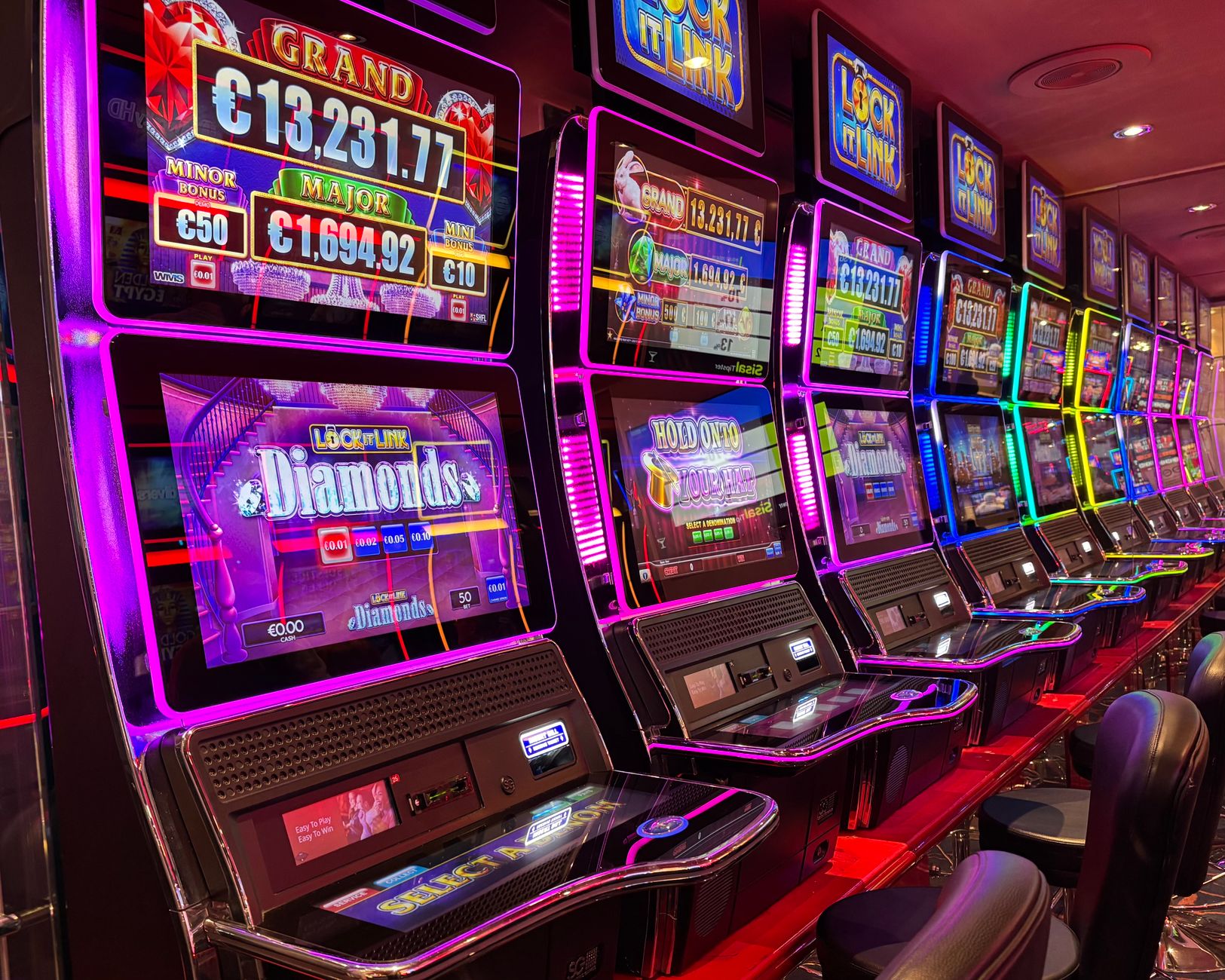
Gaming equipment presents another obstacle. Robots must navigate tightly packed rows of slot machines and around gaming tables where patrons are often present. Spills are frequent and must be addressed immediately by staff, while the overall floor requires a consistent deep clean to maintain appearances. In properties that permit it, tobacco smoke residue can also build a tacky film on floors that manual mopping often spreads rather than removes.
How Do Autonomous Robots Navigate a Live Gaming Floor?
The most common question from facility operators is whether a robot can safely work in such a dynamic environment. Modern autonomous floor scrubbers are specifically designed for this. They use a sophisticated array of sensors, including LiDAR, 3D depth cameras, and ultrasonic sensors, to build a detailed, 360-degree map of their surroundings.
This sensor fusion allows the robot to distinguish between fixed obstacles, like a pillar or a row of machines, and dynamic ones, like guests walking across the floor. The machine can then make real-time decisions to slow down, pause, or plot a new path around a person before continuing its programmed route. For deployment, operators typically define routes and set virtual boundaries during the initial mapping process, ensuring the robots stick to their designated zones.
Scheduling for Success: Finding the Cleaning Window
While the robots can operate around people, the goal is to minimize interaction. Casino operators solve this by scheduling autonomous runs during the lowest-traffic windows, which are typically between 4 AM and 8 AM. This is not a zero-traffic window, but it represents the period with the fewest patrons on the gaming floor.
During this time, a fleet of scrubbers can execute their pre-programmed routes, covering tens of thousands of square feet of hard-surface flooring. This strategy ensures the most visible and high-traffic areas are restored to a perfect shine before the morning peak begins, all without disrupting the core gaming business.
Why Is a Vendor-Neutral Integrator Critical for a Complex Venue?
Not all cleaning robots are created equal. Different machines have varying battery runtimes, water tank capacities, and navigation specialties. A casino floor with wide, open spaces has different needs than a hotel corridor or a convention center ballroom. A single manufacturer's product line might not be the best fit for every area of a large resort.
This is where a vendor-neutral, full-service integrator like Service Robot Co. becomes essential. Instead of pushing one specific brand, our process starts with a deep analysis of your facility's unique needs. We select the right autonomous scrubbers and vacuums from across the industry to build the optimal fleet for your specific floor types, traffic patterns, and operational goals.
Our role extends far beyond the initial sale. We handle the entire lifecycle: financing and deployment, site mapping and staff training, and ongoing service and maintenance through our nationwide network of engineers. This provides a single point of contact and accountability for the entire robotics program, a crucial factor for a 24/7 operation that cannot afford downtime.
Calculating the Real Return on Investment
The ROI of a robotic cleaning fleet in a casino is not about staff reduction. Given the high turnover in EVS roles, the goal is labor optimization. The savings come from reallocating the hours that staff would have spent on repetitive, physically demanding floor scrubbing.
Instead of pushing a manual scrubber for hours, those team members can be redeployed to higher-value tasks. This includes detailed cleaning of restrooms, sanitizing high-touch surfaces on gaming machines, and providing faster response to guest-facing needs. This improves the overall quality of clean and enhances the guest experience.
Further ROI comes from other areas. Consistent, machine-driven cleaning can extend the life of expensive flooring by applying solutions and pressure evenly, preventing the premature wear that inconsistent manual methods can cause. It also reduces the risk of slip-and-fall incidents, a major source of potential liability and workers' compensation claims in any commercial facility. Payback periods for daily-use facilities can often be modeled at 9 to 18 months.
The Tangible Results: Beyond Labor Savings

The most significant outcome reported by hospitality venues that adopt autonomous cleaning is a dramatic improvement in the consistency and quality of the clean. A robot performs its route with the same precision and effectiveness on every run, something that is nearly impossible to achieve with manual labor across multiple shifts and employees.
For a high-stakes casino environment, this verifiable proof of cleanliness is a major asset. The robots generate data-driven reports after every shift, showing exactly which areas were cleaned and when. This provides management with unprecedented oversight and quality assurance, ensuring the brand's high standards are always met.