Key takeaways
- Open lawn between plot blocks is where a robot mower earns its hours.
- Map a hold zone around every marker before the first pass, starting from the 12 inch floor a Vermont contract sets.
- Plot rows, flower vases and narrow lanes stay with the crew.
- Hours a robot frees go to trimming, edging and marker-side work.
- Get marker damage liability and insurance in writing, because the contract documents reviewed did not describe them.
Which cemetery turf suits a robot mower?
The open turf is where a robot mower earns its keep. In a cemetery that means the broad lawn between plot blocks, long perimeter runs and grass sections that carry no headstones. The rows of markers, the flower vases set beside them and the narrow access lanes stay with the crew.
That split is not guesswork. The contract specifications we reviewed follow the same pattern: mowers work open ground while trimmers and hand crews handle the grass around memorials. A robot fits the first job well. It fits the second only when the route is mapped with a wide margin and a person stays close by.
Why plot rows need their own route map
Plot rows are where routes go wrong. Markers are rarely set on a clean grid, vases get moved, and lanes narrow at exactly the points where a machine needs room to turn. A plan drawing shows none of that, so the first job is a walk of the site, logging every marker, vase cluster and lane edge.
Treat the open sections as the robot's area and the plot rows as excluded ground until the crew has checked them. Fresh burials, new flower stands and seasonal decorations change the ground often, so the map needs a standing review date rather than a one-time sign-off.
How wide should the hold zone be?
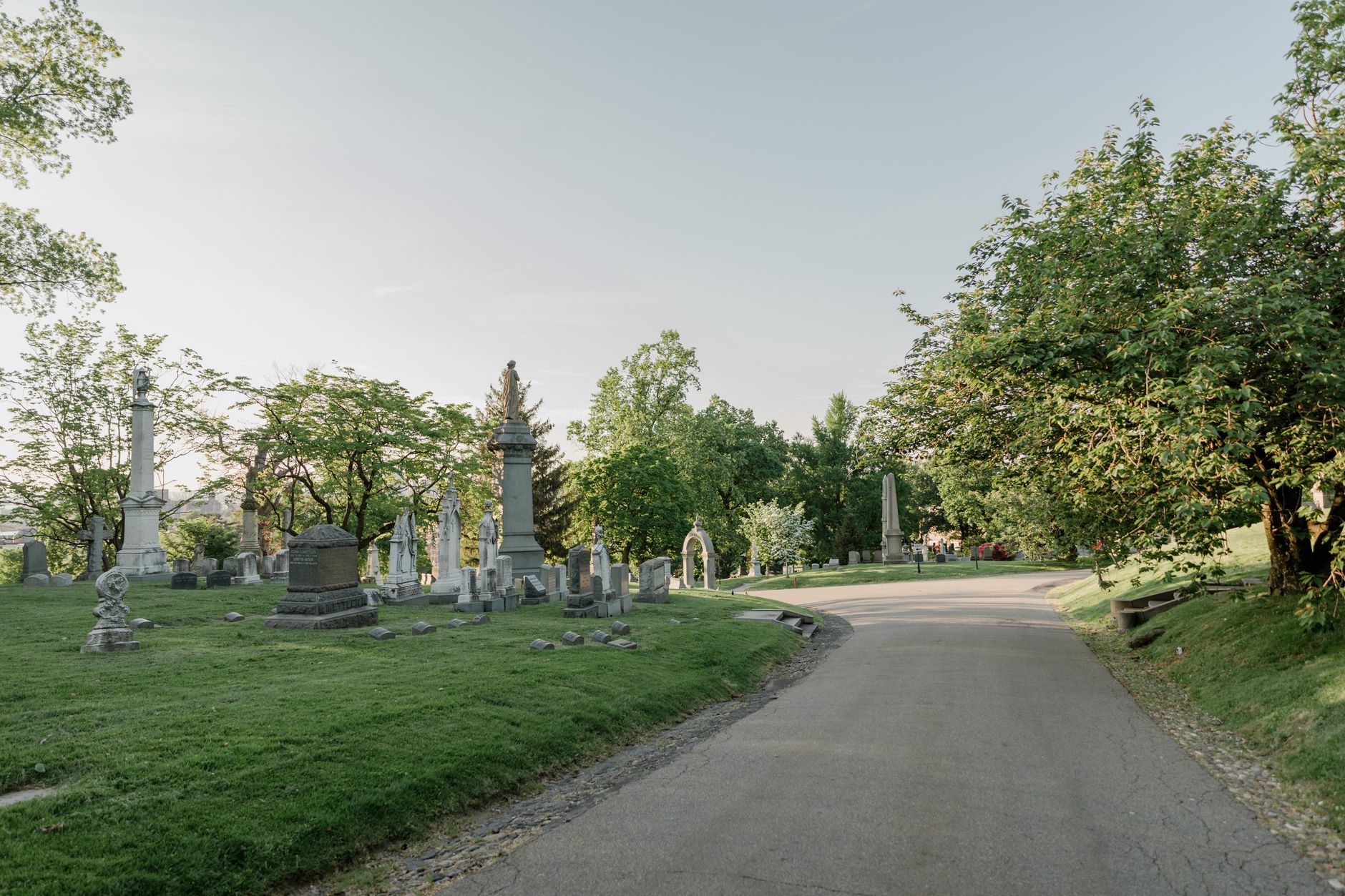
Set the hold zone before the first pass, not after the first chipped stone. A 2025 mowing contract attachment for Charlotte, Vermont says no mower may operate within 12 inches of any marker, monument, headstone, footstone or other memorial. Use that figure as the floor for your map, and widen it where stones sit on slopes or near a road edge.
Roads and drive edges need the same treatment. Draw them as polygons in the route file, so a rerun after a burial or a regrade does not send the machine back into the hold. A map that lives in one person's head will fail the first time that person is off shift.
Where have robots struck markers?
At the Rosehill-Elmwood cemetery in Kentucky, several tombstones were chipped when robotic mowers struck them. The new manager kept the same electric mower contract. The reporting does not describe the controls in place, so treat the case as a warning about routing and supervision, not as proof that robots cannot work on this ground.
A Kentucky city cemetery mowing solicitation takes the same care. It requires trimming around headstones so as not to damage, mark or disfigure them. That wording puts the trimming scope into the bid itself.
Who stays on the ground, and what do they do?
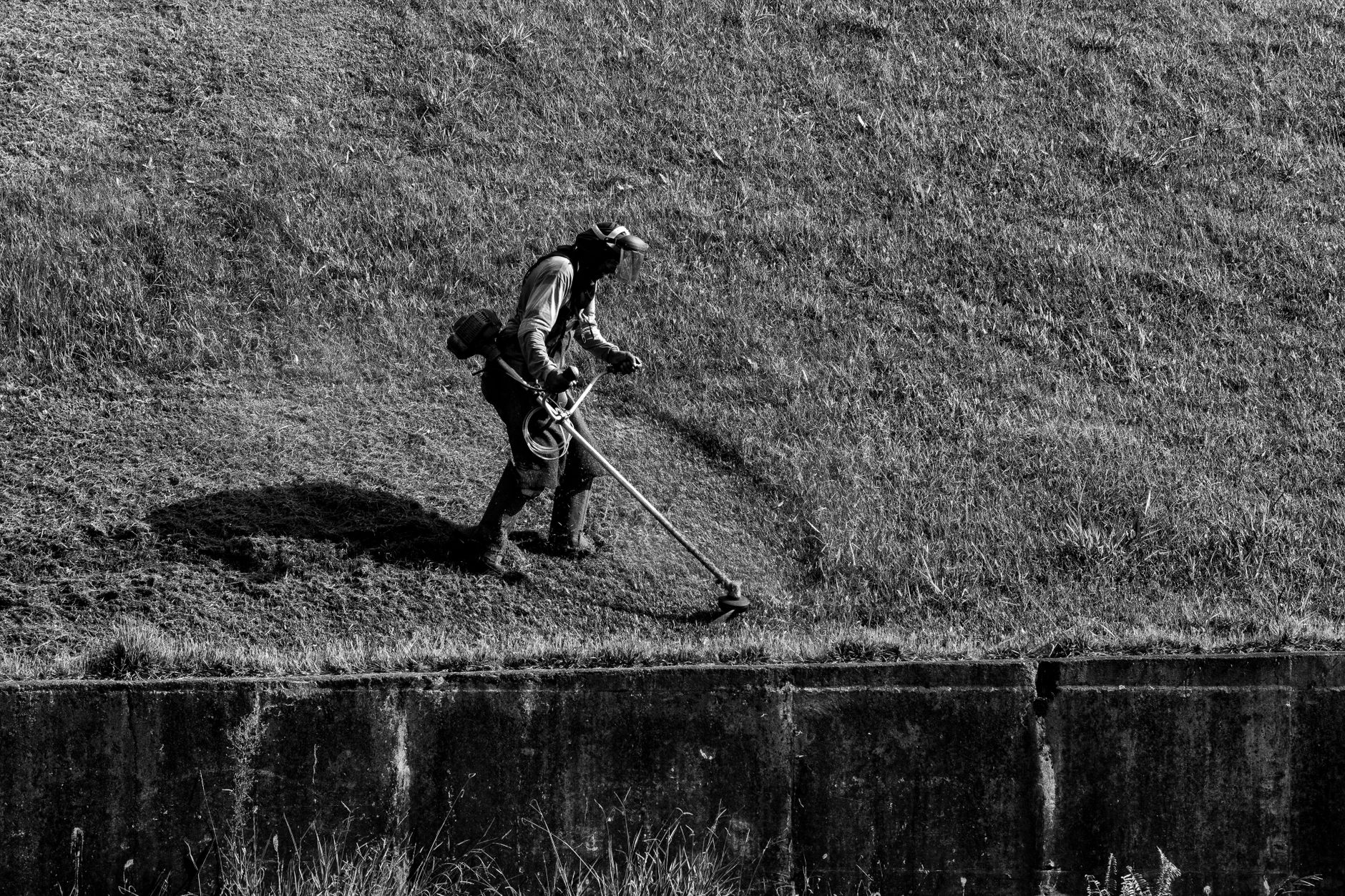
A remote operator is one model. In Petersburg, Virginia, the city put a tracked mower into service on a 189-acre cemetery, with one operator running it from a safe distance. The mower cannot be used around headstones, so staff handled grave markers while the machine worked elsewhere.
Most crews will run a closer split. A person stays near the robot's active area for trimming, edging and the grass inside the hold zones, and checks the route log at the start and end of each pass. The hours the robot frees go to that detail work and to lane and marker upkeep, not to running extra passes over open turf.
Service Robot Co. runs a site assessment before any robot goes on a route. We map the open sections, draw the hold zones and set the crew split, then quote one fixed payment on a three year lease, with RoboCare, our service plan, covering each unit.
Where a robot mower does not fit yet
The tracked mower in Petersburg cannot work around headstones, and the Shetland trials show a similar boundary. Robotic mowers were trialled at burial grounds at Tingwall, Sandwick and Mid Yell, and manual strimming still takes place in those areas. A later report said the Tingwall mowers were performing better than expected.
Cost and benefit claims need the same care. The Shetland council estimated a trial at £75,000, and listed daily cutting for a neater finish, weed reduction, less noise and a lower carbon footprint as potential benefits, not results. Edinburgh's pre-trial concerns were area size, theft and vandalism, and its presentation slides gave no outcomes.
What to get in writing before a bid
The contract documents reviewed did not describe contractor liability or insurance for robotic mower damage to markers. That silence is the gap to close before the first pass, not after the first chipped stone. Put the answer into the scope, and cover at least these points.
- The hold zone distance and which memorial types it covers
- Who trims inside the hold zone, and how often
- Who answers for marker damage, and which policy responds
- How theft and vandalism are handled when a machine is left on site

What a written scope protects
A written scope turns the route map into a commitment the client can check against the route log, and the crew can check against the ground. It also gives the crew lead a clear line between robot passes and hand work, which is where most disputes over marker damage begin.
Frequently asked questions
Want a robot working for you?
Tell us the job and the site. We will recommend the robot, quote the lease, and keep it serviced.
Sources
- WTVR, remote-operated mower at Blandford Cemetery, Petersburg, July 2026
- Owensboro Times, Rosehill-Elmwood tombstone damage report
- Shetland News, robotic mowers could be trialled in burial grounds, 2024
- Shetland News, robotic graveyard mowers at Tingwall and Sandwick, 2025
- Shetland Islands Council, burial grounds grass cutting frequently asked questions
- APSE, Edinburgh presentation on cemetery grass cutting
- Charlotte, Vermont, cemetery mowing contract Attachment A, 2025
- BidNet Direct, Kentucky solicitation for mowing of city cemeteries