Key takeaways
- Centralized fleet management is the key to unlocking ROI for multi-robot deployments, shifting the challenge from engineering one robot to operating a whole fleet.
- Modern platforms can increase robot utilization by 15-25% by reducing idle time and optimizing task allocation across all units.
- Predictive maintenance, a core feature of fleet management, can reduce unplanned downtime by 20-30% by identifying potential failures before they occur.
- Over-the-Air (OTA) updates allow for simultaneous software and security patches across the entire fleet, eliminating manual updates and reducing labor costs.
- A vendor-neutral integrator can unify a diverse fleet from multiple manufacturers onto a single management dashboard, providing a single point of contact for service and support.
From One Robot to One Hundred: Why Fleet Management Matters
Deploying a single robot is an engineering challenge. Deploying and operating a fleet of dozens or hundreds of robots is a distributed systems problem. As your fleet grows, the complexity of managing tasks, monitoring health, and performing updates increases exponentially. The key to realizing the full return on your robotics investment lies in centralized fleet management.
A modern robot fleet management platform provides a single pane of glass to orchestrate every machine. A 2026 guide to robot fleet management software confirms that centralized monitoring and predictive maintenance can lead to a 20-30% reduction in unplanned downtime. Furthermore, the same guide highlights that these systems improve overall asset utilization by 15-25%. This isn't just an incremental improvement; it's a fundamental shift in operational efficiency that directly impacts your bottom line.
The market for these platforms is expanding rapidly, projected to grow from USD 2.93 billion in 2026 to USD 12.67 billion by 2035, according to Custom Market Insights. This growth is driven by the clear ROI businesses achieve when they move from managing individual robots to orchestrating a cohesive, intelligent fleet.
What is Centralized Monitoring?
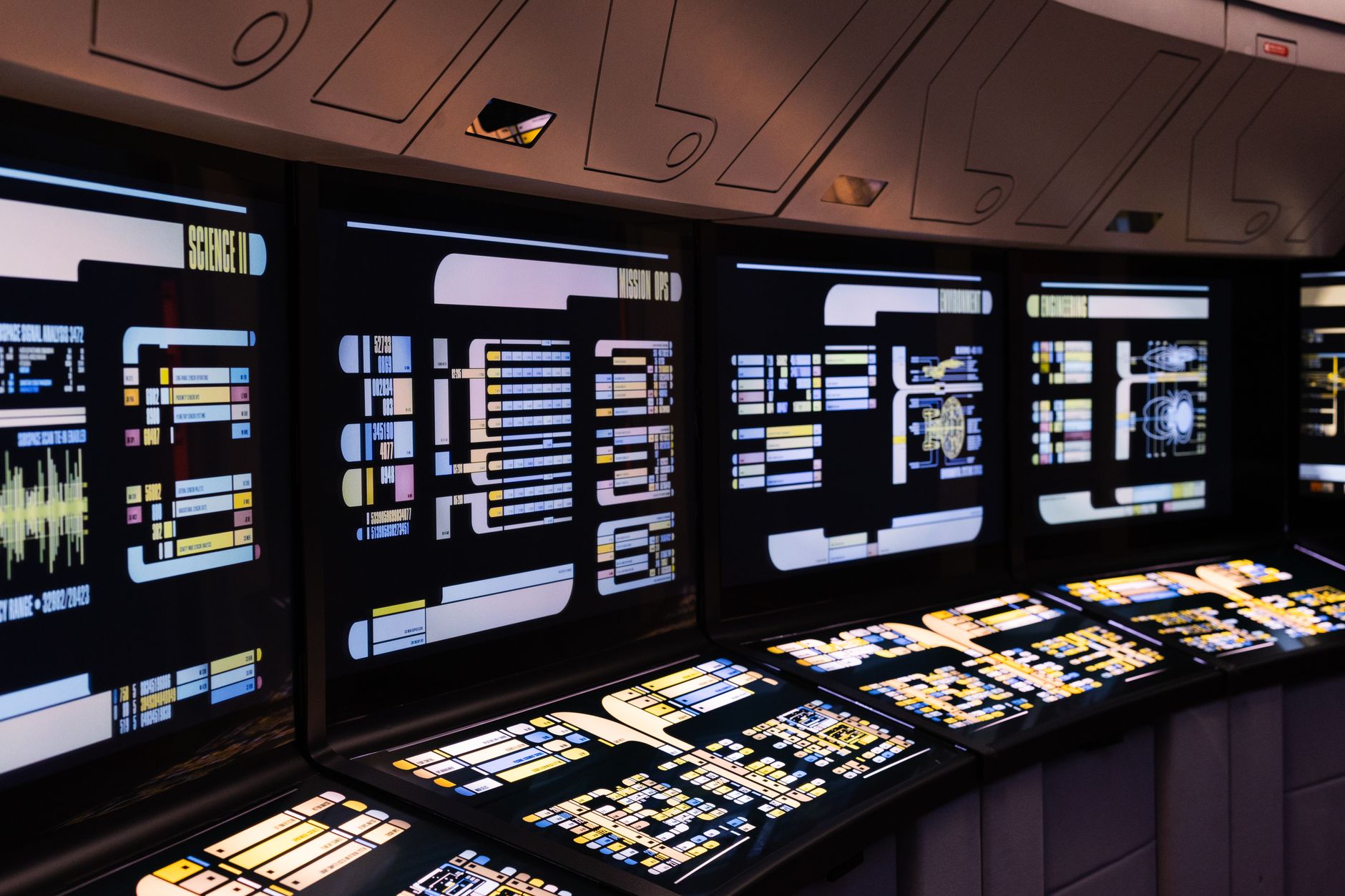
Centralized monitoring consolidates real-time data from every robot in your fleet into a single, intuitive dashboard. Instead of checking individual controllers or relying on operator reports, you get a live, comprehensive view of your entire operation.
This includes the status of each robot: whether it's operational, idle, charging, or in need of maintenance. You can track key performance indicators like task completion rates, energy consumption, and uptime for individual units or the fleet as a whole. This level of visibility allows you to identify bottlenecks and underperforming assets instantly.
How Does Predictive Maintenance Reduce Downtime?
Predictive maintenance uses AI and machine learning to analyze data from robot sensors, identifying subtle anomalies that signal a potential future failure. Instead of reacting to a breakdown after it halts operations, your team receives an alert to schedule maintenance proactively. This data-driven approach catches failures before they happen.
Studies show that AI-powered predictive maintenance can reduce unplanned downtime by 30-50%. By analyzing factors like motor temperature, battery charge cycles, and vibration patterns, the system can flag a component for replacement during a planned service window, avoiding a costly and disruptive emergency shutdown. This capability is a cornerstone of achieving near-zero downtime in a large-scale commercial robot rental program.
Can Remote Diagnostics Speed Up Repairs?
When a robot does experience an issue, remote diagnostics allow technicians to troubleshoot without being physically present. The fleet management platform provides access to detailed error logs, sensor data, and even video feeds to pinpoint the root cause of a problem.
This capability dramatically reduces the mean time to repair (MTTR). According to industry analysis, remote diagnostics can shorten troubleshooting times by 30-50%. An expert technician can identify the issue and either guide an on-site employee through a simple fix or be dispatched with the correct replacement part, eliminating diagnostic guesswork and a second trip.
As a full-service robot integrator, Service Robot Co. builds this capability into our support structure. Our nationwide network of engineers uses remote triage to diagnose issues immediately. This means when we dispatch a technician, they arrive with the right parts and a clear plan, resolving the problem on the first visit and getting your operations back online faster.
What Are Over-the-Air (OTA) Updates?
Over-the-Air (OTA) updates are a critical function for managing a modern robot fleet. This feature allows you to deploy software updates, firmware upgrades, and security patches to all your robots simultaneously from the central platform. This eliminates the incredibly time-consuming and error-prone process of updating each unit manually.
Coordinated OTA deployments can reduce the time spent on updates by over 85% compared to manual methods. You can schedule these updates for off-peak hours to avoid disrupting operations. This ensures your entire fleet is running the latest software, benefiting from performance improvements and protection against cybersecurity vulnerabilities without requiring a site visit for each machine.
How Does Fleet Management Optimize Task Allocation?
An intelligent fleet management system does more than just monitor; it actively optimizes your operations. It uses algorithms to manage task allocation, ensuring the right robot is assigned to the right job at the right time. The system considers factors like a robot's current location, battery level, and specific capabilities.
This automated orchestration prevents situations where multiple robots attempt the same task or where a robot travels across a facility to a job when a closer, available unit could have handled it. This intelligent routing and scheduling is a primary driver behind the 15-25% increase in asset utilization seen with these platforms. It minimizes idle time and maximizes the productive output of every machine in your fleet.
Unifying Diverse Fleets: The Integrator's Role
Many businesses find themselves with a mixed fleet of robots from different manufacturers, each with its own proprietary control software. This creates operational silos and negates the benefits of a large fleet. A key challenge is getting these disparate systems to communicate and work together.
This is where a vendor-neutral integrator like Service Robot Co. provides critical value. We are not tied to a single OEM. Our expertise lies in selecting the best robots for your specific needs, regardless of the brand, and then unifying them under a single, cohesive fleet management dashboard. We handle the complex integration work to ensure every autonomous floor scrubber, material handling robot, and security patrol unit operates as part of a single, coordinated system.
With our approach, you get one platform to manage everything and one number to call for service. We deploy, integrate, and maintain every unit through our nationwide engineer network, offering a true turnkey robot deployment. This simplifies your operations and provides a single point of accountability for the entire lifecycle of your fleet.