Key takeaways
- Christie Lites expanded its Las Vegas rental lighting warehouse from about 80,000 to 160,000 square feet before adopting Neo.
- Dan Souwand describes guerilla cleaning: scrub open aisles the moment flex space appears between rental returns.
- Neo maps no-go zones, slow zones, and detects obstacles as low as 16 centimeters amid forklift traffic.
- Avidbots Command Center reports coverage, water use, and productivity KPIs the legacy walk-behind could not supply.
- Christie Lites reported doubled cleaning team productivity after deployment, with staff freed for other maintenance.
Why did a rental lighting warehouse outgrow walk-behind scrubbers?
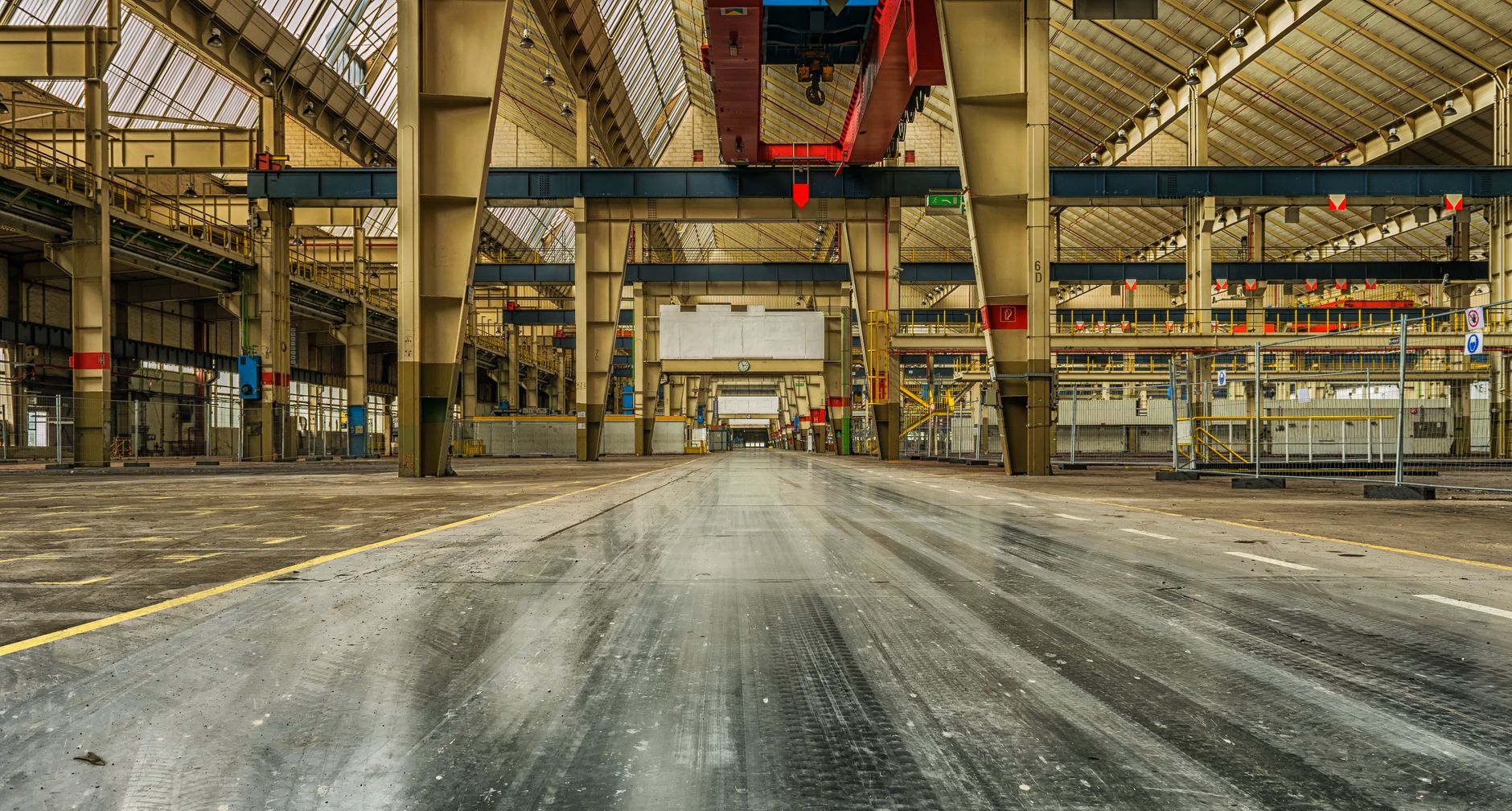
Christie Lites supplies rental lighting to production companies, tours, and live events. According to Avidbots customer materials, the operator recently doubled its Las Vegas warehouse from about 80,000 square feet to 160,000 square feet to handle more rental gear in and out.
That footprint jump made a legacy walk-behind floor cleaner harder to justify on cost and coverage hours. More square feet usually means more labor, yet hiring qualified warehouse workers remains difficult across supply chain operations.
The site already relied on automation for storage and retrieval, including automated forklifts and racking equipment. Facilities leadership wanted the same deliberate engineering mindset for floor care rather than a retrofitted consumer robot.
When production executives tour a warehouse, cleanliness signals professionalism. Dan Souwand, Vice President of Equipment, Systems and Warehousing, told Avidbots that cleanliness influences whether clients choose Christie Lites over competitors.
What is guerilla cleaning in a flex-space warehouse?
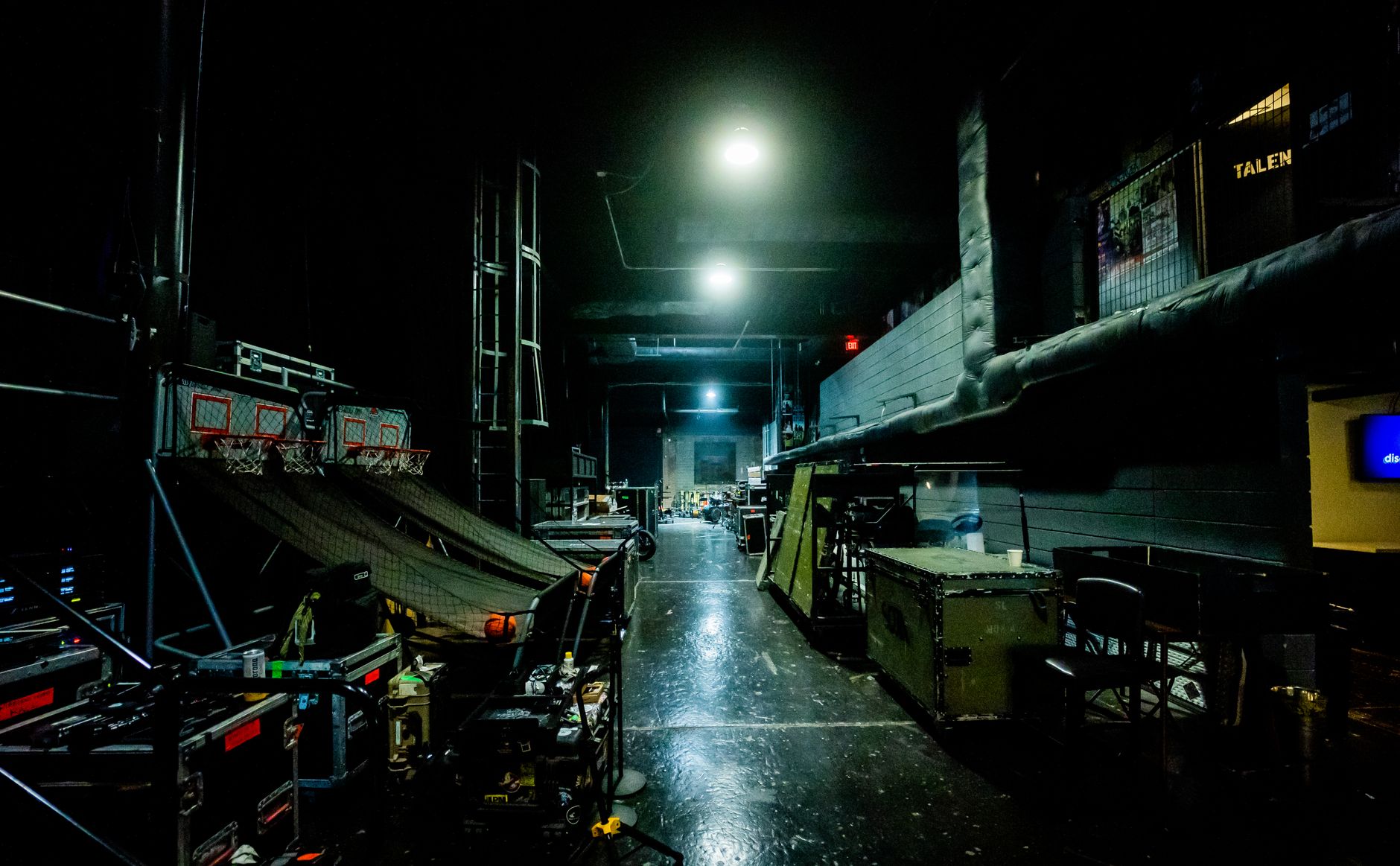
Rental lighting warehouses rarely hold a static layout. Shipments arrive, rigs return, and staging lanes shift by the hour. Avidbots describes Christie Lites as needing significant flex space for inbound and outbound rental equipment.
Souwand calls the resulting workflow guerilla cleaning, also described as opportunistic cleaning. When an aisle or bay opens, facilities staff need to scrub it immediately instead of waiting for a nightly full-building pass.
That pattern breaks traditional schedules built around empty buildings. A scrubber that only runs after midnight may never catch the two-hour gap between truck unload and pick prep.
Neo supports both autonomous cleaning plans and manual dispatch to a zone. Operators can send the robot to the open area while humans handle cable coils, cases, or rack adjustments nearby.
Document which bays are rental returns versus long-term storage so guerilla routes do not scrub through active kitting tables.
How does Neo navigate workstations, forklifts, and rental gear?
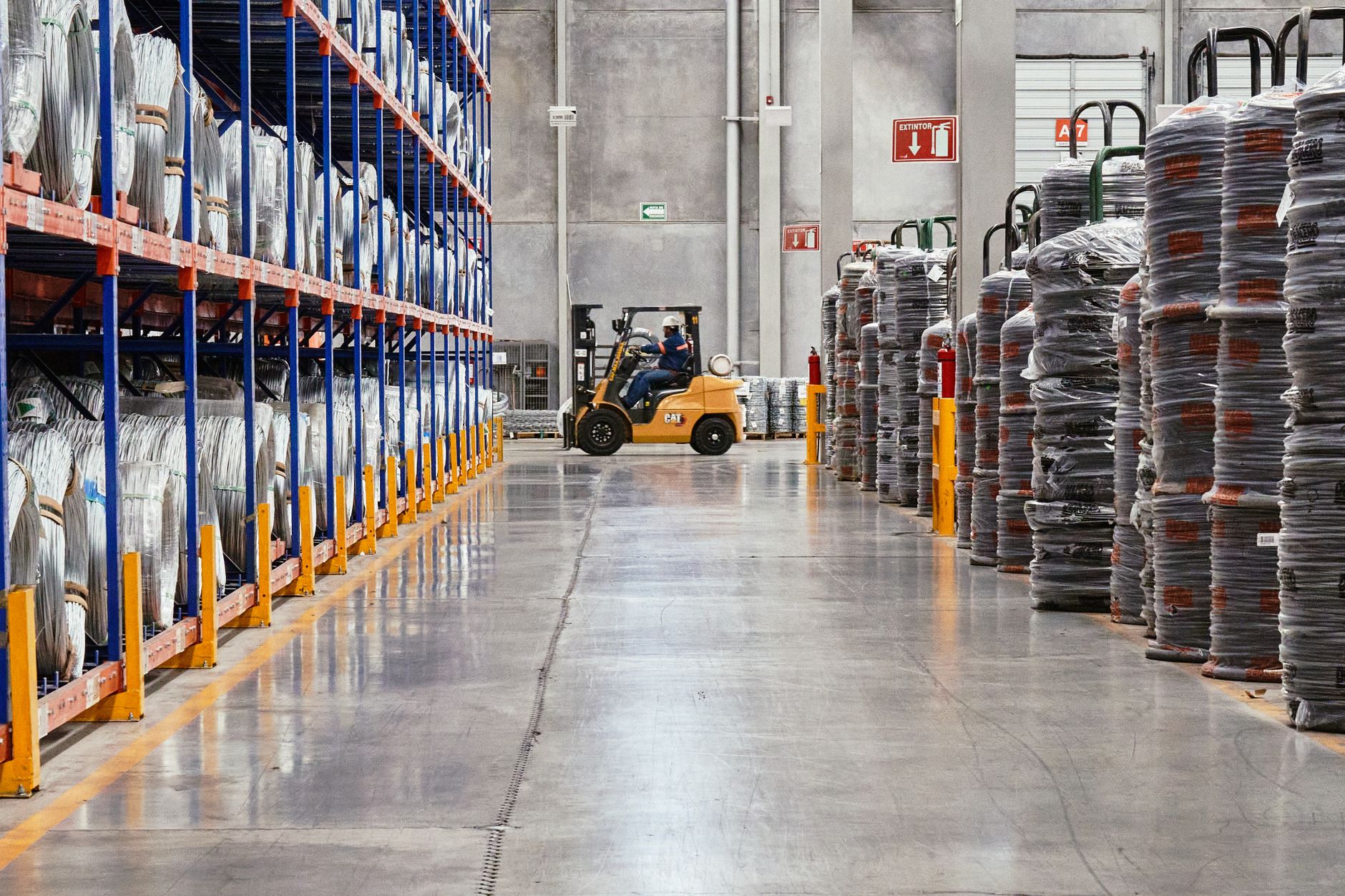
Avidbots notes that Christie Lites' Las Vegas building contains a large number of workstations and product lanes, plus human and forklift traffic that must be avoided. Navigation is not a nice-to-have; it is the difference between daily use and a parked machine.
Facility teams can designate no-go zones where the robot must not enter, and slow-down zones where it reduces speed near blind corners or pedestrian crossings.
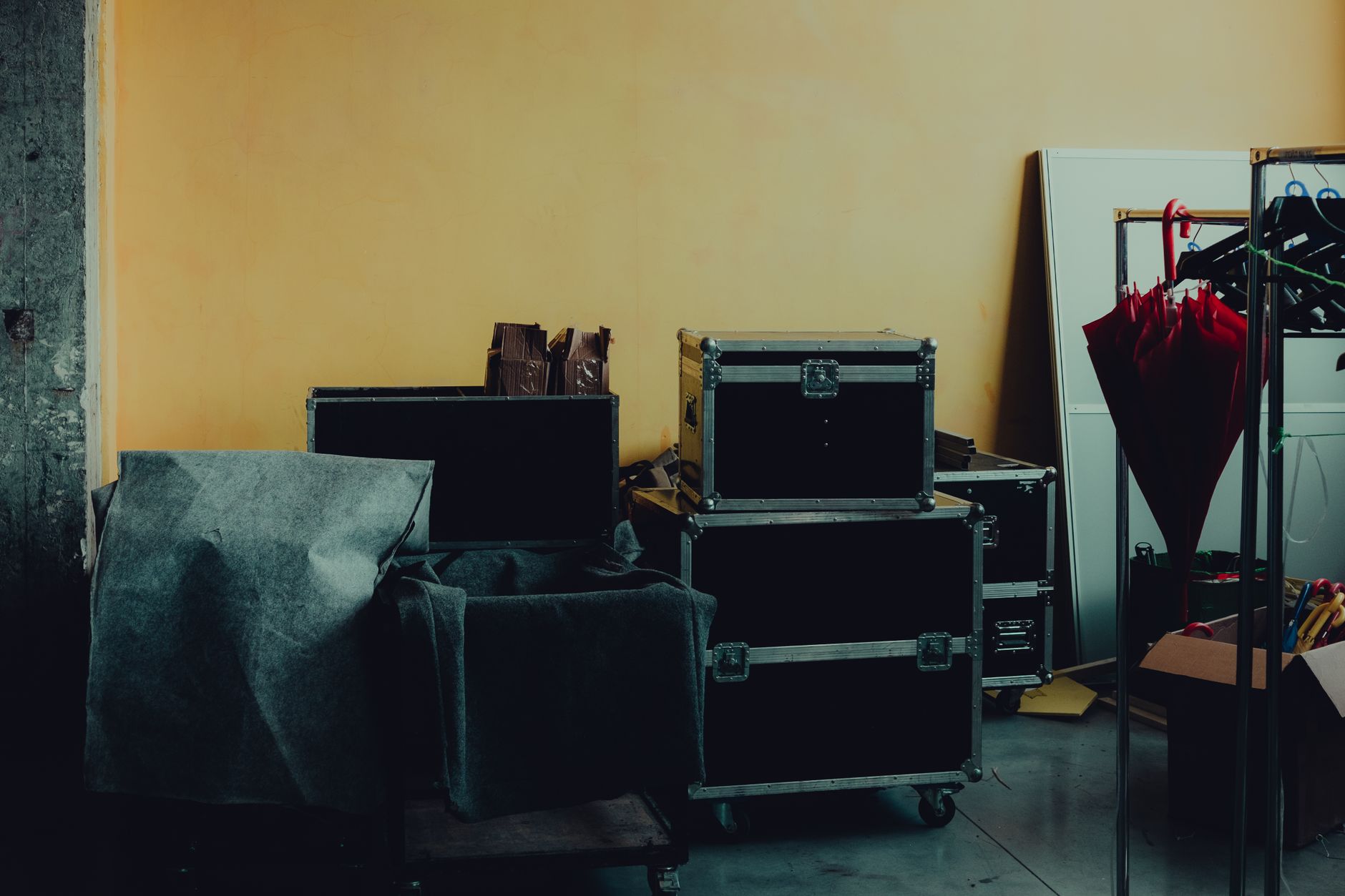
Neo object detection can sense and avoid obstacles as low as 16 centimeters (about 6.3 inches) from the floor. Rental warehouses drop small hardware, tape cores, and cable scraps that sit below a forklift driver's line of sight.
Redundant safety features include an emergency stop button, safety bumpers, and an electronic brake. Those layers matter when lighting trusses and road cases move hourly.
Pair slow zones with floor tape at forklift crossing points so drivers and scrubbers share aisles with predictable behavior.
What changed for the cleaning team after deployment?
Before Neo, associates spent large blocks of time pushing a walk-behind scrubber. After deployment, Avidbots reports that Christie Lites freed cleaners to focus on higher-value maintenance beyond floor care.
Souwand stated that deploying Neo doubled cleaning team productivity and improved morale, allowing staff to focus on additional tasks while the robot handled floors. That quote appears in Avidbots news and case materials tied to the Las Vegas rollout.
Morale gains often come from variety. Technicians who only scrub concrete burn out faster than teams that rotate between autonomous oversight, rack repairs, and lighting prep.
Training covered Neo operation quickly enough that the robot entered regular use without long downtime, according to the Christie Lites case study PDF.
Set a weekly stand-up where cleaners flag map edits after major show returns so autonomous routes stay current.
Which Command Center metrics matter for warehouse KPIs?

Leadership wanted financial and operational proof, not just cleaner tile lines. Avidbots Command Center supplies data on every clean, by every robot, in every sector of the building.
Typical reporting includes productivity, coverage maps, water usage, individual cleaning plan results, and performance over time. Those metrics replace the guesswork that comes with unsupervised walk-behind hours.
Coverage maps help managers see whether guerilla dispatches actually ran during the short windows between rentals. Water usage trends highlight leaks or overfilled tanks before they damage concrete coatings.
Export monthly reports before capital planning meetings when you ask for a second Neo or an additional site.
Align KPI definitions with finance: decide whether productivity means square feet per hour, number of completed plans, or labor hours redeployed.
How does automation fit beside existing warehouse robotics?
Christie Lites already automated forklifts and storage retrieval before Neo arrived. Avidbots frames Neo as extending that automation story into facilities management rather than starting from zero.
The parallel is useful for event suppliers evaluating scrubbers. If your WMS and ASRS already emit traffic data, floor robots should respect the same safety culture and shift handoffs.
Neo became the first fully autonomous equipment in Christie Lites operations, according to the case study. That distinction matters for change management: cleaners, forklift drivers, and show prep leads all need a shared vocabulary for pauses and restarts.
Run a joint safety briefing with forklift vendors and scrubber trainers so no-go zones match actual mast swing paths.
What should rental and staging warehouses verify before copying this playbook?
Confirm water fill and dump locations match Neo tank sizes near your dock doors. Rental sites often lack convenient drains compared with manufacturing plants.
Map flex zones explicitly in software when bays flip between inbound returns and outbound prep. Guerilla cleaning fails if the robot cannot reach the open aisle before forklifts reclaim it.
Pilot autonomous and manual dispatch modes for two weeks and log which mode captures more square feet during business hours.
Check floor coatings and detergent compatibility with lighting hardware storage areas. Some stages store sensitive electronics near scrub paths.
Budget time for Avidbots deployment visits: onsite mapping and tailored training modules for cleaners, supervisors, and senior managers appear in standard Neo rollouts.
Photograph floor reflectivity after the first month so client walk-through disputes have a visual baseline.
When does an OEM-neutral integrator help multi-site rental networks?
Christie Lites standardized on Neo at Las Vegas after evaluating purpose-built industrial scrubbers. Other rental networks may want competitive bids across autonomous floor care brands before repeating one model nationally.
Service Robot Co. compares industrial scrubbers, arranges buy or lease financing, deploys maps, trains staff, and services units through RoboCare with regional engineers. One vendor contract can cover scrubbers, delivery bots, or patrol units if sites diversify.
Keep branch managers on the same fleet reporting vocabulary even if hardware differs by city. Command Center style dashboards should roll up to one operations review.
Finance may prefer one lease schedule when Las Vegas proves doubled cleaner productivity before Atlanta or Orlando copies the guerilla cleaning playbook.